

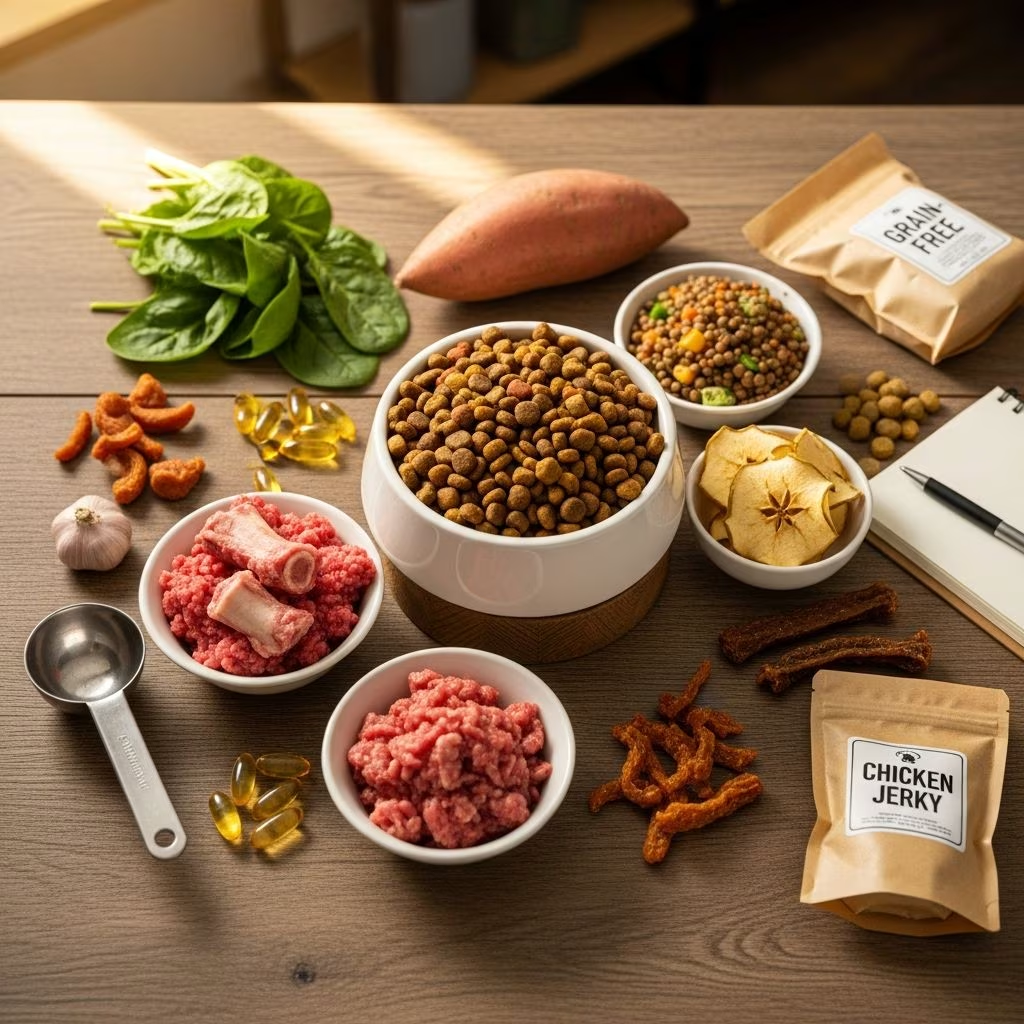
Choosing the right diet for your dog is essential for their long-term health, energy levels, and overall vitality. With numerous options available—from traditional kibble to innovative fresh meals—pet owners face a variety of choices. This guide delves into the major types of dog foods, their nutritional profiles, benefits, drawbacks, and key considerations for different life stages and health needs. By understanding these options, you can make informed decisions tailored to your dog’s unique requirements.
Understanding the Basics of Canine Nutrition
Dogs require a balanced intake of proteins, fats, carbohydrates, vitamins, and minerals to thrive. Proteins support muscle growth and repair, fats provide energy and skin health, while carbohydrates offer quick fuel. Puppies need higher levels of protein and fat for growth, whereas adults maintain steady levels, and seniors often benefit from joint-supporting nutrients. Large-breed puppies, for instance, require controlled calcium and phosphorus to prevent orthopedic issues like hip dysplasia.
Always check labels for complete and balanced formulations, meaning they meet standards set by bodies like the Association of American Feed Control Officials (AAFCO). Factors such as breed, age, size, and activity level influence the ideal diet.
Dry Kibble: Convenience and Shelf Stability
Dry kibble remains the most popular dog food due to its affordability, long shelf life, and ease of storage. Made through extrusion—where ingredients are cooked under high pressure and temperature—it forms crunchy nuggets that promote dental health by reducing tartar buildup.
Pros include cost-effectiveness and portion control. However, kibble has low moisture content (around 10%), which may lead to dehydration if your dog doesn’t drink enough water. Some formulas contain fillers like corn or by-products, potentially lowering digestibility. Studies on commercial dry diets show wide variations in protein (20.9–30.6%), fat (6.8–19.7%), and ash content (4.6–9.7%), affecting overall nutrient absorption.
- Best for: Budget-conscious owners, multi-dog households.
- Tip: Select kibble with named meat as the first ingredient, avoiding vague terms like “meat meal.” Grain-free options suit dogs with allergies, but carbs are vital for energy.
Wet Canned Food: Hydration and Palatability
Wet food, packaged in cans, pouches, or tubes, boasts high moisture (75-85%), making it ideal for hydration, especially for seniors or dogs with kidney issues. Its soft texture appeals to picky eaters, and it often features real meat chunks for enhanced flavor.
Drawbacks involve higher costs and shorter shelf life once opened. Some products include additives like carrageenan, linked to health concerns in sensitive dogs. Combining wet and dry (e.g., 50/50) allows balancing nutrients—calculate portions based on feeding guides to avoid overfeeding.
| Dog Food Type | Moisture % | Cost per Day | Best For |
|---|---|---|---|
| Dry Kibble | 10% | Low | Convenience |
| Wet Food | 80% | High | Picky Eaters |
| Fresh | 70-80% | Premium | Optimal Digestion |
Raw Diets: Mimicking the Wolf
Raw feeding, often called BARF (Biologically Appropriate Raw Food), includes uncooked muscle meat, organs, bones, fruits, vegetables, and sometimes dairy or eggs. Proponents claim benefits like shinier coats, better skin, dental health, higher energy, and firmer stools due to natural enzymes and minimal processing.
Commercial raw options come freeze-dried or dehydrated for safety. Risks include bacterial contamination (e.g., Salmonella) and nutritional imbalances if not properly formulated. It’s labor-intensive for homemade versions, requiring careful balancing of 80% meat, 10% bone, 10% organs.
- Safety note: Handle with care and consult a vet, especially for immunocompromised households.
Fresh Dog Food: Human-Grade Nutrition
Fresh diets use gently cooked, human-grade ingredients like beef, chicken, peas, carrots, and blueberries. Delivered pre-portioned and refrigerated, they mimic home-cooked meals without the hassle. Research indicates fresh food is 40% more digestible than kibble, boosting immunity and overall health.
Benefits encompass improved heart health, vitality, coat shine, and stool quality. It’s pricier but offers transparency in sourcing. Ideal for dogs with allergies or digestive sensitivities.
Tailoring Diets to Life Stages
Puppy Nutrition Essentials
Growing pups demand elevated protein, fats, DHA for brain development, and minerals for bones. Large breeds need formulas curbing rapid growth to safeguard joints.
Adult Maintenance
Balanced for weight control and activity. Active dogs may require higher calories; overweight ones benefit from lower-fat options.
Senior Support
Focus on glucosamine for joints, antioxidants for cognition, and reduced calories to combat slowing metabolism.
Special Diets for Health Conditions
For allergies, opt for novel proteins like duck or fish. Digestive issues favor highly digestible fresh or limited-ingredient kibble. Veterinary nutritionists recommend custom plans for chronic conditions.
How to Transition Diets Safely
Abrupt changes cause upset stomachs. Gradually mix: Day 1-3: 75% old + 25% new; Day 4-6: 50/50; Day 7-9: 25% old + 75% new. Sensitive dogs may need 7-10 days.
Comparing Digestibility Across Diets
Trials with Beagle dogs revealed stark differences in commercial dry foods’ energy, protein, and fat digestibility. Super-premium brands didn’t always outperform basics, highlighting ingredient quality over price. Fresh foods excel in apparent digestibility coefficients.
| Diet Type | Digestibility Score | Key Factor |
|---|---|---|
| Kibble | Medium | Processing |
| Fresh | High (40% better) | Minimal Processing |
| Raw | Variable | Ingredient Balance |
FAQs on Dog Diets
What is the healthiest dog food?
The healthiest depends on your dog, but fresh, human-grade options often show superior digestibility and benefits.
Is grain-free kibble better?
Not necessarily—grains provide energy, but grain-free suits allergy-prone dogs. Prioritize protein-first formulas.
Can I mix wet and dry food?
Yes, adjust portions proportionally for balance.
How much should I feed my dog?
Follow package guidelines, adjusted for weight, activity, and life stage. Consult a vet for precision.
Is raw food safe for puppies?
With veterinary approval, yes—but ensure balance to support growth.
Key Ingredients to Prioritize
- Proteins: Chicken, beef, lamb (first ingredient).
- Veggies/Fruits: For fiber, antioxidants.
- Avoid: Excessive fillers, artificial colors.
Ultimately, observe your dog’s response: energy, coat, stool quality, and weight signal a good fit. Regular vet check-ups ensure nutritional adequacy.
References
- Evaluation of eight commercial dog diets — PMC – NIH. 2015-06-01. https://pmc.ncbi.nlm.nih.gov/articles/PMC4473150/
- Fresh vs Raw Dog Food vs Kibble: Which Diet Is Best For Your Dog? — AKC. 2023-10-15. https://www.akc.org/expert-advice/nutrition/fresh-raw-kibble-dog-food/
- Dog Food Comparison — Purina US. 2024-05-20. https://www.purina.com/articles/dog/feeding/guides/dog-food-comparison
- The Pros & Cons of 6 Types of Dog Food — JustFoodForDogs Blog. 2024-02-12. https://blog.justfoodfordogs.com/types-of-dog-food.html
- Different types of diets for dogs — PDSA. 2023-11-08. https://www.pdsa.org.uk/what-we-do/blog/doggy-dinners-different-types-of-diets-for-dogs
- How to Choose the Best Dog Food — PetMD. 2024-01-22. https://www.petmd.com/dog/nutrition/how-to-choose-the-best-dog-food
- Re-evaluating your dog’s diet — Cornell University College of Veterinary Medicine. 2023-09-15. https://www.vet.cornell.edu/departments-centers-and-institutes/riney-canine-health-center/canine-health-topics/re-evaluating-your-dogs-diet



