

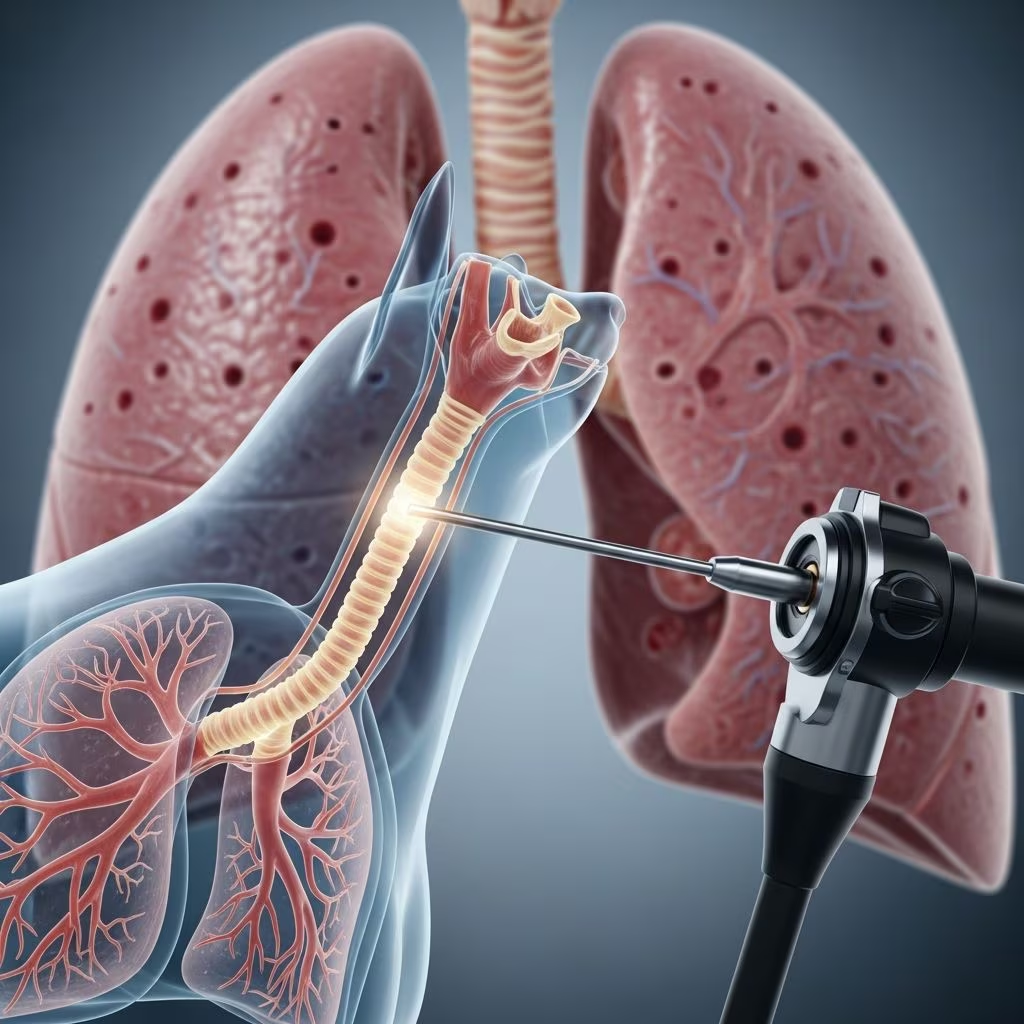
Bronchoscopy provides veterinarians with a direct view inside a dog’s trachea and bronchi, enabling precise diagnosis and treatment of respiratory issues. This minimally invasive technique uses a flexible scope to visualize airways, collect samples, and remove obstructions under anesthesia.
Understanding Bronchoscopy in Veterinary Practice
Bronchoscopy, also known as tracheobronchoscopy, involves inserting a thin, flexible tube equipped with a camera and light into the dog’s airways. This allows real-time inspection of the trachea, main bronchi, and smaller branches, identifying inflammation, infections, tumors, or foreign objects. Unlike traditional imaging like X-rays, it offers dynamic visualization and the ability to perform interventions during the exam.
The procedure is essential for dogs showing symptoms such as persistent coughing, wheezing, difficulty breathing, or exercise intolerance. It helps differentiate between conditions like chronic bronchitis, pneumonia, or tracheal collapse, guiding targeted therapies.
Types of Bronchoscopes Used for Dogs
Veterinarians select bronchoscope types based on the dog’s size and procedure needs. Flexible fiber-optic models are standard for their ability to navigate curved airways in small to large breeds. Rigid scopes suit specific cases, like extracting larger foreign bodies, though they are less common due to increased invasiveness.
- Fiber-optic bronchoscope: Thin, bendable tube with high-resolution camera for detailed airway navigation.
- Rigid bronchoscope: Stiffer design for therapeutic removals but limited flexibility.
Scope diameter matters; smaller ones (2-5mm) fit toy breeds, while larger (6-10mm) suit bigger dogs, ensuring safe passage without airway trauma.
When Bronchoscopy Becomes Necessary
Indications include unexplained respiratory distress, recurrent infections, or suspected masses. Common uses are:
- Retrieving inhaled grass seeds, toys, or food particles lodged in bronchi.
- Diagnosing inflammatory diseases like eosinophilic bronchitis or fungal infections.
- Obtaining biopsies for cancer screening or tissue analysis.
- Evaluating congenital defects such as bronchomalacia.
For chronic coughers, like those with five-month histories, bronchoscopy reveals hidden bronchial foreign bodies. Early intervention prevents complications like secondary pneumonia.
Preparing Your Dog for the Procedure
Preparation ensures safety under general anesthesia. Start with a full health check, including blood tests, chest X-rays, and heart evaluation to confirm suitability.
- Fast your dog: Withhold food 8-12 hours prior; water until 2-4 hours before to prevent aspiration.
- Review medications: Adjust or pause blood thinners or sedatives as advised.
- Pre-op imaging: Complete radiographs or CT scans for airway mapping.
Discuss risks with your vet, including anesthesia tolerance, especially in brachycephalic breeds prone to airway issues.
Detailed Walkthrough of the Bronchoscopy Process
The procedure unfolds in a sterile endoscopy suite with monitoring equipment tracking vitals.
| Step | Description | Key Monitoring |
|---|---|---|
| 1. Anesthesia Induction | IV drugs place dog in deep sleep; endotracheal tube inserted if needed. | Heart rate, oxygen saturation, blood pressure. |
| 2. Scope Insertion | Tube removed; bronchoscope passed via mouth, past larynx into trachea. | Laryngeal function, avoid spasms with local anesthetic. |
| 3. Airway Navigation | Advance to carina (tracheal split), then bronchi; inspect rings, membranes. | Mucosal integrity, dynamic breathing patterns. |
| 4. Sampling/Intervention | Flush saline, suction cells; biopsy forceps for tissue; grasp foreign bodies. | Chest coupage aids lavage recovery. |
| 5. Withdrawal & Recovery | Scope removed; reintubate, monitor wake-up in quiet area. | Respiratory effort, alertness return. |
Sternal positioning with head elevated facilitates scope passage; a mouth gag protects equipment. Total time: 20-60 minutes depending on findings.
Diagnostic Techniques During Bronchoscopy
Beyond visualization, vets perform bronchoalveolar lavage (BAL): saline instillation into bronchi, followed by suction for cytology. This yields cells revealing infection, allergy, or neoplasia. Biopsies target suspicious lesions; brushing collects surface samples. Protected catheter BAL minimizes contamination in distal airways.
In small dogs/cats, direct airway access skips tubes for full evaluation. Videos capture dynamic views, like ciliary motion or collapse.
Potential Risks and Complications
Though safe, risks include laryngospasm, bleeding from biopsies, or transient hypoxia. Anesthesia poses cardiac strain in compromised patients. Rare issues: scope-induced trauma or infection.
- Short-term: Coughing, mild fever post-lavage.
- Rare: Pneumothorax if deep sampling mishandled.
Board-certified specialists minimize these; pre-op optimization is key.
Post-Procedure Care and Recovery
Dogs recover in 1-2 hours, monitored for breathing stability. Discharge same day if uncomplicated.
- Soft food first 24 hours; monitor for coughing/blood.
- Rest; leash walks only to avoid excitement.
- Antibiotics if infection suspected; follow-up in 7-10 days.
Lab results (cytology, culture) arrive in 2-5 days, informing treatment like inhalers for asthma or surgery for masses.
Advancements and Future in Canine Bronchoscopy
High-definition scopes with ultrasound tips enhance imaging; AI aids pattern recognition for early disease. Portable units expand access beyond specialists. Combined with CT, it refines interventions like stent placement for collapses.
Common Questions About Dog Bronchoscopy
Is bronchoscopy painful for dogs?
No, general anesthesia ensures no pain; post-op meds control discomfort.
How much does it cost?
$1,000-$3,000 USD, varying by location, scope use, and add-ons like biopsies.
Can all dogs undergo it?
Most yes, but severe instability may require alternatives like BAL via tube.
What if a foreign body is found?
Often removed on-site; complex cases need surgery.
How accurate is it for diagnosis?
Highly, with BAL sensitivity >80% for infections/inflammation.
Choosing a Veterinary Specialist
Seek ACVIM-boarded internists or surgeons experienced in endoscopy. Facilities with video bronchoscopy and pathology labs offer comprehensive care.
Bronchoscopy transforms vague respiratory symptoms into actionable plans, improving quality of life for affected dogs.
References
- Bronchoscopy for Pets: Respiratory Diagnosis and Treatment — VetMed Utah. 2023. https://www.vetmedutah.com/post/bronchoscopy
- Bronchoscopy Vs Tracheoscopy — Veterinary Endoscopy. 2022. https://veterinaryendoscopy.co.uk/bronchoscopy-vs-tracheoscopy/
- Bronchoscopy: approaches to evaluation and sampling — Vet Times. 2024-02-15. https://www.vettimes.com/news/vets/small-animal-vets/bronchoscopy-approaches-to-evaluation-and-sampling
- Bronchoscopy — DC Veterinary Referral. 2023. https://www.dcvetreferral.com/services/bronchoscopy
- How to prepare and support the bronchoscopy patient — Veterinary Internal Medicine Nursing. 2022. https://www.veterinaryinternalmedicinenursing.com/blog/bronchoscopy
- Take a trip through a dog’s lungs with bronchoscopy — Animal Medical Center New York. 2021-05-12. https://www.amcny.org/blog/2021/05/12/take-a-trip-through-a-dogs-lungs-with-bronchoscopy/



