

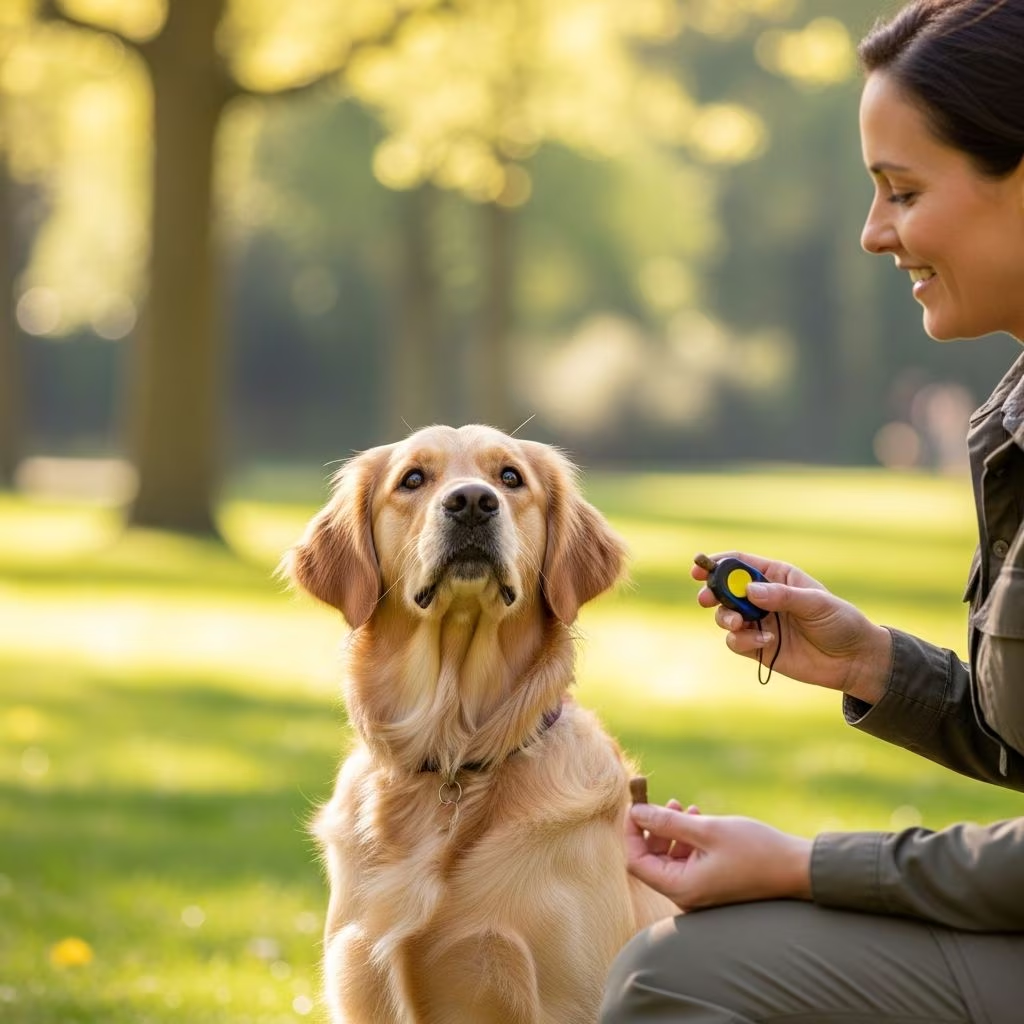
Effective dog training relies on understanding canine psychology and applying humane, evidence-based techniques to foster good behavior. Professional trainers emphasize methods that prioritize rewards over punishment, ensuring both dog and owner enjoy the process while achieving reliable results.
Foundations of Modern Dog Training
Today’s training approaches draw from fields like ethology, psychology, and behavior analysis to create customized plans for each dog’s needs. These methods focus on teaching what to do rather than what not to do, using rewards to encourage repetition of desired actions. Positive reinforcement stands out as the most endorsed technique by veterinarians and behaviorists, as it builds positive associations without fear or stress.
Core principles include starting simple, maintaining consistency, and keeping sessions brief to match a dog’s attention span. Early intervention helps establish habits, making long-term success easier regardless of age.
Positive Reinforcement: The Gold Standard
Positive reinforcement involves rewarding desired behaviors immediately with treats, toys, praise, or play, strengthening the link between action and outcome. This method avoids corrections, using tools like flat collars or harnesses instead of aversive devices.
- Identify high-value rewards your dog loves, such as small food pieces or a favorite toy.
- Mark the behavior precisely with a clicker or verbal cue like “yes” followed by the reward.
- Gradually fade rewards as the behavior solidifies, transitioning to intermittent reinforcement for reliability.
For basic commands like sit or stay, lure the dog into position, reward, and add a verbal cue. Consistency across family members prevents confusion.
Science-Driven Behavior Modification
Science-based training integrates operant and classical conditioning principles from research in animal behavior. Trainers assess the dog’s environment, history, and triggers to design targeted interventions. This approach is ethical, humane, and adaptable to issues like jumping or pulling.
Key techniques include:
- Counter-conditioning: Pairing a fear trigger with rewards to change emotional responses.
- Desensitization: Gradually exposing the dog to stimuli at low intensity.
- Shaping: Rewarding successive approximations toward complex behaviors.
Studies support its efficacy in professional settings like search and rescue, where precision matters.
Building a Strong Human-Dog Bond
Relationship-based training treats dogs as emotional beings capable of feelings akin to a young child’s. It emphasizes reading body language, providing clear feedback, and ensuring sessions are enjoyable. Start in low-distraction settings, progressing to challenging environments as skills develop.
Praise correct actions promptly and offer gentle guidance for errors, always prioritizing fun. If stress appears—through yawning, lip-licking, or avoidance—pause and reassess. This method strengthens trust, making dogs eager to learn.
Observational Learning Techniques
Model-rival training leverages dogs’ social instincts by having them watch proficient peers perform tasks. Without direct rewards, the dog learns through observation, finding intrinsic motivation in the activity itself. Useful for retrieval or herding, it excites dogs and accelerates learning when enthusiasm is positive.
Setup involves securing the observer dog safely while a demonstrator completes the task, repeating until imitation occurs. Combine with other methods for best results.
Balanced and LIMA Approaches
For complex cases, balanced training incorporates positive methods with minimal aversives if needed, though top practitioners lean heavily on rewards. LIMA (Least Intrusive, Minimally Aversive) starts with the gentlest options, escalating only as evidence dictates, tailoring to the dog and family.
| Method | Focus | Tools | Best For |
|---|---|---|---|
| Positive Reinforcement | Rewards only | Treats, toys, harnesses | Basic obedience, puppies |
| Science-Based | Conditioning principles | Clickers, environmental setup | Behavior problems |
| Relationship-Based | Emotional bonding | Praise, play | All ages, trust-building |
| Balanced/LIMA | Pragmatic mix | Varied, minimally aversive | Stubborn cases |
Practical Tips for Everyday Success
Success hinges on execution. Schedule 5-15 minute sessions multiple times daily, varying activities to sustain interest. Practice in real-world scenarios post-mastery in quiet spaces. Patience is vital—progress varies by breed, age, and history.
- Minimize distractions initially for focus.
- End on a high note with play.
- Track progress in a journal to spot patterns.
Common Training Pitfalls to Avoid
Many owners undermine efforts unintentionally. Punishment like yelling or shock collars fosters fear and aggression, damaging trust. Inconsistency confuses dogs, while overly long sessions lead to frustration. Repetition without rewards dulls motivation.
Instead, redirect unwanted behaviors and reward alternatives. Seek professional help for aggression or severe anxiety, prioritizing in-home sessions for context-specific solutions.
Advanced Applications and Tools
Beyond basics, apply methods to agility, scent work, or loose-leash walking. Clickers provide precise timing, while long lines ensure safety during recalls. Choose trainers with proven results, open to questions, and focused on teaching over correcting.
For multi-dog homes, train individually first, then together to manage dynamics.
FAQs
What age is best to start training?
Puppies benefit from early habits, but adults learn equally well with patience.
Can I train without treats?
Yes, use play or access to fun activities, but food accelerates initial learning.
How do I handle setbacks?
Return to basics, shorten sessions, and ensure consistency. Consult pros if stuck.
Is professional help necessary?
Not always, but ideal for specific issues like reactivity.
What if my dog ignores commands?
Check for value in rewards, reduce distractions, and practice more.
Choosing the Right Trainer
Look for force-free advocates using positive methods, with client testimonials and flexible tools. In-home training excels for real-life application. Verify credentials from bodies like the Certification Council for Professional Dog Trainers.
References
- Common Dog Training Methods and Their Pros and Cons — Astro Loyalty. 2023. https://www.astroloyalty.com/common-dog-training-methods-and-their-pros-and-cons/
- Top 10 Dog Training Tips — Small Door Veterinary. 2023. https://www.smalldoorvet.com/learning-center/behavior/top-10-dog-training-tips
- Dog Training Methods and Beliefs — DeMarinis Dog Training. 2023. https://www.demarinisdogtraining.com/blog/dog-training-methods-and-beliefs-what-are-the-differences
- 5 Tips for Successful Dog Training — Virginia Tech Vet Med. 2023-01-01. https://vetmed.vt.edu/news/2023/dog-training-tips.html
- Which Dog Training Method is the Best? — Pack Leader Help. 2023. https://www.packleaderhelp.com/post/which-dog-training-method-is-the-best
- Understanding the Different Methods of Training Dogs — Noel Hoffmann. 2023. https://noelhoffmann.com/understanding-the-different-methods-of-training-dogs/
- How to Train Your Dog & Top Training Tips — RSPCA. 2023. https://www.rspca.org.uk/adviceandwelfare/pets/dogs/training



