

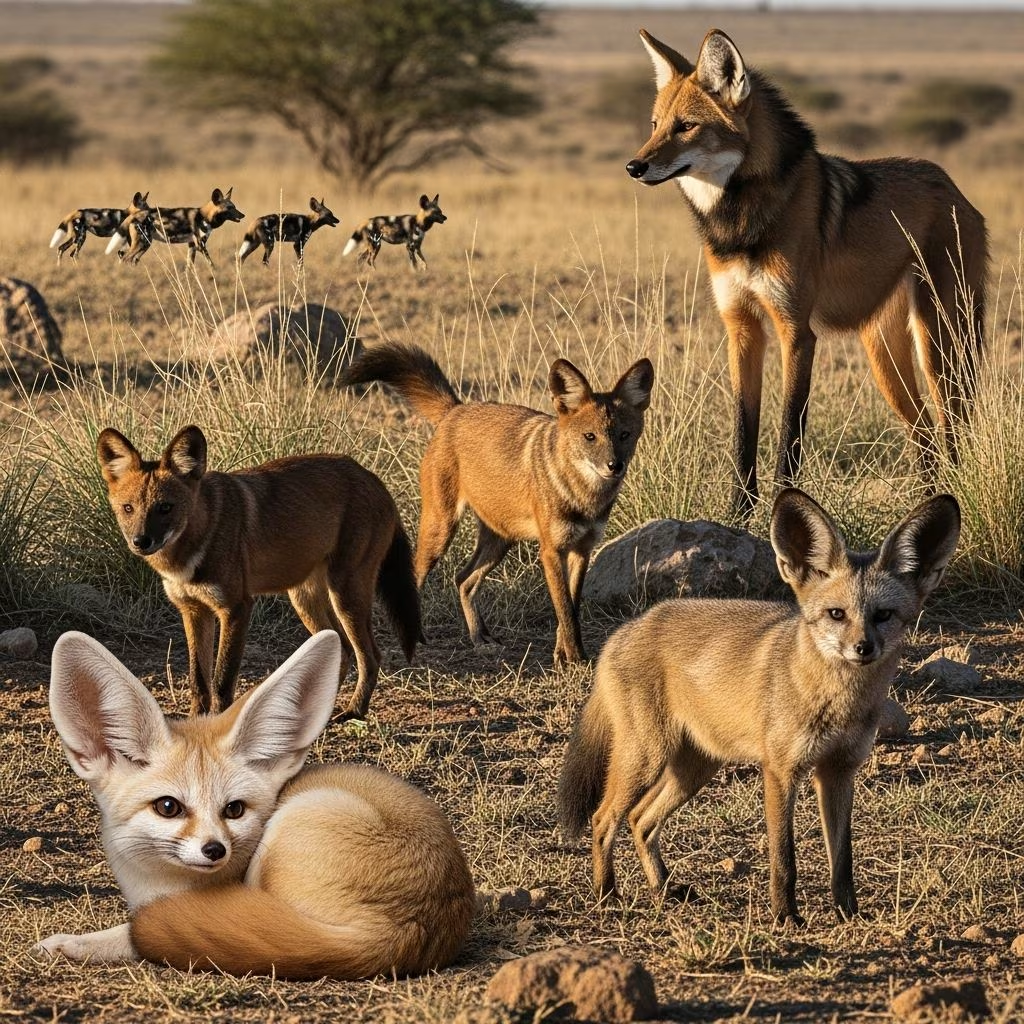
While domestic dogs fill homes worldwide, a niche group of enthusiasts turns to wild canids—species closely related to dogs but originating from untamed environments. These animals, such as desert foxes and highland singers, captivate with their primal traits, yet demand extraordinary commitment. This article delves into their biology, husbandry challenges, and ownership feasibility.
The Appeal of Primal Companions
Wild canids draw owners seeking novelty beyond breeds like Labradors. Their sleek forms, acute senses, and independent spirits echo ancient wolves. Fennec foxes, for instance, thrive in arid sands, their oversized ears dissipating heat while amplifying sounds. Similarly, species like the pale fox evade predators through camouflage in Sahel dunes. Owners prize these traits for an authentic bond with nature.
However, appeal fades against reality. Unlike domesticated pets, wild canids retain instincts for roaming vast territories. They require enclosures mimicking habitats—secure, enriched spaces preventing escapes or stress. Diets must replicate wild menus: insects, rodents, fruits for foxes; varied proteins for jackals. Enrichment combats boredom, channeling high energy into puzzles and hunts.
Key Species in Private Collections
Several wild canids appear in exotic pet trades, each with distinct profiles.
- Fennec Fox (Vulpes zerda): Native to North African Sahara, this tiny canid weighs 2-3 pounds. Its cream fur and bat-like ears suit sandy camouflage. Pet owners note curiosity and playfulness, but nocturnal habits disrupt sleep. Secure outdoor pens with burrowing substrate are essential.
- New Guinea Singing Dog: Hailing from Papua New Guinea highlands, these rare canids emit yodel-like calls, not barks. Genetically akin to dingoes, debate persists on domestication status—wild-tamed or primitive breed. Limited captive history demands vigilant socialization.
- Pale Fox (Alopex lagopus): Sahel dweller with pale coat for desert blending. Slender build aids evasion; pets need vast runs and dust baths. High energy exceeds many homes’ capacities.
- Black-Backed Jackal (Lupulella mesomelas): African savanna icon with black saddle fur. Intelligent hunters, they adapt somewhat but demand space and stimulation. Occasional sales highlight rarity in captivity.
Other mentions include Cape foxes, needing curiosity outlets, and raccoon dogs (Nyctereutes procyonoides), banned widely due to invasiveness despite adaptability.
Care Demands Beyond Domestic Norms
Housing tops challenges. Wild canids reject crates; they need 1000+ square foot enclosures with climbing, digging, and hiding zones. Fencing must thwart digging experts like fennecs—concrete bases or buried mesh.
Nutrition varies: fennecs favor insects (70% diet), rodents, veggies; singing dogs require raw meats mirroring highland prey. Commercial kibble falls short; vets specializing in exotics guide balances. Water sources mimic streams—drip systems encourage natural lapping.
Health monitoring intensifies. Parasites from wild diets, dental issues from carnivory, and genetic bottlenecks plague captives. Annual exams by exotic vets cost premiums; vaccinations adapt from dog protocols.
| Species | Habitat Needs | Diet Staples | Enrichment Ideas |
|---|---|---|---|
| Fennec Fox | Arid, burrow-rich | Insects, small prey | Digging pits, scent games |
| Singing Dog | Highland forested | Raw meat, organs | Agility courses, vocal play |
| Pale Fox | Desert open | Rodents, fruits | Dust baths, chase toys |
| Jackal | Savanna mixed | Carrion, live kills | Hunt simulations |
Legal Landscapes and Restrictions
Ownership legality fragments globally. In the US, states vary: fennecs legal in many sans permit; singing dogs face CITES scrutiny as endangered-adjacent. UK bans raccoon dogs as invasives; US mirrors with federal prohibitions.
Hybrids complicate: wolfdogs (wolf-domestic crosses) require licenses under UK’s Dangerous Wild Animals Act for F1 generations. Later gens legal but discouraged—primal urges clash domestic life. Owners navigate permits, inspections, zoning—barriers deterring casuals.
Conservation ties bind: exporting wild-caught specimens violates CITES. Captive-bred proof essential; breeders scarce, inflating costs ($2000-$15000).
Behavioral Quirks and Training Trials
Wild canids defy leash walks. High prey drives chase cats, kids; recall falters sans packs. Positive reinforcement works—clickers, treats—but patience reigns. Socialization windows narrow post-weaning.
Nocturnal fennecs party nights; diurnal jackals patrol dawns. Vocalizations—yodels, howls—irk neighbors. Bonding forms slowly; loyalty profound yet independent, rejecting subservience.
Ethical Considerations in Captivity
Critics argue wild spirits suffer domestication. Stress manifests: pacing, self-harm, aggression. Sanctuaries swell with rehomes; lifespans shorten sans herds. Ethical owners prioritize welfare: vast spaces, natural diets, no breeding amplifying rarities.
Alternatives abound: volunteer zoos, support conservations. Domestic primitives like Canaan Dogs offer wild-esque vigor legally. Bred from Negev ferals, they guard, herd, sans exotics’ perils.
Health and Veterinary Realities
Exotic vets sparse; emergencies daunting. Distemper variants ravage; spaying ethical quandary for packs. Lifespans: fennecs 10-15 years captive; singing dogs parallel dingoes (12-14).
Costs soar: enclosures $5000+, food $100/month, vets $300/visit. Insurance rare; budgets strain.
Success Stories and Cautionary Tales
Rare triumphs exist: dedicated owners craft fox-proof yards, train yodels to cues. YouTube showcases enriched lives. Yet failures dominate—escapes, bites, surrenders. Forums echo regrets: “High energy overwhelmed us.”
Alternatives to True Wild Canids
- Primitive Breeds: Kai Ken (Japan’s tiger dog)—brindle, agile, trainable.
- Canaan Dog: Vigilant, athletic from Israeli deserts.
- Telomian: Malaysian rainforest primitive, yodels like basenjis.
These blend wild allure with domestication, easing care.
Frequently Asked Questions
Can fennec foxes be house-trained?
Partially—litter boxes work young, but instincts prevail. Outdoor access mandatory.
Are singing dogs good with kids?
Selective; early exposure helps, but supervision essential due to independence.
What enclosures suit jackals?
Minimum 20×20 feet, 8-foot fences, roofs—escape artists.
Why ban raccoon dogs?
Invasive potential; prolific breeders disrupt ecosystems.
Do wild canids bond like dogs?
Yes, but on terms—affection earned via respect, not commands.
References
- 6 UNIQUE Exotic Canids Kept as Pets — YouTube (Exotic Pets channel). 2023-10-15. https://www.youtube.com/watch?v=JUS9c4xC8fg
- 20 Rare Dog Breeds You’ve Probably Never Heard Of — Basepaws. 2024-05-20. https://basepaws.com/blog/20-rare-dog-breeds
- 10 Types Of Wild Dogs — A-Z Animals. 2023-11-10. https://a-z-animals.com/animals/lists/types-of-wild-dogs/
- Keeping hybrid breeds as pets — PDSA (People’s Dispensary for Sick Animals). 2025-01-15. https://www.pdsa.org.uk/pet-help-and-advice/looking-after-your-pet/all-pets/hybrid-breeds



