

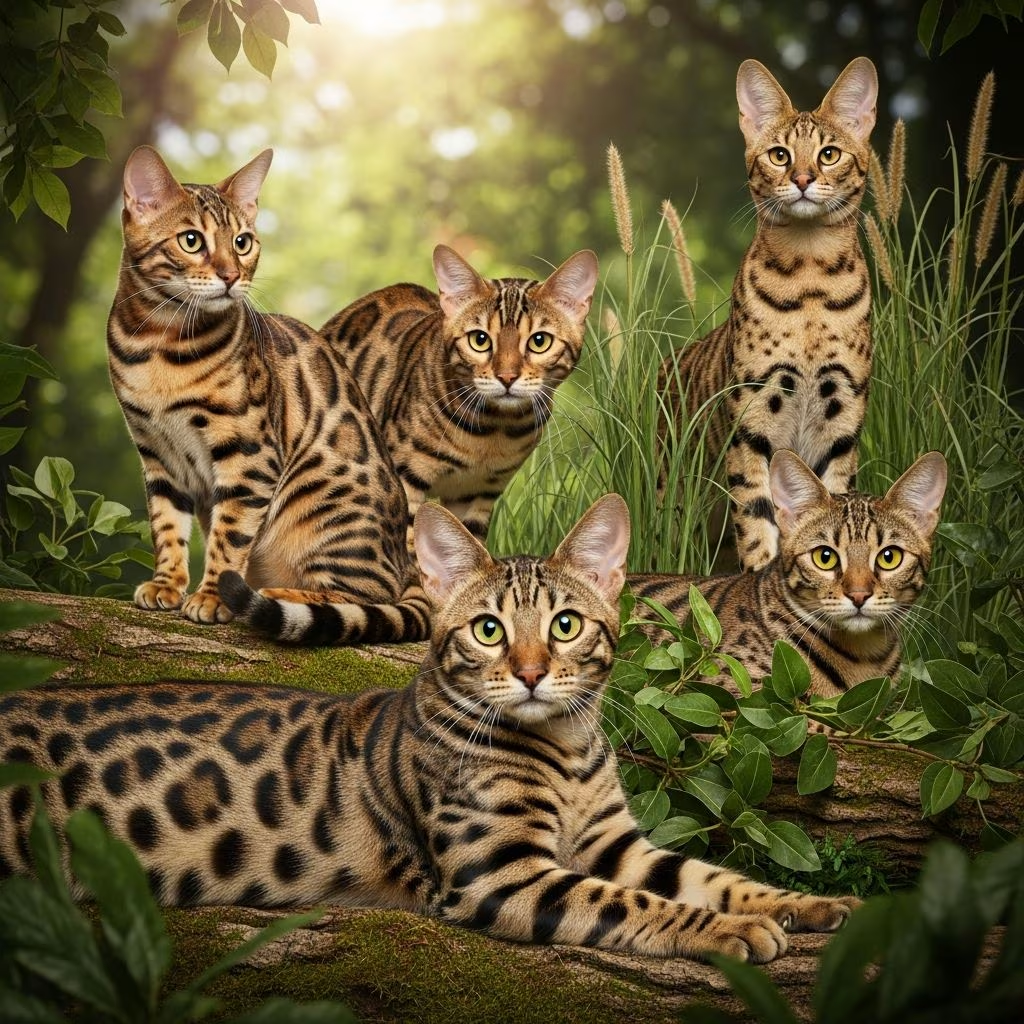
The feline world offers remarkable diversity, and among the most visually striking are cats bearing spotted coats reminiscent of their wild ancestors. While spots appear more commonly in wild big cats, domestic cats displaying these patterns remain relatively uncommon, making them particularly prized by enthusiasts seeking exotic-looking companions. The spotted coat pattern represents a distinctive variation of tabby markings and has become increasingly popular as breeders develop new hybrid lines combining domestic cats with wild species.
The Rarity and Appeal of Spotted Domestic Cats
Spotted coat patterns in domestic felines exist far less frequently than stripes or other tabby variations, contributing to their exclusivity and desirability among cat lovers. This relative scarcity stems from the genetic factors required to produce consistent spotting, particularly the prominent rosette markings found in certain breeds. The growing trend toward acquiring cats that visually resemble their wild counterparts has driven increased interest in spotted breeds, making them highly sought after despite their elevated costs and limited availability in many regions.
The distinction between spotted patterns and other tabby variations is significant—true spots differ from mackerel or classic tabby stripes in their formation and appearance. Some breeds display perfectly round spots, while others exhibit elongated markings or rose-shaped rosettes that echo the patterns of leopards and jaguars. This diversity in spotting patterns contributes to the wide range of appearances found across different spotted breeds.
The Bengal: Pioneering the Spotted Hybrid Revolution
The Bengal stands as perhaps the most recognizable member of the spotted cat family, developed in the 1980s through deliberate crosses between Asian Leopard Cats and domestic felines. These cats achieve a miniature leopard-like appearance through selective breeding, resulting in athletic builds and muscular frames covered in distinctive rosette spots—markings unique to Bengals among domestic cats. The rosette pattern mimics the spots found on wild leopards and ocelots, providing an authentic wild appearance in a domestic package.
Bengals exhibit remarkable intelligence and social adaptability despite their wild ancestry. These cats thrive on human interaction, forming strong bonds with their owners and demonstrating trainability uncommon in most feline breeds. Their high energy levels mean they require vertical spaces, climbing opportunities, and regular engagement to prevent boredom and destructive behaviors. The breed comes in multiple color variations including seal sepia, seal mink, and seal lynx point, each combining distinctive background colors with contrasting spot coloration.
The Bengal’s dense, pelt-like fur requires minimal grooming compared to longer-haired breeds, though regular brushing helps maintain coat health. These cats particularly enjoy water play and interactive toys that stimulate their hunting instincts. Their athletic nature means they can jump remarkable distances and climb with impressive agility, making secure outdoor enclosures or catios essential for owners wanting to provide outdoor experiences safely.
Egyptian Mau: The Natural Spotted Wonder
Among spotted breeds, the Egyptian Mau holds special distinction as a naturally occurring spotted breed without hybridization with wild cats. Originating in Egypt and further developed in Italy and the United States, this breed represents an ancient lineage with roots stretching back centuries. Egyptian Maus display randomly scattered spots rather than the organized patterns seen in hybrid breeds, creating a unique aesthetic that appeals to those seeking natural rather than engineered spotting.
These medium-sized cats present striking physical characteristics including brilliant green eyes and a graceful, athletic build. The breed appears in three primary color variations: smoke (dark gray base with darker spots), silver (pale gray or white base with dark spots), and bronze (warm brown base with darker spots). Their spots vary in placement and intensity, with no two cats displaying identical patterns—a characteristic that adds to their individual appeal.
Egyptian Maus demonstrate moderate energy levels and form strong bonds with dedicated owners, though they may exhibit initial wariness toward strangers. They possess gentle temperaments when properly socialized from kittenhood and adapt well to family environments. The breed requires regular interactive play and mental stimulation to prevent behavioral issues, though they generally need less intensive activity than hybrid spotted breeds like Bengals.
The Ocicat: Muscular Spotted Athletes
The Ocicat represents another significant spotted breed, developed through multi-breed crosses designed to capture the appearance of wild ocelots without wild ancestry. These muscular, powerfully built cats feature strong legs and distinctive spotted markings that may sometimes appear elongated, resembling stripes in certain lighting or angles. Ocicats possess loyal, loving dispositions and bond closely with their human families, displaying dog-like tendencies including the ability to learn commands and walks on leashes.
Despite their muscular, formidable appearance, Ocicats prove to be affectionate and social companions. They thrive in interactive environments where they receive regular human attention and enjoy interactive play sessions. Like Bengals, Ocicats demonstrate considerable intelligence and require environmental enrichment to maintain behavioral health. Their spotted coats require regular grooming, and they benefit from vertical spaces and climbing structures supporting their athletic nature.
The Savannah: Desert-Born Athletic Beauty
The Savannah emerged in the 1980s through crosses between Serval wild cats and domestic felines, creating a large, athletic breed with distinctive physical characteristics. These imposing cats feature distinctive black noses, back stripes, and spots that may appear round, oval, or elongated depending on individual variation. Savannahs demonstrate exceptional athletic capability, including near-eight-foot jumping ability that astounds owners and requires substantial vertical space and secure containment.
Despite their rarity and limited recognition outside specialized breeding circles, Savannahs have gradually gained popularity among those seeking truly distinctive pets. The breed requires daily interaction with owners and thrives in environments providing both physical and mental challenges. Their spotted coats combine beautifully with their tall, lean builds and large, pointed ears inherited from Serval ancestry, creating an unmistakably exotic appearance that draws admiration.
Savannahs demand experienced ownership and substantial commitment to their exercise and enrichment needs. These cats are not suitable for sedentary lifestyles or owners unable to provide regular engagement and environmental complexity. Their sociability means they bond strongly with families but may struggle with extended periods of solitude.
The Pixie-Bob: Spotted Domestic Brawlers
The Pixie-Bob presents a distinctive profile among spotted breeds, featuring a characteristic bobbed tail and sturdy, muscular build suggesting a formidable competitor in a feline fight. These large domestic cats display small spots over typically tabby-patterned coats, with brown or green eye coloring. A remarkable genetic trait in this breed involves polydactylism—the presence of one or more extra digits on their feet—found in many examples of the breed.
Originating in the 1980s, the Pixie-Bob remains largely recognized within the United States while struggling to gain international acceptance. These cats display laid-back, intelligent, and friendly temperaments, proving robust enough to interact safely with young children. Their dog-like nature means they often accept leash training, allowing owners to walk them like canine companions—a distinctive characteristic that appeals to those seeking less-typical feline companions.
Short or long hair variations exist within the breed, both requiring regular grooming to maintain coat health. Their sturdy builds and confident personalities make them excellent family cats capable of handling busy households with multiple pets and active children.
Additional Spotted Breeds Worth Considering
Beyond these primary spotted breeds, several other felines display spotted coats worth mentioning. The Oriental Shorthair, representing the Siamese family, features spotted variations alongside its characteristic large ears and elegant build. These cats produce unusual vocalizations resembling goose honking rather than typical meows and may suffer from separation anxiety, making companionship or multi-cat households beneficial.
The California Spangled combines spotted and striped patterns while intentionally designed to resemble miniature wild cats. Created through crosses involving Abyssinian, American Shorthair, British Shorthair, Siamese, and Angora breeds, these medium-to-large cats display adventurous, active personalities perfect for hiking companions. Their green or yellow eyes and spotted-striped coats create striking appearances while their energy levels require mental stimulation and regular engagement.
More accessible options for those seeking spotted cats include common breeds occasionally displaying spotted tabby patterns, such as British Shorthairs, Exotic Shorthairs, LaPerms, and American Bobtails. While these breeds may lack the dramatic wild appearance of specialized spotted varieties, they offer affordability and more readily available sourcing without supporting potentially problematic hybrid breeding.
Care Considerations for Spotted Cat Breeds
Spotted cat breeds generally require more attention and resources than traditional domestic cats, particularly hybrid varieties combining wild and domestic genetics. These cats typically demand ample playtime, mental stimulation, and vertical environmental enrichment to prevent behavioral problems and maintain psychological well-being. Regular veterinary check-ups prove essential, particularly for hybrid breeds that may have genetic health considerations.
Grooming requirements vary by breed—short-coated varieties need regular brushing to remove loose hair and maintain skin health, while long-coated spotted breeds may require more frequent grooming sessions. Most spotted breeds benefit from interactive toys, climbing structures, and environmental complexity supporting their often-heightened activity levels and intelligence.
Finding reputable breeders represents a critical consideration when acquiring spotted cat breeds. The rarity and desirability of these cats means irresponsible breeders may prioritize aesthetics over health, genetic testing, and appropriate breeding practices. Prospective owners should research extensively, request health certifications, and ensure ethical treatment of breeding animals before committing to purchase.
Frequently Asked Questions About Spotted Cats
- Are spotted domestic cats truly descended from wild cats?
- Many spotted breeds result from crosses between wild species and domestic cats, particularly Bengals (Asian Leopard Cat) and Savannahs (Serval). However, some breeds like the Egyptian Mau represent naturally occurring spotted varieties without recent wild hybridization.
- Do spotted cats make good family pets?
- This depends on the specific breed and individual cat. Bengals, Ocicats, and Pixie-Bobs generally adapt well to family environments when properly socialized. Savannahs require experienced ownership and significant environmental resources. All spotted breeds benefit from families understanding and meeting their heightened activity and enrichment requirements.
- How much do spotted cat breeds cost?
- Prices vary substantially depending on breed rarity, breeder reputation, and individual cat quality. Bengals and Egyptian Maus typically range from $600-$3,000, while rarer breeds like Savannahs may cost $2,000-$5,000 or more from reputable breeders.
- Can you find spotted cats in shelters?
- Purebred spotted cats rarely appear in shelters due to their cost and desirability. However, domestic cats displaying spotted tabby patterns do occasionally become available through adoption agencies, offering more affordable options.
- What legal restrictions exist for owning spotted cat breeds?
- Some jurisdictions restrict hybrid cats, particularly early-generation Savannahs, due to their wild ancestry. Research local regulations before acquiring hybrid breeds, as legal status varies by location.
Conclusion: Finding Your Spotted Feline Companion
Spotted cat breeds offer remarkable opportunities for those seeking visually distinctive companions with engaging personalities and dynamic temperaments. From the iconic Bengal with its leopard-like rosette spots to the naturally occurring Egyptian Mau and the dog-like Pixie-Bob, these breeds provide diverse options meeting different lifestyle needs and preferences. Understanding each breed’s origins, characteristics, and care requirements proves essential before making the significant commitment that spotted cat ownership entails.
Whether choosing a hybrid breed with wild ancestry or a naturally spotted variety, prospective owners should prioritize connecting with ethical breeders committed to health, temperament, and responsible breeding practices. The investment in a spotted cat breed extends beyond the initial purchase price to encompass ongoing enrichment, veterinary care, and time commitment these extraordinary felines require. For dedicated cat enthusiasts prepared to provide appropriate care and engagement, spotted breeds offer unmatched beauty and personality in the domestic feline world.
References
- Bengal Cat Breed Information — The International Cat Association (TICA). Accessed January 2026. https://www.tica.org/
- Egyptian Mau Breed Standards — Governing Council of the Cat Fancy (GCCF). Accessed January 2026. https://www.gccfcats.org/
- Savannah Cat Development and Characteristics — The International Cat Association (TICA). Accessed January 2026. https://www.tica.org/
- Domestic Cat Genetic Color and Pattern — Journal of Feline Medicine and Surgery, Elsevier. 2023. https://www.journals.elsevier.com/journal-of-feline-medicine-and-surgery
- Hybrid Cat Breed Health Considerations — American Veterinary Medical Association (AVMA). Accessed January 2026. https://www.avma.org/
- Cat Breed Recognition Standards Comparison — Cat Fanciers’ Association (CFA). Accessed January 2026. https://www.cfa.org/



