

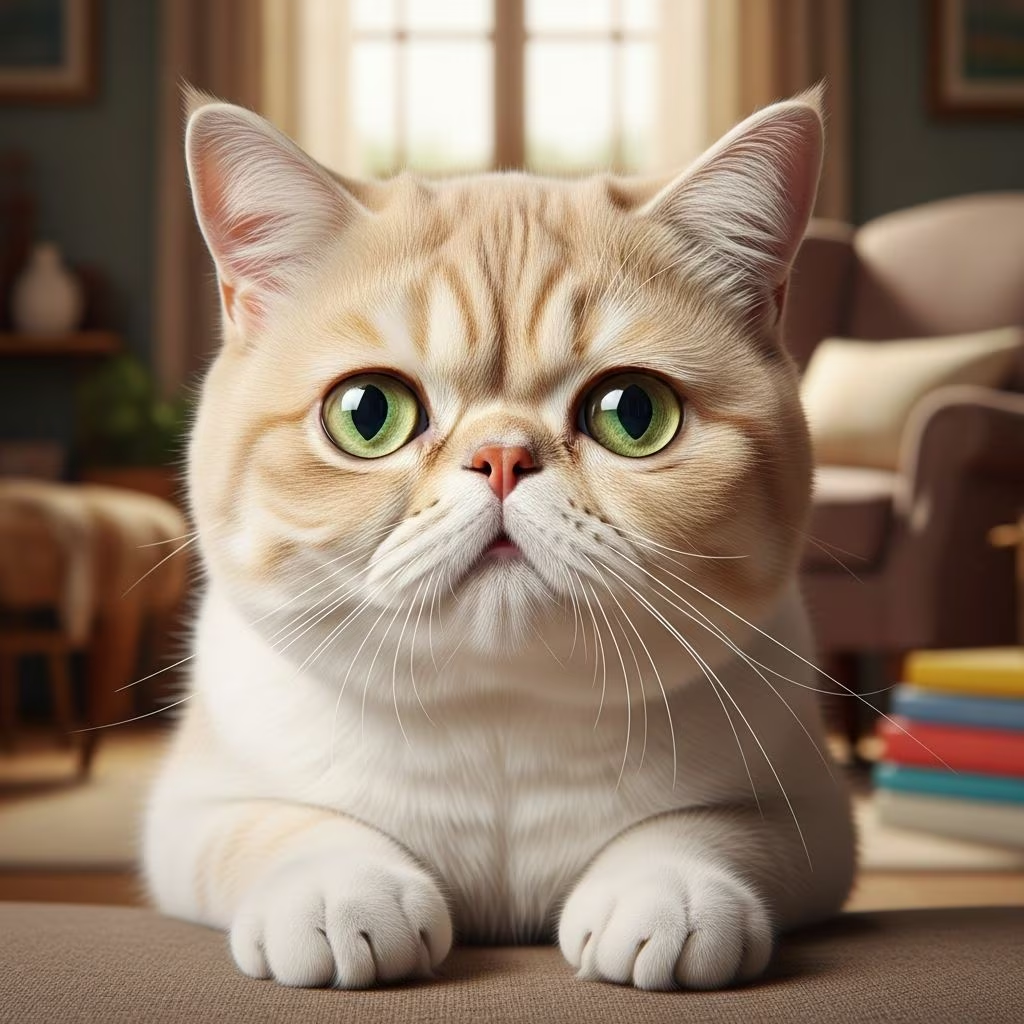
Exotic Shorthair cats, cherished for their plush coats and endearing teddy bear faces, face unique health vulnerabilities due to their distinctive brachycephalic structure and genetic background. These medium-sized felines, with their compact bodies and large round eyes, often inherit conditions linked to their Persian ancestry, requiring vigilant care from owners.
Understanding the Breed’s Physical Traits and Vulnerabilities
The Exotic Shorthair boasts a stocky build, featuring a broad head, short muzzle, small rounded ears, and dense short fur that stands out thanks to a thick undercoat. Their sturdy legs support a deep-chested body, while large paws and a short tail complete their rounded silhouette. This conformation, while adorable, predisposes them to several issues. The flattened face restricts airways, leading to chronic respiratory strain, and their prominent eyes are prone to irritation. Owners must recognize these traits as potential health flags from kittenhood.
Respiratory Challenges in Brachycephalic Cats
Brachycephalic breeds like the Exotic Shorthair suffer from narrowed nostrils, elongated soft palates, and narrow windpipes, causing labored breathing, snoring, and heat intolerance. These cats often pant excessively during play or in warm environments, increasing exhaustion risk. Severe cases may necessitate surgical corrections to widen nostrils or shorten palates, improving airflow and quality of life.
- Signs to monitor: Noisy breathing, mouth breathing, blue gums during exertion.
- Prevention: Keep environments cool, avoid obesity, limit strenuous activity in heat.
Regular veterinary assessments can detect progressive narrowing early, preventing emergencies.
Eye Conditions and Daily Maintenance
Exotic Shorthairs’ large, protruding eyes paired with shallow eye sockets result in constant tearing and poor tear duct drainage. This leads to epiphora, where overflow tears stain fur and foster bacterial infections like conjunctivitis. Corneal ulcers from eyelid misalignment (entropion) are also common, causing pain and vision impairment if untreated.
| Common Eye Issue | Symptoms | Treatment Options |
|---|---|---|
| Epiphora | Watery eyes, brown tear staining | Gentle cleaning, prescription ointments |
| Corneal Ulcers | Squinting, pawing at eyes, cloudiness | Antibiotics, protective collars, surgery if chronic |
| Entropion | Redness, discharge, sensitivity to light | Surgical correction of eyelids |
Daily eye wiping with vet-approved solutions prevents buildup, while annual exams catch ulcers via fluorescein staining.
Understanding Polycystic Kidney Disease (PKD)
A hereditary concern in Persian-derived breeds, PKD involves fluid-filled cysts forming in the kidneys, potentially leading to organ enlargement and failure. Many Exotic Shorthairs carry the gene, with cysts detectable via ultrasound as early as 10 months. Early screening allows breeders to avoid affected lines, and affected cats benefit from low-protein diets and blood pressure management to slow progression.
Symptoms emerge late: increased thirst, weight loss, vomiting. Routine ultrasounds from reputable breeders confirm PKD-negative status before adoption.
Obesity Management for Sedentary Lifestyles
With their calm, low-energy demeanor, Exotic Shorthairs gain weight easily on standard diets. Their stocky frames hide fat accumulation, raising risks for diabetes, arthritis, and heart strain. Ideal weight maintenance involves portion-controlled, high-protein food and interactive play sessions.
- Measure food precisely using body condition scoring.
- Incorporate puzzle feeders and wand toys to boost activity without overexertion.
- Schedule bi-annual weight checks with vets.
Aim for 8-11 year lifespans by preventing obesity-related comorbidities.
Dental Health and Jaw-Related Problems
The short muzzle crowds teeth, promoting malocclusion, plaque, and periodontal disease. Brachycephalic jaw deformities hinder chewing, leading to selective eating and nutritional gaps. Dental cleanings under anesthesia remove tartar, while daily brushing with enzymatic toothpaste preserves enamel.
Owners note softer kibble eases mastication. Annual oral exams identify resorption lesions common in the breed.
Skin and Coat Care Essentials
Thick undercoats trap oils and debris, fostering dermatitis, especially in facial folds. Weekly brushing distributes sebum, preventing mats and hotspots. Monitor for ringworm or allergies manifesting as itchy patches.
Heart Conditions and Monitoring
Hypertrophic cardiomyopathy (HCM) appears sporadically, thickening heart walls and risking sudden death. Annual echocardiograms detect thickening early, with medications like beta-blockers extending life. Genetics play a role, underscoring breeder health testing.
Proactive Wellness Strategies
Nutrition Tailored to Needs
High-quality, moderate-calorie diets support kidney health and weight control. Wet food aids hydration, crucial for PKD-prone cats. Avoid free-feeding to curb overeating.
Exercise Routines for Gentle Play
Short, frequent sessions with laser pointers or balls mimic hunting without respiratory stress. Vertical spaces like cat trees encourage movement safely.
Veterinary Schedule and Screenings
Kittens need deworming, vaccines, and PKD ultrasound. Adults require bi-annual exams, bloodwork for kidney function, and dental checks. Spaying/neutering prevents cancers.
Genetic Screening for Responsible Breeding
Reputable breeders test for PKD via ultrasound and HCM via DNA. Avoid lines with health histories. Adoption from rescues demands full vet histories.
FAQs on Exotic Shorthair Health
How can I tell if my Exotic Shorthair has breathing issues?
Look for snoring, gagging, or reluctance to exercise. Consult a vet for airway evaluation.
Is PKD curable in Exotic Shorthairs?
No, but early detection via ultrasound allows management to delay kidney failure.
How often should I groom my Exotic Shorthair’s eyes?
Daily cleaning prevents staining and infections.
What’s the average lifespan of an Exotic Shorthair?
8-11 years with proper care, though health issues can shorten it.
Are Exotic Shorthairs good for apartments?
Yes, their quiet, low-activity nature suits small spaces.
Long-Term Care for Optimal Vitality
Exotic Shorthairs thrive with dedicated routines emphasizing prevention. Their affectionate, laid-back personalities reward owners’ efforts with loyal companionship. By addressing breed-specific risks through diet, grooming, and vet partnerships, these charming cats can enjoy fuller lives.
References
- Exotic Shorthair Cat Breed Information — Purina UK. 2023. https://www.purina.co.uk/find-a-pet/cat-breeds/exotic-shorthair
- What To Know About the Exotic Shorthair — WebMD. 2024-01-15. https://www.webmd.com/pets/cats/what-to-know-exotic-shorthair
- Exotic Shorthair Personality: How Do Exotic Shorthairs Act? — Litter-Robot. 2024. https://www.litter-robot.com/blog/exotic-shorthair-personality/
- Exotic Shorthair Personality and Health — ASPCA Pet Insurance. 2023-05-10. https://www.aspcapetinsurance.com/resources/exotic-shorthair/
- Exotic Shorthair Cat Breed Health and Care — PetMD. 2025-03-20. https://www.petmd.com/cat/breeds/exotic-shorthair
- Exotic — The Cat Fanciers’ Association. 2024. https://cfa.org/breed/exotic/
- Exotic Shorthair — VCA Animal Hospitals. 2024-11-05. https://vcahospitals.com/know-your-pet/cat-breeds/exotic-shorthair



