

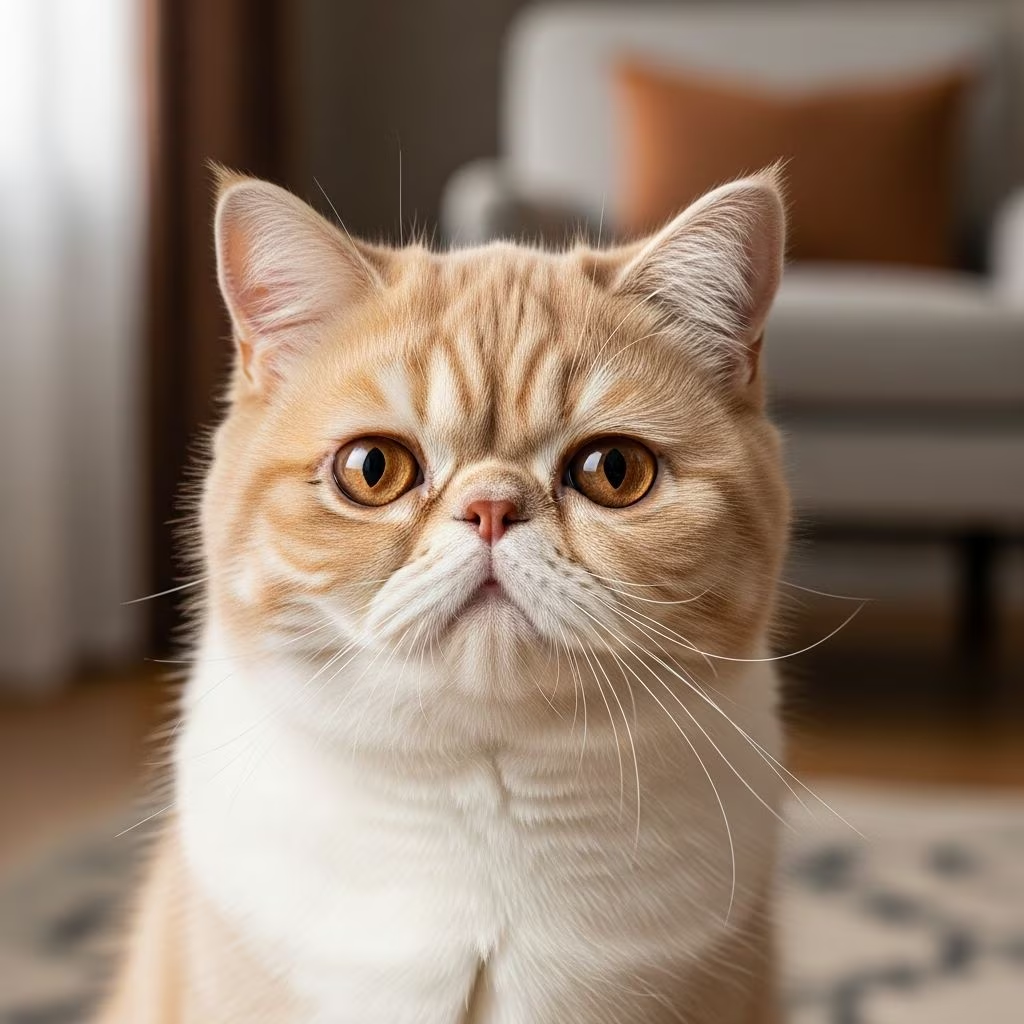
Exotic Shorthair cats captivate hearts with their endearing, rounded features and serene demeanor, often likened to living stuffed animals. Developed as a short-haired alternative to the luxurious Persian, this breed combines plush aesthetics with a more manageable coat, making them a favorite among cat enthusiasts seeking affection without excessive upkeep.
Origins and Development of the Breed
The Exotic Shorthair emerged in the mid-20th century in the United States, primarily through strategic crossings between Persian cats and American Shorthairs. Breeders aimed to preserve the Persian’s signature flat face, massive head, and sweet expression while introducing the Shorthair’s dense, low-shedding fur. By the 1960s, the Cat Fanciers’ Association (CFA) recognized the breed, solidifying its place in competitive showing and as a beloved pet.
Early litters revealed kittens with unexpectedly short coats, sparking deliberate breeding programs. Over decades, refinements ensured the Exotic retained the Persian’s cobby build and gentle vibe but gained vitality from Shorthair influences. Today, they thrive worldwide, celebrated for blending elegance and playfulness.
Physical Characteristics and Appearance
Exotics boast a compact, muscular frame that exudes solidity without bulkiness. Males typically weigh 8-15 pounds, females slightly less, supported by short, sturdy legs and large, rounded paws ideal for soft landings during playful pounces.
Their head is the star: massively round with a broad skull, small wide-set ears, and enormous, luminous eyes in shades of green, blue, copper, or odd-eyed combinations. A short muzzle imparts a perpetually curious, slightly pouty look, softened by whisker pads that enhance their teddy bear allure.
The coat defines the breed—short, exceptionally thick, and plush, standing away from the body thanks to a dense undercoat. Colors and patterns vary widely: solids like black or white, tabbies, bi-colors, and even pointed varieties akin to Himalayans. The tail is short and bushy, adding to the rounded silhouette.
| Feature | Description |
|---|---|
| Body Type | Compact, cobby, muscular with broad chest |
| Head | Round, massive, flat profile |
| Eyes | Large, round, set wide apart |
| Coat | Short, dense, plush with thick undercoat |
| Weight | 8-15 lbs (males larger) |
Temperament and Personality Traits
Exotic Shorthairs embody tranquility wrapped in quiet affection. Laid-back and adaptable, they transition smoothly into new homes, routines, or family dynamics without fuss. Unlike high-energy breeds, they prefer lounging in sunbeams or shadowing owners for subtle companionship over chaotic antics.
Playful yet not hyperactive, Exotics engage in gentle games like chasing wand toys or batting at puffs, revealing Shorthair heritage. They vocalize softly—gentle purrs or chirps—rarely escalating to meows, making them ideal for serene households.
- Calm and easygoing, perfect for relaxed lifestyles
- Affectionate without clinginess; enjoys laps and pets
- Tolerant of children and other pets when socialized early
- Independent enough for short owner absences
- Curious observers, often perched for people-watching
With families, they shine as patient playmates, enduring toddler hugs if taught boundaries. Their sociability extends to guests, warming up gradually without aggression.
Grooming and Daily Care Essentials
Despite short fur, the Exotic’s dense double coat demands regular attention to prevent matting and control shedding. Weekly brushing with a rubber curry or slicker tool distributes oils, removes loose hair, and bonds owner-pet.
Brachycephalic (flat-faced) structure necessitates facial care: daily wipes around eyes and nose to combat tear staining and debris buildup. Dental hygiene is crucial—brush teeth several times weekly or use additives, as they share Persians’ plaque risks. Nails trim bi-weekly; ears check monthly for wax.
Bathing is infrequent, every 4-6 weeks with mild shampoo, as their coat repels dirt. Provide scratching posts to maintain claw health and furniture peace.
Nutrition and Exercise for Optimal Health
Exotics’ stocky builds predispose them to weight gain, so portion-controlled, high-quality diets are vital. Opt for formulas supporting muscle maintenance and coat shine, avoiding free-feeding. Fresh water always; puzzle feeders encourage mental stimulation.
Exercise comes naturally through interactive play: 15-20 minutes daily of feather wands, laser pointers, or balls prevents obesity. Vertical spaces like cat trees satisfy climbing urges without overexertion. Monitor weight quarterly with vets.
Common Health Concerns and Prevention
Like Persians, Exotics face breed-specific issues due to extreme conformation. Polycystic kidney disease (PKD) tops the list—a genetic disorder forming kidney cysts, detectable via ultrasound in kittens. Responsible breeders screen parents.
Brachycephalic obstructive airway syndrome (BOAS) causes breathing difficulties, snoring, heat sensitivity. Obesity exacerbates this; maintain lean body condition. Other risks: hypertrophic cardiomyopathy (HCM), dental disease, and eye issues like entropion.
Annual vet exams, including bloodwork and cardiac ultrasounds, catch problems early. Lifespan averages 12-15 years with proactive care.
- Genetic screening for PKD and HCM
- Weight management through diet and play
- Regular dental cleanings
- Climate-controlled environments (avoid extremes)
Ideal Living Environments and Suitability
Versatile adapters, Exotics flourish in apartments, houses, or multi-pet homes. Indoor-only living suits their moderate activity and vulnerability to predators. They tolerate solitude briefly but thrive with human interaction.
Great for seniors, families, or first-time owners seeking low-drama companionship. Early socialization ensures harmony with kids and dogs.
Bringing Home an Exotic Shorthair Kitten
Select CFA-registered breeders prioritizing health testing. Kittens leave at 12-16 weeks, litter-trained, vaccinated, and microchipped. Expect costs from $850 upward for pet-quality.
Prepare with essentials: litter box (uncovered preferred), beds, toys, and safe zones. Introduce gradually to build confidence.
Frequently Asked Questions (FAQs)
Are Exotic Shorthairs good with children?
Yes, their patient nature makes them tolerant of gentle kids, though supervise interactions.
How often do Exotic Shorthairs need grooming?
Brush weekly; daily face wipes essential for their flat faces.
Do Exotic Shorthairs shed a lot?
Moderately; short coat sheds seasonally but brushes minimize it.
Can Exotic Shorthairs live outdoors?
No, indoor living protects their health and safety.
What is the lifespan of an Exotic Shorthair?
Typically 12-15 years with proper care.
Comparing Exotic Shorthairs to Similar Breeds
| Breed | Coat | Energy Level | Health Risks |
|---|---|---|---|
| Exotic Shorthair | Short, plush | Low-moderate | PKD, BOAS, obesity |
| Persian | Long | Low | Similar, plus matting |
| American Shorthair | Short | Moderate-high | Fewer genetic issues |
| British Shorthair | Short, dense | Low | HCM, obesity |
Exotics offer Persian charm with easier grooming than longhairs, less vigor than American kin.
References
- Exotic Shorthair Cat Breed Information — Purina UK. 2024. https://www.purina.co.uk/find-a-pet/cat-breeds/exotic-shorthair
- Exotic Shorthair Personality: How Do Exotic Shorthairs Act? — Litter-Robot. 2024. https://www.litter-robot.com/blog/exotic-shorthair-personality/
- Exotic Breed Standard — Cat Fanciers’ Association. 2024-06-01. https://cfa.org/wp-content/uploads/2024/06/exotic-full-presentation.pdf
- The Exotic Shorthair Cat is Fun, but Has Its Issues — Pet Rebels. 2024. https://www.petrebels.com/en/cat-breeds-exotic-shorthair/
- Exotic Shorthair Personality and Health — ASPCA Pet Insurance. 2024. https://www.aspcapetinsurance.com/resources/exotic-shorthair/
- Exotic Shorthair Cat 101: What to Know Before Adopting One — YouTube (Pawsome Cat Products). 2024. https://www.youtube.com/watch?v=mYioJR2IjWg



