

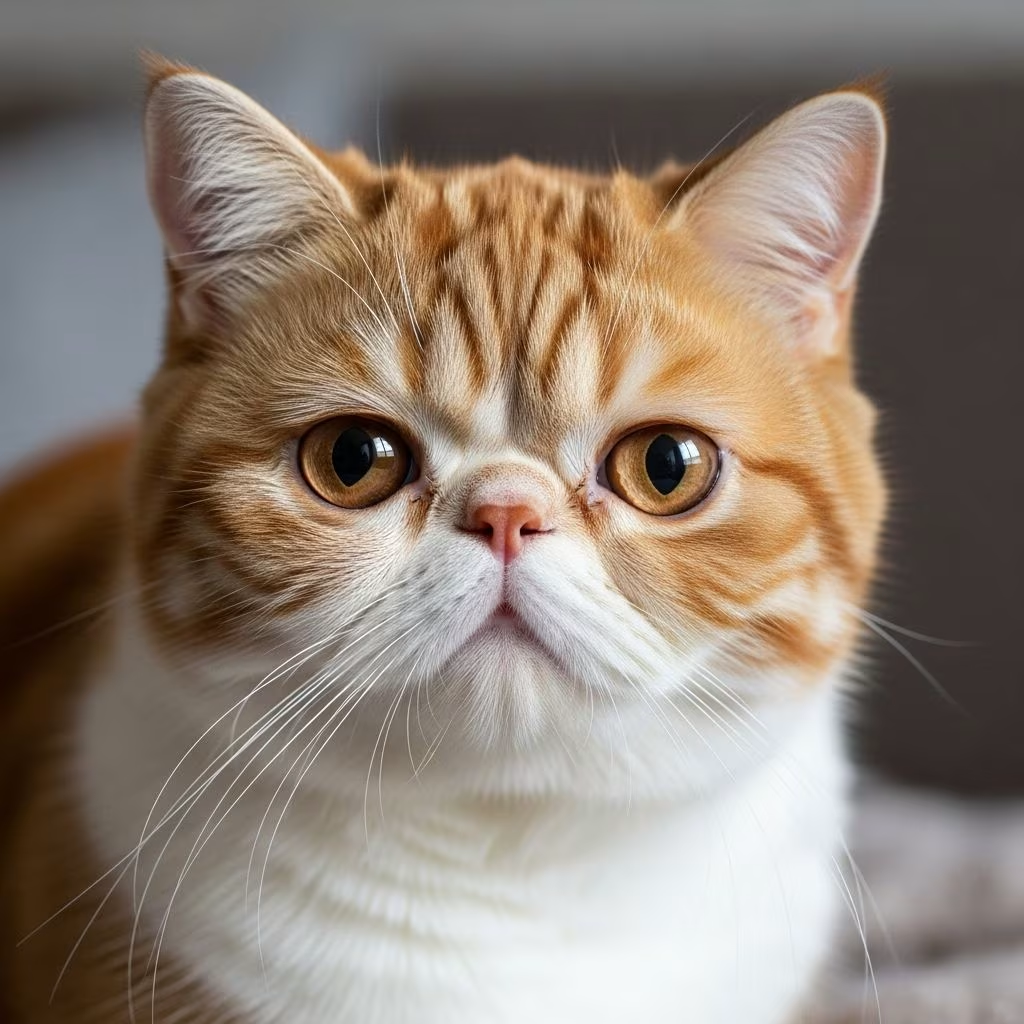
Exotic Shorthair cats captivate hearts with their endearing, teddy bear-like appearance and serene demeanor. Often called the short-haired Persians, these felines combine the luxurious look of longhaired breeds with easier maintenance, making them a popular choice for cat enthusiasts seeking affection without excessive grooming demands.
Origins and Development of the Breed
The Exotic Shorthair emerged in the 1950s in the United States as breeders aimed to create a Persian cat with a shorter coat. By crossing Persians with American Shorthairs, they achieved a stocky build and plush fur while retaining the signature flat face and round features. This intentional hybridization resulted in a breed recognized by major cat fancier associations, celebrated for its balance of elegance and practicality.
Early litters from these crosses produced kittens with denser, shorter coats that stood out from the body, softening the cat’s lines and enhancing its rounded silhouette. Over decades, selective breeding refined the standard, emphasizing massive heads, large eyes, and compact bodies. Today, the breed thrives globally, with standards set by organizations like the Cat Fanciers’ Association (CFA), which describes the ideal Exotic as heavily boned with soft round lines.
Physical Characteristics and Appearance
Exotics boast a distinctive, cuddly physique that screams ‘huggable.’ Their heads are massive and round, with broad skulls and short, thick necks supporting the structure. Large, round eyes—often vivid green, blue, or copper—set wide apart, contribute to a sweet, gentle expression. Small, rounded ears sit low on the skull, blending seamlessly with the contours.
The body is compact and muscular, with a broad chest, short sturdy legs, and large paws featuring tufted toes. Males typically weigh 8-15 pounds, females slightly less, giving them a medium-to-large frame that’s solid yet not cumbersome. The tail is short and bushy, carried low without curling over the back—a fault in breed standards.
Coat Varieties and Colors
One of the breed’s hallmarks is its exceptionally plush coat: short, dense, and luxurious, with a thick undercoat that makes it stand out from the body. This gives Exotics a velvety feel far softer than typical shorthairs. Colors span solids like black, white, red, and blue; tabbies; particolors; and even pointed patterns in some lines.
- Solid Colors: Pure white, black, blue (dilute black), red (orange), cream.
- Tabby Patterns: Classic, mackerel, spotted in various shades.
- Bicolor and Particolor: White combined with other hues, calico, tortoiseshell.
- Shaded/Smoke: Silver or golden undercoats with tipping.
The coat’s medium length relies on that rich undercoat for volume; without it, texture suffers. Seasonal shedding occurs, but daily brushing prevents matting.
Temperament and Behavior Traits
Exotic Shorthairs embody calm sophistication with a playful twist. They inherit the Persian’s laid-back nature but add American Shorthair energy, resulting in cats that are quiet, affectionate, and adaptable. These felines prefer lounging in sunbeams or curling beside owners, yet perk up for interactive toys like feather wands.
Highly sociable, they bond deeply with families, tolerating children and other pets well. Their tolerance shines with gentle kids’ play, though supervision ensures respect. Not overly vocal, they communicate via soft purrs or chirps, rarely demanding attention aggressively. Independence allows them to entertain themselves during absences, but they thrive on companionship.
| Trait | Description |
|---|---|
| Affection Level | High; loves laps and cuddles |
| Energy | Moderate; plays in bursts |
| Sociability | Excellent with people, pets, kids |
| Vocalness | Low; soft meows |
| Adaptability | Indoor homes, apartments ideal |
Compared to relatives: More active than Persians, less boisterous than American Shorthairs.
Grooming and Daily Care Essentials
Despite short fur, Exotics require consistent grooming due to their dense undercoat. Brush daily with a rubber or slicker brush to remove loose hair and distribute oils, reducing shedding and mats. Weekly baths suit show cats; at home, spot-clean as needed.
Bathe every 4-6 weeks using cat-specific shampoo to maintain coat shine. Clean facial folds daily to prevent tear staining or infections from their brachycephalic structure. Trim nails biweekly, brush teeth regularly, and check ears weekly.
- Tools needed: Soft brush, comb, pet wipes, nail clippers.
- Pro tip: Positive reinforcement makes grooming enjoyable.
They’re indoor cats, content without outdoor access, minimizing risks.
Nutrition and Exercise Recommendations
Maintain ideal weight with high-quality, portion-controlled food—Exotics prone to obesity from sedentary habits. Feed age-appropriate formulas: kitten growth for young, adult maintenance, senior support later. Divide into 2-3 meals daily; use puzzle feeders for engagement.
Encourage activity with toys, climbing trees, and laser pointers. Aim for 15-20 minutes play daily to counter stocky builds. Monitor weight monthly; consult vets for diet plans.
Health Considerations and Common Issues
Brachycephalic features bring challenges: breathing difficulties, tear staining, dental misalignment. Polycystic kidney disease (PKD) is hereditary; screen breeding cats via ultrasound. Other risks: hypertrophic cardiomyopathy (HCM), obesity, skin fold infections.
Life expectancy: 12-15 years with proactive care. Annual vet exams, vaccines, and early detection key. Genetic testing for breeders reduces PKD incidence.
| Health Issue | Symptoms | Prevention |
|---|---|---|
| PKD | Abdominal swelling, lethargy | Genetic screening |
| Obesity | Weight gain, low energy | Diet control, play |
| Breathing Issues | Snorting, heat intolerance | Cool environment |
| Dental Disease | Bad breath, drooling | Regular brushing |
Bringing Home an Exotic Shorthair Kitten
Select reputable breeders adhering to health testing. Kittens cost $850+, reflecting quality. Prepare with scratching posts, litter box (uncovered preferred), beds, and toys. Socialize early for confident adults.
Puppy-proof: Secure windows, hide cords. Transition gradually with familiar items.
Living with an Exotic Shorthair: Daily Life
These cats fit relaxed homes, apartments, or families. Provide quiet spots amid play areas. They adapt to routines, greeting owners warmly. Multi-pet households work if introductions are slow.
Training and Enrichment Tips
Litter training is instinctive; use clumping litter. Teach tricks like sit or high-five with treats. Enrichment: Window perches, puzzle toys, vertical space.
Frequently Asked Questions (FAQs)
Are Exotic Shorthairs good for beginners?
Yes, their calm nature and adaptability make them suitable, though grooming commitment is needed.
How often do they shed?
Moderately; daily brushing manages it effectively.
Do they get along with dogs?
Often yes, with proper introductions; their easygoing temperament helps.
What’s the best food for Exotics?
High-protein, low-carb kibble or wet food; vet-recommended for weight control.
Can they live outdoors?
No, strictly indoor to protect health and coat.
References
- Exotic Shorthair Cat Breed Information — Purina UK. 2024. https://www.purina.co.uk/find-a-pet/cat-breeds/exotic-shorthair
- Exotic Shorthair Personality: How Do Exotic Shorthairs Act? — Litter-Robot. 2024. https://www.litter-robot.com/blog/exotic-shorthair-personality/
- Exotic Full Presentation — Cat Fanciers’ Association. 2024-06. https://cfa.org/wp-content/uploads/2024/06/exotic-full-presentation.pdf
- The Exotic Shorthair Cat is Fun, but Has Its Issues — Pet Rebels. 2024. https://www.petrebels.com/en/cat-breeds-exotic-shorthair/
- Exotic Shorthair Personality and Health — ASPCA Pet Insurance. 2024. https://www.aspcapetinsurance.com/resources/exotic-shorthair/
- Exotic Shorthair Cat 101: What to Know Before Adopting One — YouTube (Video Transcript). 2024. https://www.youtube.com/watch?v=mYioJR2IjWg



