

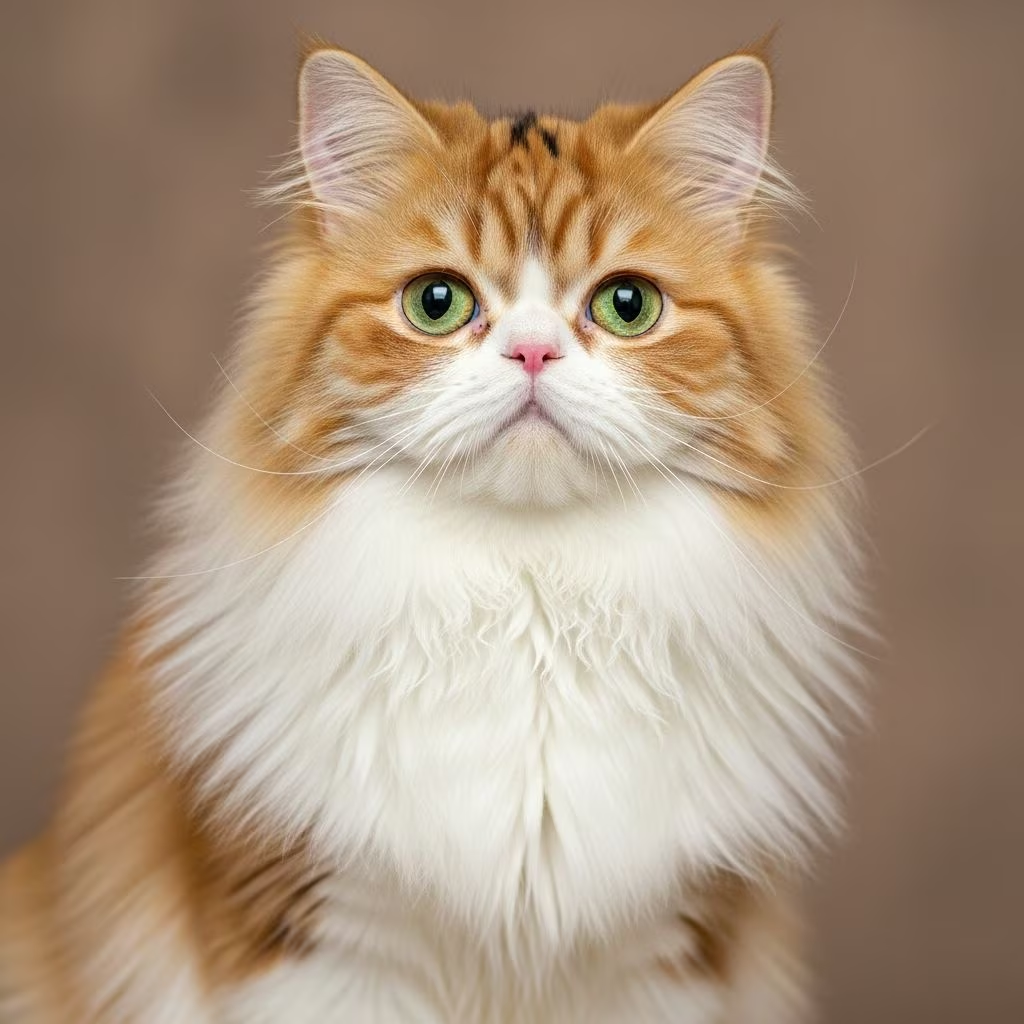
The Exotic Longhair represents a fascinating intersection of deliberate breeding and feline charm. Emerging from intentional crosses between Persian cats and American Shorthairs during the 1950s, this breed combines the striking appearance of Persians with enhanced personality traits inherited from their shorthair ancestors. Unlike their Persian relatives, Exotic Longhairs offer a more socially interactive and slightly more independent temperament while maintaining the gentle, affectionate nature that makes them exceptional family companions. Understanding the nuances of this breed is essential for anyone considering bringing one into their home.
The Distinctive Physical Appearance of Exotic Longhairs
Exotic Longhair cats present one of the most recognizable silhouettes in the feline world. These cats display a medium-to-large frame with remarkably sturdy construction, featuring short yet muscular legs that support their substantial body mass. The overall build is distinctly compact and cobby, with a deep chest and well-rounded midsection that creates an impression of quiet strength.
The face of an Exotic Longhair commands immediate attention. These cats possess an extremely flat facial structure with a pronounced round appearance, large round eyes positioned wide apart, and full cheeks that contribute to an almost human-like expression of sweetness. The nose is characteristically short and snub-like, with the muzzle being proportionally abbreviated. Medium-sized ears, set appropriately on the rounded head, complete this distinctive visage.
Male Exotic Longhairs typically reach impressive sizes, with weights often ranging into the upper teens and occasionally exceeding 20 pounds. Female cats of this breed remain smaller, though they maintain the same striking facial features and sturdy build that define the breed standard. The average length of an Exotic Longhair reaches approximately 14 to 17 inches.
Coat Characteristics and Color Variations
The Exotic Longhair’s coat is notably dense and plush, with a rich undercoat that creates a soft, luxurious texture. Unlike their Persian cousins, Exotic Longhairs have coats of medium length that stand away from the body, creating a rounded silhouette that accentuates their already substantial appearance. The texture is described as fine and silky, contributing to their tactile appeal.
One of the breed’s notable advantages is the coat’s manageability compared to extremely long-haired varieties. The medium length reduces some grooming intensity while maintaining the visual impact of a substantial fur coat.
Exotic Longhairs display remarkable color diversity. The breed standard accepts numerous coat colors including:
- Black
- Red
- White
- Chocolate
- Cream
- Lilac
- Calico
- Blue
- Colorpoint
- Tortoiseshell
Eye color standards typically specify brilliant copper coloring, though specific patterns and color combinations may have different requirements depending on the exact coat coloration.
Personality and Temperament Traits
The Exotic Longhair’s personality represents one of its most appealing characteristics for families and individuals seeking a devoted companion. These cats inherit a naturally calm and relaxed disposition that makes them excellent indoor pets. The influence of American Shorthair genetics contributes a pleasantly easy-going nature, creating felines that are genuinely affectionate without being overbearing.
Unlike their more vocal Persian ancestors, Exotic Longhairs tend to communicate with quieter vocalizations, making them well-suited for households preferring a less talkative companion. This reduced vocalization doesn’t indicate aloofness; rather, these cats express affection through physical closeness and direct eye contact. They are known for their ability to lock eyes with their owners and seek physical affection through hugs when picked up.
The breed demonstrates a preference for ground-level activities over climbing to high perches, distinguishing them from many cat breeds. This behavioral trait can be advantageous in homes with limited vertical space, as Exotic Longhairs are naturally inclined to remain closer to their family members rather than retreating to elevated hideaways.
Exotic Longhairs are particularly well-suited for families with children and households containing other pets. Their gentle disposition and accepting nature make them adaptable to multi-pet environments. These cats derive greater satisfaction from sitting alongside their families during leisurely activities than from frenetic play sessions, though they certainly enjoy interactive engagement when it occurs.
Health Considerations and Common Medical Issues
As with all carefully bred cats, Exotic Longhairs inherit certain health predispositions that prospective owners should understand. The breed’s extreme facial structure, while aesthetically distinctive, can contribute to specific health challenges. Understanding these potential issues enables proactive care and early intervention.
The flat facial structure characteristic of the breed may result in breathing difficulties for some individuals. Similarly, the facial anatomy can predispose these cats to increased eye tearing and related ocular concerns. These conditions require regular veterinary monitoring and may necessitate specialized care protocols.
Owners should also be aware of potential hereditary conditions that may affect the breed. Regular veterinary checkups become essential for early detection of any emerging health issues. A veterinarian familiar with breed-specific concerns can provide valuable guidance on preventive care strategies and monitoring protocols.
Grooming and Maintenance Requirements
Maintaining an Exotic Longhair’s coat requires consistent dedication. Despite the coat’s medium length offering some practical advantage over extremely long-haired breeds, regular grooming remains non-negotiable. The dense undercoat and plush texture necessitate frequent brushing to prevent matting and reduce shedding throughout the household.
Daily brushing, or at minimum several sessions weekly, helps maintain coat health and prevents tangles from developing. During seasonal shedding periods, increased grooming frequency becomes necessary to manage the volume of loose hair.
Beyond coat care, owners must attend to other grooming aspects. Regular nail trimming, ear cleaning, and dental care form essential components of comprehensive grooming routines. The breed’s facial structure may require gentle cleaning around the eyes and nose area to manage any discharge or moisture that accumulates.
Creating an Ideal Living Environment
Exotic Longhairs thrive in household environments that respect their preference for calm, stable settings. These cats require adequate indoor space where they can move comfortably without excessive noise or chaotic activity. Climate control becomes important, as their thick coats can make them sensitive to extreme heat.
While these cats are not particularly inclined to climb extensively, providing some vertical enrichment remains beneficial for mental stimulation and normal feline behavior expression. Cat trees of moderate height, window perches, and other environmental enrichment items contribute to overall well-being.
A consistent daily routine helps these cats feel secure and content. Regular feeding times, predictable interaction patterns, and stable household dynamics support their psychological health. Exotic Longhairs appreciate knowing what to expect from their environment and human family members.
Lifespan and Long-term Care Planning
Exotic Longhairs typically enjoy lifespans ranging from 13 to 15 years. This extended lifespan means that acquiring an Exotic Longhair represents a long-term commitment requiring consideration of your life circumstances and ability to provide consistent care over more than a decade.
Long-term care planning should include budgeting for regular veterinary visits, quality nutrition, grooming supplies and services, and potential medical interventions as the cat ages. Pet insurance becomes particularly valuable for this breed, given the potential breed-specific health concerns that may require veterinary treatment.
Nutritional Needs and Feeding Considerations
Proper nutrition supports the health and longevity of Exotic Longhair cats. These sturdy, relatively inactive cats require carefully portioned nutrition to maintain appropriate body weight. Obesity can exacerbate health conditions and reduce quality of life, making proper feeding practices essential.
High-quality cat food, whether commercially prepared or prescribed by veterinarians, should provide complete nutrition tailored to the cat’s life stage and any specific health concerns. Consultation with a veterinarian regarding appropriate caloric intake and feeding schedules helps prevent weight-related issues.
Fresh water availability should be constant. Some cats demonstrate improved hydration with water fountains, which can encourage increased water consumption and support urinary tract health.
Comparison with Related Breeds
| Characteristic | Exotic Longhair | Persian | Himalayan |
|---|---|---|---|
| Coat Length | Medium | Extremely Long | Long |
| Temperament Activity Level | Calm with Playfulness | Very Calm | Playful and Affectionate |
| Vocalization | Quiet | Moderate to Vocal | Moderate |
| Weight Range (Males) | Upper Teens to 20+ lbs | Similar | 10-12 lbs |
| Grooming Intensity | Moderate to High | Very High | High |
| Lifespan | 13-15 years | Similar | 12-15 years |
Frequently Asked Questions
How often should I groom my Exotic Longhair?
Regular grooming is essential for maintaining coat health. Aim for at least three to four brushing sessions weekly, with daily brushing during heavy shedding seasons. Professional grooming every 4-8 weeks can supplement home care and prevent severe matting.
Are Exotic Longhairs good for first-time cat owners?
Yes, Exotic Longhairs can be excellent choices for first-time owners. Their calm, affectionate temperament and non-demanding nature make them forgiving of minor care mistakes. However, grooming requirements and potential health management should be considered.
Do Exotic Longhairs get along with other pets?
Absolutely. These cats are generally accepting of other pets and can coexist peacefully with other cats and dogs. Their mild-mannered disposition contributes to this adaptability.
What is the typical cost of an Exotic Longhair kitten?
Costs vary significantly based on breeder reputation, pedigree, and location. Responsible breeders typically charge between $1,000 and $3,000 for kittens. Adoption from rescue organizations may offer more affordable options.
How can I tell if my Exotic Longhair is overweight?
A healthy Exotic Longhair should have a visible waist when viewed from above and ribs that can be felt without excessive pressure. Discuss ideal weight ranges with your veterinarian, as the breed’s sturdy build can make weight assessment challenging.
What special health screenings should Exotic Longhairs receive?
Regular veterinary examinations should include assessment of respiratory function and eye health given the breed’s facial structure. Genetic screening may be appropriate for certain hereditary conditions. Consult with your veterinarian about breed-specific screening recommendations.
Deciding If An Exotic Longhair Is Right For You
Choosing to bring an Exotic Longhair into your home represents a significant decision with long-term implications. These cats require owners who can commit to regular grooming, provide stable household environments, and afford quality veterinary care including potential breed-specific medical management. Families and individuals seeking a devoted, affectionate companion that prefers calm interaction and ground-level companionship will likely find tremendous satisfaction with this breed. The Exotic Longhair rewards dedicated care with unwavering loyalty and gentle affection that makes the grooming commitment worthwhile.
References
- Exotic Longhair Kittens vs Persian Kittens: Key Differences — Moncheri Cattery. 2025. https://monchericattery.com/exotic-longhair-vs-persian-kittens/
- Exotic Longhair | Pet Premium – Pet Insurance Comparison — Pet Premium. 2025. https://petpremiumproduction-eba7c4djfbg2c8fj.centralus-01.azurewebsites.net/breed/exotic-longhair/
- Persian cat – Wikipedia — Wikimedia Foundation. 2025. https://en.wikipedia.org/wiki/Persian_cat
- Exotic – The Cat Fanciers’ Association — The Cat Fanciers’ Association. 2025. https://cfa.org/breed/exotic/
- 15 Longhaired Cat Breeds – PetMD — PetMD. 2025. https://www.petmd.com/cat/general-health/longhaired-cats
- Exotic Housecat Breed – Hill’s Pet Nutrition — Hill’s Pet Nutrition. 2025. https://www.hillspet.com/cat-care/cat-breeds/exotic
- Exotic – Fédération Internationale Féline — Fédération Internationale Féline. 2025. https://fifeweb.org/cats/breeds/exotic/



