

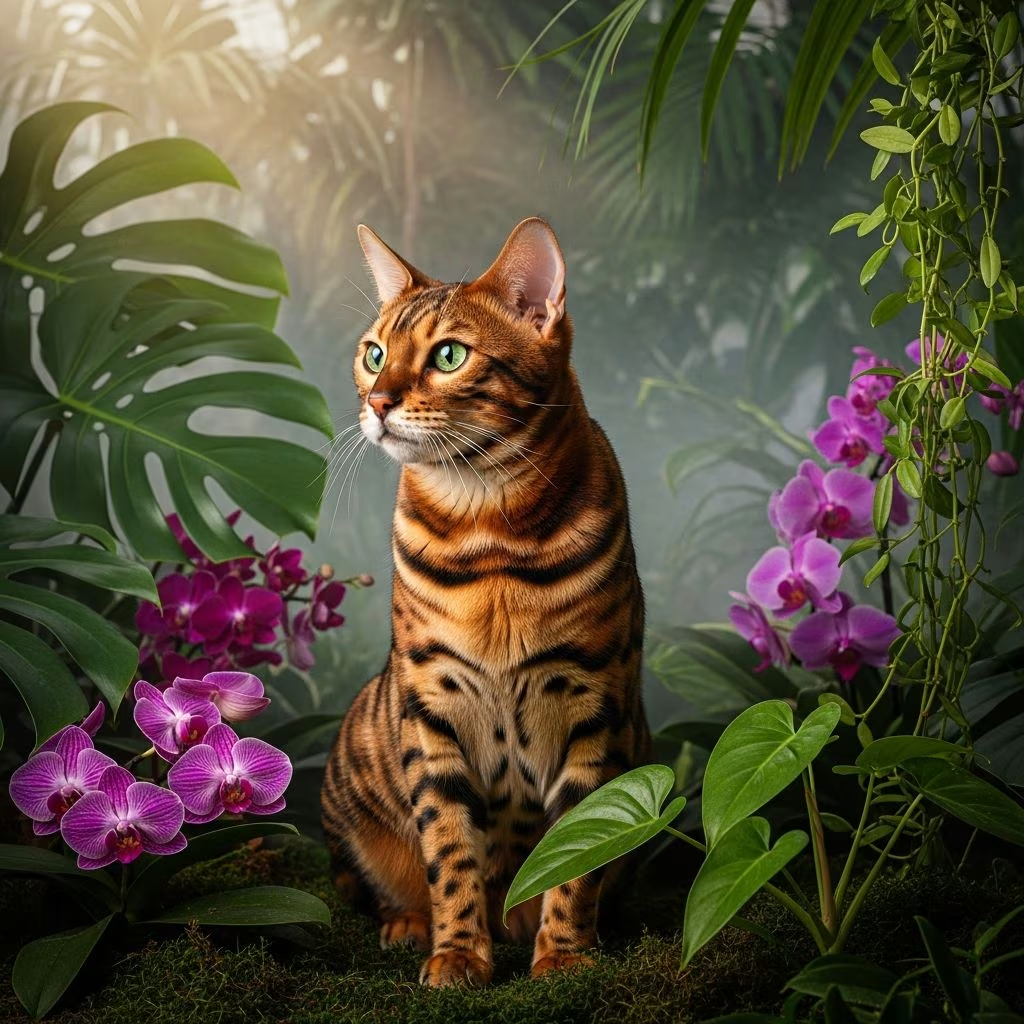
Exotic cat breeds captivate with their wild-inspired appearances and distinctive personalities, offering cat lovers a chance to own felines that look like miniature leopards, lynxes, or other big cats while remaining fully domestic. These breeds often feature spotted coats, short tails, unique body structures, or luxurious fur, stemming from selective breeding or natural mutations. Unlike true wild cats, exotic domestic breeds are safe, loving pets when properly socialized and cared for.
What Makes a Cat Breed ‘Exotic’?
Exotic cat breeds stand out due to their rare genetics, striking physical traits, and behaviors that mimic wild felines. Common hallmarks include bold coat patterns like rosettes and spots, unusual body proportions such as short legs or bobbed tails, and vibrant eye colors. Many trace ancestry to hybrids with wild cats like the Asian Leopard Cat or Serval, but generations of breeding have domesticated them completely. These cats are intelligent, active, and often demand more stimulation than standard breeds.
Legality varies; some ‘exotic’ hybrids like early-generation Savannahs or Bengals may require permits in certain areas, so always check local laws. Reputable breeders prioritize health, temperament, and TICA or CFA registration to ensure kittens are well-adjusted.
Popular Exotic Cat Breeds
From high-energy athletes to cuddly oddities, here’s a roundup of standout exotic breeds you can own as pets.
Bengal
The **Bengal** is a superstar among exotic cats, boasting a wild leopard-like coat of marbled or spotted patterns in shades of brown, silver, or snow. Originating from crosses with the Asian Leopard Cat, Bengals retain an athletic build, weighing up to 18 pounds, with muscular bodies and long legs. They’re highly intelligent, love water play, learn tricks, and thrive on leashes—perfect for active owners. Daily exercise prevents boredom-induced mischief.
Egyptian Mau
Naturally spotted like a wild cheetah, the **Egyptian Mau** is one of the fastest domestic cats, clocked at 30 mph. This medium-sized shorthair has a sleek coat with bold spots and gooseberry-green eyes. Ancient Egyptian art depicts their ancestors, making ‘Mau’ (Egyptian for cat) a breed steeped in history. Loyal, playful, and agile, they excel in agility sports but need secure outdoor spaces.
Savannah
**Savannahs** embody wild elegance with long legs, large ears, and bold spots, derived from Serval hybrids. Early generations (F1-F3) grow massive—up to 25 pounds—and retain strong hunting instincts, unsuitable for homes with small pets. Later generations are more domestic, affectionate, and trainable, loving water and heights. They demand vast spaces and mental challenges.
Ocicat
Created accidentally in the 1960s, the **Ocicat** sports a spotted, marbled coat resembling an ocelot, in tawny, chocolate, or silver hues. Weighing up to 15 pounds, these outgoing cats are people-oriented, energetic, and dog-like, fetching toys and joining family activities. Their short, velvety fur is low-maintenance.
Cheetoh
A Bengal-Ocicat cross, the **Cheetoh** has a cheetah-like build: tall, muscular, with short spotted fur and curled ears. Playful and snuggly, they stalk ‘prey’ with a bouncy gait but adore lap time. Rare and active, they weigh 15-20 pounds and need climbing gyms.
Highlander
Also called Highland Lynx, **Highlanders** feature curled ears, bobbed tails, and spotted or marbled coats up to 20 pounds. Playful and energetic, they’re man-made from Desert Lynx and Jungle Curl lines, offering lynx-like looks with domestic sweetness.
Kurilian Bobtail
From Russia’s rugged islands, the **Kurilian Bobtail** sports a lynx-like face, pom-pom tail, and water-repellent coat. Hardy and affectionate, males reach 20 pounds; they’re adaptable to cold climates and great with families.
Maine Coon
The gentle giant **Maine Coon**, one of the largest domestics (males 13-18 lbs), has tufted ears, bushy tails, and water-shedding fur. Despite size, they’re dog-like, sociable, and excellent mousers.
Norwegian Forest Cat
Built for Nordic winters, the **Norwegian Forest Cat** boasts a glossy, triple-layered coat and weighs up to 20 pounds. Athletic climbers, they’re independent yet loving.
Russian Blue
With shimmering blue-grey fur and green eyes, **Russian Blues** are intelligent fetch-players, hypoallergenic, and curiously aloof yet loyal[10].
Scottish Fold
Famous for folded ears from a mutation, **Scottish Folds** have round faces and easygoing vibes. Medium-sized, they’re adaptable family pets, though ethical breeding avoids health issues.
Siamese
**Siamese** dazzle with color-point coats and blue eyes, vocal and social. Intelligent trick-learners, they crave interaction.
Sphynx
Hairless and wrinkled, **Sphynx** are warm, extroverted cuddlers needing skin care and sweaters in cold.
Munchkin
Short-legged **Munchkins**, or ‘sausage cats,’ are playful despite dwarfism. Experimental status raises health concerns.
Bambino
Sphynx-Munchkin mix, **Bambinos** are tiny, elf-like, and affectionate but discouraged by registries due to experiments.
Persian
Luxurious longhair **Persians** have flat faces and calm demeanors, requiring grooming.
Khao Manee
Rare Thai ‘Diamond Eye’ **Khao Manee** with odd eyes fetch high prices; pure white and mystical.
Care Tips for Exotic Cat Breeds
Exotic cats need enriched environments: tall cat trees, puzzle feeders, and interactive toys combat boredom. High-protein diets support their active metabolisms. Grooming varies—short coats are easy, long ones demand brushing. Vet care focuses on hybrid health screens.
- Exercise: 30-60 minutes daily play.
- Socialization: Early handling for friendliness.
- Health: Screen for HCM, PKD per breed.
Legal Considerations for Owning Exotic Cats
While fully domestic, some hybrids face bans (e.g., F1 Savannahs in apartments). Check state wildlife laws; TICA/CFA breeders provide pedigrees.
Frequently Asked Questions (FAQs)
Are exotic cats legal to own?
Most domestic exotics are legal, but hybrids may need permits. Verify local regs.
Do exotic cats make good pets for families?
Many like Bengals and Maine Coons are great with kids if socialized.
How much do exotic kittens cost?
$1,000-$10,000+, rarer like Khao Manee higher.
Are exotic cats hypoallergenic?
Some like Russian Blue and Sphynx produce less dander[10].
What is the lifespan of exotic breeds?
12-20 years with proper care.
References
- 12 Domestic Exotic Cat Breeds That You Can Own — All About Pets Provo. 2023. https://www.allaboutpetsprovo.com/domestic-exotic-cats.html
- 15 Exotic Cat Breeds You Can Adopt — Litter-Robot. 2024-01-15. https://www.litter-robot.com/blog/exotic-cats/
- Exotic Cat Breeds — Bow Wow Insurance. 2023. https://bowwowinsurance.com.au/cats/cats-breeds/exotic-cat-breeds/
- Exotic — Cat Fanciers’ Association. 2025-06-01. https://cfa.org/breed/exotic/
- Exotic Cat Breeds: Top 10 Unique Pets — PetSafe. 2024. https://www.petsafe.com/blog/exotic-cat-breeds-top-10-unique-pets/
- Browse All Breeds — The International Cat Association (TICA). 2025. https://tica.org/ticas-breeds/browse-all-breeds/
- 19 Rarest Cat Breeds — HowStuffWorks. 2024. https://animals.howstuffworks.com/pets/rarest-cat-breeds.htm



