

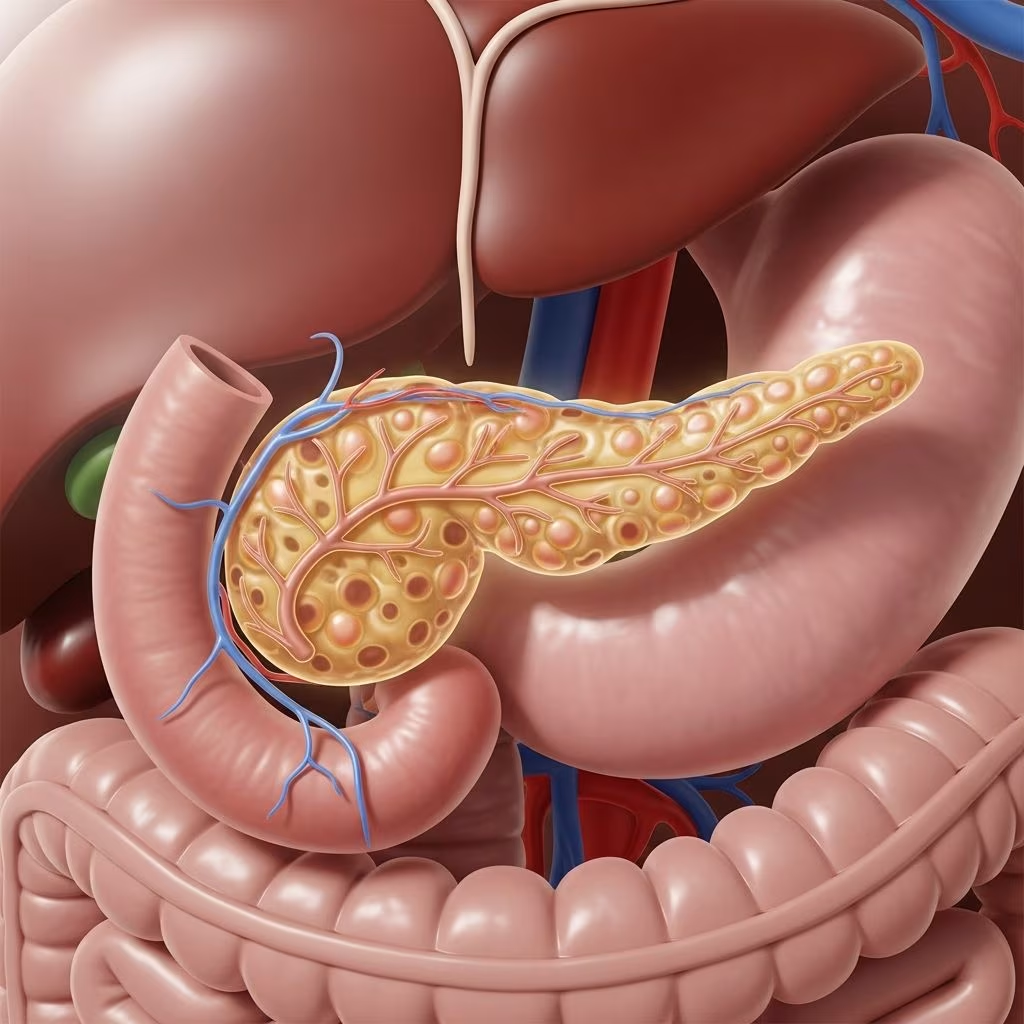
Exocrine pancreatic insufficiency (EPI) represents a serious digestive disorder in pets, particularly dogs, where the pancreas fails to produce adequate digestive enzymes. This leads to poor nutrient absorption, chronic malnutrition, and a range of debilitating symptoms that can severely impact a pet’s quality of life if not addressed promptly.
Recognizing the Core Functions of the Pet Pancreas
The pancreas serves dual critical roles in pets: endocrine functions regulating blood sugar via insulin and exocrine functions secreting enzymes essential for digestion. These enzymes—lipase for fats, amylase for carbohydrates, and proteases for proteins—mix with food in the small intestine to break down nutrients for absorption. In EPI, exocrine cells are damaged or destroyed, resulting in undigested food passing through the gut, causing voluminous, greasy stools and nutrient deficits.
Unlike endocrine issues like diabetes, EPI specifically hampers digestion, often stemming from progressive pancreatic damage. Breeds such as German Shepherds, Rough-Coated Collies, and Eurasian Wolves show genetic predispositions, highlighting the importance of breed awareness in early detection.
Common Indicators of EPI in Companion Animals
Pets with EPI typically exhibit persistent gastrointestinal disturbances that mimic other disorders, delaying diagnosis. Key signs include:
- Chronic, voluminous diarrhea: Stools appear pale, greasy, foul-smelling, and float due to high fat content, known as steatorrhea.
- Progressive weight loss: Despite voracious appetites, pets lose muscle mass and body condition from malabsorption.
- Bloating and gas: Abdominal distension and flatulence arise from fermenting undigested food.
- Lethargy and weakness: Fatigue stems from calorie deficits and vitamin shortages.
- Poor coat quality: Dull, dry fur and skin issues reflect fat-soluble vitamin deficiencies.
Juvenile cases in predisposed puppies manifest as failure to thrive, with stunted growth and pot-bellied appearances. Owners often mistake these for dietary intolerances or parasites, underscoring the need for veterinary fecal analysis.
Primary Underlying Triggers for EPI Development
EPI rarely occurs in isolation; it emerges from pancreatic insult accumulation. In pets, chronic pancreatitis tops the list, where repeated inflammation scars enzyme-producing tissues. Genetic factors dominate in young dogs, with congenital enzyme deficiencies evident shortly after weaning.
Other contributors encompass:
| Category | Examples | Prevalence in Pets |
|---|---|---|
| Pancreatic Diseases | Chronic pancreatitis, pancreatic tumors, duct obstructions | High in adults |
| Genetic/Developmental | Shwachman-Diamond-like syndromes, breed predispositions | Common in juveniles |
| Post-Surgical | Pancreatectomy, gastric surgeries | Rare but significant |
| Inflammatory Conditions | Celiac-like diseases, IBD analogs | Moderate |
Unlike humans, pet EPI seldom links to cystic fibrosis but parallels chronic inflammation from dietary indiscretions or toxins. Early intervention in pancreatitis can mitigate progression to full insufficiency.
Diagnostic Approaches for Confirming EPI
Diagnosis hinges on combining clinical history, physical exams, and specialized tests, as symptoms overlap with IBD or allergies. Initial steps involve:
- Fecal analysis for fat content and parasite exclusion.
- Blood panels assessing protein levels, vitamins (B12, A, D, E), and TLI (trypsin-like immunoreactivity), the gold standard serum test.
TLI measures trypsinogen, plummeting below 2.5 µg/L in EPI cases, boasting over 90% specificity. Low values post-meal confirm pancreatic failure. Complementary imaging like ultrasound reveals pancreatic atrophy, while fecal elastase tests offer non-invasive alternatives.
Differentiating EPI from small intestinal disease requires trial enzyme therapy; rapid improvement confirms diagnosis.
Comprehensive Treatment Strategies for EPI
EPI demands lifelong management centered on enzyme replacement therapy (ERT), typically porcine-derived powders (e.g., pancreatin) sprinkled on meals. Dosage starts at 1-2 tsp per cup of food, adjusted for response.
Key management pillars include:
- Enzyme supplementation: Administered raw to preserve activity; cooked enzymes lose potency.
- Dietary modifications: Low-fat, highly digestible diets minimize enzyme burden. Frequent small meals enhance absorption.
- Vitamin support: Injectable B12 for cobalamin deficiency; oral A, D, E, K supplements.
- Probiotics/Antibiotics: Combat bacterial overgrowth from undigested carbs.
Monitoring involves weight tracking, stool consistency scoring, and periodic TLI/B12 tests. Compliance yields weight gain within weeks, normalizing stools.
Potential Complications and Long-Term Prognosis
Untreated EPI spirals into severe malnutrition, osteoporosis from vitamin D loss, anemia, and immune compromise, heightening infection risks. In pets, secondary issues like SIBO or hepatic lipidosis emerge.
With adherence, prognosis excels; most pets achieve full nutritional recovery and lifespan normalization. Rare resistance necessitates advanced therapies like enteral feeding. Pet insurance proves invaluable, covering diagnostics ($500+), enzymes ($50-100/month), and monitoring indefinitely.
Preventive Measures and Risk Reduction
While genetic EPI defies prevention, mitigating pancreatitis via obesity control, toxin avoidance (e.g., xylitol), and prompt acute inflammation treatment curbs progression. Breeders should screen high-risk lines via TLI.
Annual wellness exams with fecal/TLI in at-risk breeds facilitate early detection.
FAQs: Addressing Common Pet Owner Concerns
What breeds are most prone to EPI?
German Shepherds, Collies, and similar herding breeds face elevated genetic risks, often presenting in puppies.
Can cats develop EPI?
Yes, though rarer than in dogs, cats with chronic pancreatitis or IBD may exhibit similar maldigestion.
How quickly does treatment work?
Appetite improves in days; weight gain and stool normalization occur in 2-4 weeks with proper dosing.
Is EPI curable?
No, it’s chronic, but manageable lifelong with therapy, yielding excellent quality of life.
Does pet insurance cover EPI?
Comprehensive plans reimburse enzyme therapy, diagnostics, and supplements after wellness waiting periods.
Supporting Your Pet’s Journey with EPI
EPI transforms from crisis to manageable routine through vigilant care. Owners report vibrant, thriving pets post-diagnosis, emphasizing early vet partnerships. Consult specialists for tailored plans, and leverage insurance to ease financial strains.
References
- Exocrine Pancreatic Insufficiency (EPI) — Loma Linda University Health. 2023. https://lluh.org/conditions/exocrine-pancreatic-insufficiency-epi
- Pancreatic Exocrine Insufficiency | Gastrointestinal Society — YouTube (Gastrointestinal Society). 2022-10-15. https://www.youtube.com/watch?v=pyDQI0sHgCE
- Exocrine Pancreatic Insufficiency (EPI) — Cleveland Clinic. 2024-05-20. https://my.clevelandclinic.org/health/diseases/21577-exocrine-pancreatic-insufficiency-epi
- Etiologies of exocrine pancreatic insufficiency — Oxford Academic (Gastroenterology). 2024-06-12. https://academic.oup.com/gastro/article/doi/10.1093/gastro/goaf019/8068992
- What Causes Exocrine Pancreatic Insufficiency (EPI)? — IdentifyEPI. 2023. https://www.identifyepi.com/what-is-epi/underlying-conditions



