

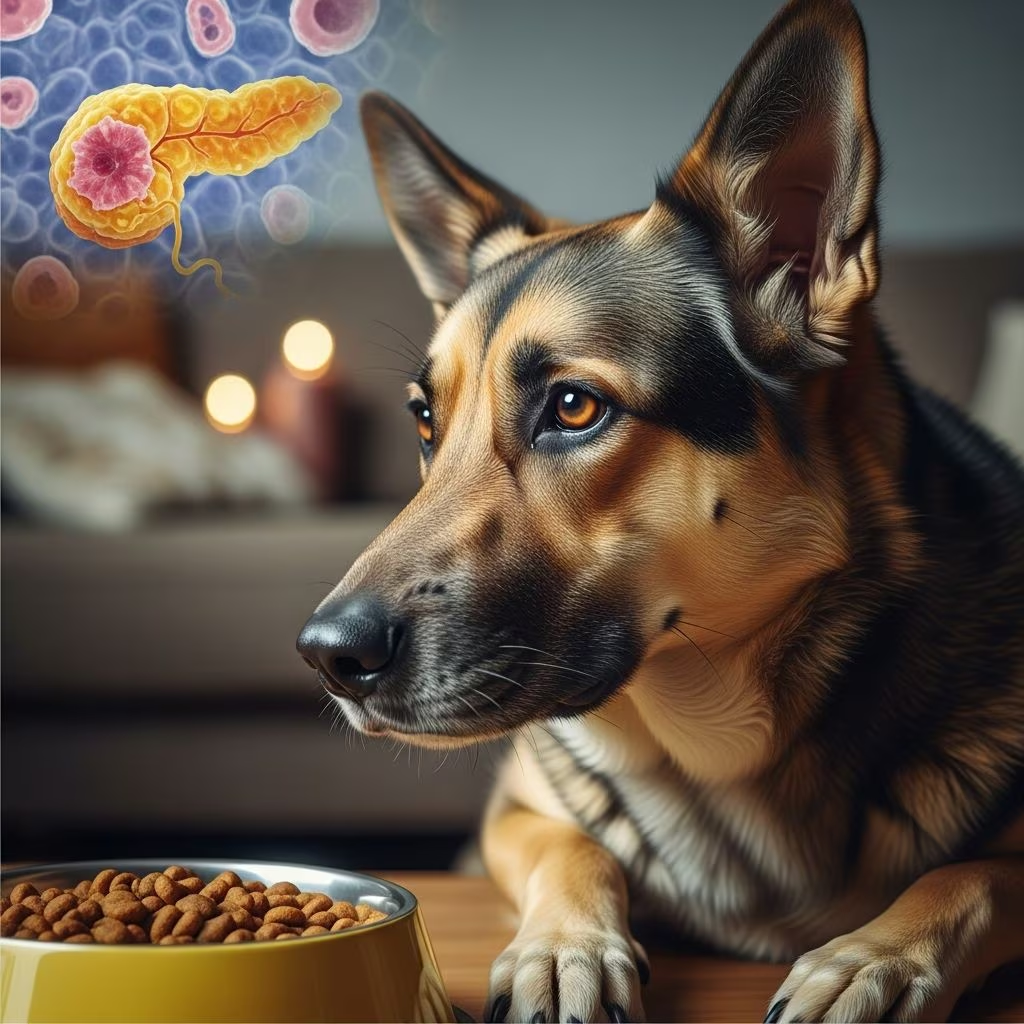
Understanding Exocrine Pancreatic Insufficiency in Dogs
Exocrine pancreatic insufficiency (EPI) is a digestive disorder affecting dogs when their pancreas fails to produce sufficient enzymes needed to properly digest fats, carbohydrates, and proteins. This condition prevents essential nutrients from being absorbed by the body, leading to malnutrition despite adequate food intake. While EPI can significantly impact a dog’s quality of life, veterinary advances have made it manageable with proper treatment and care.
What Causes Exocrine Pancreatic Insufficiency?
The pancreas plays a vital role in digestion by producing enzymes that break down food into absorbable components. When the pancreatic tissue degenerates or becomes chronically inflamed, enzyme production decreases substantially. Several factors can lead to EPI development:
- Chronic pancreatitis from repeated inflammation
- Autoimmune destruction of pancreatic tissue
- Pancreatic atrophy due to genetic predisposition
- Nutritional deficiencies affecting pancreatic function
- Certain medications or toxins
- Severe infections or injuries to the pancreas
German Shepherds and other large breeds show higher predisposition to EPI, suggesting genetic factors play a significant role in disease development. The pancreas must lose approximately 90% of its enzyme-producing capacity before clinical signs become apparent, which is why early detection can be challenging.
Recognizing Clinical Signs of EPI
Dogs with exocrine pancreatic insufficiency typically display characteristic symptoms that often develop gradually. Pet owners may notice several warning signs that warrant veterinary evaluation:
- Chronic weight loss despite normal or increased appetite
- Large volume of loose or fatty stools (steatorrhea)
- Increased defecation frequency throughout the day
- Excessive gas and abdominal discomfort
- Poor coat quality and dry skin
- Visible signs of malnutrition and muscle wasting
- Behavioral changes including nervousness or aggression
- Coprophagia (eating feces) or pica (eating non-food items)
The most concerning aspect of EPI is that dogs often maintain a voracious appetite despite losing weight, creating visible contradictions in their physical condition. This polyphagic behavior combined with weight loss is a key diagnostic indicator veterinarians use to identify the condition. Owners frequently report that their dogs seem ravenously hungry yet continue losing body condition.
Diagnosing Exocrine Pancreatic Insufficiency
Proper diagnosis requires specific blood testing, as clinical signs alone cannot definitively confirm EPI. Veterinarians use several diagnostic approaches to establish a clear diagnosis:
Primary Diagnostic Test
The serum trypsin-like immunoreactivity (TLI) test represents the gold standard for EPI diagnosis. This blood test measures pancreatic enzyme levels and provides definitive evidence of pancreatic enzyme deficiency. Low TLI levels, particularly when combined with clinical signs, confirm exocrine pancreatic insufficiency.
Supporting Diagnostic Tests
Veterinarians may recommend additional blood work to evaluate overall health and identify concurrent conditions:
- Complete blood count to assess overall health status
- Serum biochemistry panel to check liver and kidney function
- Cobalamin (vitamin B12) levels, as deficiency commonly accompanies EPI
- Folate levels to detect bacterial overgrowth in the small intestine
- Fecal testing to rule out parasitic causes of diarrhea
The combination of clinical signs, TLI results, and supportive laboratory findings creates a comprehensive diagnostic picture. Some dogs may have concurrent cobalamin deficiency, which requires separate supplementation beyond enzyme replacement.
Treatment Options for EPI
Pancreatic Enzyme Replacement Therapy (PERT)
The cornerstone of EPI management is pancreatic enzyme replacement therapy, which must be administered with every meal for the dog’s lifetime. Commercial enzyme supplements come in multiple formulations, allowing veterinarians to select the most effective option for individual patients:
| Enzyme Formulation | Effectiveness | Administration | Considerations |
|---|---|---|---|
| Powdered Enzymes | Most Effective | Mixed with food | Best results; easiest to adjust dosing |
| Tablets | Moderately Effective | Given with food | Less effective than powder |
| Capsules | Moderately Effective | Given with food | Less effective than powder |
| Enteric-Coated | Least Effective | Special delivery | Coating prevents intestinal enzyme activity |
| Raw Porcine Pancreas | Very Effective | Added to meals | Concerns about contamination and availability |
Powdered formulations such as Viokase and Pancreazyme are typically recommended as first-line treatments due to superior efficacy. The enzyme powder is simply mixed with the dog’s food at each meal, ensuring adequate enzyme availability for digestion. Veterinarians determine appropriate dosing based on individual response and clinical improvement.
Dietary Modifications
Dietary changes work synergistically with enzyme replacement to optimize digestive function and improve clinical outcomes. Recommended dietary adjustments include:
- Highly digestible, low-residue foods that are easier to process
- Reduced fat content to minimize steatorrhea and loose stools
- Moderate protein levels from quality sources
- Increased meal frequency with smaller portions for better digestion
- Elimination of high-fiber ingredients that increase fecal volume
Dogs typically respond best to prescription digestive diet formulations specifically designed for pancreatic insufficiency. These veterinary diets complement enzyme therapy by reducing the digestive burden on the compromised pancreas. Once clinical signs resolve and weight stabilizes, owners may gradually reintroduce limited treats, though consistent enzyme supplementation with meals remains essential.
Cobalamin Supplementation
Many dogs with EPI develop cobalamin (vitamin B12) deficiency due to malabsorption of this crucial nutrient. Veterinarians routinely check serum cobalamin levels and recommend supplementation when hypocobalaminemia is documented. Cobalamin supplementation may be administered through injections or oral supplements, depending on individual absorption capacity and clinical response.
Addressing Bacterial Overgrowth
Small intestinal bacterial overgrowth (SIBO) frequently accompanies EPI, indicated by elevated folate levels on blood work. When bacterial overgrowth is detected, veterinarians may prescribe tylosin (brand name Tylan), an antibiotic that reduces pathogenic bacterial populations and improves digestive function. This adjunctive therapy helps optimize clinical outcomes in dogs with concurrent dysbiosis.
Managing Treatment Challenges
While most dogs respond well to standard EPI therapy, some owners encounter suboptimal responses requiring treatment adjustments. Common strategies for managing refractory cases include:
- Increasing pancreatic enzyme dosage to improve digestive efficiency
- Trying alternative enzyme formulations from different manufacturers
- Incubating food with enzymes for 20-30 minutes before feeding to enhance enzyme activity
- Adding H2 blockers such as famotidine to preserve enzymes in the acidic stomach environment
- Reducing enzyme doses by 50% once clinical signs stabilize, if economically necessary
- Using antibiotics to address concurrent bacterial overgrowth
Patience is critical during initial treatment phases, as some dogs require 4-6 weeks to demonstrate significant clinical improvement. Adequate timelines for response assessment prevent unnecessary treatment modifications. Owners should avoid making multiple changes simultaneously, instead adjusting variables one at a time to identify effective interventions.
Potential Side Effects and Management
Pancreatic enzyme supplementation is generally well-tolerated with minimal adverse effects. However, veterinarians and owners should monitor for occasionally reported complications:
- Oral ulceration and bleeding gums from enzyme contact with mouth tissues
- Gastrointestinal distress including cramping, nausea, or diarrhea at high doses
- Rare food intolerance reactions, particularly with pork-based formulations
If side effects develop, veterinarians typically reduce enzyme doses or increase incubation time with food before administration. These simple adjustments usually resolve adverse reactions while maintaining therapeutic benefit.
Long-Term Prognosis and Lifestyle Management
Although exocrine pancreatic insufficiency is not curable, it is highly manageable with consistent, lifelong treatment. Once diagnosed and appropriately managed, most dogs experience excellent quality of life with proper weight maintenance and resolution of gastrointestinal signs. The commitment to daily enzyme supplementation and veterinary monitoring ensures dogs with EPI live healthy, happy lives.
Consistent owner education and communication with veterinary professionals are essential for long-term success. Regular reassessment of enzyme dosing, dietary appropriateness, and overall clinical response helps optimize individual management plans as dogs age and circumstances change.
Frequently Asked Questions About Canine EPI
Q: Is exocrine pancreatic insufficiency curable?
A: Unfortunately, there is no cure for EPI in dogs. Once pancreatic damage occurs, enzyme supplementation must continue for the dog’s lifetime. However, with proper management, affected dogs live normal, healthy lives.
Q: How often must I give pancreatic enzyme supplements?
A: Pancreatic enzymes must be given with every meal, typically twice daily for most dogs. This consistent dosing ensures adequate enzyme availability for every eating occasion.
Q: Which dog breeds are most susceptible to EPI?
A: German Shepherds show the highest predisposition to EPI, though the condition can affect any breed. Large breed dogs generally show higher incidence than small breeds.
Q: How quickly will my dog improve after starting treatment?
A: Most dogs show initial improvement within 2-4 weeks of starting enzyme therapy, with complete clinical stabilization occurring within 4-6 weeks. Individual variation exists, requiring patience during initial treatment phases.
Q: Can I give my dog treats if they have EPI?
A: Once clinical signs resolve, limited treats may be given if owners carefully monitor for relapsed symptoms. However, it’s challenging to administer enzyme supplements with treats, so they should be minimized in most cases.
Q: What diet is best for dogs with EPI?
A: Highly digestible, low-fat, low-residue prescription diets work best for EPI management. Veterinarians recommend specific formulations designed for digestive disorders that complement enzyme therapy.
Q: Will my dog’s pancreas recover if treated early?
A: Once pancreatic tissue is damaged, recovery does not occur. However, early treatment prevents further complications and optimizes overall health outcomes with consistent management.
References
- Exocrine Pancreatic Insufficiency in Dogs and Cats — MSD Veterinary Manual. 2024. https://www.msdvetmanual.com/digestive-system/the-exocrine-pancreas/exocrine-pancreatic-insufficiency-in-dogs-and-cats
- Exocrine Pancreatic Insufficiency in Dogs — Purina Institute. 2024. https://www.purinainstitute.com/centresquare/therapeutic-nutrition/exocrine-pancreatic-insufficiency
- Canine and Feline Exocrine Pancreatic Insufficiency — Today’s Veterinary Practice. 2024. https://todaysveterinarypractice.com/gastroenterology/canine-and-feline-exocrine-pancreatic-insufficiency/
- Exocrine Pancreatic Insufficiency in Dogs: Historical Background, Diagnosis, and Treatment — Journal of the American Veterinary Medical Association. 2012. https://pubmed.ncbi.nlm.nih.gov/23148848/
- EPI in Dogs (Exocrine Pancreatic Insufficiency in Dogs) — PetMD. 2024. https://www.petmd.com/dog/conditions/digestive/c_multi_exocrine_pancreatic_insufficiency
- Quick Review of Canine Exocrine Pancreatic Insufficiency — DVM360. 2024. https://www.dvm360.com/view/quick-review-canine-exocrine-pancreatic-insufficiency
- Exocrine Pancreatic Insufficiency in Dogs and Cats — Veterinary Specialists. 2022. https://www.vetspecialists.com/vet-blog-landing/animal-health-articles/2022/07/22/exocrine-pancreatic-insufficiency-in-dogs-and-cats



