
EPI in Cats: Symptoms, Diagnosis, Treatment
Discover how to spot, diagnose, and manage exocrine pancreatic insufficiency in cats for a healthier, happier feline companion.
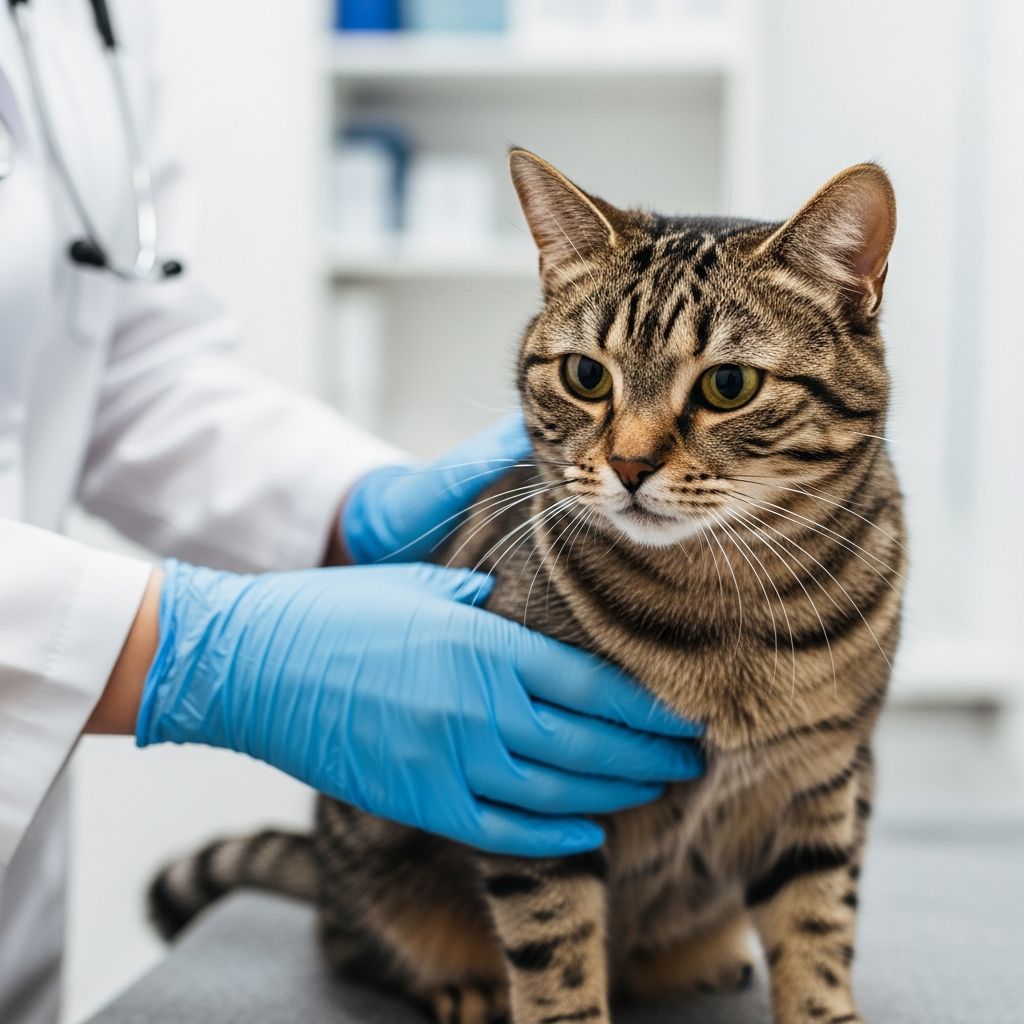
Exocrine pancreatic insufficiency (EPI) occurs when a cat’s pancreas fails to produce adequate digestive enzymes, leading to maldigestion and nutrient malabsorption. This condition, though less common in cats than dogs, manifests through subtle signs that demand vigilant observation from pet owners.
Understanding the Pancreatic Role in Feline Digestion
The pancreas serves dual functions: endocrine for hormone production like insulin and exocrine for secreting enzymes such as lipase, amylase, and protease. These enzymes break down fats, carbohydrates, and proteins in the small intestine. In EPI, exocrine cells are damaged or destroyed, resulting in undigested food passing through the gut, causing voluminous stools and nutrient deficiencies.
Juvenile-onset EPI stems from pancreatic acinar atrophy, while adult cases link to chronic pancreatitis, trauma, or neoplasia. Cats often present with insidious symptoms, differing from the overt diarrhea in dogs.
Recognizing Key Symptoms of EPI in Cats
Cats with EPI exhibit a range of clinical signs, with weight loss being the most prevalent. Unlike dogs, where polyphagia and profuse diarrhea dominate, feline presentations are nuanced.
- **Weight loss**: Reported in 91% of cases, often despite normal or increased appetite.
- **Unformed or watery stools**: Seen in 62-33% of cats; less explosive than in canines.
- **Poor hair coat**: Dry, brittle fur affects 50%, signaling malnutrition.
- **Appetite changes**: Increased hunger in 42%, anorexia in 42-45%.
- **Lethargy and vomiting**: Occur in 40% and 19%, respectively.
These signs overlap with other conditions like hyperthyroidism or IBD, necessitating thorough diagnostics. Concurrent diseases appear in 58-87% of EPI cats, complicating the picture.
Diagnostic Approaches for Confirming Feline EPI
Diagnosis hinges on clinical suspicion followed by targeted testing. Serum trypsin-like immunoreactivity (TLI) is the gold standard, measuring trypsinogen levels specific to pancreatic exocrine function. Low fTLI (<12 μg/L postprandial) confirms EPI.
| Test | Purpose | Interpretation |
|---|---|---|
| Serum TLI | Assesses exocrine function | Low confirms EPI |
| Cobalamin (B12) & Folate | Detects deficiencies | Low B12 common, guides supplementation |
| Fecal Analysis | Rules out parasites | Negative supports EPI |
| Imaging (Ultrasound) | Evaluates pancreas | Atrophy or inflammation |
Texas A&M Gastrointestinal Lab offers reliable TLI and vitamin panels. Low TLI predicts better treatment response.
Comprehensive Treatment Strategies for EPI
EPI management is lifelong but effective, focusing on enzyme replacement, vitamin correction, and dietary tweaks. Most cats (60%) show good response with proper protocol.
Pancreatic Enzyme Replacement Therapy (PERT)
Daily enzyme powders (e.g., pancrelipase) mixed into meals replace missing lipase, protease, and amylase. Powders outperform tablets or capsules; add to moist food, let sit 20-30 minutes before serving.
- Start with 1 tsp per meal, adjust based on stool quality.
- Avoid enteric-coated products in cats.
- Raw pancreas option rare due to contamination risks.
Oral bleeding is a rare side effect; switch formulations if needed.
Cobalamin and Folate Supplementation
Hypocobalaminemia affects most EPI cats, even with normal serum levels initially due to tissue depletion. Injections (250-500 μg weekly initially, then biweekly) triple success rates.
Folate supplements if deficient; monitor via bloodwork every 3-6 months.
Dietary and Supportive Care
Opt for highly digestible, low-residue diets (not low-fat for cats). Smaller, frequent meals aid absorption. Antibiotics target dysbiosis if response is suboptimal; probiotics may help.
Concurrent issues like IBD require tailored therapy, including glucocorticoids if inflammatory.
Factors Influencing Treatment Success
Good outcomes link to low initial TLI, cobalamin use (even prophylactically), and absence of comorbidities. Partial/poor response (27-13%) often ties to untreated B12 deficiency or co-diseases.
- Cats on B12: 3x better response.
- Powder enzymes > tablets.
- Monitor weight, coat, stool weekly initially.
Long-Term Management and Prognosis
With adherence, cats thrive lifelong. No cure exists post-damage, but managed EPI yields normal lifespan and quality of life.
Owners track body condition score (BCS), recheck TLI/B12 q6 months. Adjust enzymes as needs change with age/weight.
FAQs on Feline EPI
Is EPI curable in cats?
No, but manageable lifelong with enzymes and supplements.
How is EPI diagnosed?
Primarily via fasting then post-meal serum TLI test.
What if my cat won’t eat enzyme-mixed food?
Mix into favorite wet food, use capsule sprinkles, or try flavors; consult vet for alternatives.
Can EPI be prevented?
Not reliably; early chronic pancreatitis management may help.
Cost of EPI treatment?
Enzymes ~$1-2/day; B12 injections extra; varies by product/region.
Preventive Tips for Pancreatic Health
- Maintain ideal weight to reduce pancreatitis risk.
- Avoid high-fat table scraps.
- Regular vet checkups for early detection.
- Monitor seniors for subtle weight loss.
References
- Exocrine Pancreatic Insufficiency (EPI) in Dogs and Cats — VetSpecialists. 2022-07-22. https://www.vetspecialists.com/vet-blog-landing/animal-health-articles/2022/07/22/exocrine-pancreatic-insufficiency-in-dogs-and-cats
- Exocrine Pancreatic Insufficiency in Dogs and Cats – Digestive System — Merck Veterinary Manual. N/A. https://www.merckvetmanual.com/digestive-system/the-exocrine-pancreas/exocrine-pancreatic-insufficiency-in-dogs-and-cats
- Exocrine Pancreatic Insufficiency in Cats: Clinical Signs and Treatment Response — dvm360. N/A. https://www.dvm360.com/view/exocrine-pancreatic-insufficiency-in-cats-clinical-signs-and-treatment-response
- Feline Exocrine Pancreatic Insufficiency: A Retrospective Study — PMC (PubMed Central). 2016. https://pmc.ncbi.nlm.nih.gov/articles/PMC5115185/
- Cat Exocrine Pancreatic Insufficiency (EPI in Cats) — PetMD. N/A. https://www.petmd.com/cat/conditions/digestive/c_ct_exocrine_pancreatic_insufficiency
- Canine and Feline Exocrine Pancreatic Insufficiency — Today’s Veterinary Practice. N/A. https://todaysveterinarypractice.com/gastroenterology/canine-and-feline-exocrine-pancreatic-insufficiency/
Similar Articles








Read full bio of medha deb




