

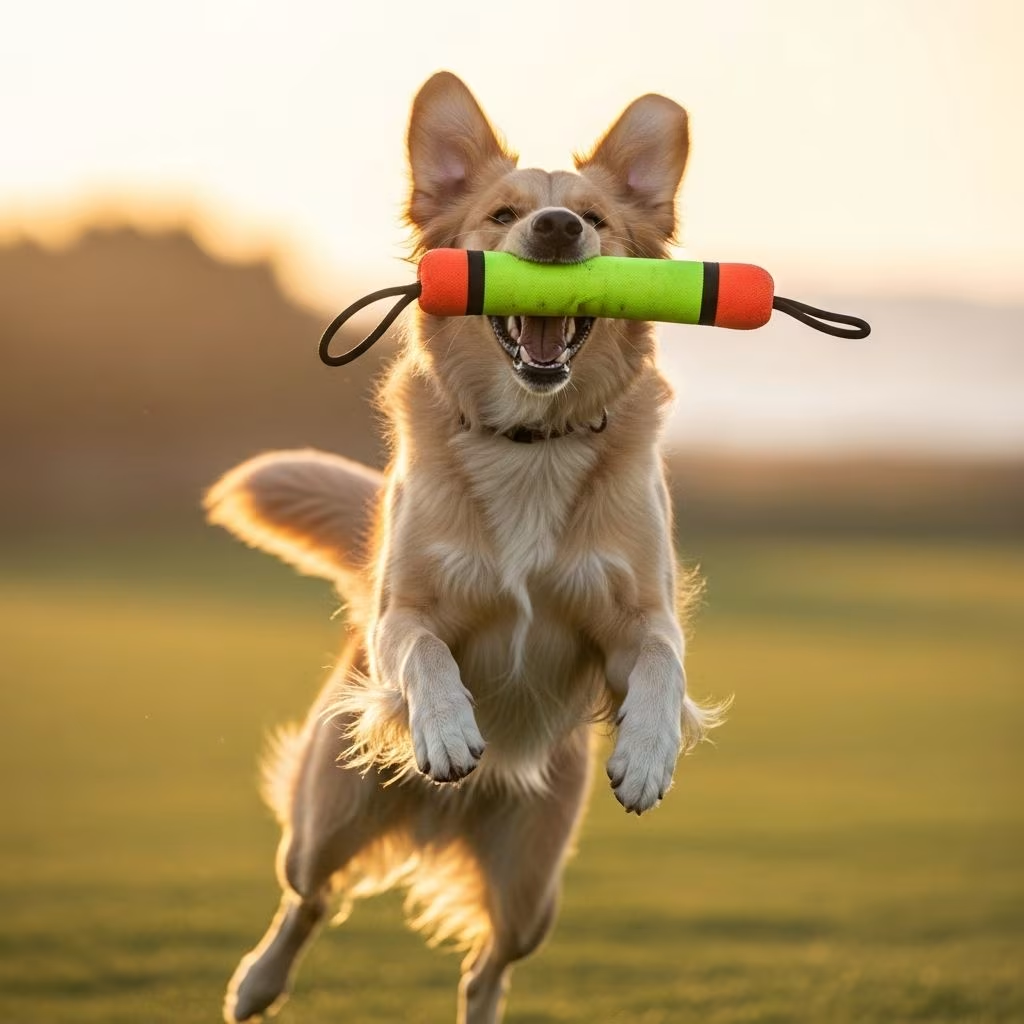
Chase toys tap into a dog’s primal instincts, offering a dynamic way to burn energy through sprinting, leaping, and pursuing. These tools not only deliver vigorous physical workouts but also sharpen cognitive skills, helping high-drive dogs settle down faster after play.
Why Chase Games Matter for Your Dog’s Health
Dogs bred for herding, hunting, or guarding often possess boundless vitality that requires targeted outlets. Regular chase activities fulfill their need to pursue, preventing frustration that leads to destructive habits like excessive barking or furniture chewing.
Physically, these games enhance cardiovascular endurance, muscle tone, and joint flexibility. Mentally, the unpredictability of toy movement demands focus and quick decision-making, mimicking natural foraging behaviors. Studies from veterinary sources emphasize how such enrichment reduces stress hormones, fostering calmer demeanors at home.
- Boosts aerobic capacity through repeated sprints.
- Improves coordination and agility.
- Reduces obesity risks by increasing daily calorie burn.
- Strengthens owner-pet bonds via interactive sessions.
Essential Features of Top-Quality Chase Toys
Selecting the right toy prioritizes safety, longevity, and appeal. Opt for non-toxic, chew-resistant materials like reinforced rubber or thick nylon to withstand aggressive play. Toys should be appropriately sized to avoid choking hazards and buoyant for water use if desired.
| Toy Type | Key Features | Best For |
|---|---|---|
| Balls | Bouncy, durable rubber; floats | All breeds, water play |
| Flying Discs | Flexible edges, aerodynamic | Open spaces, fetch enthusiasts |
| Flirt Poles | Long pole, tethered lure | Controlled indoor/outdoor chases |
| Lure Systems | Motorized or manual pull | High-energy working dogs |
Durability testing shows that high-grade silicone or thermoplastic elastomers outlast cheap plastics, which splinter and pose ingestion risks.
Flirt Poles: Controlled Pursuit for Any Space
These handheld devices feature a long flexible rod with a knotted rope or soft toy attachment, allowing owners to tease and direct the chase. Unlike thrown toys, flirt poles keep the item in constant reach, ideal for apartments or yards with boundaries.
Start sessions slowly to build excitement without overwhelming novice dogs. Jerk the pole erratically to simulate prey, encouraging explosive bursts of speed. Sessions of 5-10 minutes can equate to 30 minutes of straight running in fatigue impact.
- Adjustable speed and direction for skill progression.
- Prevents keep-away games since the toy stays attached.
- Low-impact on joints when played on soft surfaces.
Classic Balls and Discs: Timeless Chasers
Nothing rivals the simplicity of a rugged ball or disc for fetch. Erratic bounces provoke instinctive tracking, while long-distance throws maximize exertion. Choose textured surfaces for better grip and visibility in low light.
For enhanced challenge, roll balls along the ground rather than hurling overhead to minimize erratic jumps that strain shoulders. Discs excel in open fields, gliding far to satisfy deep-chasing urges.
Incorporate variety by alternating textures or sizes, keeping play fresh and preventing fixation on one item.
Advanced Lure Courses: Pro-Level Exhaustion
Lure coursing replicates greyhound racing with a motorized pulley system dragging a fabric dummy along a wire. Portable kits fit backyards, offering speeds up to 20 mph over 100-foot runs.
Safety tethers and bumpers prevent tangles, while modular setups allow customization. These demand full-body commitment—galloping, turning, pouncing—delivering comprehensive fatigue in short bursts.
Ideal for athletic breeds like Border Collies or Terriers, but scale down for smaller dogs with slower settings.
Safety Protocols for Injury-Free Play
Vigorous chasing risks sprains or overexertion if mismanaged. Always warm up with walks, play on even terrain like grass, and monitor for fatigue signs like heavy panting.
- Secure collars during dives to avoid whiplash.
- End sessions on a high note, before exhaustion sets in.
- Avoid slippery or sloped areas.
- Inspect toys daily for wear.
For puppies or seniors, limit intensity and duration, consulting vets for breed-specific advice.
Infusing Mental Workouts into Chase Routines
Pure physicality builds stamina but tires minimally compared to brain games. Layer commands like ‘sit’ or ‘wait’ before releases, turning play into obedience drills.
Hide toys for scent work, or use chases as training rewards. Puzzle-integrated balls that dispense kibble combine pursuit with problem-solving, amplifying tiredness.
This hybrid approach yields naps post-play, freeing owners for downtime.
Tailoring Toys to Breed and Age
Herder breeds crave directional pursuits like flirt poles, while retrievers favor balls. brachycephalic dogs need low-jump options to protect airways.
| Breed Group | Recommended Toys | Play Style |
|---|---|---|
| Herding | Lure courses, poles | Precision chasing |
| Sighthounds | Long lures, discs | High-speed sprints |
| Retrievers | Balls, floaters | Repeated fetches |
| Seniors/Puppies | Short poles, soft balls | Gentle engagement |
Indoor Alternatives for Limited Spaces
Apartments demand compact solutions. Hallway flirt poles or laser pointers mimic chases without vast areas. Treat-dispensing rollers encourage nose-down pursuits indoors.
Remote-controlled balls add unpredictability, zipping under furniture to provoke stalk-and-pounce sequences safely.
Tracking Progress and Adjusting Routines
Observe post-play recovery: quicker sleeps signal effective tiring. Vary toys weekly to maintain interest, logging sessions for optimal frequency—typically 15-20 minutes daily for most adults.
Combine with walks for balanced fitness, aiming for 30-60 total activity minutes per day depending on age and health.
FAQs
How often should I play chase games with my dog?
Three to five sessions weekly, 10-15 minutes each, suffice for most dogs, adjusting for energy levels.
Are chase toys suitable for all dogs?
Yes, with modifications; consult vets for those with joint issues or aggression.
Can chase toys help with separation anxiety?
Indirectly, by expending energy and building confidence through play.
What if my dog won’t return the toy?
Use flirt poles or two-toy swaps to teach drop-it without frustration.
Are motorized lures safe for puppies?
Start with manual versions; introduce motors after 6 months.
References
- Why your cat will love the dog chasing toy too! — FlounderCat. 2023-05-15. https://floundercat.com/post/why-your-cat-will-love-the-dog-chasing-toy-too
- How Interactive Toys Enhance Your Dog’s Well-being — My Intelligent Pets. 2024-02-10. https://myintelligentpets.com/blogs/blog/playtime-prowess-how-interactive-toys-enhance-your-dogs-well-being
- Dog Chase Toys to Tire Your Pup Out — Whole Dog Journal. 2024-08-20. https://www.whole-dog-journal.com/lifestyle/dog-chase-toys-to-tire-your-pup-out/
- A Guide to Using Chase & Fetch Dog Toys — Barc London. 2023-11-05. https://www.barclondon.com/blogs/product-guides/fetch-dog-toys
- Benefits of Dog Enrichment Toys — Mountainside Veterinary Hospital. 2024-01-12. https://www.mountainsidevets.com/blog/dog-enrichment-toys



