

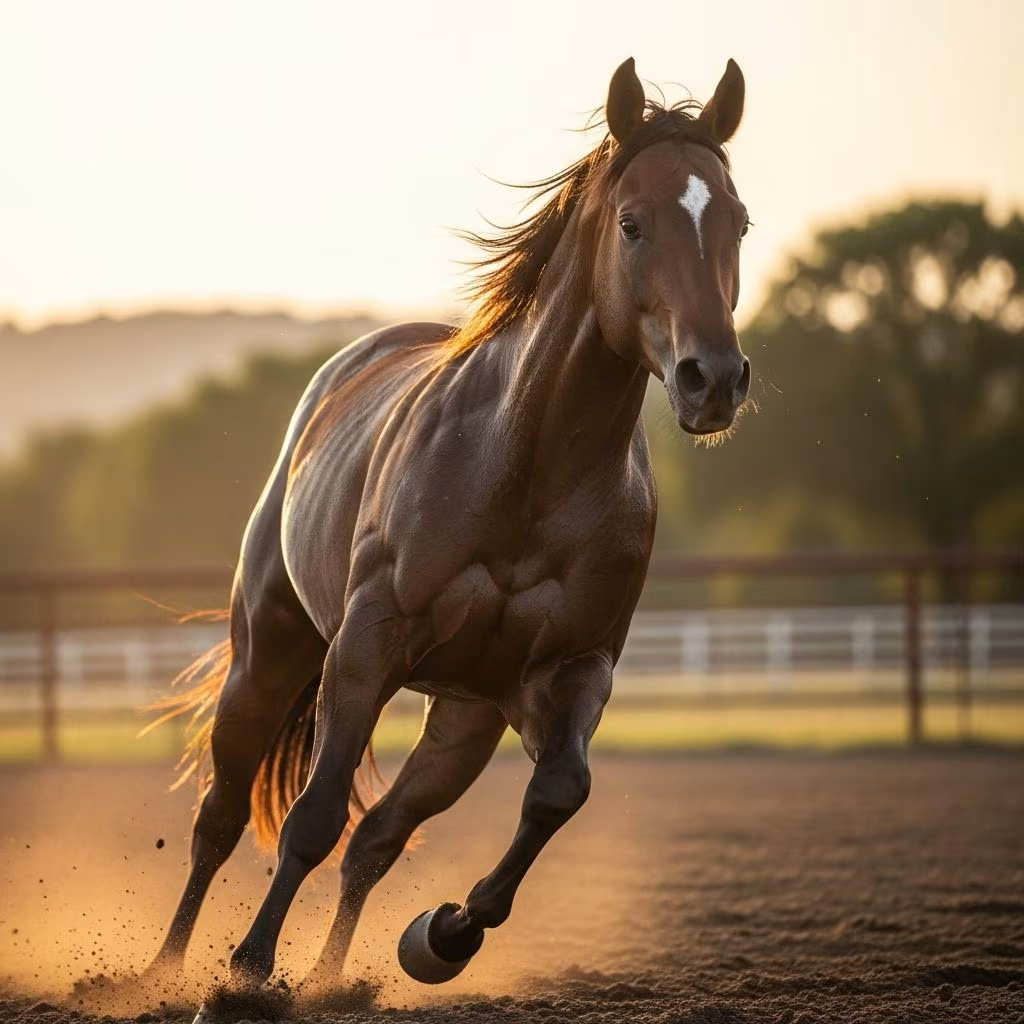
Exertional myopathies represent a group of muscle disorders in horses that manifest during or immediately after physical activity, leading to pain, stiffness, and reduced performance. These conditions, often encompassing exertional rhabdomyolysis or \”tying-up,\” arise from muscle tissue breakdown triggered by intense exercise, nutritional issues, or genetic predispositions. Affected horses may show anything from mild gait changes to severe collapse, making early recognition crucial for veterinary intervention.
Defining Muscle Strain During Exercise
At its core, an exertional myopathy involves the disruption of normal muscle function under stress. When horses engage in strenuous work, muscle fibers can suffer damage if demands exceed their capacity, resulting in the release of intracellular contents like enzymes and myoglobin into the bloodstream. This process, known as rhabdomyolysis in severe forms, can impair kidney function if unchecked.
Horses in disciplines like racing, endurance riding, or eventing are particularly susceptible. The condition disrupts energy production within muscle cells, leading to cramps and fatigue. Unlike chronic muscle diseases, exertional forms are tied directly to activity levels, often resolving with rest but recurring without management changes.
Primary Triggers and Risk Factors
Several factors contribute to the onset of these myopathies. Overexertion tops the list, especially when horses return to training after prolonged rest or face sudden intensity spikes. Poor conditioning amplifies this risk, as unfit muscles fatigue quickly, accumulating metabolic byproducts like lactic acid that lower pH and damage cell membranes.
- Environmental stressors: Hot, humid conditions during endurance events promote dehydration and electrolyte loss, exacerbating muscle failure through impaired ion pumps.
- Nutritional imbalances: Diets high in carbohydrates without balanced electrolytes or vitamins can lead to excessive glycogen buildup, priming muscles for injury.
- Infections: Recent viral illnesses, such as equine herpesvirus or influenza, weaken muscles, making them prone to breakdown during exercise.
- Genetic vulnerabilities: Inherited disorders like polysaccharide storage myopathy (PSSM) cause abnormal energy storage, increasing rhabdomyolysis risk even with light work.
In endurance scenarios, exhaustion syndrome combines hyperthermia with sodium and potassium deficits, halting ATP production essential for muscle contraction. Thoroughbreds and Quarter Horses show breed-specific patterns, with some linked to calcium regulation flaws mimicking malignant hyperthermia.
Recognizing Clinical Manifestations
Symptoms typically emerge soon after exercise begins or upon cooling down. Early subtle cues include hesitancy to maintain pace, excessive sweating uphill, or prolonged heart rate recovery at checks. As the condition progresses, horses display pronounced signs centered on the hindquarters and back.
| Symptom | Description | Severity Level |
|---|---|---|
| Muscle Firmness | Hard, painful palpation over gluteals and loin | Mild to Severe |
| Gait Abnormalities | Shortened hind strides, stiffness, reluctance to move | Mild |
| Autonomic Signs | Sweating, tachycardia, tachypnea, tremors | Moderate |
| Advanced Indicators | Dark urine (myoglobinuria), collapse, colic-like distress | Severe |
Owners often note anxiety, pawing, or shifting weight, mimicking colic or laminitis. In extreme cases, recumbency and renal compromise follow massive necrosis. Endurance horses may ataxia alongside elevated CK levels, but without firm muscles.
Diagnostic Approaches
Diagnosis hinges on history, clinical exam, and lab confirmation. Post-exercise bloodwork reveals skyrocketing creatine kinase (CK) and aspartate aminotransferase (AST), markers of muscle lysis persisting 24-72 hours. Myoglobinuria confirms severe rhabdomyolysis via urine discoloration.
Further tests differentiate sporadic from recurrent forms:
- Muscle biopsy: Reveals glycogen overload in PSSM or myofibrillar disruptions.
- Genetic panels: Screen for PSSM1 mutations or MH susceptibility.
- Electrolyte profiling: Identifies imbalances like hypokalemia.
Vets rule out differentials through imaging or response to rest, ensuring tailored plans.
Immediate Management Strategies
Treatment prioritizes halting exercise and supporting recovery. Mild cases benefit from stall rest, anti-inflammatories like flunixin meglumine, and IV fluids to flush myoglobin and stabilize electrolytes.
Severe episodes demand hospitalization: polyionic fluids prevent acute kidney injury, while monitoring vital signs guides therapy. Sedatives calm distress, and urine alkalinization aids toxin clearance. Most horses improve within days, but genetic cases require lifelong adjustments.
Genetic and Recurrent Variants
Not all tying-up stems from sporadic overwork. PSSM type 1, prevalent in drafts and Warmbloods, features polysaccharide accumulation, causing stiffness post-light exercise due to energy deficits. Type 2 involves subtler genetics without enzyme spikes.
Malignant hyperthermia, rare in Quarter Horses, triggers fatal rigidity from anesthesia or stress via ryanodine receptor flaws. Combined with PSSM, outcomes worsen dramatically. Shivering and gait issues may signal EPSM overlaps.
Prevention Through Training and Nutrition
Proactive measures slash recurrence. Gradual conditioning builds muscle resilience, avoiding post-layoff surges. Warm-ups and cool-downs mitigate acute strains.
Dietary tweaks are pivotal:
- Low-starch feeds for PSSM horses to curb glycogen excess.
- Electrolyte supplementation in hot weather.
- Vitamin E and selenium for antioxidant protection.
Regular monitoring—pre-ride checks, enzyme baselines—catches issues early. Avoid exercising sick horses.
Performance Impacts and Long-Term Outlook
Untreated myopathies derail careers, fostering chronic pain or fear of work. With intervention, most sporadic cases resolve fully, returning to competition. Genetic horses thrive on managed regimens, sustaining usefulness.
Endurance riders emphasize vet checks for CRI failures, enabling mid-ride halts.
Frequently Asked Questions
What is the most common cause of tying-up in horses?
Overexertion after rest or inadequate fitness levels triggers most sporadic cases, compounded by diet or environment.
How do I differentiate tying-up from colic?
Tying-up features hindquarter firmness and gait stiffness versus colic’s abdominal focus; bloodwork confirms muscle origin.
Can all horses recover from severe rhabdomyolysis?
Yes, with prompt fluids and rest, though kidney monitoring is key; genetic forms need ongoing care.
Is PSSM curable?
No, but diet and exercise modifications control symptoms effectively.
When should I call a vet for suspected myopathy?
Immediately upon stiffness, sweating, or dark urine post-exercise.
References
- Exertional Rhabdomyolysis in Horses: Causes, Symptoms — Mad Barn. 2023. https://madbarn.com/exertional-rhabdomyolysis-in-horses/
- Exertional Rhabdomyolysis in Horses — PetMD. 2023. https://www.petmd.com/horse/conditions/musculoskeletal/exertional-rhabdomyolysis-horses
- Muscle: myopathy – sporadic exertional rhabdomyolysis — Vetlexicon Equis. 2024. https://www.vetlexicon.com/equis/musculoskeletal/articles/muscle-myopathy-sporadic-exertional-rhabdomyolysis/
- Watch for the Subtle Signs of Exertional Myopathy — AERC. 2023. https://aerc.org/signs-of-exertional-myopathy/
- Exertional rhabdomyolysis — Wolf Creek Equine Hospital. 2015. https://www.wolfcreekequine.com/uploads/1/3/9/4/139406444/exertional_rhabdomyolysis.pdf



