

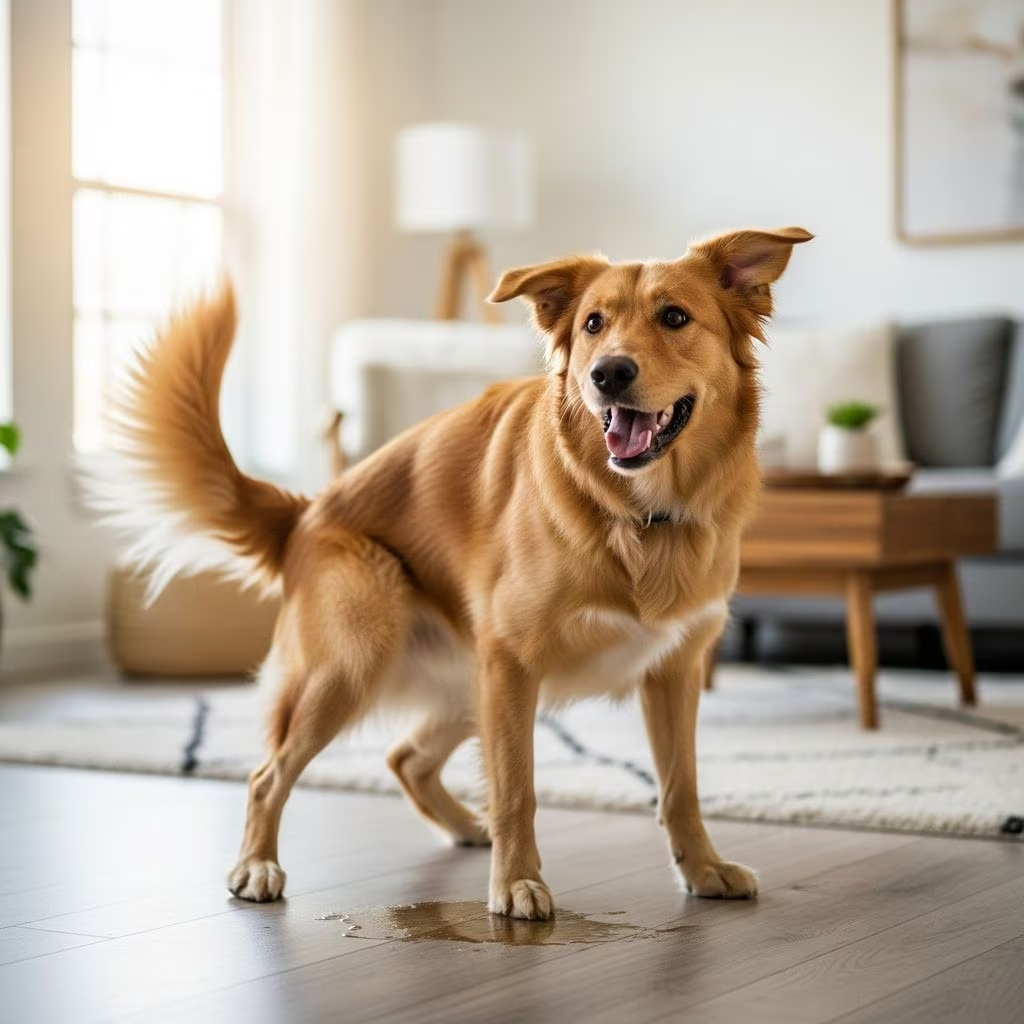
Many dog owners encounter the frustrating sight of their pet releasing a small stream of urine during moments of high joy, such as greetings or playtime. This phenomenon, known as excitement urination, stems from an involuntary bladder response triggered by overwhelming enthusiasm rather than spite or poor training. Puppies are especially prone due to underdeveloped bladder muscles, but it can persist into adulthood if not addressed. Understanding the distinction between pure excitement leaks, submissive signals mixed with joy, and potential health problems is key to resolution.
Understanding the Bladder Reflex in Thrilled Canines
When a dog becomes overly stimulated, their nervous system can override voluntary control of the sphincter muscles guarding the bladder. This reflex is similar to how humans might sneeze uncontrollably from irritation. In canines, it often manifests as a brief dribble rather than a full voiding, signaling the brain’s focus on the thrill overrides other bodily functions. Young dogs under 12 months typically outgrow this as their neuromuscular system matures, gaining better coordination between excitement and continence.
Behavioral experts note that this isn’t deliberate mischief. Instead, it’s a physiological overflow where adrenaline surges weaken bladder retention temporarily. Owners often observe it during reunions after absences, vigorous petting, or lively games, underscoring its link to positive arousal.
Distinguishing Excitement Urination from Submissive or Conflict Types
Not all involuntary peeing during interactions is purely excitement-based. Submissive urination arises from fear or deference, often accompanied by cowering, tail tucking, or rolling over, whereas excitement leaks feature wagging tails, jumping, and eager approaches. Conflict urination blends both, occurring when a dog desires interaction but feels uncertain, leading to anxious dribbles amid wiggling or freezing postures.
| Type | Triggers | Body Language | Typical Age |
|---|---|---|---|
| Excitement | Greetings, play, returns home | Wagging tail, jumping, wiggling | Puppies/young adults |
| Submissive | Scolding, direct stares, looming | Cowering, ears back, rolling over | Any age, often fearful dogs |
| Conflict | Mixed emotions in greetings | Freezing, partial submission, anxiety | Variable |
This table highlights observable differences to aid accurate identification, crucial for tailored interventions.
Medical Conditions Mimicking Excitement Peeing
Before assuming behavioral roots, rule out health issues. Urinary tract infections (UTIs) irritate the bladder, prompting frequent small leaks mistaken for excitement responses. Symptoms include straining, blood in urine, or odor changes. Bladder stones, kidney disease, diabetes, or ectopic ureters (abnormally placed urinary openings) impair control, often with increased thirst or accidents outside excitement.
Veterinarians recommend a full workup: urinalysis for infections/crystals, blood panels for endocrine disorders, and imaging like ultrasounds for structural anomalies. Medications such as corticosteroids or diuretics can exacerbate leaks, so disclose all treatments. Sudden onset in adults or persistence beyond puppyhood warrants immediate vet consultation.
Practical Daily Management Strategies
Immediate relief comes from proactive routines. Schedule frequent potty breaks—every 2-4 hours for puppies, more if confined—ensuring the bladder empties before excitement peaks. Enlist dog walkers or family for midday relief during work hours.
- Take dogs out right before high-stimulation events like arrivals.
- Increase exercise: 30-60 minutes daily of walks, fetch, or agility to burn excess energy, reducing over-arousal.
- Mental puzzles like treat-dispensing toys prevent boredom-fueled hyperactivity.
Clean accidents with enzymatic cleaners to erase scents that encourage repeats, maintaining a neutral environment.
Training Techniques to Build Bladder Confidence
Positive reinforcement reshapes responses without punishment, which worsens submissive elements. Ignore greetings initially: Enter calmly, avoid eye contact or talking for 1-2 minutes, letting excitement subside before engaging.
- Practice calm entries: Reward sits or downs with treats post-settling.
- Teach “place” command: Direct to a mat during arrivals, reinforcing with praise after urine-free waits.
- Desensitize gradually: Start with short absences, building tolerance to reunions.
Consistency across household members prevents confusion. Professional trainers using counter-conditioning can accelerate progress for stubborn cases.
Age-Specific Approaches for Lasting Results
Puppies under 6 months benefit most from patience and routine, as maturity naturally resolves 80-90% of cases by one year. Adolescents (6-18 months) need structured play to channel energy, preventing reinforcement of leaky habits.
Adults persisting may indicate incomplete housetraining or conflict; revisit crate training basics—short confinements when alone, rewarding empty-bladder returns. Spayed/neutered dogs sometimes show reduced incidents post-procedure due to hormonal stabilization.
Advanced Interventions and When to Escalate
If behavioral tweaks fail after 4-6 weeks, consult veterinary behaviorists. Medications like fluoxetine (Prozac for dogs) calm over-reactive nerves in severe cases, prescribed post-medical clearance. pheromone collars mimicking calming maternal scents aid anxiety-tinged excitement.
Track incidents in a journal: note timing, duration, context, and diet to spot patterns. Hydration management—measured water intake—prevents overload without dehydration risks.
Common Myths and Proven Realities
- Myth: Dogs pee to spite owners. Reality: It’s involuntary; spite requires advanced cognition absent in canines.
- Myth: Rubbing noses in messes helps. Reality: Punishment heightens fear, perpetuating cycles.
- Myth: It lasts forever. Reality: Most outgrow or improve with intervention.
Frequently Asked Questions (FAQs)
Will my puppy outgrow excited peeing?
Yes, most puppies mature out of it by 12 months as bladder control strengthens, especially with consistent management.
Is excitement urination a sign of poor training?
No, it’s physiological, not a training failure. Focus on prevention and positive methods rather than correction.
How often should I take my dog out to prevent leaks?
Puppies: every 2 hours; adults: 4-6 times daily, plus pre-greeting breaks.
Can diet influence this behavior?
Excessive water or diuretic foods may contribute; consult vets for balanced plans.
What if my adult dog starts this suddenly?
Seek vet evaluation promptly to exclude UTIs, stones, or kidney issues.
By combining veterinary oversight, routine adjustments, and gentle training, most dogs achieve reliable control, fostering harmonious homes. Patience yields dry floors and joyful bonds.
References
- When Excitement Causes Your Dog to Tinkle: Conflict (Submissive and Excitement Urination) — CattleDog Publishing. 2023. https://cattledogpublishing.com/blog/when-excitement-causes-your-dog-to-tinkle-conflict-submissive-and-excitement-urination/
- My Dog Pees When Excited—Is This Normal? — Chewy. 2024-01-15. https://www.chewy.com/education/dog/training-and-behavior/dog-peeing-when-excited
- My Dog Pees When Excited — Help! — Zoetis Petcare. 2023-05-10. https://www.zoetispetcare.com/blog/article/dog-pees-when-excited
- Submissive, Excitement, and Conflict Urination — VCA Animal Hospitals. 2024. https://vcahospitals.com/know-your-pet/dog-behavior-problems–submissive-excitement-and-conflict-urination
- Why Dogs Pee When Excited or Scared — PetMD. 2023-11-20. https://www.petmd.com/dog/behavior/why-dogs-pee-when-excited-or-scared
- Training to Stop Submissive Urination in Dogs — WebMD. 2024-02-05. https://www.webmd.com/pets/dogs/submissive-urination



