

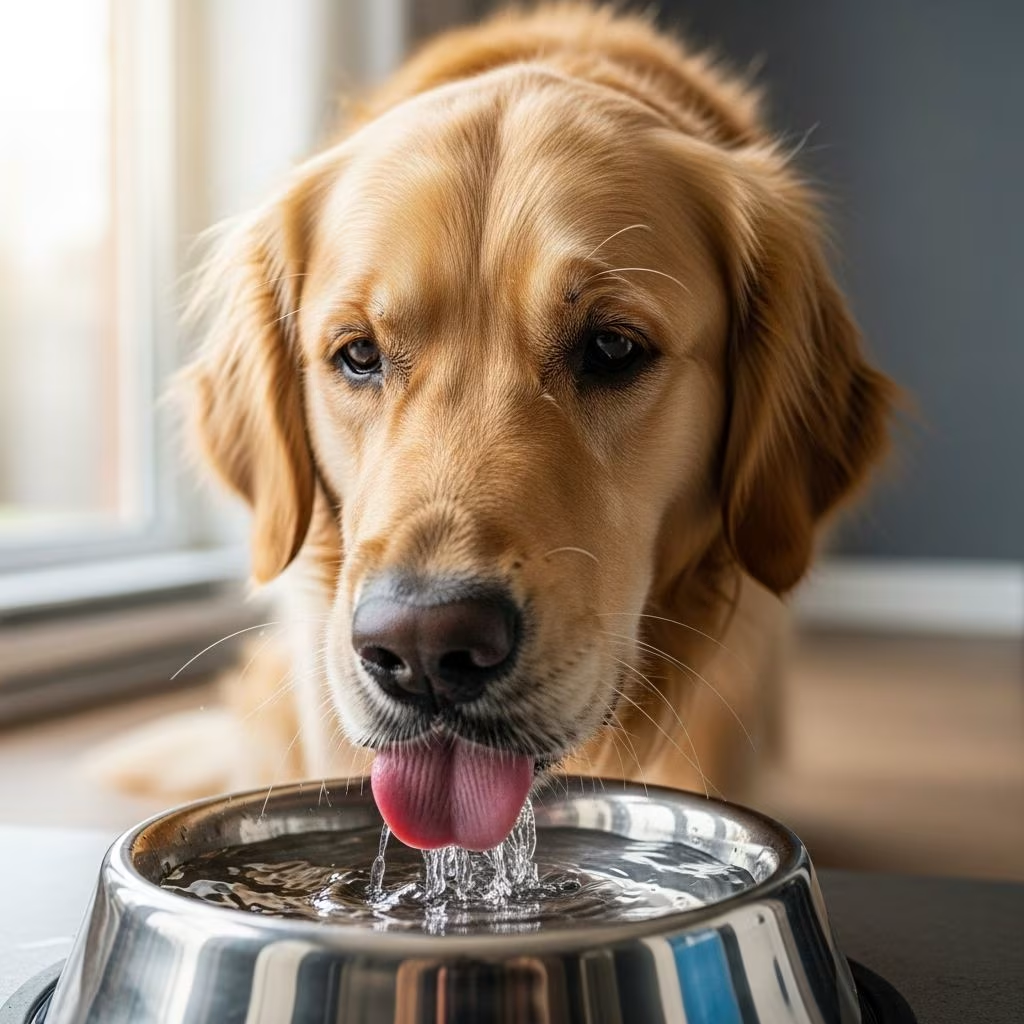
Noticing that your dog is consuming unusually large amounts of water can be concerning for any pet owner. While increased water intake may sometimes result from benign environmental factors or temporary conditions, it can also serve as an indicator of underlying health complications. Understanding the distinction between normal hydration patterns and abnormal consumption is essential for maintaining your dog’s wellbeing and recognizing when professional veterinary evaluation becomes necessary.
Recognizing Normal Versus Abnormal Water Consumption
Dogs typically adjust their water intake based on their environment, activity level, and diet. Normal variations in drinking behavior occur seasonally and throughout the day. However, when your dog’s water consumption increases significantly from their baseline patterns over an extended period, it warrants attention. The challenge for pet owners lies in distinguishing between expected fluctuations and genuine changes that merit medical investigation.
Several factors influence how much water a dog naturally requires. Younger dogs and puppies often display higher fluid intake because their kidneys have not yet fully matured their urine-concentrating capacity. Similarly, senior dogs may experience changes in their drinking habits due to age-related physiological shifts or cognitive changes. If your dog’s thirst levels have changed noticeably compared to their usual patterns, documenting these changes can help your veterinarian make an accurate diagnosis.
Environmental and Lifestyle Factors Contributing to Increased Thirst
Before attributing increased water consumption to disease, it’s important to evaluate environmental and lifestyle variables that commonly influence drinking behavior:
- Temperature and Humidity: Warmer weather and elevated humidity levels naturally increase a dog’s need for hydration as they rely on water intake to maintain proper body temperature regulation. Dogs may drink more during summer months or when exposed to heated indoor environments, particularly when home heating systems reduce air moisture.
- Physical Activity Level: Dogs engaging in strenuous exercise or increased play sessions require more water to replenish fluids lost through panting and perspiration. Active dogs naturally compensate by drinking more frequently.
- Dietary Composition: A diet rich in sodium content or primarily consisting of dry kibble can trigger increased thirst as your dog’s body seeks to maintain electrolyte balance. High-salt treats and meals may stimulate drinking behavior in response to your dog’s natural physiological needs.
- Water Availability: Some dogs drink excessively simply because water remains constantly accessible. Dogs confined to crates during the day without access to water bowls may exhibit compensatory drinking behavior when finally given the opportunity.
- Indoor Environmental Conditions: Dry air from heating systems can cause dogs to drink more, especially during evening hours when heat is typically running. Using a humidifier in areas where your dog rests may help reduce this behavior.
Behavioral and Psychological Influences on Drinking Patterns
Psychological factors occasionally contribute to excessive water consumption in dogs. Stress, anxiety, boredom, and attention-seeking behaviors can manifest as increased drinking. Dogs experiencing emotional distress or insufficient mental stimulation may turn to water consumption as a coping mechanism or means of garnering attention from their owners. Providing adequate exercise, enrichment activities, and companionship can help address drinking related to these psychological causes. However, before attributing excessive thirst to behavioral issues, medical causes should be systematically ruled out through veterinary consultation.
Major Health Conditions Associated with Increased Thirst
When environmental and behavioral factors have been eliminated as potential causes, medical evaluation becomes critical. Several serious health conditions present with excessive thirst as a primary symptom:
Diabetes Mellitus
Diabetes represents one of the most common endocrine disorders in dogs causing increased water consumption. When a dog’s body either fails to produce adequate insulin or cannot utilize insulin effectively, blood glucose levels become elevated. The kidneys respond by working harder to filter excess sugar from the bloodstream, which triggers increased urination. To compensate for fluid loss, the dog drinks greater amounts of water. Dogs with diabetes often simultaneously exhibit increased appetite despite weight loss, heightened urination frequency, and lethargy. Early recognition of these signs enables timely management of the condition through dietary modifications and insulin therapy.
Kidney Disease
Chronic kidney disease develops gradually and represents a significant cause of excessive drinking in middle-aged and senior dogs. The kidneys’ primary function involves filtering metabolic waste products from the bloodstream while conserving essential fluids. When kidney function deteriorates, the organ loses its efficiency in this concentrating process. Consequently, excess water is lost through urine, leading to dehydration and triggering compensatory drinking. Dogs with kidney disease may also display decreased appetite, weight loss, vomiting, and behavioral changes. Early-stage kidney disease may require only dietary management and monitoring, while advanced cases necessitate more intensive veterinary intervention.
Cushing’s Disease
Cushing’s disease, medically termed hyperadrenocorticism, develops when the adrenal glands produce excessive cortisol. This hormone imbalance disrupts the kidneys’ ability to concentrate urine appropriately. Elevated cortisol levels block other hormones essential for maintaining water balance, resulting in increased urination and corresponding excessive thirst. Additional symptoms often accompanying this condition include excessive panting, hair loss, a pot-bellied appearance, and increased hunger. This condition occurs more frequently in middle-aged and senior dogs and requires specialized diagnostic testing and ongoing management.
Liver Disease
The liver performs multiple critical functions including detoxification, hormone production, and nutrient metabolism. When liver function becomes compromised through infection or disease, several physiological pathways can trigger increased urination and thirst. Bacterial infections of the liver, particularly those caused by leptospirosis, represent serious conditions requiring immediate veterinary attention. Leptospirosis spreads through infected rodent urine and is commonly found in stagnant water sources. Untreated liver infections can prove fatal due to systemic complications.
Urinary Tract Infections
While often overlooked as a cause of excessive water consumption, urinary tract infections can contribute to increased thirst and urination patterns. These infections prompt the kidneys to produce larger volumes of urine, triggering compensatory drinking.
Medication-Related and Metabolic Factors
Certain medications and metabolic conditions can increase water consumption as a side effect. Diuretic medications used to treat heart conditions increase urinary output, necessitating greater fluid intake. Corticosteroids such as prednisone and anti-seizure medications like phenobarbital similarly affect fluid regulation. If your dog recently began a new medication and subsequently increased water consumption, discussing potential side effects with your veterinarian becomes important.
Electrolyte imbalances involving sodium and potassium can also trigger excessive thirst. These imbalances disrupt the kidneys’ ability to maintain proper water conservation. Causes of electrolyte disturbances include dehydration, high-sodium dietary intake, certain toxins, and underlying medical conditions. Warning signs of electrolyte problems include vomiting, diarrhea, lethargy, weakness, and neurological symptoms such as circling or seizures.
Gastrointestinal Issues and Secondary Complications
Vomiting and diarrhea frequently lead to dehydration, prompting dogs to increase water intake as their body attempts to restore fluid balance. However, dogs that consume large quantities of water rapidly following gastrointestinal upset may experience additional regurgitation. When gastrointestinal symptoms persist, become severe, or occur frequently, veterinary evaluation is necessary to identify underlying causes and prevent complications.
Reproductive System Infections
Female dogs that remain unspayed face risk of developing pyometra, a life-threatening uterine infection. This serious condition causes bacterial toxins to enter the bloodstream, disrupting the kidneys’ ability to retain urine. Affected dogs display increased thirst and urination alongside other symptoms including vaginal discharge, fever, lethargy, appetite changes, and vomiting. Pyometra becomes fatal if untreated, as the infection progresses to sepsis affecting the entire body. Immediate veterinary intervention is essential for dogs displaying these symptoms.
When to Seek Veterinary Care
Determining the appropriate time to contact your veterinarian requires careful observation of your dog’s symptoms. Schedule a veterinary appointment if:
- Water consumption increases noticeably from your dog’s baseline pattern
- Excessive drinking persists for more than a few days
- Increased thirst accompanies other symptoms such as weight loss, appetite changes, lethargy, or behavioral differences
- Your dog displays vomiting, diarrhea, or neurological signs in conjunction with increased drinking
- Your dog recently began new medications
- Senior dogs show sudden changes in drinking or urination patterns
Diagnostic Approaches and Testing
Your veterinarian will conduct a thorough examination and may recommend diagnostic testing to identify the underlying cause of excessive drinking. Common diagnostic approaches include blood work to assess kidney function, glucose levels, electrolyte balance, and hormone levels; urinalysis to evaluate urine concentration and identify abnormalities; and imaging studies such as ultrasound to visualize internal organs. These tests help differentiate between the various conditions causing excessive thirst and guide appropriate treatment decisions.
Treatment Considerations and Management
Treatment approaches vary substantially depending on the underlying cause. Some conditions like early-stage kidney disease respond well to dietary management and monitoring alone, while others require medications or more intensive interventions. Diabetes management typically involves insulin therapy combined with dietary modifications. Cushing’s disease requires medications to regulate cortisol production. Infections may require antibiotics, and some conditions may necessitate hospitalization.
Preventive Measures and Long-term Care
While not all causes of excessive drinking can be prevented, certain measures support overall urinary and kidney health. Maintaining appropriate body weight, providing regular exercise, ensuring access to fresh water throughout the day, and feeding high-quality diets appropriate for your dog’s age and health status contribute to long-term wellness. Regular veterinary check-ups, particularly for senior dogs, enable early detection of developing health issues before they progress.
Conclusion
Excessive water drinking in dogs can stem from simple environmental factors or signal serious underlying health conditions. By understanding the various causes and recognizing warning signs, pet owners can make informed decisions about when veterinary consultation is necessary. Prompt professional evaluation of persistent changes in drinking behavior enables accurate diagnosis and timely treatment, ultimately supporting your dog’s health and quality of life.
References
- Why Is My Dog Drinking a Lot of Water? — PetMD. Accessed February 2026. https://www.petmd.com/dog/symptoms/why-is-my-dog-drinking-a-lot-of-water
- Why is My Dog Drinking So Much Water? — North Kenny Veterinary Clinic. Accessed February 2026. https://northkennyvet.com/blog/dog-drinking-so-much-water/
- Why Is My Dog Drinking So Much Water — Pet Townsend Veterinary Clinic. Accessed February 2026. https://pettownsendvet.com/blog/why-is-my-dog-drinking-so-much-water/
- Why is my dog or cat drinking so much water? — Calder Vets. Accessed February 2026. https://www.caldervets.co.uk/pet-help-advice/general-pet-advice/pet-health/110-why-is-my-dog-or-cat-drinking-so-much-water
- Why Is My Dog Drinking So Much Water? — Peak Veterinary. Accessed February 2026. https://www.peakveterinary.com/blog/why-is-my-dog-drinking-so-much-water



