

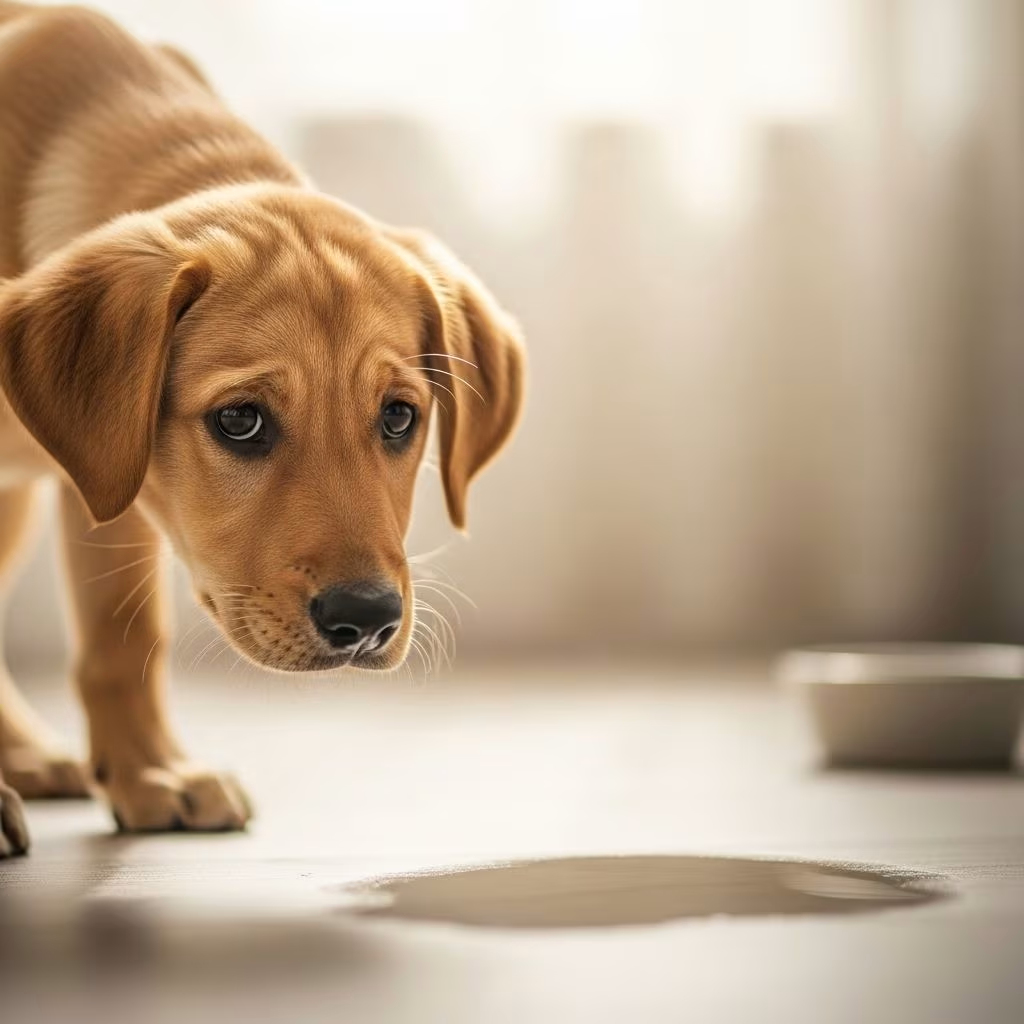
Watching your new puppy navigate the world includes observing many new behaviors, and frequent urination is one that often catches owners’ attention. While it may seem concerning, understanding the reasons behind your puppy’s bathroom habits helps distinguish between normal developmental patterns and potential health issues requiring veterinary intervention.
The Developmental Stage and Bladder Control
Young puppies experience rapid physical development during their first months of life, and bladder control represents just one aspect of this maturation process. Puppies require more frequent bathroom breaks because their bladders are proportionally smaller and their bodies are still learning to regulate fluid intake and output. During this critical period, puppies cannot hold their urine for extended periods, making multiple daily urination episodes completely normal.
The maturation of the urinary system progresses gradually. A puppy’s ability to control urination improves as neurological pathways develop and bladder capacity increases with age. This natural progression means that what appears excessive in a young puppy becomes manageable as the dog matures.
Hydration Requirements During Early Development
Puppies have elevated metabolic rates compared to adult dogs, requiring higher water intake relative to their body size. Water consumption directly influences urination frequency, as puppies need adequate hydration to prevent rapid dehydration during their growth phase. Owners who notice their puppy urinating frequently should first evaluate water intake patterns, as increased drinking naturally leads to increased elimination.
Feeding schedules also impact urination timing. Puppies typically eat three to four meals daily during their first months, with each meal triggering digestive processes that eventually lead to bathroom breaks. As puppies transition to fewer daily meals during adolescence, urination patterns often normalize automatically.
Medical Conditions Affecting Urinary Frequency
While developmental factors explain most cases of frequent urination in puppies, certain health conditions warrant veterinary evaluation. Understanding these conditions helps owners identify when excessive urination represents a legitimate health concern.
Urinary Tract Infections
Bacterial infections within the bladder represent one of the most common medical causes of increased urination in puppies. Urinary tract infections (UTIs) cause inflammation that triggers an urgent, frequent need to urinate, often accompanied by straining and discomfort. Puppies with UTIs may produce only small quantities of urine despite frequent attempts, and some may exhibit accidents in the house despite previous training success.
Additional signs of UTIs include cloudy or discolored urine, blood in the urine, or visible discomfort during elimination. Female puppies face slightly higher risk for UTIs due to anatomical differences, though any young dog can develop an infection. Prompt veterinary attention and antibiotic treatment typically resolve UTIs within one to two weeks.
Diabetes Mellitus
While diabetes typically affects older dogs more frequently, young dogs can develop this metabolic disorder. Diabetes causes excessive thirst, which naturally results in increased urination as the body attempts to eliminate excess sugar through urine. Puppies with diabetes may drink noticeably more water than littermates and urinate in proportionally larger quantities.
The condition develops when the pancreas fails to produce adequate insulin or when cells become resistant to insulin’s effects. Early detection through veterinary screening allows owners to manage this lifelong condition through diet, medication, and monitoring.
Kidney and Liver Disease
Though less common in puppies than older dogs, kidney and liver diseases can present with excessive urination. Kidney disease impairs the body’s ability to concentrate urine, leading to increased volume and frequency. Similarly, liver disease can cause polyuria (excessive urine production) in approximately half of affected dogs.
These conditions develop when organ tissue becomes damaged or infected. Congenital abnormalities, infections, or toxin exposure might cause early-onset disease in young dogs. Affected puppies typically show additional symptoms including lethargy, loss of appetite, and changes in water intake.
Bladder and Urethral Stones
Mineral accumulation within the urinary tract can form stones or crystals that irritate bladder and urethral tissues. These formations trigger frequent urination and straining. Puppies with stones may produce small amounts of urine despite the urge to go frequently, and some may exhibit blood in their urine.
Dietary factors, genetic predisposition, and urinary pH imbalances contribute to stone formation. Certain breeds show higher susceptibility to specific stone types, making dietary management important for at-risk puppies.
Behavioral and Environmental Factors
Beyond medical causes and development, environmental circumstances influence puppy urination patterns. Stress, anxiety, excitement, and changes in routine can temporarily increase urination frequency in young dogs.
Excitement urination occurs when puppies cannot control their bladder during intense emotional states, such as greeting returning family members or experiencing novel situations. This typically resolves naturally as puppies mature and develop better emotional regulation. Similarly, submission-related urination may occur in anxious or timid puppies during interactions with dominant animals or stern corrections.
Environmental temperature changes also affect urination. Puppies in cold environments may drink less and urinate less frequently, while those in warm conditions increase both activities.
Spay and Neuter Considerations
Spaying and neutering represent common veterinary procedures performed on puppies, typically between six to nine months of age. While these procedures offer numerous health benefits, they can influence urination patterns. Spayed female dogs face increased risk for urinary incontinence, which may develop years after the procedure. During the immediate post-operative period, some puppies experience temporary changes in urination frequency due to anesthesia and pain management medications.
Medications Influencing Urination
Certain medications prescribed for puppies can increase urination frequency as a side effect. Diuretics and corticosteroids commonly cause increased urine production. Puppies receiving these medications for specific health conditions may exhibit elevated urination that resolves once treatment concludes.
Owners administering medication should discuss potential side effects with their veterinarian and monitor their puppy’s response to treatment. Understanding medication effects helps distinguish between concerning symptoms and expected reactions.
When to Contact Your Veterinarian
Recognizing the difference between normal puppy behavior and potential health concerns ensures appropriate care. Contact your veterinarian if your puppy exhibits:
- Sudden increases in urination frequency without corresponding increases in water intake
- Straining or crying while urinating
- Blood or unusual discoloration in urine
- Accidents in the house after successful potty training completion
- Signs of pain or discomfort during elimination
- Accompanying symptoms such as lethargy, appetite loss, or vomiting
- Cloudy or foul-smelling urine
Your veterinarian can perform urinalysis and blood work to identify underlying conditions. Early detection of medical issues allows for prompt treatment and prevents complications.
Diagnostic Procedures for Excessive Urination
When veterinary evaluation becomes necessary, several diagnostic tools help identify the cause of excessive urination. Urinalysis examines urine composition, revealing infections, crystals, or glucose. Complete blood counts and chemistry panels assess organ function and identify hormonal imbalances. Ultrasound imaging may visualize the bladder and urinary tract to detect stones, tumors, or structural abnormalities.
These procedures provide definitive answers, guiding appropriate treatment strategies tailored to your individual puppy’s needs.
Managing Normal Puppy Urination
For puppies with normal developmental urination patterns, establishing consistent bathroom routines supports successful potty training. Frequent outdoor breaks during daytime hours accommodate your puppy’s inability to hold urine for extended periods. Most puppies benefit from outdoor elimination opportunities every two to three hours during waking periods, immediately after meals, after playtime, and before bedtime.
Accident prevention during the training phase involves supervision, appropriate containment, and positive reinforcement for outdoor elimination. Puppies respond well to consistent schedules and rewarding appropriate bathroom behavior.
Frequently Asked Questions
Is it normal for puppies to urinate eight to twelve times daily?
Yes, frequent urination represents normal behavior for young puppies. Frequency gradually decreases as puppies mature and bladder capacity increases. By six months of age, most puppies urinate four to six times daily, approaching adult patterns.
Can diet influence how often puppies urinate?
Yes, diet affects urination patterns. High-moisture diets increase urine production, while specific ingredients may influence urinary pH and stone formation risk. Discuss optimal nutrition with your veterinarian, particularly for breed-specific concerns.
How long does typical potty training take?
Consistency and patience are essential. Most puppies begin showing reliable bladder control between four and six months of age, though some require additional time. Individual variation based on breed size, individual development, and training consistency means some puppies progress faster than others.
Should I limit water intake to reduce urination?
No. Puppies require adequate water for healthy development and hydration. Restricting water creates health risks and does not address underlying training needs. Manage urination through frequent bathroom breaks rather than limiting water access.
What distinguishes normal puppy urination from a medical problem?
Medical problems typically involve sudden changes in established patterns, accompanying symptoms (straining, blood, discoloration), behavioral changes, or signs of discomfort. Normal development shows gradual decrease in frequency as puppies age, without additional concerning symptoms.
Long-Term Urinary Health Considerations
Supporting optimal urinary tract health during puppyhood establishes patterns benefiting your dog throughout life. Maintaining appropriate hydration, feeding high-quality nutrition, ensuring regular veterinary check-ups, and preventing urinary tract infections during these formative months contribute to long-term wellness. Puppies who receive thorough preventive care and prompt treatment of any issues develop into adult dogs with healthy urinary systems.
References
- Pet Health Network: Pollakiuria — Why is My Dog Urinating more Often? — Pet Health Network. Accessed January 2026. https://www.pethealthnetwork.com/dog-health/dog-diseases-conditions-a-z/pollakiuria-why-my-dog-urinating-more-often
- Why Is My Dog Peeing a Lot? — PetMD. Accessed January 2026. https://www.petmd.com/dog/symptoms/why-my-dog-peeing-lot
- Why Does My Dog Urinate So Much? — My Pet Nutritionist. Accessed January 2026. https://mypetnutritionist.com/post/why-does-my-dog-urinate-so-much/
- Why Is My Dog Peeing So Much? Urinary Frequency in Dogs — American Kennel Club. Accessed January 2026. https://www.akc.org/expert-advice/health/why-is-my-dog-peeing-so-much-urinary-frequency/
- Why Does My Puppy Pee So Much? — The Kennel Club. Accessed January 2026. https://www.royalkennelclub.com/health-and-dog-care/health-dog-care/health/health-and-care/a-z-of-health-and-care-issues/why-does-my-puppy-pee-so-much/



