

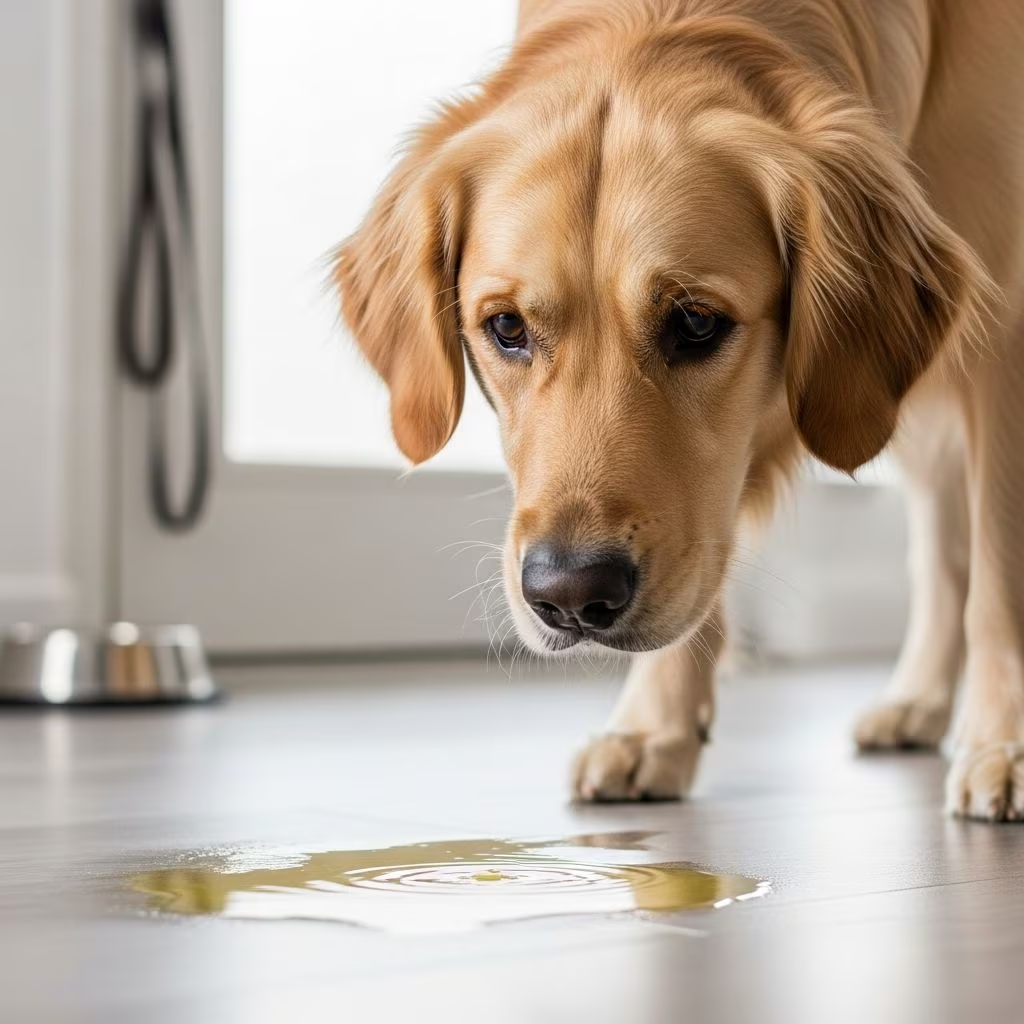
Observing your dog urinate more frequently than usual can be concerning for pet owners. This condition, known medically as polyuria for increased volume or pollakiuria for frequent small amounts, often points to underlying health issues ranging from minor infections to chronic diseases. Understanding the distinction and potential triggers is crucial for timely intervention.
Understanding Normal vs. Abnormal Urination Patterns
Dogs typically urinate 3-5 times daily, producing about 10-20 ml/kg of body weight in urine. Deviations, such as larger volumes, more frequent trips outside, or small puddles indoors, warrant observation. Factors like age, breed, diet, and spay/neuter status influence baselines—senior females and certain breeds like Dalmatians face higher risks.
- Polyuria: Large urine volumes due to overproduction, often paired with polydipsia (excessive thirst).
- Pollakiuria: Frequent urination in small amounts, signaling irritation in the lower urinary tract.
- Differentiating from incontinence: Involuntary leaks versus conscious voiding.
Common Causes of Frequent or Excessive Peeing
Several conditions disrupt normal urinary habits. Identifying accompanying symptoms helps narrow possibilities.
Urinary Tract Infections and Bladder Issues
Bacterial cystitis, or bladder infections, tops the list for pollakiuria. Bacteria irritate the bladder lining, prompting urgent, small-volume urination. Females are prone due to shorter urethras; symptoms include straining, blood-tinged urine, and house soiling in trained dogs. Stones or crystals exacerbate this, causing partial blockages.
Increased Thirst Leading to More Urine
Polydipsia drives polyuria as the body flushes excess fluid. Common culprits include:
- Hot weather or exercise, though transient.
- Dietary changes, like salty foods increasing water needs.
- Medications such as diuretics, steroids, or anti-seizure drugs.
Serious Medical Conditions Behind Excessive Urination
Beyond infections, systemic diseases demand prompt veterinary evaluation.
Kidney Disorders
Chronic kidney disease impairs urine concentration, leading to dilute, voluminous output—often the earliest sign. Acute infections (pyelonephritis) or failure cause initial polyuria followed by oliguria. Watch for vomiting, lethargy, weight loss, and nighttime urination.
| Stage of Kidney Disease | Urination Pattern | Other Signs |
|---|---|---|
| Early | Increased volume/frequency | Mild thirst increase |
| Advanced | Decreased output | Vomiting, weakness |
Diabetes Mellitus and Insipidus
In diabetes mellitus, high blood sugar spills into urine, drawing water osmotically and causing polyuria/polydipsia. Dogs may drink excessively and urinate large puddles. Diabetes insipidus stems from antidiuretic hormone deficiency, yielding dilute urine. Untreated, it leads to dehydration and weakness.
Hormonal Imbalances: Cushing’s Disease
Hyperadrenocorticism (Cushing’s) elevates cortisol, boosting thirst and urination via ACTH overstimulation. Pituitary or adrenal tumors often underlie it, with added symptoms like pot-bellied appearance and hair loss.
Liver Problems
About half of liver disease cases feature polyuria from impaired toxin processing and neurotransmitter disruptions elevating ACTH. Shunts or encephalopathy compound this.
Other Concerns: Pyometra and Tumors
Unspayed females risk pyometra, a uterine infection causing systemic polydipsia/polyuria. Bladder tumors or polyps irritate, mimicking infections.
When Excessive Urination Signals an Emergency
Not all cases are urgent, but certain signs demand immediate care. Urinary obstruction, common in male dogs from stones, prevents outflow despite straining—a 24-48 hour crisis risking kidney failure.
- Red flags: Straining without urine, bloody/discolored urine, collapse, vomiting, unrelenting thirst.
- Breed risks: Dalmatians (uric acid stones), Bulldogs (anatomy).
- Spay/neuter impact: Intact females higher pyometra risk; neutered may have incontinence.
Distinguish from similar issues: Polyuria (large volumes), incontinence (dribbling), or anuria (no urine, emergency).
Diagnostic Approaches for Accurate Identification
Vets start with history and exam, then:
- Urinalysis: Checks pH (ideal 7.0-7.5), bacteria, glucose, crystals.
- Bloodwork: Kidney values (BUN/creatinine), glucose, liver enzymes.
- Imaging: Ultrasound for stones/tumors, X-rays for obstructions.
- Cultures: Confirm infections.
Early detection via baseline tests in seniors prevents progression.
Treatment Options Tailored to the Cause
Therapy targets root issues:
| Condition | Treatment |
|---|---|
| UTI/Cystitis | Antibiotics, diet to balance pH |
| Kidney Disease | Fluids, special diets, medications |
| Diabetes | Insulin, diet management |
| Cushing’s | Trilostane or surgery |
| Obstruction | Catheterization, stone removal |
Supportive care like increased water access and monitoring aids recovery.
Prevention Strategies for Urinary Health
Proactive steps reduce risks:
- Annual vet checkups, especially post-7 years.
- Balanced diet avoiding pH extremes.
- Ample fresh water, frequent potty breaks.
- Spay females to prevent pyometra.
- Monitor for changes in seniors.
FAQs on Dog Excessive Urination
Is frequent peeing always a sign of disease?
No, but persistent changes beyond environment/diet need vet review.
How much peeing is too much?
Over 3-5 times daily or large indoor puddles signal issues.
Can diet cause this?
Yes, salty or imbalanced foods alter pH/thirst.
What if my dog strains but produces no urine?
Emergency—possible blockage.
Does age matter?
Seniors prone to kidney/diabetes; puppies may mimic via excitement.
Tracking urination via logs (frequency, volume, color) aids vets. Prompt action preserves your dog’s comfort and longevity.
References
- Why Does My Dog Urinate So Much? — My Pet Nutritionist. 2023. https://mypetnutritionist.com/post/why-does-my-dog-urinate-so-much/
- Pollakiuria: Why is My Dog Urinating more Often? — Pet Health Network. 2024-01-15. https://www.pethealthnetwork.com/dog-health/dog-diseases-conditions-a-z/pollakiuria-why-my-dog-urinating-more-often
- Excessively Frequent Urination (Pollakiuria) in Dogs — Vetster. 2025-06-10. https://vetster.com/en/symptoms/dog/excessively-frequent-urination-pollakiuria
- Excessive Urination in Dogs: Recognizing Emergency Signs — GSVS. 2024-03-20. https://gsvs.org/blog/dog-excessive-urination-emergency/
- Why Is My Dog Peeing So Much – Frequent Urination In Dogs — WagWalking. 2024. https://wagwalking.com/condition/frequent-urination
- Why Is My Dog Peeing So Much? Urinary Frequency in Dogs — AKC. 2025-02-05. https://www.akc.org/expert-advice/health/why-is-my-dog-peeing-so-much-urinary-frequency/



