

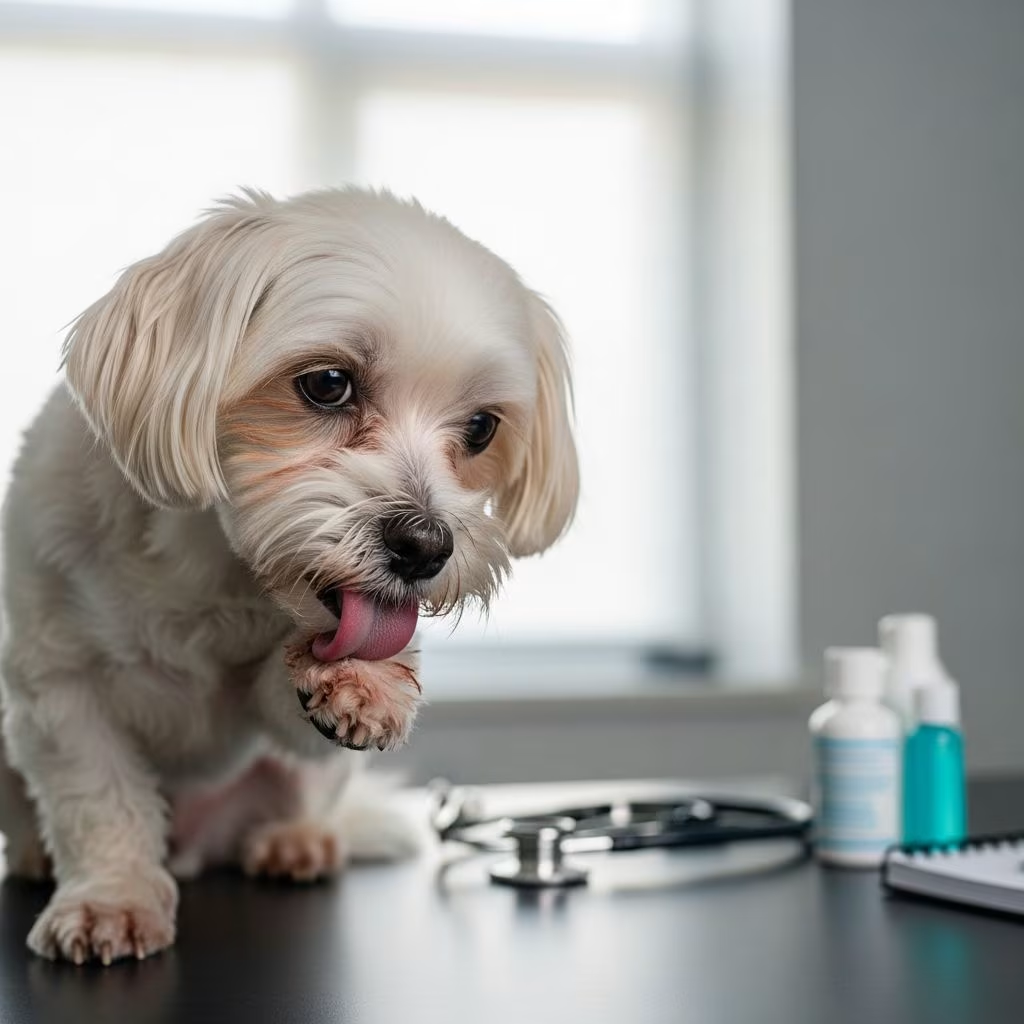
Maltese dogs, with their silky white coats and affectionate natures, often express themselves through licking. While occasional licking is normal, **excessive licking** can signal underlying issues ranging from behavioral habits to medical conditions. Understanding these behaviors helps owners intervene early, ensuring their pet’s comfort and health.
Normal vs. Problematic Licking Behaviors
Licking serves multiple purposes in dogs, including communication, self-care, and sensory exploration. For Maltese, a breed prone to skin sensitivities and emotional bonds with owners, distinguishing routine licks from concerning patterns is key. Normal licking might occur during greetings or grooming sessions, lasting seconds to minutes. Problematic licking persists for extended periods, targets specific areas like paws or genitals, or involves objects like furniture, often accompanied by redness, hair loss, or odor.
| Normal Licking | Problematic Licking |
|---|---|
| Brief greetings or affection | Hours-long sessions on paws or skin |
| Self-cleaning after meals | Raw, inflamed skin from over-licking |
| Occasional object tasting | Chewing furniture or walls obsessively |
Behavioral Reasons for Licking
Many instances of licking stem from a dog’s emotional state or instincts. Maltese, being companion breeds, amplify these tendencies.
- Affection and Bonding: Licking mimics puppyhood nursing, releasing endorphins for both dog and owner. Your Maltese may shower you with licks upon returning home, reinforcing pack bonds.
- Excitement or Overstimulation: High energy bursts, like playtime, prompt licks as an outlet. Monitor if it escalates to frantic behavior.
- Boredom and Understimulation: Without mental engagement, Maltese turn to licking surfaces or themselves. Puzzle toys and daily walks curb this.
- Submission Signals: In pack dynamics, lower-ranking dogs lick dominant ones to show respect, common when your Maltese views you as leader.
- Taste Attraction: Salty skin, food residues, or lotions entice licks. Wash hands post-meals to discourage.
Emotional Triggers Behind Persistent Licking
Anxiety plays a significant role in Maltese licking. Separation anxiety leads to self-soothing licks on paws or furniture when alone. Stress from changes like new homes or routines triggers lip-licking or air-licking as calming mechanisms, releasing endorphins to reduce tension.
Comfort-seeking licks remind dogs of maternal grooming, providing reassurance during loneliness. Habitual licking forms if reinforced, such as starting during anxious departures and continuing routinely.
Health-Related Causes of Excessive Licking
When licking causes skin damage, medical evaluation is essential. Maltese’s fine coat hides issues like irritation or infections.
Skin and Allergy Problems
Allergies top the list, causing itchy rashes that dogs lick to soothe. Environmental allergens (pollen, dust), food sensitivities (proteins like chicken), or contact irritants (shampoos) provoke reactions. Symptoms include watery eyes, sneezing, and gastrointestinal upset alongside paw-chewing.
Dry skin from low humidity or fatty acid shortages worsens, leading to raw patches and bald spots. Yeast infections thrive in moist inter-toe areas, fueled by saliva, emitting musty odors.
Paw-Specific Issues
Maltese paws suffer from allergies, yeast overgrowth, or injuries prompting obsessive licking. Enzymes in saliva aid minor healing but excess moisture breeds bacteria, creating a cycle. Acute triggers like grass irritants or chronic ones like seasonal pollen demand trigger identification.
Internal and Oral Health Concerns
Gastrointestinal distress or dental pain manifests as nausea-induced licking. Urinary issues or bladder stones cause genital licking, while anal gland impactions lead to hindquarter focus. Rare systemic illnesses alter demeanor with licking as a nonspecific sign.
Grooming Instincts Gone Awry
Instinctive self-cleaning post-outings prevents issues, but over-grooming signals discomfort. Inspecting scents via licks aids environmental navigation.
How to Diagnose the Root Cause
Observe patterns: location (paws, genitals, objects), timing (alone, greetings), and accompaniments (redness, lethargy). Track in a journal for vet discussions.
- Maintain a clean environment to rule out irritants.
- Diet trial: Switch to hypoallergenic food for 8-12 weeks.
- Video behaviors for professional review.
Vets may perform skin scrapes, allergy tests, or bloodwork. Early detection prevents complications like hot spots or infections.
Effective Management and Treatment Strategies
Tailor interventions to causes:
- Behavioral Fixes: Increase exercise (30-60 minutes daily), interactive toys, and training sessions. Ignore unwanted licks, reward calm behavior.
- Allergy Control: Antihistamines, medicated shampoos, or immunotherapy per vet. Omega-3 supplements hydrate skin.
- Infection Treatment: Topical antifungals for yeast, antibiotics for bacteria. Elizabethan collars prevent access.
- Anxiety Relief: Calming aids like pheromone diffusers, desensitization training.
- Paw Care Routine: Dry paws post-walks, paw balms, booties for protection.
| Cause | Treatment | Prevention |
|---|---|---|
| Allergies | Hypoallergenic diet, meds | Regular baths, air filters |
| Boredom | Toys, walks | Daily routine |
| Yeast Infection | Antifungals | Thorough drying |
| Anxiety | Training, supplements | Consistent schedule |
Preventive Measures for a Lick-Free Life
Proactive care minimizes risks. Bathe bi-weekly with gentle products, trim hair between pads, and feed balanced diets rich in omegas. Annual vet checkups catch issues early. Enrich environments with scent games and companionship to satisfy emotional needs.
Frequently Asked Questions (FAQs)
Is excessive licking always a health problem in Maltese dogs?
No, it often reflects normal behaviors like affection, but persistent cases with skin changes warrant vet attention.
How can I stop my Maltese from licking its paws constantly?
Identify allergens or infections via vet tests, use barriers like socks, and provide distractions like chew toys.
Does diet affect licking in Maltese?
Yes, food allergies trigger itching; trial novel proteins under guidance.
When should I worry about my dog licking objects?
If habitual and paired with anxiety signs, address boredom or stress promptly.
Can home remedies fix licking issues?
Limited; oatmeal baths soothe mildly, but professional diagnosis ensures effective resolution.
Long-Term Monitoring and Vet Partnerships
Owners play a pivotal role in health management. Regular weigh-ins, coat checks, and behavior logs empower proactive care. Collaborate with vets experienced in small breeds for tailored plans. With diligence, excessive licking becomes a manageable quirk, letting your Maltese thrive.
References
- Why Is My Maltese Licking So Much? 14 Likely Reasons — Dogster. 2023-10-15. https://www.dogster.com/dog-health-care/why-is-my-maltese-licking-so-much
- Maltese Paw Issues | Itching, Licking and Biting the Paws — PetMaltese. 2024-05-20. https://www.petmaltese.com/maltese-paw-issues
- Why Dogs Lick Their Privates — VCA Animal Hospitals. 2025-01-10. https://vcahospitals.com/know-your-pet/why-dogs-lick-their-privates
- Excessive Licking, Chewing, and Grooming in Dogs — Merck Veterinary Manual. 2024-11-05. https://www.merckvetmanual.com/dog-owners/skin-disorders-of-dogs/excessive-licking-chewing-and-grooming-in-dogs
- Canine Atopic Dermatitis — American Kennel Club. 2025-02-18. https://www.akc.org/expert-advice/health/canine-atopic-dermatitis/



