

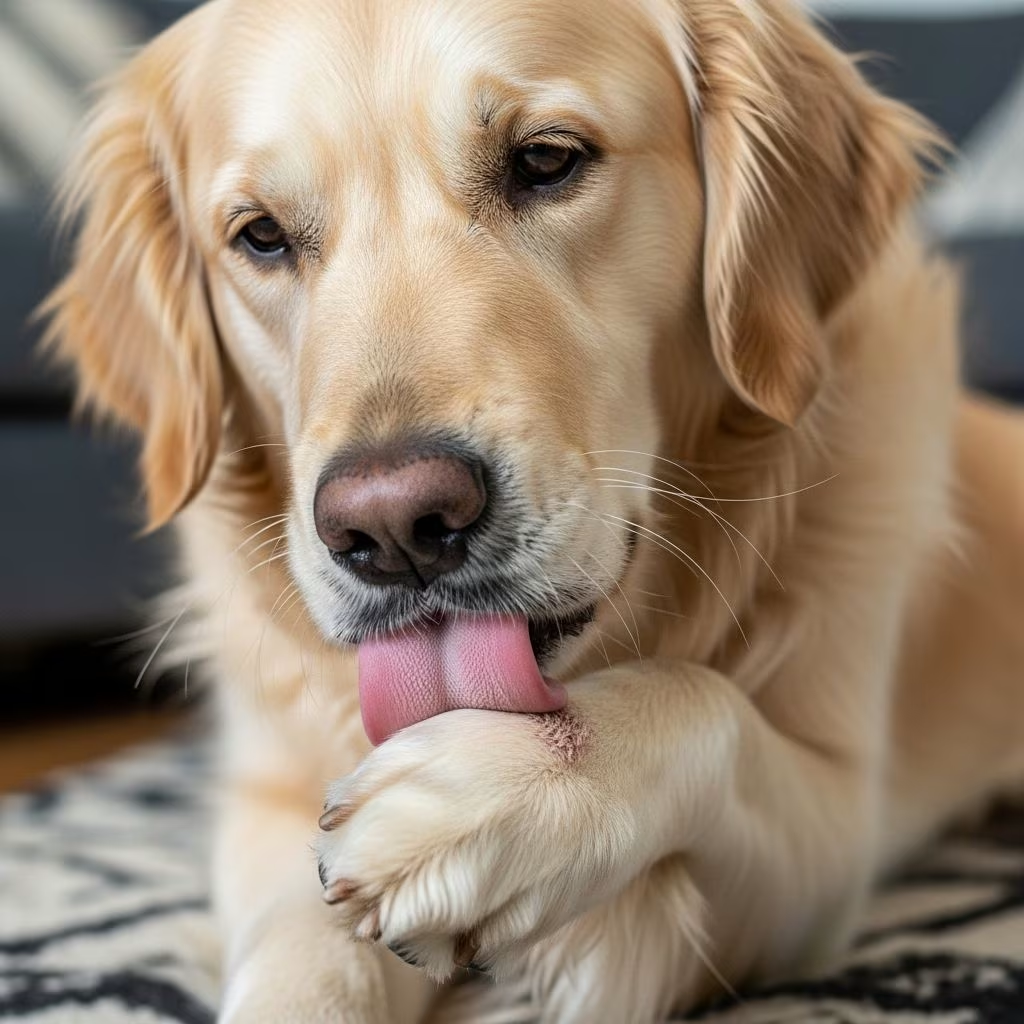
Dogs naturally lick to communicate, groom, or show affection, but when it becomes relentless, it often signals an underlying problem. Excessive licking can lead to skin damage, infections, and discomfort if not addressed promptly.
Recognizing When Licking Crosses the Line
Normal licking lasts seconds and occurs sporadically, such as after meals or during play. **Excessive licking**, however, persists for minutes, targets specific areas like paws or joints, and disrupts daily life. Key indicators include:
- Hair loss or bald patches from constant moisture
- Red, inflamed skin or hot spots (moist sores)
- Oozing wounds, yellow/green discharge, or foul odors
- Thickened, discolored skin or matted fur
- Limping, whimpering, or reluctance to move
- Interference with sleep, eating, or play
These signs suggest the behavior stems from itchiness, pain, or distress rather than habit. Early detection prevents secondary issues like bacterial overgrowth in moist areas.
Medical Reasons Behind Persistent Licking
Many cases trace back to physical health issues. Veterinary exams, including skin scrapes and blood tests, pinpoint the cause.
Skin Allergies and Irritations
Allergies top the list, causing intense pruritus (itching). Types include environmental (pollen, dust), flea saliva, and food sensitivities. Affected dogs lick paws, belly, or groin, leading to redness and secondary infections. Seasonal patterns or post-meal worsening point to triggers. Dry skin from weather changes or low humidity exacerbates this.
Infections: Bacterial, Yeast, and Fungal
Warm, moist spots like between toes, ears, or armpits breed yeast and bacteria, signaled by brownish discharge, dandruff, and fur staining. Tape preps confirm these during vet visits. Untreated licking worsens the cycle, thickening skin and causing pimples.
Pain and Musculoskeletal Problems
Dogs lick painful joints or injuries to self-soothe. Arthritis, sprains, or fractures in legs/wrists show as focused grooming plus limping or stiffness. Paw injuries from thorns or cracks prompt nonstop attention.
Digestive and Oral Discomfort
Nausea, acid reflux, or GI upset leads to lip-licking, floor-licking, or air-snapping. Dental pain from broken teeth or gingivitis causes excessive mouth licking. Parasites or inflammatory bowel disease may contribute.
Anal Gland and Genital Issues
Impacted anal sacs cause scooting and rear-end licking, with swelling and odor. Urinary infections or allergies itch genitals, prompting private-area focus.
| Cause | Target Areas | Accompanying Signs |
|---|---|---|
| Allergies | Paws, belly | Scratching, redness |
| Infections | Toes, ears | Discharge, odor |
| Pain/Arthritis | Joints, legs | Limping, swelling |
| GI Upset | Lips, floors | Vomiting, drooling |
| Anal Glands | Rear | Scooting, swelling |
Behavioral and Psychological Triggers
Once medical causes are ruled out, behavior takes center stage. Dogs lick for comfort, releasing endorphins like humans bite nails.
- Boredom: Understimulated dogs lick furniture or themselves excessively.
- Anxiety/Stress: Separation, noises, or changes spark compulsive licking.
- Compulsion: Rare habit loops mimic OCD, needing behavior therapy.
Observe patterns: post-departure licking suggests separation anxiety.
Steps to Diagnose and Treat
Don’t self-diagnose—vet evaluation is crucial.
- Physical Exam: Check for fleas, skin scrapes, cytology.
- Allergy Testing: Elimination diets or intradermal tests.
- Imaging/Bloodwork: For pain or systemic issues.
- Treatment Plans: Meds (antibiotics, antifungals), apoquel for allergies, joint supplements.
Prevent licking with cones, boots, or bitter sprays during healing.
Home Management Strategies
- Bathe with medicated shampoos weekly.
- Hypoallergenic diets for 8-12 weeks.
- Enrich environment: puzzles, walks.
- Flea preventives year-round.
When to Rush to the Vet
Seek immediate care if licking is sudden, with lethargy, vomiting, diarrhea, or open sores. Chronic cases risk lick granulomas (thickened scars).
FAQs on Dog Licking
Is paw licking always a problem?
Occasional is fine; constant with redness signals allergies or injury.
Can stress cause skin sores from licking?
Yes, anxiety-driven licking erodes skin, inviting infections.
How long before vet for new licking?
Within 24-48 hours if with other symptoms; sooner for wounds.
Does diet fix excessive licking?
Food trials help allergies; combine with vet meds.
Why lick walls or floors?
Often nausea or GI distress.
Preventing Future Episodes
Regular grooming, flea control, balanced diet, and mental stimulation minimize risks. Monitor for changes, especially in seniors prone to arthritis.
References
- Excessive Licking, Chewing, and Grooming in Dogs — PetMD. 2023. https://www.petmd.com/dog/general-health/excessive-licking-chewing-and-grooming-dogs
- Dog Excessive Licking: Causes, Signs, and When to Worry — Mission Road Animal Clinic. 2024. https://www.missionroadanimalclinic.com/dog-excessive-licking-health-signs/
- Excessive Licking in Dogs — Animal Friends Dermatology. 2024-04-15. https://www.animalfriendsdermatology.com/site/blog/2024/04/15/excessive-licking-dogs
- Dog Licking Excessively? 12 Reasons & When to See a Vet — Caring Hands Vet. 2023. https://caringhandsvet.com/12-reasons-dogs-lick-excessively-and-when-to-be-concerned/
- What does it mean when dogs lick excessively? — Animal Medical Center of New York. 2021-07-07. https://www.amcny.org/blog/2021/07/07/what-does-it-mean-when-dogs-lick-excessively/
- 10 Reasons Why Your Dog Is Licking Excessively — YuMOVE. 2024. https://yumove.co.uk/blogs/dog-expert-advice/10-reasons-why-your-dog-is-licking-excessively
- Why Dogs Lick Their Privates — VCA Animal Hospitals. 2023. https://vcahospitals.com/know-your-pet/why-dogs-lick-their-privates



