

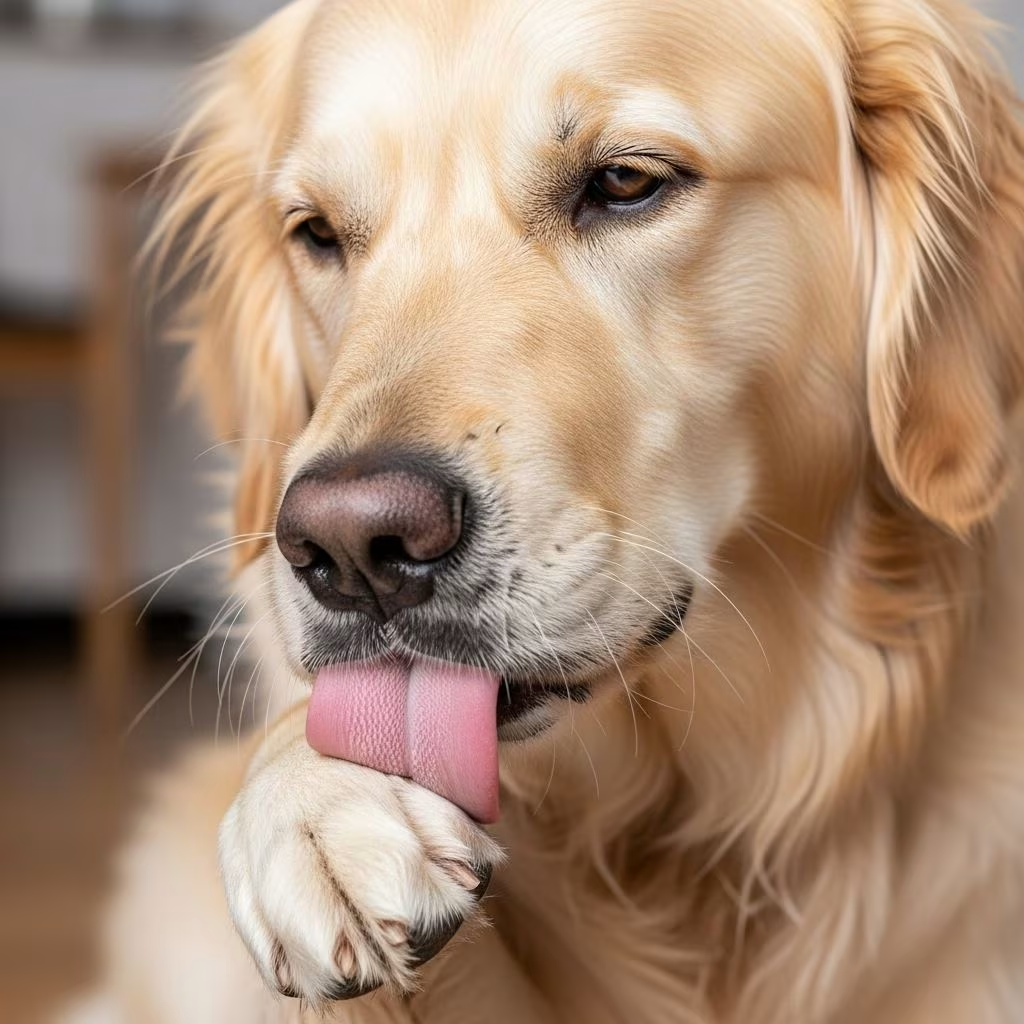
Excessive Licking, Chewing, and Grooming in Dogs
Dogs naturally engage in grooming behaviors as part of their normal routine. However, when licking, chewing, and grooming become excessive, they can indicate an underlying health problem or behavioral issue. Distinguishing between normal grooming and problematic excessive behavior is essential for dog owners to maintain their pet’s health and well-being.
Understanding Normal vs. Excessive Behavior
All dogs engage in some degree of licking and chewing as a natural part of their daily routine. Dogs may lick their paws, groom their coat, or chew on toys to keep themselves clean or stay mentally stimulated. However, when these behaviors become obsessive or compulsive, they can signal that something is wrong.
Excessive licking and chewing differs from normal grooming in several key ways. Normal grooming behaviors are brief, purposeful, and don’t cause harm to the dog’s skin or coat. In contrast, excessive licking and chewing often results in visible damage to the skin, including hair loss, sores, infections, or other complications. If your dog’s grooming behavior is interfering with their normal daily activities—such as eating, sleeping, or playing—it has likely crossed into problematic territory.
Signs Your Dog May Be Over-Grooming
Recognizing the warning signs of excessive licking and chewing is the first step toward addressing the problem. Several physical and behavioral indicators can help you determine whether your dog’s grooming habits need professional attention:
- Hair loss or bald patches on the body
- Matted or tangled fur in areas your dog frequently licks
- Visible redness, inflammation, or irritation of the skin
- Dandruff or flaking skin
- Open sores, oozing lesions, or pimple-like bumps anywhere on the body
- Discoloration of the skin or coat, including brownish-red or yellowish tints
- Green or yellow discharge from affected areas
- Problems sleeping due to constant urges to lick or chew
- Vocalizing such as moaning, whimpering, or whining while grooming
- Frequent interruption of normal activities to lick or groom
- Limping or reluctance to put weight on affected paws
If you notice any of these signs, it’s time to schedule a veterinary examination to rule out medical causes.
Medical Causes of Excessive Licking and Chewing
Parasitic Infections
Parasites rank among the most common causes of excessive licking, chewing, and scratching in dogs. Fleas, ticks, and mites can cause significant discomfort and itching, prompting dogs to engage in compulsive grooming behaviors. Fleas often go unnoticed until an infestation becomes severe, while mites are microscopic and invisible to the naked eye. Even if you cannot see parasites, your dog may still be affected.
Regular parasite prevention is crucial for maintaining your dog’s skin health. Your veterinarian can recommend appropriate flea and tick preventatives suitable for your dog’s age, weight, and health status. Mite infections often require special diagnostic tests and prescription treatments.
Skin Infections: Bacterial and Fungal
Bacterial infections, known as pyodermas, can develop from small cuts or wounds that become contaminated. These infections cause itching, redness, and discomfort, leading dogs to lick and chew the affected area constantly. Left untreated, bacterial infections can worsen significantly and cause secondary complications.
Fungal infections, including yeast infections and ringworm, are also common culprits behind excessive licking and chewing. Yeast infections thrive in warm, moist environments such as between the paw pads, in the ears, and in the groin area. Dogs with yeast infections may display redness, swelling, or a distinctive odor in affected areas. Ringworm infections typically present with a characteristic ring pattern of hair loss and redness on the skin. Special cultures, lights, and follicle tests help veterinarians diagnose fungal infections accurately.
Allergies
Allergies are a leading cause of excessive licking and chewing in dogs. Dogs can develop allergies to environmental factors, such as pollen, dust, or mold, as well as to specific food ingredients. Allergic reactions manifest as skin redness, swelling, itching, and inflammation. Contact dermatitis—allergic reactions to external irritants like certain cleaning products, plants, or materials—can also trigger compulsive grooming behaviors.
Food allergies may present similarly to environmental allergies, affecting the skin including the paws and other areas of the body. Identifying the specific allergen through elimination diets or allergy testing can help manage this condition effectively.
Arthritis and Orthopedic Problems
Dogs can develop arthritis just as humans can, particularly as they age. Arthritis in the joints of the feet creates chronic pain that prompts dogs to lick or chew the affected area. Hip dysplasia and other orthopedic conditions can also cause compulsive licking and chewing behaviors as dogs attempt to self-soothe the discomfort associated with their condition.
Injuries and Physical Trauma
Dogs instinctively lick injured areas in an effort to soothe acute pain. Injuries such as fractures, sprains, strains, paw pad burns, or exposure to irritating chemicals like de-icer fluids can all trigger excessive licking behavior. If your dog is limping, refusing to put weight on a paw, or showing signs of injury such as redness or swelling, veterinary examination is warranted.
Insect stings and bites from bees, wasps, mosquitoes, and other insects can also prompt excessive licking. Any remaining stingers should be removed promptly to prevent further complications.
Skin Growths and Lesions
Cysts or other uncomfortable growths on or near the paws can irritate your dog and compel excessive licking or chewing. These growths may not always be immediately visible, so professional examination is often necessary for proper diagnosis.
Gastrointestinal and Dental Issues
Dogs with an upset stomach or nausea often display excessive licking, sometimes directed at the air, floor, or objects. Gastrointestinal distress can manifest as compulsive grooming behavior, often accompanied by drooling, gulping, or loss of appetite. Dental problems, including toothaches and gum disease, can also trigger excessive licking, particularly around the mouth and lips.
Hormonal Imbalances
Thyroid disorders and other hormonal imbalances can predispose dogs to superficial skin infections. Dogs with insufficient thyroid hormone production or excessive cortisol may develop bald spots and exhibit scratching or licking behaviors that mimic allergic responses.
Urinary and Reproductive Issues
If your dog is licking their groin or rectum excessively, they may be experiencing an infection of their reproductive organs, urinary tract, or anal sac. Anal gland impaction is a common issue that causes discomfort and excessive licking in these areas. Your veterinarian may need to express anal glands or perform urinalysis to rule out infection or other abnormalities.
Behavioral and Psychological Causes
Anxiety and Stress
Excessive licking and chewing can serve as a self-soothing mechanism for anxious or stressed dogs. Environmental changes, separation anxiety, or other stressors may prompt dogs to engage in repetitive grooming behaviors as a coping mechanism.
Boredom and Lack of Stimulation
Dogs that don’t receive adequate physical exercise or mental stimulation may develop excessive licking and chewing as a way to occupy themselves. Providing appropriate toys, regular exercise, and enrichment activities can help reduce these behaviors.
Obsessive-Compulsive Disorder
In some cases, excessive licking and chewing becomes a manifestation of canine obsessive-compulsive disorder (OCD). This behavioral disorder is characterized by repetitive, exaggerated, and often non-functional behaviors that interfere with normal daily activities. Professional behavioral intervention is typically necessary to address canine OCD.
Cognitive Dysfunction in Elderly Dogs
In older dogs, excessive licking and chewing may indicate cognitive dysfunction or age-related behavioral changes. This condition requires special management and veterinary support.
Complications of Excessive Licking and Chewing
Acral Lick Dermatitis (Lick Granuloma)
One of the most serious complications of excessive licking is a condition known as acral lick dermatitis or lick granuloma. As dogs obsessively lick and chew their paws, typically on the front part of the wrist (carpus), the skin becomes increasingly inflamed and damaged until an open wound develops. This condition can become chronic and difficult to treat. The exact cause of lick granuloma is debated, but possible triggers include anxiety, boredom, injury, arthritis, or joint pain.
Secondary Infections
Open wounds resulting from excessive licking provide an entry point for bacteria and other pathogens. Secondary skin infections can develop and complicate the original condition, requiring aggressive treatment.
Hair Loss and Alopecia
Persistent licking and chewing can cause temporary or permanent alopecia (hair loss), leaving bald patches on your dog’s coat. This not only affects your dog’s appearance but also leaves the underlying skin vulnerable to infection and further damage.
Diagnostic Approaches
When excessive licking and chewing occurs, veterinarians employ various diagnostic techniques to identify the underlying cause. A thorough physical examination is the first step, followed by specific tests tailored to the suspected condition.
For suspected allergies, your veterinarian may recommend elimination diets or allergy testing. For infections, cultures of skin samples or discharge may be necessary. Fungal infections often require special diagnostic lights or follicle tests. If your dog is excessively licking their groin or anal area, urinalysis and anal gland expression may be indicated. In some cases, a surgical biopsy of the affected area may be required, with a pathologist reviewing the sample to check for abnormal cells and obtain a definitive diagnosis.
When to Contact Your Veterinarian
Certain situations warrant immediate veterinary attention. Contact your veterinarian if:
- The excessive licking and chewing is sudden and represents a new behavior
- It’s accompanied by other symptoms such as limping, redness, swelling, hair loss, rashes, foul odor, vomiting, diarrhea, lethargy, or appetite changes
- The licking is focused on one area and causes skin irritation, sores, or infection
- The behavior interferes with your dog’s normal daily activities, including sleep, eating, or play
- You notice signs of potential injury or parasitic infestation
Treatment and Management Strategies
Treatment depends on the underlying cause. Medical causes such as parasitic infections typically respond well to appropriate medications or preventatives. Bacterial or fungal infections may require topical or oral medications. Allergies can be managed through dietary changes, environmental modifications, or medications. Orthopedic problems may benefit from pain management, weight management, or in some cases, surgical intervention.
For behavioral causes, increasing exercise, providing mental stimulation, and addressing anxiety through training or medication may help. Wearing an Elizabethan collar can prevent further damage while underlying conditions are being treated.
Frequently Asked Questions
Q: Is occasional licking normal in dogs?
A: Yes, occasional licking and chewing are completely normal grooming behaviors for dogs. It becomes problematic only when excessive and accompanied by physical damage or interference with daily activities.
Q: How can I tell if my dog has a yeast infection?
A: Signs of yeast infection include redness, swelling, a distinctive odor, and excessive licking in warm, moist areas such as between paw pads, ears, or the groin area. Your veterinarian can confirm diagnosis through examination and testing.
Q: Can allergies cause excessive licking in dogs?
A: Yes, both environmental and food allergies can trigger excessive licking and chewing behaviors in dogs. Allergic reactions cause skin inflammation and itching, prompting dogs to groom excessively.
Q: What is lick granuloma and how is it treated?
A: Lick granuloma (acral lick dermatitis) develops when a dog obsessively licks an area until an open wound forms. Treatment depends on the underlying cause and may involve medication, behavior modification, or preventing access to the area using an Elizabethan collar.
Q: How often should I use flea and tick prevention?
A: The frequency depends on the specific preventative product and your dog’s lifestyle. Consult with your veterinarian to determine the appropriate schedule for your dog.
References
- Excessive Licking in Dogs — Animal Friends Dermatology. 2024-04-15. https://www.animalfriendsdermatology.com/site/blog/2024/04/15/excessive-licking-dogs
- Excessive Paw Licking in Dogs: Causes and Solutions — Pet Assure. https://www.petassure.com/maxscorner/understanding-paw-licking-in-dogs/
- 12 Reasons Dogs Lick Excessively and When to Be Concerned — Caring Hands Veterinary Center. https://caringhandsvet.com/12-reasons-dogs-lick-excessively-and-when-to-be-concerned/
- Why Is My Dog Licking His Paws So Much? Causes and Remedies — Best Friends Animal Society. https://bestfriends.org/pet-care-resources/why-my-dog-licking-his-paws-so-much-causes-and-remedies
- Excessive Self-Licking or Chewing — Loving Pets Products. https://lovingpetsproducts.com/blog/excessive-selflicking-or-chewing/
- Dog Licking & Chewing Paws? It Could Be A Sign Of This Common Condition — The Pet Lab Co. https://thepetlabco.com/learn/dog/health-wellness/7-reasons-your-dog-is-chewing-their-paws
- Dogs and Compulsive Scratching, Licking, and Chewing — WebMD Pets. https://www.webmd.com/pets/dogs/dogs-and-compulsive-scratching-licking-and-chewing



