Excessive Drooling in Dogs: Causes and When to Seek Help
Learn why your dog drools excessively and when it signals a serious health issue requiring veterinary care.
Why Is My Dog Drooling a Lot?
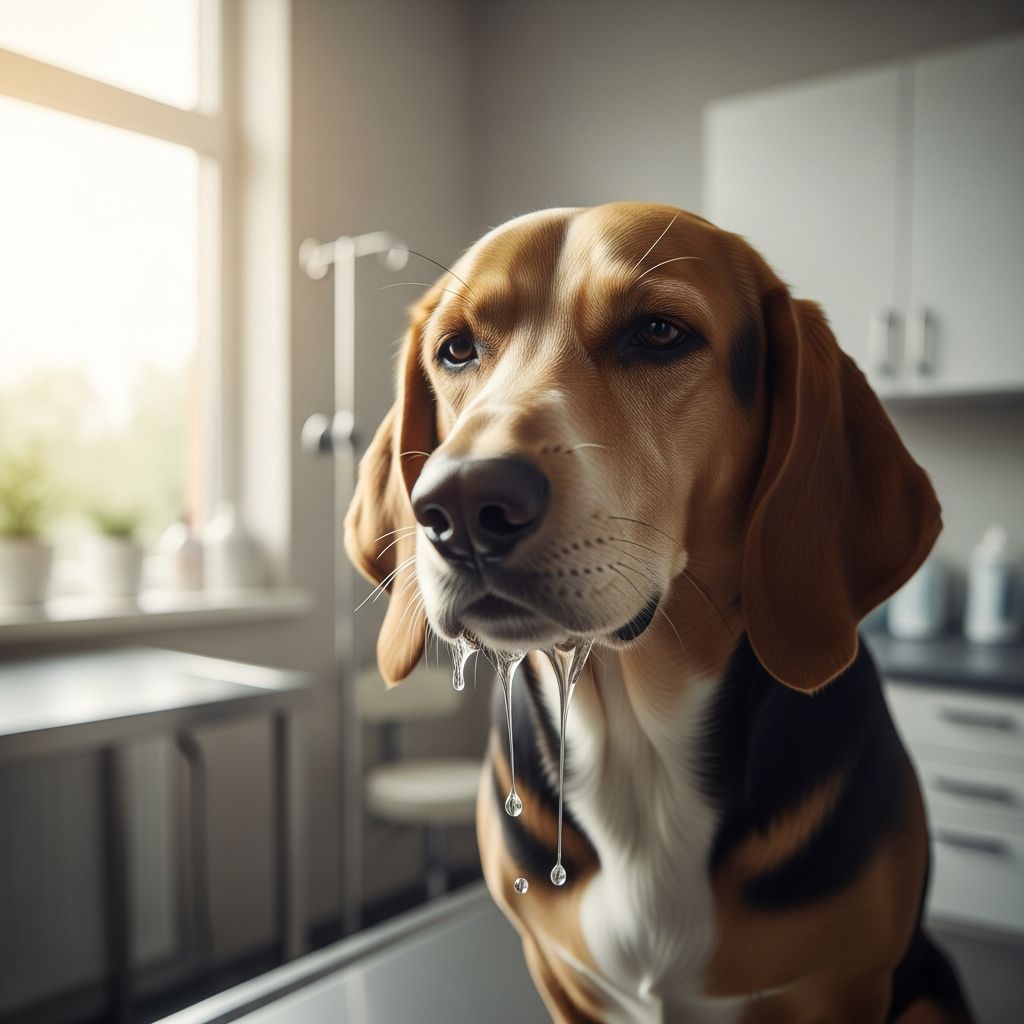
Drooling is a normal part of canine behavior, but when your dog produces excessive amounts of saliva, it may indicate an underlying health condition requiring veterinary attention. While some drooling is expected—especially in certain breeds with loose lips and jowls—sudden increases or persistent excessive drooling warrant investigation. Understanding the potential causes can help you determine whether your dog needs immediate medical care or if the issue is something manageable at home.
Many conditions can cause abnormal drooling in dogs, ranging from simple anxiety to serious medical emergencies. The key to protecting your pet’s health is recognizing the difference between normal drooling and excessive salivation that signals a problem. This comprehensive guide explores the most common causes of excessive drooling and provides guidance on when professional veterinary care is necessary.
Common Causes of Excessive Drooling
Gastrointestinal Disorders
One of the most frequently encountered causes of excessive drooling in dogs involves the gastrointestinal tract. Conditions such as esophagitis, gastritis, enteritis, pancreatitis, foreign body obstruction, gastric ulceration, inflammatory bowel disease, and gastrointestinal cancers can all trigger excessive salivation. The drooling typically occurs as a secondary response to nausea caused by these medical conditions. When your dog’s digestive system is compromised, the body often responds by producing extra saliva as part of its protective mechanisms. If your pet shows signs of gastrointestinal distress alongside drooling, such as vomiting, diarrhea, loss of appetite, or abdominal discomfort, veterinary evaluation is essential.
Gum Disease and Oral Problems
Periodontal disease, including gingivitis and stomatitis, represents one of the most common oral issues leading to excessive drooling. Other oral problems such as sialoceles (salivary gland cysts), tumors, or infections can also trigger abnormal salivation. When examining your dog for potential oral disease, look for accompanying signs including visible masses in the mouth, bleeding gums, pus discharge, or persistent bad breath. These indicators suggest your dog needs dental evaluation and potential treatment to prevent complications and relieve discomfort.
Mouth Injuries
Physical trauma to the mouth can cause significant drooling responses. Blunt force trauma, injuries from chewing on sharp objects, or foreign material lodged in the mouth—such as splinters or bone fragments—may be responsible for excessive salivation. Dogs are naturally curious and sometimes ingest items that can cause oral injury. Regular inspection of your dog’s mouth and monitoring their chewing habits can help prevent these injuries and catch problems early.
Chemical and Electrical Burns
Exposure to caustic chemicals, such as battery acid, or electrical burns from chewing on electrical cords can cause bleeding and excessive drooling. Chemical burns are often accompanied by visible pain and lesions, and affected dogs may repeatedly paw at their mouth. These injuries represent medical emergencies requiring immediate veterinary attention. If you suspect your dog has encountered a caustic substance or electrical hazard, contact your veterinarian right away without delay.
Anxiety and Stress
Emotional factors can trigger temporary excessive drooling in dogs. Anxiety caused by veterinary visits, moving to a new home, or riding in a car can result in increased salivation. Dogs experiencing anxiety may display additional symptoms including restlessness, excessive panting, or diarrhea alongside the drooling. Identifying and minimizing stressful situations, when possible, can help reduce these stress-related responses. In some cases, your veterinarian may recommend behavioral strategies or anxiety management techniques.
Abdominal Pain
Dogs experiencing abdominal pain often exhibit excessive drooling as one of several symptoms. Additional signs of abdominal discomfort include restlessness, inability to find a comfortable position, diarrhea, loss of appetite, and sometimes visible abdominal distention. Some dogs will guard their abdomen, showing resistance to being touched in the painful area. If your dog displays these combined symptoms, prompt veterinary evaluation is necessary to identify the underlying cause and provide appropriate treatment.
Neurological Conditions
Damage to the nerve connecting to the salivary gland, injury to the salivary gland itself, or damage to the brain can result in excessive drooling. Neurological conditions may also impair your dog’s ability to swallow saliva normally. Additional symptoms of neurological problems include uneven or dilated pupils, lethargy, general weakness, and difficulty swallowing. If your dog has difficulty swallowing or shows signs of neurological dysfunction alongside drooling, contact your veterinarian immediately, as these conditions can be serious and require prompt treatment.
Motion Sickness and Nausea
Just like humans, dogs can experience motion sickness during car rides or other travel situations. Nausea triggers the salivary glands to increase production as a protective response—the body prepares for potential vomiting by generating extra saliva to protect the teeth and mouth from stomach acid. Dogs prone to motion sickness may drool excessively during travel, and some may also vomit. This response is typically temporary and resolves once the motion stops, though severe cases may benefit from veterinary intervention.
Heat Stress and Heatstroke
Exercise and elevated temperatures can stimulate increased drooling in dogs as part of their natural cooling mechanisms. During or after exercise, saliva evaporation helps cool dogs down when they pant. However, in cases of heatstroke, excessive drooling becomes more concerning. Dogs suffering from heatstroke often display excessive salivation alongside rapid panting, bright red gums, weakness, and potential collapse. Heatstroke represents a life-threatening emergency requiring immediate cooling procedures and professional veterinary intervention.
Normal Drooling Variations
Certain dog breeds are naturally prone to more drooling than others due to their physical anatomy. Giant breeds such as Bloodhounds, Mastiffs, St. Bernards, and Newfoundlands have saggy lips and drooping jowls that don’t effectively contain saliva, allowing it to drain naturally. For these breeds, visible drooling is often completely normal and not indicative of a health problem. However, if drooling increases significantly beyond your dog’s baseline, even for drool-prone breeds, investigation may be warranted.
When to Seek Emergency Veterinary Care
While not all excessive drooling requires emergency attention, certain circumstances demand immediate veterinary evaluation. Understanding these warning signs can help you make informed decisions about your pet’s healthcare needs.
Critical Warning Signs
Several symptoms accompanying excessive drooling indicate the need for urgent veterinary care. Blood-tinged or discolored saliva suggests oral trauma or internal bleeding. Facial swelling or hives combined with drooling may indicate an allergic reaction that could progress to life-threatening anaphylaxis. When your dog drools excessively while repeatedly pawing at their mouth or face, a foreign object may be lodged in their mouth requiring urgent removal. The combination of drooling with vomiting or retching can indicate poisoning, gastrointestinal blockage, or gastric dilatation-volvulus (bloat)—all serious emergencies.
Red Flags Requiring Immediate Attention
Excessive drooling accompanied by lethargy, loss of appetite, difficulty breathing, or signs of pain elsewhere in the body warrants immediate veterinary assessment. Drooling that persists for more than a few hours without an identifiable trigger, or that recurs frequently, suggests an underlying medical condition. Sudden increases in drool volume creating puddles where your dog rests or wet trails throughout the house represent significant changes requiring investigation. Changes in saliva consistency—becoming thicker, ropier, or discolored (white-tinged, yellow, green, or blood-tinged)—also warrant veterinary evaluation.
Specific Emergency Conditions
Severe dental disease or oral trauma can reach crisis points requiring emergency care when pain becomes unmanageable or infection spreads beyond the mouth. Gastrointestinal blockages represent urgent situations requiring immediate assessment at a pet emergency clinic. Toxin exposure from plants, chemicals, medications, or toxic foods demands immediate treatment. Heatstroke combined with excessive drooling constitutes a life-threatening emergency. Oral burns or chemical exposure causing caustic injuries to the mouth require specialized wound care and pain management.
Diagnostic Approach and Treatment
When you visit your veterinarian regarding excessive drooling, provide detailed information about when the drooling started, whether it’s constant or intermittent, and any other symptoms your dog displays. Your veterinarian may perform a physical examination, oral inspection, blood work, imaging studies, or other diagnostic tests to identify the underlying cause. Treatment depends entirely on the specific diagnosis and may range from dietary modification and medications to dental procedures, foreign body removal, or management of neurological conditions.
Prevention and Home Care
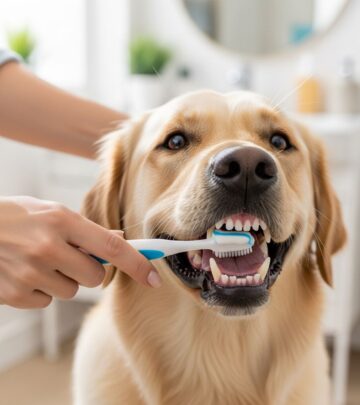
Maintaining your dog’s oral health through regular brushing, professional dental cleanings, and monitoring for signs of dental disease can prevent many drooling-related issues. Ensure your dog has access to appropriate chew toys without sharp edges or small pieces that could be ingested. Keep toxic substances, chemicals, and medications securely stored away from your pet. Monitor your dog during car rides to manage motion sickness, and provide proper hydration and cooling during hot weather or exercise. Regular veterinary check-ups help catch potential health issues early before they progress to cause excessive drooling.
Frequently Asked Questions
Q: Is all dog drooling abnormal?
A: No, some drooling is completely normal, especially in breeds with loose facial skin and jowls. However, sudden increases in drooling volume or changes in your dog’s normal pattern warrant veterinary evaluation to rule out underlying health conditions.
Q: What should I do if my dog suddenly starts drooling excessively?
A: Schedule a veterinary appointment to determine the cause. If the drooling is accompanied by other concerning symptoms such as vomiting, difficulty swallowing, facial swelling, or signs of distress, seek emergency veterinary care immediately.
Q: Can anxiety cause excessive drooling?
A: Yes, anxiety from veterinary visits, environmental changes, or stressful situations can trigger temporary excessive drooling. This type of stress-related drooling typically resolves once the stressful situation ends, though it may recur in similar situations.
Q: How can I tell if my dog’s drooling is related to dental disease?
A: Look for accompanying signs such as bad breath, visible tartar buildup on teeth, bleeding gums, difficulty eating, or pawing at the mouth. A veterinary dental examination can confirm whether dental disease is causing the excessive drooling.
Q: When is drooling a sign of a medical emergency?
A: Seek emergency care if drooling is accompanied by facial swelling, blood in the saliva, difficulty swallowing, vomiting, signs of poisoning, heatstroke symptoms, or sudden behavioral changes. Trust your instincts—if something seems seriously wrong, contact an emergency veterinary clinic.
References
- Excessive Drooling in Dogs — PetMD. Retrieved from https://www.petmd.com/dog/symptoms/excessive-drooling-in-dogs
- Is Excessive Drooling in Dogs an Emergency? — Hidden Springs Animal Clinic. Retrieved from https://hiddenspringsanimal.com/experiencing-an-emergency/is-excessive-drooling-in-dogs-an-emergency-7-signs-that-you-need-to-visit-the-pet-er/
- Is Excessive Drooling in Dogs an Emergency? — Focused Pet Care. Retrieved from https://focusedpetcare.com/emergency-vet-in-jacksonville-fl/is-excessive-drooling-in-dogs-an-emergency/
- Excessive Drooling — South Seattle Veterinary Hospital. Retrieved from https://www.southseattlevet.com/3-common-causes-of-excessive-drooling
- Drooling in Dogs — PDSA. Retrieved from https://www.pdsa.org.uk/pet-help-and-advice/pet-health-hub/symptoms/drooling-in-dogs
- Dog Drooling: When Is It Cause for Concern? — American Kennel Club. Retrieved from https://www.akc.org/expert-advice/health/why-do-dogs-drool/
Similar Articles








Read full bio of medha deb