

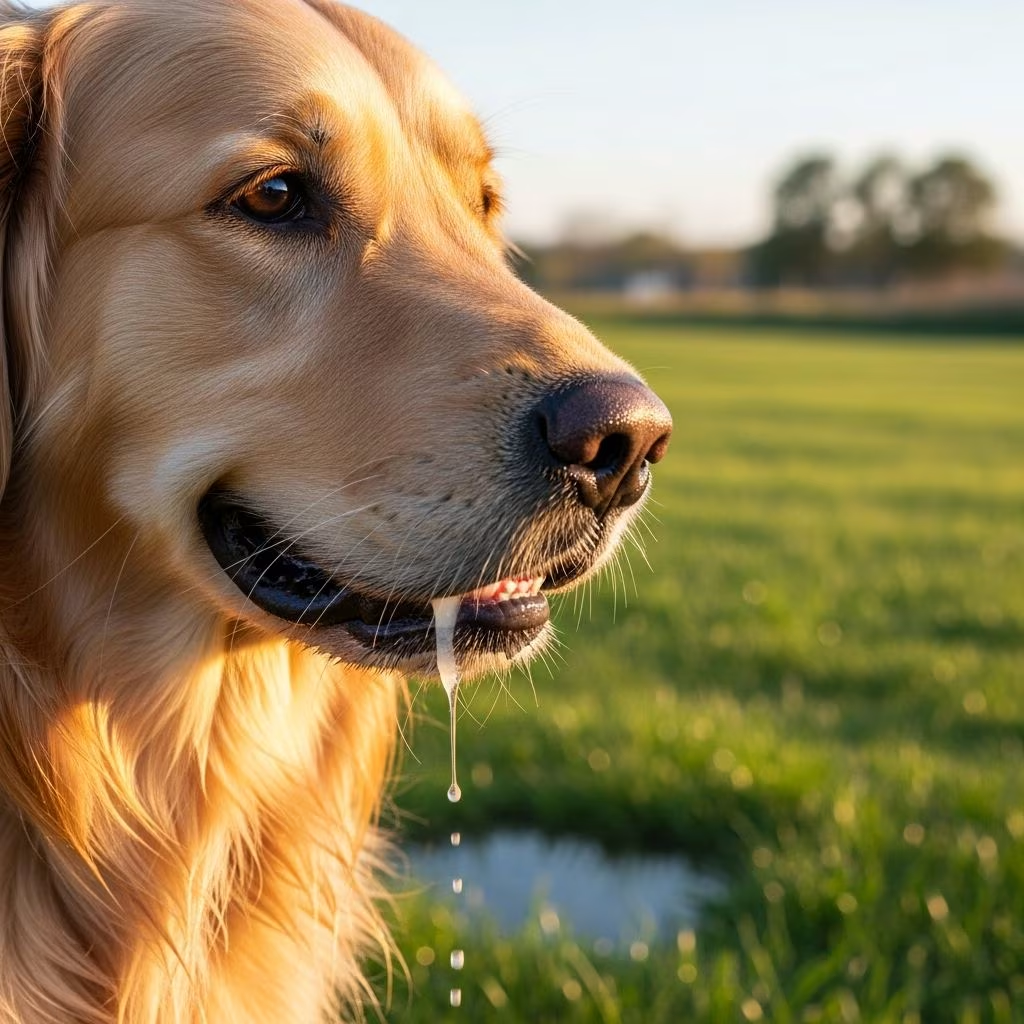
Drooling is a natural process in dogs, but when your canine companion begins producing excessive amounts of saliva, it can signal anything from minor dietary excitement to serious underlying health conditions. Understanding the difference between normal slobbering and pathological drooling is essential for responsible pet ownership. This comprehensive guide explores the various causes of excessive drooling in dogs, helping you determine when professional veterinary intervention is necessary.
The Distinction Between Normal and Abnormal Drooling
Not all drooling warrants concern. Dogs naturally produce saliva as part of their digestive process, and certain breeds are genetically predisposed to more prominent drooling than others. Anatomical factors play a significant role in how much visible drool your dog displays. Breeds with loose facial skin and hanging jowls, such as Bloodhounds, Mastiffs, Saint Bernards, and Newfoundlands, naturally allow saliva to drip more freely simply due to their mouth structure and the inability of their lips to contain liquid effectively.
Conversely, abnormal drooling typically appears suddenly, increases beyond your dog’s baseline, or occurs without obvious triggers like food anticipation or play. When your dog exhibits new or excessive salivation patterns, this represents a departure from their normal behavior and may indicate an underlying issue requiring attention.
Physiological Causes of Increased Salivation
Several non-medical factors can trigger temporary increases in saliva production. Understanding these benign causes helps you avoid unnecessary alarm when your dog displays mild drooling.
Environmental and Behavioral Triggers
- Heat and exercise: During physical activity or exposure to warm temperatures, dogs pant more heavily, and saliva evaporation increases as a natural cooling mechanism. This temporary drooling typically resolves once your dog rests in a cooler environment.
- Emotional excitement: Anticipation of meals, playtime, or meeting their owners can stimulate salivary glands, producing visible drooling. This excitement-based drooling is completely normal and stops once the stimulus passes.
- Anxiety and stress: New environments, veterinary visits, or car rides can trigger stress responses that include increased salivation. Anxious dogs may simultaneously display restlessness, panting, or digestive upset alongside the drooling.
- Developmental drooling in puppies: Young puppies undergoing teething experience stimulated saliva production as their gums become tender and sensitive. This natural increase in drool typically resolves once adult teeth fully emerge.
Medical Conditions Associated with Excessive Drooling
When drooling persists beyond temporary triggers or appears alongside other symptoms, medical evaluation becomes important. Several categories of health conditions can manifest through excessive salivation.
Oral and Dental Disorders
The mouth represents the most common site of drooling-related pathology. Dental disease, one of the most prevalent conditions in dogs, frequently causes increased salivation. Periodontal infections, gingivitis, and stomatitis create inflammation and discomfort that stimulate the salivary glands. Additional oral issues include tumors, sialoceles (salivary gland cysts), and infections that damage oral tissues.
Physical trauma to the mouth—whether from chewing sharp objects, blunt force injury, or foreign material lodging between teeth—triggers both drooling and visible signs of distress. Dogs with mouth injuries typically paw at their faces and show reluctance to eat. Chemical burns from caustic substances or electrical burns from chewing cords represent emergencies requiring immediate veterinary intervention, as these injuries can cause severe internal damage alongside external drooling.
Gastrointestinal System Dysfunction
Nausea, regardless of its cause, represents a primary trigger for excessive drooling in dogs. Multiple gastrointestinal conditions produce nausea as a secondary symptom, leading to ptyalism (the medical term for excessive salivation). These include esophagitis, gastritis, enteritis, pancreatitis, gastric ulceration, and inflammatory bowel disease.
Foreign body obstructions deserve particular attention, as they constitute true emergencies. When dogs ingest non-digestible items—toys, clothing, bones, corn cobs—these objects can lodge in the digestive tract, creating blockages. The resulting pressure, pain, and nausea trigger dramatic increases in drooling alongside vomiting, lethargy, and appetite loss. Gastric dilatation-volvulus (GDV), commonly called bloat or a twisted stomach, similarly causes sudden excessive drooling combined with visible abdominal distention and severe discomfort.
Systemic and Neurological Conditions
Beyond the digestive system, several systemic diseases manifest through excessive drooling. Kidney and liver dysfunction can cause ptyalism as part of broader illness patterns. Rabies, though less common in vaccinated populations, represents a serious neurological condition that includes excessive drooling among its symptoms.
Seizure disorders frequently produce drooling before, during, and after seizure events. The neurological disruption underlying seizures can interfere with normal swallowing and saliva control mechanisms. Other neurological damage—whether from trauma, infection, or disease—affecting the nerves controlling salivary glands or the brain centers regulating swallowing can result in uncontrolled drooling. Dogs with such conditions may display additional signs including uneven pupils, lethargy, weakness, and difficulty managing saliva.
Salivary Gland Disease
The salivary glands themselves can develop primary pathology. Sialadenitis, inflammation of one or more salivary glands, represents a significant portion of canine salivary disease. This condition often manifests as visible enlargement of the affected glands and can progress to sialocele formation—the accumulation of saliva in surrounding soft tissues. Infection, immune-mediated disease, or injury to the glands can trigger these conditions, requiring veterinary diagnosis and treatment.
Environmental and Toxicological Factors
Exposure to harmful substances triggers rapid salivation as the body attempts protective responses. Dogs ingesting toxic plants, household chemicals, medications, or foods like chocolate often drool excessively as their system reacts to the toxin. Licking recently treated lawns containing pesticides or fertilizers can similarly stimulate excessive salivation. Toxin ingestion typically accompanies other symptoms including vomiting, diarrhea, agitation, tremors, or neurological signs—any combination of which demands immediate emergency care.
Heat stroke represents another toxicological emergency. Dogs experiencing dangerous overheating display excessive drooling, rapid panting, bright red gums, weakness, and potential collapse. This life-threatening condition requires immediate veterinary intervention and emergency cooling procedures.
Allergic Reactions and Immune Responses
Sudden allergic reactions can produce excessive drooling accompanied by facial swelling or hives, particularly around the muzzle, eyes, or throat. These signs may indicate anaphylaxis, a rapidly progressive immune emergency that can become life-threatening without immediate treatment.
When to Seek Veterinary Attention
Determining whether your dog’s drooling requires professional evaluation depends on several factors. Veterinarians recommend contacting your clinic or emergency facility when drooling exhibits specific concerning patterns.
Immediate Emergency Signs
- Bloody or discolored saliva: Blood in drool indicates oral trauma, dental disease, or internal bleeding requiring urgent evaluation.
- Facial swelling with drooling: Puffiness combined with excessive salivation suggests allergic reaction potentially progressing to anaphylaxis.
- Difficulty swallowing: Drooling accompanied by inability to swallow saliva indicates neurological involvement requiring immediate assessment.
- Signs of heat stroke: Excessive drooling with rapid panting, bright red gums, lethargy, or collapse demands emergency care.
- Suspected toxin ingestion: Drooling following exposure to toxins, poisons, or unknown substances warrants emergency treatment.
- Visible oral burns: Chemical or electrical burns in or around the mouth need immediate professional attention.
Non-Emergency but Important Indicators
Beyond true emergencies, certain drooling patterns warrant scheduling a veterinary appointment:
- Persistent duration: Drooling lasting more than a few hours without identifiable temporary triggers suggests underlying pathology.
- Systemic symptoms: Excessive drooling accompanying lethargy, appetite loss, vomiting, diarrhea, or difficulty breathing indicates systemic illness.
- Behavioral changes: Odd behavior changes alongside drooling—such as pawing at the mouth, refusing food, or acting unusually—suggest discomfort or illness.
- Recurring episodes: Drooling occurring frequently without consistent triggers may indicate chronic underlying conditions.
- Bad breath: Excessive drooling accompanied by halitosis suggests oral, esophageal, or gastric disease.
Diagnostic Approach
When you present your drooling dog to a veterinarian, they will conduct a comprehensive medical history interview and thorough physical examination. This foundational evaluation helps differentiate between physiological drooling and pathological conditions requiring further investigation. Your veterinarian will inquire about drooling onset, duration, progression, associated symptoms, potential toxin exposures, and your dog’s vaccination status.
Based on initial findings, further diagnostics may include oral examination, blood work, imaging studies, or specialized testing to identify underlying causes. This systematic approach ensures accurate diagnosis and appropriate treatment planning.
Treatment and Management Strategies
Treatment for excessive drooling depends entirely on the underlying cause. Dental disease may require professional cleaning or extraction. Gastrointestinal conditions might involve dietary modification or medication. Foreign body obstructions typically require surgical removal. Neurological conditions demand specific therapeutic approaches. Anxiety-related drooling may benefit from behavior modification or pharmaceutical intervention.
Your veterinarian will recommend treatment tailored to your dog’s specific diagnosis, ensuring the most effective resolution of the drooling issue.
Prevention and Home Management
While not all drooling is preventable, certain measures reduce risks. Regular dental care prevents periodontal disease, one of the most common drooling causes. Monitoring your dog’s environment eliminates toxin exposure and reduces foreign body ingestion risks. Maintaining appropriate exercise and hydration supports overall health. Keeping vaccinations current protects against infectious diseases that may cause drooling.
References
- Excessive Drooling in Dogs — PetMD. 2024. https://www.petmd.com/dog/symptoms/excessive-drooling-in-dogs
- Is Excessive Drooling in Dogs an Emergency? — Hidden Springs Animal Hospital. 2024. https://hiddenspringsanimal.com/experiencing-an-emergency/is-excessive-drooling-in-dogs-an-emergency-7-signs-that-you-need-to-visit-the-pet-er/
- Beyond the Slobber: Why Your Dog Won’t Stop Drooling — Harlingen Veterinary Clinic. 2024. https://harlingenveterinaryclinic.com/blog/dog-drooling-constantly/
- Excessive Drooling in Dogs — Apex Veterinary Surgical Specialists. 2024. https://apexvetss.com/ptyalism/
- Is Excessive Drooling in Dogs an Emergency? — Focused Pet Care. 2024. https://focusedpetcare.com/emergency-vet-in-jacksonville-fl/is-excessive-drooling-in-dogs-an-emergency/
- Why is my dog drooling so much? How can I make it stop? — Carolina Veterinary Specialists. 2024. https://www.rock-hill.carolinavet.com/site/blog/2024/04/15/dog-drooling
- Drooling in Dogs — PDSA. 2024. https://www.pdsa.org.uk/pet-help-and-advice/pet-health-hub/symptoms/drooling-in-dogs
- Dog Drooling: When Is It Cause for Concern? — American Kennel Club. 2024. https://www.akc.org/expert-advice/health/why-do-dogs-drool/



