

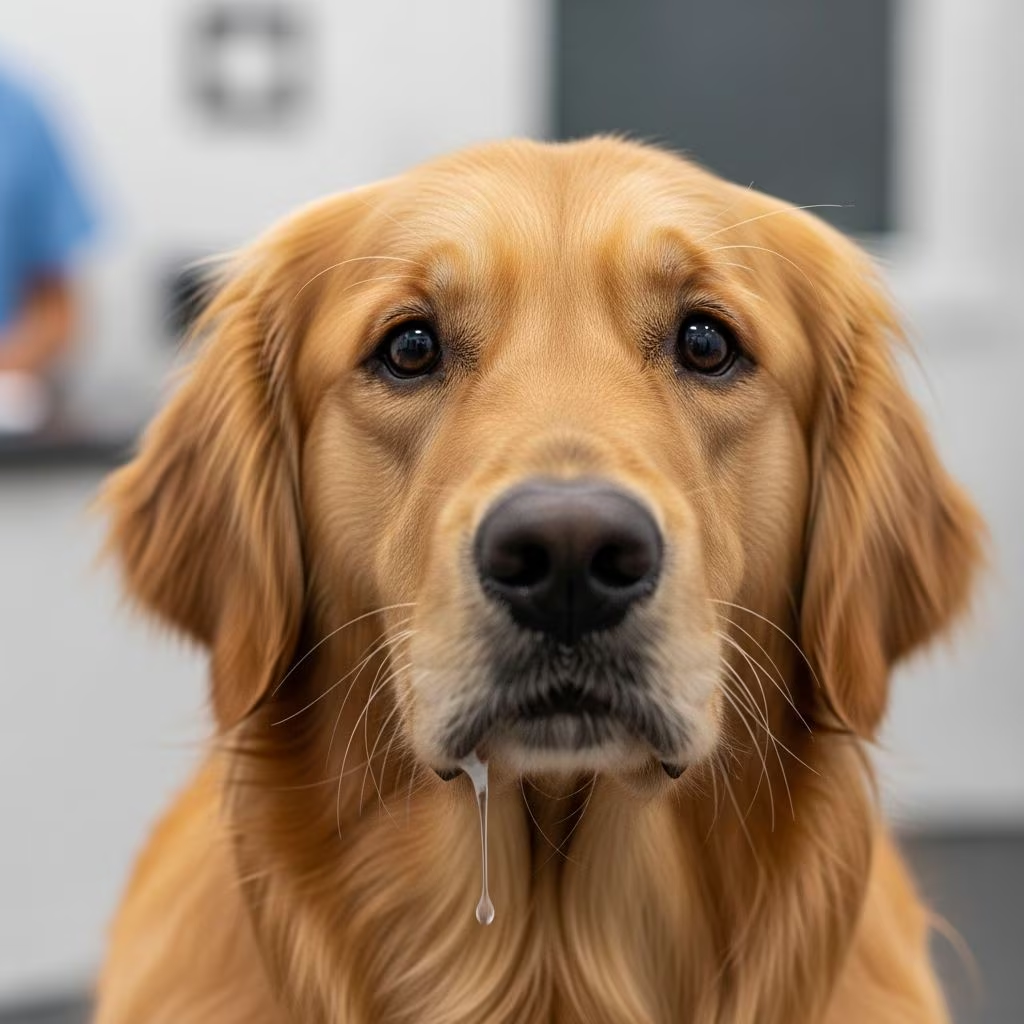
While some drooling is normal and even endearing in many dog breeds, excessive salivation—a condition veterinarians call ptyalism—can signal an underlying health concern or behavioral issue that requires investigation. Unlike the occasional slobber many dog owners expect, persistent or sudden increases in drooling warrant closer attention. This comprehensive guide explores the multifaceted reasons behind excessive canine drooling, distinguishes between benign and serious causes, and provides guidance on when professional veterinary evaluation becomes necessary.
The Role of Breed and Anatomy in Salivation Patterns
Understanding baseline drooling expectations begins with recognizing that certain dog breeds are naturally predisposed to more visible salivation due to their anatomical structure. Large and giant breed dogs possess unique facial features that influence how effectively they retain saliva within their mouths.
Breeds commonly known for excessive drooling include Bloodhounds, Mastiffs, Saint Bernards, and Newfoundlands. These dogs have characteristic saggy lips and drooping jowls that fail to contain saliva efficiently, allowing it to escape continuously. This is a physiological characteristic rather than a pathological condition, meaning the dogs produce normal amounts of saliva but cannot retain it due to their mouth structure.
For owners of these breeds, distinguishing between normal anatomical drooling and excessive drooling caused by health problems requires baseline knowledge of their pet’s typical salivation patterns. Any significant change from the dog’s normal behavior warrants investigation, regardless of breed predisposition.
Common Non-Emergency Causes of Excessive Drooling
Emotional and Environmental Triggers
Dogs frequently experience increased salivation in response to emotional and environmental stimuli. Excitement ranks among the most common triggers, particularly when a dog anticipates positive events such as mealtime, playtime, or the arrival of their owner. This excitement-induced drooling is temporary and subsides once the stimulus passes.
Anxiety and stress represent another significant emotional cause of excessive salivation. Dogs experiencing fear or apprehension—such as during veterinary visits, car rides, thunderstorms, or transitions to new environments—may exhibit noticeably increased drooling. The salivary glands respond to stress hormones by increasing production, resulting in visible hypersalivation. This type of drooling typically resolves once the stressful situation ends.
Motion-Related Nausea
Many dogs experience nausea during vehicle travel, leading to excessive salivation as a physiological response. Vestibular system stimulation—the body’s balance mechanism—triggers nausea in susceptible dogs, which in turn activates the salivary glands. Motion sickness-related drooling is generally temporary and ceases shortly after the car ride concludes. Veterinarians can recommend anti-nausea medications to manage this condition during necessary travel.
Heat and Overexertion
During warm weather or intense physical activity, dogs increase salivation as part of their thermoregulation process. Excessive panting and drooling during hot conditions can appear alarming but typically represent normal physiological responses to heat exposure. However, owners should distinguish between normal heat-related drooling and signs of heat stroke or heat exhaustion, which constitute medical emergencies.
Medical Conditions Associated with Pathological Drooling
Gastrointestinal Disorders
Among the most common pathological causes of excessive drooling are gastrointestinal conditions. When dogs experience nausea from various GI disorders, their salivary glands enter overdrive, producing excess saliva as a symptom of the underlying upset. Multiple gastrointestinal conditions trigger this response, including:
- Esophagitis (inflammation of the esophagus)
- Gastritis (inflammation of the stomach lining)
- Enteritis (inflammation of the small intestine)
- Pancreatitis (inflammation of the pancreas)
- Inflammatory bowel disease
- Foreign body obstruction
- Gastric ulceration
- Gastrointestinal cancers
Dogs with these conditions typically display additional symptoms including decreased appetite, vomiting, diarrhea, and behavioral changes. The drooling often subsides once the underlying GI problem resolves, though chronic conditions may produce persistent symptoms.
Oral and Dental Pathology
Dental disease represents an extremely common cause of excessive drooling in dogs. Oral pain from tooth decay, gum inflammation, or advanced periodontal disease triggers salivary gland stimulation as a pain response. Dogs with dental disease often experience difficulty eating, develop foul-smelling breath (halitosis), and exhibit reluctance to consume hard foods.
Beyond primary dental disease, various oral injuries and foreign objects lodged in the mouth generate excessive drooling. Blunt force trauma, sharp object ingestion, bone fragments, or splinters embedded in oral tissues cause significant pain that manifests as hypersalivation. Dogs with these conditions frequently paw at their mouths and show visible distress.
Chemical and Thermal Burns
Accidental exposure to caustic chemicals such as battery acid or electrical burns from chewing electrical cords cause immediate and severe oral damage. These injuries produce bleeding, lesions, pain, and pronounced drooling. Chemical burns often accompany visible signs of distress and mouth pawing and require immediate veterinary emergency care.
Liver and Kidney Disease
Systemic conditions affecting major organs can produce excessive drooling as a secondary symptom. Dogs with severe renal or hepatic dysfunction often exhibit ptyalism alongside other systemic signs of illness. These conditions typically present with additional symptoms that prompt veterinary evaluation.
Neurological Complications
Damage to the nervous system represents a significant category of pathological drooling causes. Conditions affecting the brain, cranial nerves connected to salivary glands, or the salivary glands themselves result in impaired control of salivation. Additionally, neurological conditions that impair swallowing allow saliva to accumulate rather than being properly swallowed.
Specific neurological triggers include seizure disorders, infectious diseases, and cranial nerve dysfunction. Dogs with these conditions may display additional neurological signs including uneven pupils, lethargy, weakness, and incoordination.
Toxin Exposure and Poisoning
Ingestion of toxic substances triggers rapid-onset excessive drooling as the body attempts to eliminate harmful materials. Common sources of toxin exposure include toxic plants, household chemicals, medications, and contaminated foods. Dogs that have consumed poison may display simultaneous drooling and additional symptoms including agitation, tremors, convulsions, vomiting, seizures, nosebleeds, and staggering.
Pesticides from treated lawns and similar environmental toxins can also trigger excessive salivation. Any suspected poisoning requires immediate emergency veterinary intervention, as many toxins create rapidly progressive and potentially fatal conditions.
Distinguishing Normal from Concerning Drooling
Associated Symptoms Requiring Attention
Several accompanying symptoms elevate drooling from a minor concern to a potential health issue. The following signs suggest the need for veterinary evaluation:
- Pawing at the mouth or facial area
- Refusal to eat or reluctance to consume food
- Vomiting or retching
- Behavioral changes or lethargy
- Changes in eating patterns or appetite loss
- Visible mouth pain or sensitivity
- Foul-smelling breath
- Difficulty swallowing
- Fever or signs of infection
When drooling coincides with any of these symptoms, scheduling a veterinary appointment for proper diagnostic evaluation becomes important.
Emergency Warning Signs Demanding Immediate Care
Certain combinations of symptoms transform excessive drooling from a routine concern into a medical emergency. Dogs displaying these warning signs require immediate veterinary attention:
Respiratory and Swallowing Compromise
Difficulty breathing or inability to swallow saliva constitutes an emergency. These symptoms suggest airway obstruction or severe neurological compromise that can rapidly worsen.
Bloody Drool
Presence of blood in saliva indicates oral trauma, dental disease with complications, or internal bleeding. Any drooling accompanied by visible blood requires professional evaluation to determine the bleeding source and appropriate treatment.
Allergic Reactions
Facial swelling or hives combined with excessive drooling suggests allergic reactions that could progress to anaphylaxis, a life-threatening emergency. Swelling particularly around the muzzle, eyes, or throat demands immediate emergency care.
Foreign Object Lodgment
Hypersalivation with concurrent mouth pawing and gagging suggests foreign objects trapped in the mouth, throat, or esophagus. This condition prevents normal saliva swallowing and requires urgent removal to prevent further complications.
Gastrointestinal Emergencies
Drooling combined with vomiting or retching may indicate poisoning, gastrointestinal blockage, or gastric dilation-volvulus (bloat)—all serious emergencies. Bloat represents a particularly life-threatening condition marked by a distended abdomen, unsuccessful vomiting attempts, and severe distress requiring emergency surgery.
Heat Stroke
Dogs suffering from heat stroke display excessive drooling alongside rapid panting, bright red gums, weakness, and potential collapse. Heat stroke represents a life-threatening emergency requiring immediate cooling and professional emergency intervention.
Toxin Exposure
Dogs exhibiting drooling accompanied by vomiting, diarrhea, tremors, or neurological symptoms require immediate emergency evaluation for potential poisoning.
Diagnostic Approach and Professional Evaluation
When excessive drooling prompts a veterinary visit, your veterinarian will conduct a comprehensive assessment including detailed medical history and physical examination. This evaluation helps differentiate between benign and pathological causes.
Your veterinarian will inquire about the timeline of increased drooling, recent dietary changes, potential toxin exposure, behavioral context, and any concurrent symptoms. Physical examination may reveal oral abnormalities, signs of systemic illness, or neurological deficits. Additional diagnostics may include blood work, imaging studies, or specialized testing depending on the suspected cause.
Treatment Approaches and Management Strategies
Treatment for excessive drooling depends entirely on the underlying cause. Management might include:
- Dental cleaning and extraction for dental disease
- Anti-nausea medications for motion sickness or GI upset
- Anxiety management strategies for stress-related drooling
- Foreign object removal for mouth obstructions
- Appropriate medications for neurological conditions
- Emergency interventions for toxin exposure or heat stroke
- Surgical intervention for conditions like bloat or GI blockage
For anxiety-related drooling, environmental modifications, behavioral training, and in some cases anti-anxiety medications can reduce symptoms. For motion sickness, travel planning and pharmacological intervention provide relief.
Prevention and Ongoing Care
Preventive measures reduce the likelihood of drooling-associated health problems. Maintaining consistent dental care through regular tooth brushing and professional cleanings prevents dental disease. Securing household toxins and ensuring dogs cannot access toxic plants reduces poisoning risk. Managing anxiety through proper training and socialization decreases stress-related drooling. Regular veterinary checkups enable early detection of underlying health conditions before they progress to cause excessive drooling.
For dogs with breed-related anatomical drooling, absorbent towels in favorite resting areas and regular cleaning maintain comfort and hygiene.
Conclusion
Excessive drooling in dogs ranges from benign anatomical or emotional causes to serious medical emergencies. While some breeds naturally drool more than others, any significant change in a dog’s salivation patterns warrants investigation. By recognizing common triggers and understanding emergency warning signs, dog owners can distinguish between situations requiring home management and those demanding immediate professional intervention. When in doubt, consulting a veterinarian ensures appropriate diagnosis and treatment of underlying conditions, protecting your dog’s health and well-being.
References
- Beyond the Slobber: Why Your Dog Won’t Stop Drooling — Harlingen Veterinary Clinic. 2024. https://harlingenveterinaryclinic.com/blog/dog-drooling-constantly/
- Excessive Drooling in Dogs – PetMD — PetMD. 2024. https://www.petmd.com/dog/symptoms/excessive-drooling-in-dogs
- Drooling in Dogs: Why They Do it & What to Do — South Mesa Veterinary Clinic. 2024-08-15. https://www.southmesa.com/site/blog/2024/08/15/drolling-dogs
- Why is my dog drooling so much? How can I make it stop? — Rock Hill Carolina Veterinary. 2024-04-15. https://www.rock-hill.carolinavet.com/site/blog/2024/04/15/dog-drooling
- Is Excessive Drooling in Dogs an Emergency? — Focused Pet Care. 2024. https://focusedpetcare.com/emergency-vet-in-jacksonville-fl/is-excessive-drooling-in-dogs-an-emergency/
- Excessive drooling in Dogs — Apex Veterinary Specialists. 2024. https://apexvetss.com/ptyalism/
- Excessive Dog Drooling in Your Canine Companion — Broomfield Veterinary. 2024. https://broomfieldvet.com/blog/excessive-dog-drooling/
- Excessive Drooling in Dogs: When to Seek Urgent Care — Golden State Veterinary Specialists. 2024. https://gsvs.org/blog/excessive-drooling-dogs-urgent-care/



