
Excessive Dog Shedding Causes
Discover why your dog sheds excessively and expert strategies to manage fur loss for a healthier coat.
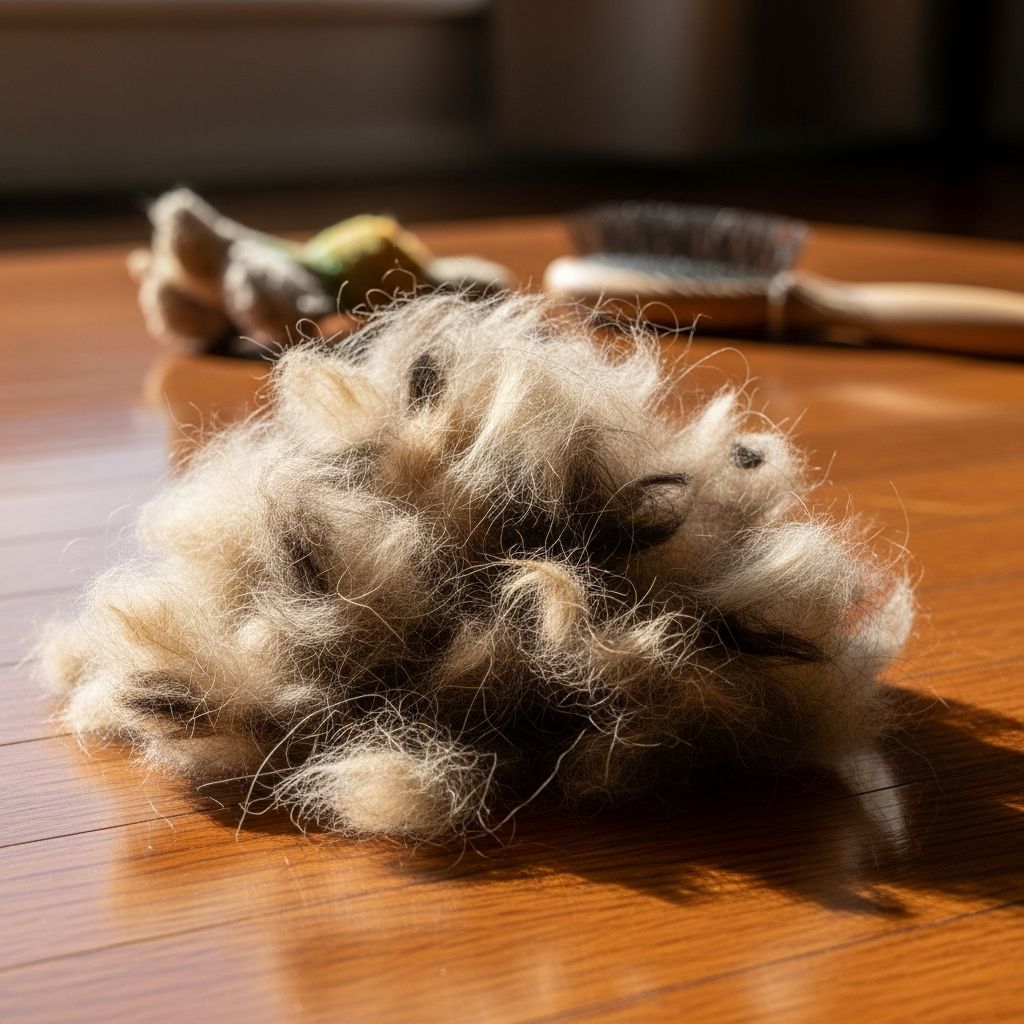
Dogs naturally shed to renew their coats, but when fur loss becomes overwhelming, it signals potential issues. Understanding the triggers behind heavy shedding helps pet owners take action to improve their dog’s skin and coat health while minimizing mess at home.
Normal Shedding vs. Problematic Fur Loss
Most dogs experience seasonal shedding, where undercoat thickens in fall and sheds in spring to adapt to temperature changes. Breeds with double coats, like Huskies or Golden Retrievers, shed more noticeably during these periods. However,
excessive shedding
involves constant fur clumps, bald spots, or skin irritation beyond normal cycles.Signs of concern include patchy hair loss, excessive scratching, red or inflamed skin, or dull, brittle fur. These symptoms often point to underlying problems rather than just breed traits or seasonal molts.
Nutritional Factors Behind Heavy Shedding
A dog’s diet directly impacts coat quality. Low-quality foods lacking essential nutrients lead to dry, thinning fur. Proteins, omega fatty acids, and vitamins like biotin are crucial for healthy hair growth.
- Poor protein content: Discount kibble may meet minimum standards but lack amino acids needed for strong follicles, causing increased fallout.
- Fatty acid deficiency: Omega-3 and omega-6 shortages result in brittle hair that sheds easily. Fish oils or salmon-based foods can help restore shine.
- Imbalanced vitamins: Insufficient zinc or vitamin E weakens the skin barrier, promoting loss.
Switching to high-quality, nutrient-dense food often reduces shedding within weeks. Consult a vet before changes to match your dog’s needs.
Allergies Triggering Intense Shedding
Allergies are a leading cause of abnormal fur loss. Dogs react to environmental triggers like pollen, dust, or grass, causing itchy skin that leads to scratching and hair removal.
| Allergen Type | Symptoms | Common Sources |
|---|---|---|
| Environmental | Itchy paws, ears; hot spots | Pollen, mold, dander |
| Food | Digestive upset, ear infections | Beef, chicken, grains |
| Contact | Localized redness | Cleaning products, fabrics |
Diagnosis involves skin tests or elimination diets, where novel proteins replace suspects for 8-12 weeks. Treatments include antihistamines, medicated shampoos, or immunotherapy shots.
Parasites and Infections Causing Hair Thinning
External parasites irritate skin, prompting over-grooming and fur loss. Fleas, ticks, and mites create cycles of itch-scratch-shed.
- Fleas: Tiny bites cause flea allergy dermatitis, leading to bald patches.
- Mange mites: Demodex or sarcoptic mites burrow, causing crusty, hairless areas.
- Ticks: Embedded ticks transmit diseases worsening coat condition.
Bacterial or fungal issues like pyoderma (hot spots) or ringworm exacerbate shedding. These appear as red, oozing sores or circular bald spots. Year-round preventatives and prompt vet care prevent escalation.
Hormonal and Systemic Health Issues
Internal imbalances disrupt hair cycles. Hypothyroidism slows metabolism, producing dry, thinning coats. Cushing’s disease overproduces cortisol, causing symmetrical baldness on flanks.
Other conditions include:
- Kidney or liver disease: Toxin buildup affects growth.
- Post-pregnancy or spay/neuter: Temporary hormone shifts.
- Cancer or immune disorders: Patchy loss with lethargy.
Blood tests confirm these; treatments range from hormone supplements to addressing root diseases.
Stress and Lifestyle Contributors
Emotional factors trigger telogen effluvium, where stress pushes hairs into resting phase prematurely. Changes like moves, new pets, or loud noises prompt licking and loss.
Bathing too frequently strips oils, drying skin. Sunburn on light-coated dogs or medication side effects also contribute.
Effective Strategies to Minimize Shedding
Proactive care reduces fur volume significantly.
- Regular grooming: Brush 3-5 times weekly with tools like slicker brushes or de-shedders to remove loose hair.
- Quality nutrition: Opt for foods with 25-30% protein and omega supplements.
- Bathing routine: Use moisturizing shampoos every 4-6 weeks.
- Parasite control: Monthly topicals or orals.
- Environmental management: HEPA filters, frequent vacuuming.
For breeds like Labs, daily brushing during peak seasons helps.
When to Consult a Veterinarian
Seek professional help if shedding persists despite home efforts, or accompanies weight loss, vomiting, or behavioral changes. Vets may recommend biopsies, cultures, or endocrinology panels. Early intervention prevents chronic issues.
FAQs
Can diet alone stop excessive shedding?
Improved nutrition addresses many cases but not all; combine with grooming and vet checks.
Do all breeds shed the same?
No, double-coated breeds shed heavily seasonally; single-coated or hairless ones less so.
Is excessive shedding seasonal only?
Not always; year-round loss indicates health problems.
How long for treatments to work?
2-8 weeks for diet/grooming; longer for medical issues.
Are supplements safe?
Yes, omega oils under vet guidance; avoid over-supplementation.
References
- How You Can Stop Your Dog from Excessively Shedding — All Bay Animal Hospital. 2024-07-15. https://www.allbayanimalhospital.com/site/blog/2024/07/15/stop-dog-excessively-shedding
- Why is My Dog Shedding So Much? — VEG ER for Pets. N/A. https://www.veg.com/post/why-is-my-dog-excessively-shedding
- Excessive shedding in dogs: 6 causes and tips — Riverwood Pet Food. N/A. https://www.riverwoodpetfood.com/en/blogs/excessive-shedding-in-dogs-6-causes-and-tips
- All About Shedding: Is My Pet Shedding Too Much? — Willowbrook Vet Clinic. N/A. https://willowbrookvetclinic.com/all-about-shedding-is-my-pet-shedding-too-much/
- Why Is My Dog Shedding So Much? — PetMD. N/A. https://www.petmd.com/dog/symptoms/skin/excessive-shedding-in-dogs
- How to Stop or Reduce Excessive Shedding – Healthy Dogs — WebMD. N/A. https://www.webmd.com/pets/dogs/excessive-shedding-dogs
- June Newsletter: How to Reduce Excessive Dog Shedding — Miramar Animal Hospital. N/A. https://www.miramaranimalhospital.net/articles/966742-june-newsletter-how-to-reduce-excessive-dog-shedding
Similar Articles








Read full bio of medha deb




