

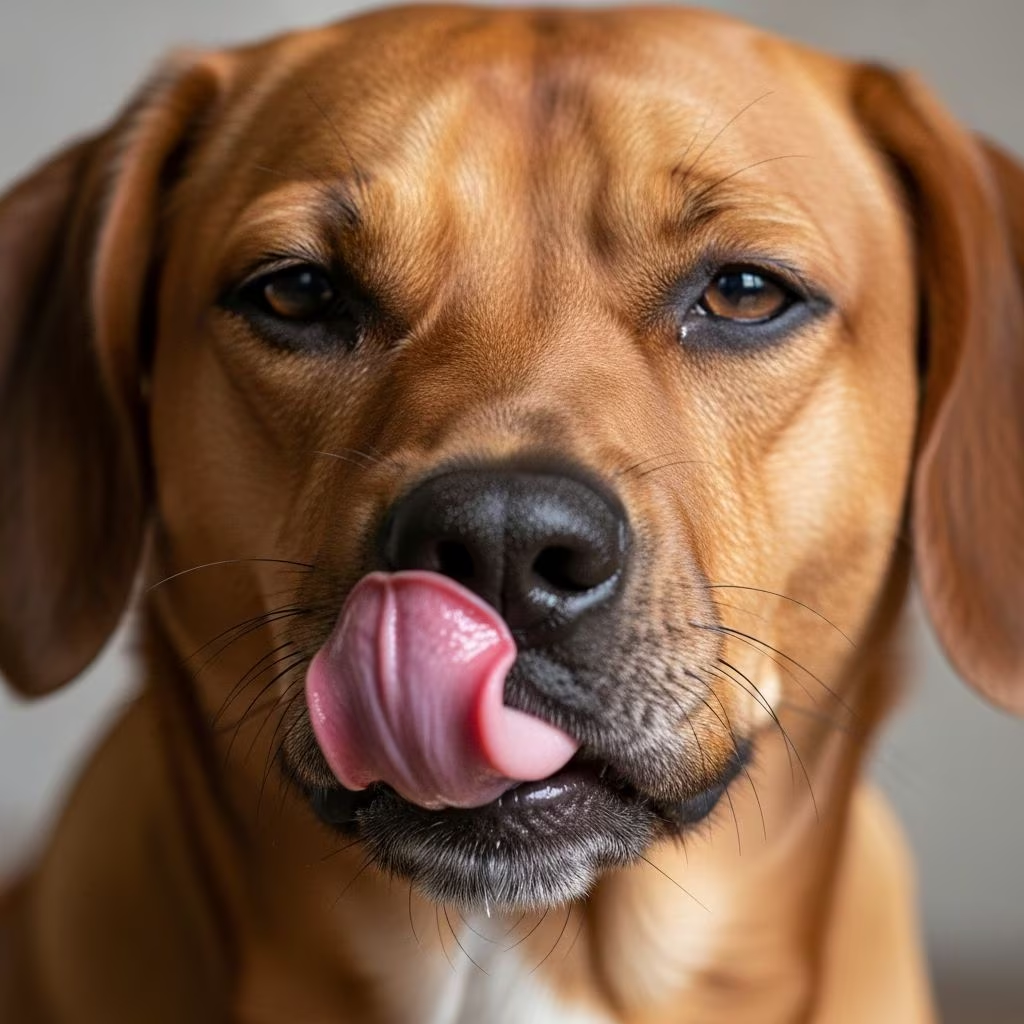
Dogs naturally lick to groom, show affection, or explore their world, but when it becomes relentless, it signals a problem. **Excessive licking** can lead to skin damage, infections, and distress if ignored. This comprehensive guide breaks down the triggers, symptoms, diagnostic steps, and treatments to help your furry friend.
Recognizing When Licking Crosses the Line
Normal licking is occasional and purposeful, like cleaning paws after a walk. Excessive behavior, however, is compulsive and disrupts daily life. Owners often spot it on paws, legs, belly, or joints, where dogs target itchy or sore spots repeatedly.
Key signs include:
- Hair loss or bald patches from constant moisture.
- Red, inflamed skin or oozing sores.
- Discolored fur, dandruff, or foul odors.
- Interference with sleep, play, or eating.
- Limping, whining, or vocalizing during episodes.
If your dog can’t stop despite negative outcomes like raw skin, it’s time for intervention. Early detection prevents conditions like lick granulomas—inflamed, hairless lesions from self-trauma.
Common Physical Causes of Over-Licking
Many cases stem from physical discomfort. Dogs lick to soothe irritation, much like humans scratch an itch.
Allergies: The Itch That Won’t Quit
**Atopic dermatitis** and food allergies top the list, triggered by pollen, dust mites, molds, or ingredients like beef or grains. Environmental allergens mimic human hay fever, causing paws, belly, and ears to itch intensely. Food sensitivities lead to chronic paw licking or ear infections.
Symptoms overlap with other issues: redness, hot spots (moist dermatitis), and secondary infections. A hypoallergenic diet trial or allergy testing pinpoints culprits.
Parasites and Infections Invading the Skin
Fleas, mites (like Demodex), bacteria, yeast, or fungi provoke furious licking. Parasites burrow, causing itchiness; yeast thrives in moist areas like toes or groin, producing brownish discharge. Bacterial infections add redness and pimples.
Vets use skin scrapes, tape preps, or cytology to diagnose. Ringworm shows circular bald patches but less itch. Untreated, these spread or infect humans (e.g., some mites).
Pain and Joint Problems
Injuries, arthritis, or joint pain prompt licking for endorphin relief—nature’s painkiller. Dogs target wrists (carpus), elbows, or above sore hips. Lick granulomas often start here, escalating into thickened, ulcerated skin.
Arthritis meds or pain relievers test this theory. X-rays or exams reveal underlying issues.
Digestive Distress and Nausea
Upset stomachs, reflux, or GI disorders drive air-licking or object licking. Studies link up to 60% of cases to gastrointestinal problems after ruling out skin issues. Symptoms include lip-smacking or floor licking alongside nausea signs like vomiting.
Other Medical Triggers
Anal gland impactions cause butt-scooting and licking; UTIs lead to genital area focus. Endocrine disorders like hypothyroidism cause itchy skin and hair loss. Dental pain from broken teeth prompts excessive mouth licking.
Behavioral and Psychological Factors
Not all licking is physical. Stress turns it compulsive.
Anxiety, Boredom, and OCD
Bored or anxious dogs self-soothe by licking, releasing calming endorphins. Triggers: separation, changes, or confinement. Rare **canine OCD** manifests as relentless self-licking, creating sores.
Lick granulomas blend physical and psychological roots—starting from itch but persisting due to habit.
How Vets Diagnose the Root Cause
Don’t self-diagnose; pros rule out issues systematically.
| Diagnostic Tool | Purpose | Targets |
|---|---|---|
| Skin Scrape | Deep follicle exam | Parasites (mites, fleas) |
| Tape Prep/Cytology | Surface swab analysis | Bacteria, yeast |
| Fungal Culture/Lamp | Light/growth tests | Ringworm |
| Biopsy | Tissue sample review | Cancer, rare diseases |
| Allergy Tests/Diet Trial | Elimination process | Food/environmental allergies |
| Imaging/Bloodwork | Internal scan | Arthritis, hormones, GI |
History, physical exams, and trials (e.g., flea prevention) narrow it down.
Treatment Strategies That Work
Tailor to the cause for best results.
Medical Interventions
- Allergies: Antihistamines, steroids, immunotherapy shots, or medicated shampoos.
- Infections: Topical/oral antibiotics, antifungals; flea control.
- Pain: NSAIDs, joint supplements like glucosamine.
- GI: Antacids, diet changes, probiotics.
Behavioral Fixes
Interrupt cycles with distractions: walks, toys, training. Anxiety aids include ThunderShirts or pheromone diffusers. Enrich environment to combat boredom.
For granulomas: Elizabethan collars, laser therapy, or meds like fluoxetine.
Home Management Tips
- Regular baths with oatmeal shampoo.
- Cone or sock on paws.
- Bitter sprays (e.g., apple cider vinegar mix).
- Consistent routine reduces stress.
Prevention: Keep Licking in Check
Proactive steps minimize risks:
- Monthly flea/tick preventives.
- Hypoallergenic diet if prone.
- Joint health via weight control, exercise.
- Mental stimulation: puzzle toys, agility.
- Annual vet checkups catch early signs.
FAQs on Dog Licking
Is excessive paw licking always allergies?
No—could be pain, boredom, or infections. Vet evaluation essential.
Can I treat lick granuloma at home?
Limited; cones help short-term, but pros address root causes.
Why does my dog lick the air or floor?
Often nausea or GI upset; monitor for vomiting.
How long before seeing a vet?
If skin changes or behavior persists >1 week.
Does neutering help?
May reduce some hormonal licking, but not primary fix.
References
- Excessive Licking in Dogs — Animal Friends Dermatology. 2024-04-15. https://www.animalfriendsdermatology.com/site/blog/2024/04/15/excessive-licking-dogs
- Why Is My Dog Licking His Paws So Much? Causes and Remedies — Best Friends Animal Society. N/A. https://bestfriends.org/pet-care-resources/why-my-dog-licking-his-paws-so-much-causes-and-remedies
- 12 Reasons Dogs Lick Excessively — Pets Best Insurance. N/A. https://www.petsbest.com/blog/12-reasons-dogs-lick-excessively
- The Science Behind the Slurp: Why Dogs Engage in Excessive Licking — Rea Road Animal Hospital. N/A. https://www.rearoadanimalhospital.com/the-science-behind-the-slurp-why-dogs-engage-in-excessive-licking/
- Lick Granuloma in Dogs — VCA Animal Hospitals. N/A. https://vcahospitals.com/know-your-pet/lick-granuloma-in-dogs



