

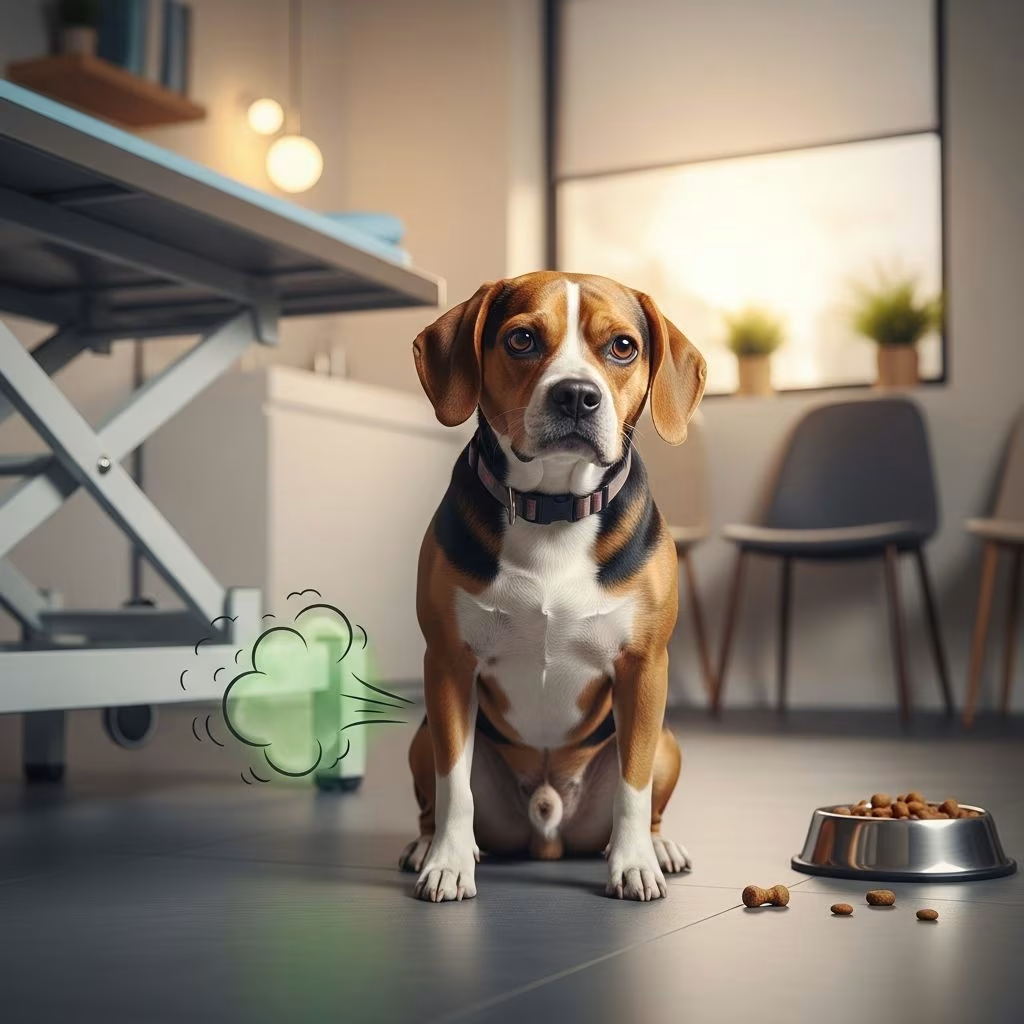
Dogs occasionally pass gas as part of normal digestion, but frequent or foul-smelling flatulence can signal digestive upset or other problems. Understanding the root causes helps pet owners take targeted steps to alleviate discomfort and improve their dog’s quality of life.
Understanding Canine Flatulence
Flatulence occurs when gas builds up in a dog’s gastrointestinal tract and is expelled through the rectum. This gas primarily comes from swallowed air or bacterial fermentation of undigested food in the intestines. While occasional episodes are harmless, persistent issues may indicate dietary mismatches, rapid eating habits, or underlying health concerns.
The odor of dog gas often stems from hydrogen sulfide produced during bacterial breakdown of proteins and sulfur-rich foods. Brachycephalic breeds like Bulldogs or Pugs are prone to more gas due to their breathing patterns, which lead to greater air intake.
Primary Dietary Triggers for Gas
What a dog eats directly influences gas production. Many commercial foods contain ingredients that ferment easily in the gut, leading to excess gas.
- High-fiber ingredients: Foods with beans, peas, lentils, soybeans, or whole grains overwhelm the small intestine, reaching the colon where bacteria ferment them into gas.
- Dairy products: Most adult dogs lack lactase enzyme, causing lactose intolerance and subsequent bloating and flatulence from milk or cheese.
- Fatty or spicy foods: Table scraps, greasy treats, or human seasonings disrupt digestion and promote bacterial overgrowth.
- Low-quality fillers: Artificial preservatives, fillers, or poorly digestible carbs in budget kibble contribute to fermentation.
Sudden diet switches without transition periods also upset the gut microbiome, amplifying gas for days or weeks.
Behavioral and Physical Contributors
Beyond diet, habits play a key role. Dogs that gulp food swallow excessive air (aerophagia), which escapes as burps or farts.
| Factor | Description | Affected Breeds/Types |
|---|---|---|
| Rapid eating | Bolting meals introduces air; common in multi-dog homes or with anxious eaters. | All breeds, especially food-motivated ones |
| Brachycephalic anatomy | Short snouts cause panting and air swallowing during breathing or eating. | Pugs, French Bulldogs, Boxers |
| Post-exercise feeding | Heavy panting right before meals increases air intake. | Active or working dogs |
| Scavenging | Eating garbage or spoiled items leads to indigestion. | Opportunistic foragers |
Encouraging slower eating with puzzle feeders or divided meals can cut aerophagia by up to 50% in gulpers.
Medical Conditions Linked to Excessive Gas
When diet tweaks fail, health issues may be at play. Veterinary diagnostics like fecal tests, bloodwork, or ultrasounds pinpoint problems.
- Gut infections: Parasites (worms, giardia), bacteria, or viruses inflame the intestines, boosting gas.
- Food allergies/intolerances: Reactions to proteins like beef or grains cause chronic inflammation and maldigestion.
- Pancreatic insufficiency: Poor enzyme production hinders food breakdown, leading to fermentation.
- Inflammatory bowel disease (IBD): Immune-mediated gut damage alters bacterial balance.
- Small intestinal bacterial overgrowth (SIBO): Excess bacteria ferment food prematurely.
Accompanying signs like diarrhea, vomiting, weight loss, or lethargy warrant immediate vet attention.
Step-by-Step Strategies to Reduce Gas
Addressing flatulence starts with simple changes, progressing to professional interventions if needed.
Optimize Feeding Practices
- Switch to highly digestible kibble: Prioritize rice-based carbs over corn/wheat, with protein under 30% dry matter and minimal soy.
- Use slow feeders or scatter kibble to extend meal times.
- Divide daily rations into 3-4 smaller meals to ease digestion.
- Eliminate table scraps and dairy; transition new foods over 7-10 days.
Boost Gut Health with Supplements
Probiotics restore microbiome balance, reducing fermentation. Prebiotics feed good bacteria, while enzymes aid breakdown of tough foods.
- Look for vet-formulated products with multiple strains like Lactobacillus and Bifidobacterium.
- Sulfur-binding supplements (e.g., activated charcoal) neutralize odors temporarily.
Lifestyle Adjustments
- Increase daily walks to promote motility and gas expulsion.
- Feed in calm, non-competitive settings to curb gulping.
- Discourage counter-surfing or trash raiding with secure storage.
When to Consult a Veterinarian
Monitor for red flags: gas with blood in stool, persistent diarrhea, appetite loss, or abdominal pain (hunched posture, whining). Vets may prescribe antiparasitics, antibiotics, or hypoallergenic diets.
Diagnostic tools include:
- Fecal analysis for parasites.
- Blood tests for organ function.
- Imaging for obstructions or tumors.
FAQs on Dog Flatulence
Is dog gas ever dangerous?
Rarely, but sudden severe bloating (GDV) in deep-chested breeds requires emergency care.
Can probiotics stop dog farts completely?
They significantly reduce gas by balancing gut flora but work best alongside diet changes.
Why do some dogs fart more than others?
Breed anatomy, diet sensitivity, and age affect baseline gas; seniors often have slower digestion.
How long do diet changes take to work?
Improvements appear in 1-2 weeks; full effects in 4-6 weeks as microbiome adjusts.
Are there safe home remedies for smelly gas?
Pumpkin puree (plain, canned) adds soluble fiber gently; consult vet before herbs like ginger.
Long-Term Prevention Plan
Maintain a consistent, vet-recommended diet tailored to your dog’s needs. Annual check-ups catch issues early. Track gas patterns in a journal to correlate with foods or stressors.
For multi-pet homes, separate feeding reduces competition-induced gulping. Hydration matters—ensure fresh water to support digestion.
With patience, most dogs achieve gas-free comfort. Persistent cases benefit from board-certified veterinary nutritionists for custom plans.
References
- Flatulence in Dogs – Causes, Treatment and Associated Symptoms — Vetster. 2023. https://vetster.com/en/symptoms/dog/flatulence
- Flatulence – farting and gas problems in dogs — Vetwest. 2023. https://www.vetwest.com.au/pet-library/flatulence-farting-and-gas-problems-in-dogs/
- Flatulence in Dogs — WebMD. 2023. https://www.webmd.com/pets/dogs/flatulence-dogs
- Dogs and Gas — VCA Animal Hospitals. 2023. https://vcahospitals.com/know-your-pet/dogs-and-gas
- Why Is My Dog Farting So Much? — PPC Vets. 2023. https://www.ppcvets.com/services/dogs/blog/why-my-dog-farting-so-much-why-your-dog-has-gas-and-how-stop-it
- What Dog Owners Should Know About Dog Farts — AnimalBiome. 2023. https://www.animalbiome.com/blogs/dog/what-dog-owners-should-know-about-dog-farts-and-how-to-stop-them



