

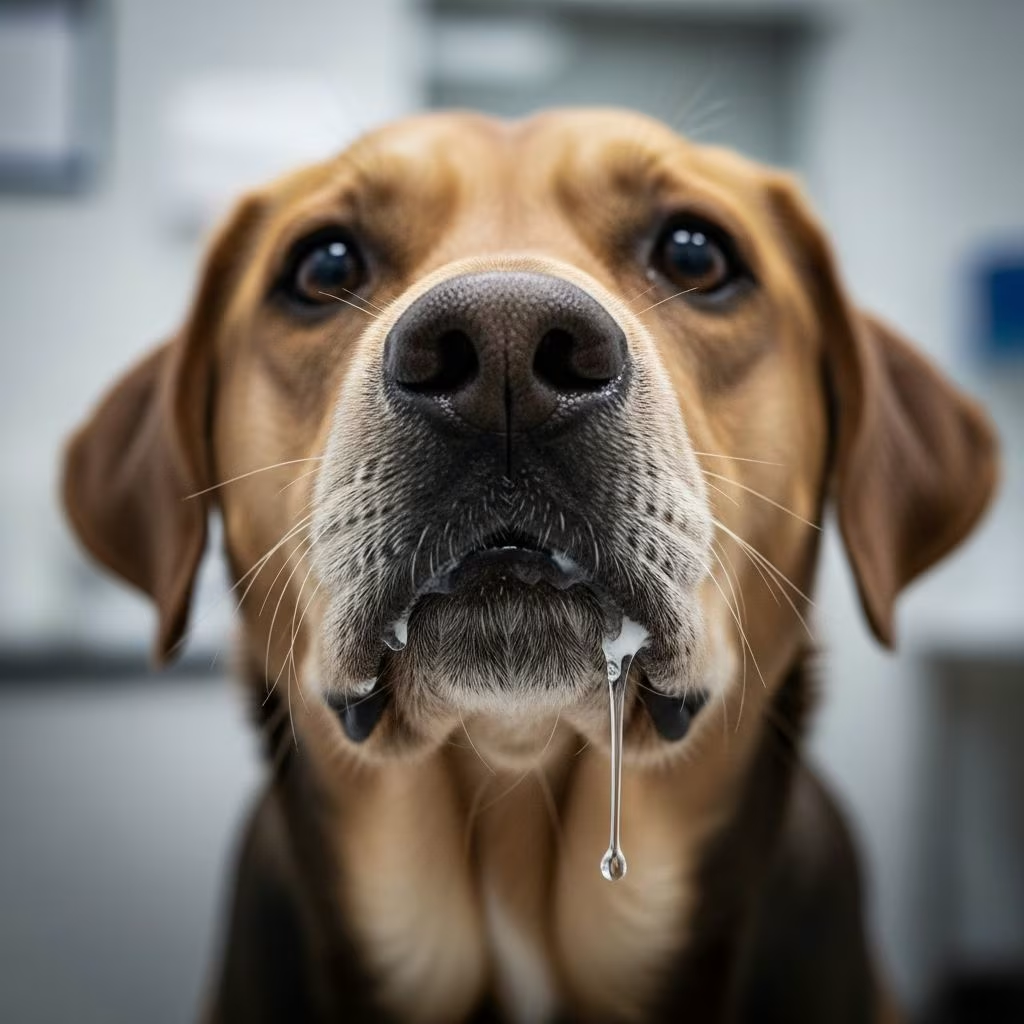
Dogs naturally produce saliva to aid digestion, keep their mouths clean, and regulate temperature. However, when drooling becomes excessive or sudden, it often points to an underlying problem that requires attention. This article examines the various reasons for hypersalivation in dogs, distinguishing normal from abnormal patterns, and guides owners on recognizing emergencies.
Normal vs. Abnormal Drooling in Dogs
Some breeds, particularly those with loose jowls like Bulldogs, Mastiffs, and Saint Bernards, drool more due to their anatomy. Saliva simply escapes from their mouths because of floppy lips and large salivary glands. In these cases, consistent moderate drooling is typical and not a health concern.
Normal drooling also occurs in response to stimuli:
- Anticipation of food or treats, triggering salivary glands.
- Physical activity or heat, where panting and evaporation cool the body.
- Excitement during play or greetings.
- Puppy teething, as gums ache and saliva soothes irritation.
Abnormal drooling, or ptyalism, is characterized by sudden onset, increased volume, or persistence without obvious triggers. It may appear foamy, bloody, or stringy, often accompanied by other symptoms like pawing at the mouth or reluctance to eat.
Common Medical Causes of Excessive Drooling
Many health issues stimulate overproduction of saliva or prevent swallowing. Owners should monitor for patterns and associated signs.
Oral and Dental Problems
Dental disease tops the list of drooling causes. Plaque buildup leads to gingivitis, periodontal disease, fractured teeth, or abscesses, causing pain that prompts drooling. Dogs may drop food, chew selectively, or have foul breath.
- Gingivitis and tartar: Inflamed gums bleed and hurt, increasing saliva flow.
- Broken or loose teeth: Exposed nerves cause constant discomfort.
- Oral tumors or growths: These obstruct the mouth or irritate tissues.
- Foreign objects: Sticks, bones, or toys lodged in gums or throat.
Regular dental checkups and brushing can prevent many issues, but sudden drooling warrants a vet exam.
Gastrointestinal Distress and Nausea
Nausea from stomach upset, motion sickness, or dietary indiscretion ramps up saliva as the body prepares to vomit. GI conditions like gastritis, pancreatitis, or blockages also contribute.
Symptoms include:
| Symptom | Possible GI Cause |
|---|---|
| Lip licking, gulping | Early nausea |
| Vomiting after drooling | Gastritis or foreign body |
| Loss of appetite | Pancreatitis or IBD |
| Diarrhea | Enteritis or toxins |
If drooling precedes vomiting or lasts beyond resolution of upset, seek veterinary care.
Heat-Related Issues
Dogs cool via panting, but extreme heat leads to profuse drooling, thick saliva, and risks like heat exhaustion or stroke. Flat-faced breeds (brachycephalics) are especially vulnerable.
Watch for red gums, rapid breathing, weakness, or collapse—these demand immediate cooling and ER visit.
Behavioral and Environmental Triggers
Not all drooling signals illness. Stress, anxiety, or new environments can cause temporary hypersalivation, often with panting, pacing, or hiding.
- Car rides: Motion sickness mimics nausea.
- Vet visits or thunderstorms: Fear response.
- Toxin exposure: Caustic substances irritate the mouth, prompting expulsion via drool. Common culprits: antifreeze, chocolate, xylitol, certain plants.
Behavioral drooling resolves when the trigger ends, unlike medical causes.
Neurological and Systemic Conditions
Rarer but serious, neurological problems impair swallowing or stimulate glands. Examples include seizures, vestibular disease, or brain lesions, with signs like head tilting, circling, or uneven pupils.
Systemic diseases like kidney failure, liver issues, or rabies (rare in vaccinated dogs) may present with drooling alongside lethargy or jaundice. Bloodwork is needed for diagnosis.
When Excessive Drooling Becomes an Emergency
Not all drooling requires a rush to the vet, but certain red flags do. Assess based on these criteria:
- Sudden, heavy volume: Puddles forming quickly.
- Bloody or discolored saliva: Indicates injury or infection.
- Swelling or hives: Allergic reaction risk.
- With vomiting, diarrhea, or collapse: Toxin or obstruction likely.
- Neurological signs: Difficulty swallowing, weakness.
Top Emergencies Linked to Drooling
| Emergency | Key Signs | Action |
|---|---|---|
| Toxin Ingestion | Drooling + tremors, seizures | Call poison control, go to ER |
| Heatstroke | Drooling + bright red gums, collapse | Cool dog, vet immediately |
| GI Blockage | Drooling + retching, no stool | Imaging at ER |
| Severe Oral Trauma | Bloody drool + pawing mouth | Sedation for exam |
Err on the side of caution—delays can be fatal.
Diagnosing the Cause: What Vets Do
Veterinarians start with a history and physical exam, focusing on the mouth, abdomen, and vitals. Diagnostics may include:
- X-rays or ultrasound for blockages.
- Blood tests for organ function or infection.
- Dental cleaning under anesthesia.
- Toxin panels if ingestion suspected.
Treatment targets the root: antibiotics for infections, fluids for dehydration, or surgery for obstructions.
Preventing Excessive Drooling Issues
Proactive care minimizes risks:
- Annual dental exams and cleanings.
- Secure toxins and hazardous items.
- Brachycephalic-safe exercise in cool conditions.
- Calm desensitization for anxiety triggers.
- Dietary management to avoid GI upset.
Frequently Asked Questions (FAQs)
Why is my dog drooling but not eating?
Pain from dental issues or nausea often causes both. A vet check is essential.
Is drooling always a sign of poisoning?
No, but sudden drooling post-exposure is suspicious. Contact a vet or poison hotline.
How much drooling is too much?
If it’s new, profuse, or with other symptoms, it’s excessive.
Can stress cause long-term drooling?
Usually temporary; persistent cases need medical evaluation.
Final Thoughts on Keeping Your Dog Healthy
Monitor your dog’s drooling habits closely. What seems like harmless slobber can reveal critical health signals. Regular vet visits and awareness empower you to act swiftly, ensuring your furry friend stays happy and drool-free when it counts. (Word count: 1678)
References
- Beyond the Slobber: Why Your Dog Won’t Stop Drooling — Harlingen Veterinary Clinic. 2023. https://harlingenveterinaryclinic.com/blog/dog-drooling-constantly/
- Drooling in Dogs: Why They Do it & What to Do — South Mesa Veterinary Hospital. 2024-08-15. https://www.southmesa.com/site/blog/2024/08/15/drolling-dogs
- Why is My Dog Drooling So Much? — Trinity Veterinary Hospital. 2023. https://trinityveterinaryhospital.com/blog/why-is-my-dog-drooling-so-much/
- Excessive Drooling in Dogs — PetMD. 2024. https://www.petmd.com/dog/symptoms/excessive-drooling-in-dogs
- Is Excessive Drooling in Dogs an Emergency? — Focused Pet Care. 2024. https://focusedpetcare.com/emergency-vet-in-jacksonville-fl/is-excessive-drooling-in-dogs-an-emergency/
- Is Excessive Drooling in Dogs an Emergency? 7 Signs — Hidden Springs Animal Hospital. 2024. https://hiddenspringsanimal.com/experiencing-an-emergency/is-excessive-drooling-in-dogs-an-emergency-7-signs-that-you-need-to-visit-the-pet-er/



