

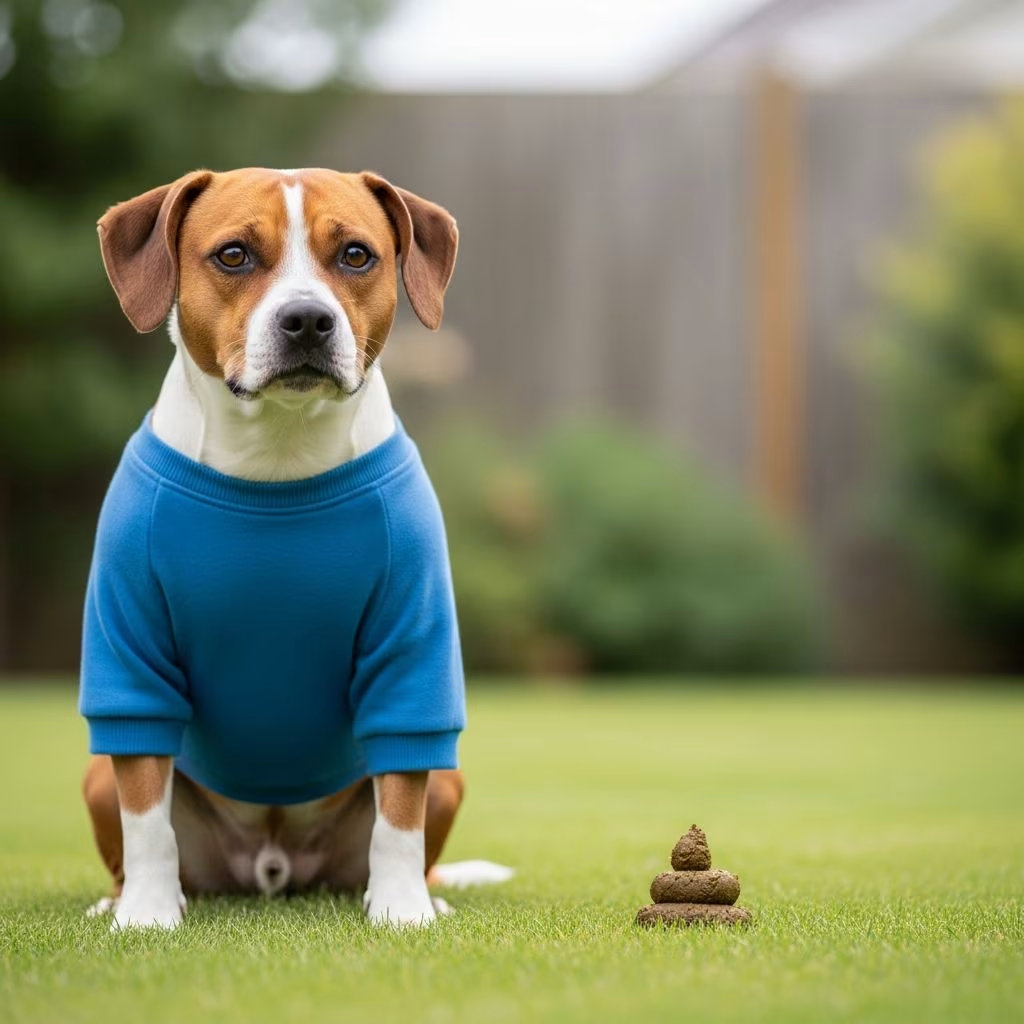
Pet owners often notice changes in their dog’s bathroom habits and wonder what might be causing increased frequency in bowel movements. While occasional variations are normal, a significant increase in pooping frequency can signal anything from minor dietary adjustments to underlying health concerns. Understanding the potential causes behind your dog’s frequent bathroom trips empowers you to make informed decisions about your pet’s care and well-being.
Recognizing What Constitutes Excessive Pooping
Dogs typically have one to three bowel movements daily, though this can vary based on age, diet, and individual metabolism. When your dog begins pooping significantly more than their baseline pattern, it warrants investigation. Excessive bowel movements might manifest as multiple trips throughout the day, urgent bathroom needs, or loose stools passed more frequently than normal.
The key to identifying problematic patterns is understanding your dog’s individual habits. A puppy may naturally have more frequent bowel movements than an adult dog, and senior dogs might develop different patterns. By establishing a baseline of what’s normal for your specific dog, you’ll be better equipped to notice when something changes.
Dietary Overindulgence and Food-Related Issues
One of the most straightforward explanations for increased bowel frequency is simply consuming too much food. Dogs eating beyond their nutritional requirements will naturally produce more stool as their digestive systems process the excess calories and volume. Additionally, unsupervised dogs may consume non-food items while outside, including grass, sticks, and other materials that can increase bowel movements.
Sudden changes to your dog’s diet represent another common culprit. When switching from one food brand or type to another abruptly, dogs often experience gastrointestinal upset that results in loose stools and increased frequency. The digestive system requires time to adjust to new ingredients, proteins, and fiber levels. A gradual transition over seven to ten days typically prevents this digestive disruption.
Food allergies and intolerances can also trigger frequent bowel movements. Some dogs react to specific proteins, grains, or additives in their food, resulting in gastrointestinal inflammation and increased stool output. Dogs with food sensitivities may also exhibit symptoms like itching, ear infections, or skin problems alongside digestive changes.
Parasitic and Bacterial Complications
Internal parasites represent a significant cause of excessive bowel movements in dogs. Common parasites include giardia, coccidia, hookworms, roundworms, and whipworms, all of which can disrupt normal digestive function. Parasitic infections often accompany other symptoms including lethargy, weight loss, poor coat quality, and visible worms or segments in stool.
Bacterial infections from organisms like salmonella and E. coli can cause acute digestive upset with sudden increases in bowel frequency. Dogs with bacterial infections typically display behavioral changes including reduced energy, appetite loss, and noticeably loose or watery stools. These infections can develop from consuming contaminated food, water, or environmental exposure.
Preventative medication plays a crucial role in managing parasitic risk. Regular deworming protocols recommended by veterinarians help protect dogs throughout their lives. During annual veterinary visits, vets typically request stool samples to screen for parasitic infections, allowing for early detection and treatment.
Gastrointestinal Inflammation and Colitis
Inflammation of the colon, known as colitis, frequently causes increased bowel movements and stool changes. This condition can result from sudden dietary changes, food allergies, parasitic or bacterial infections, or stress-related digestive upset. Dogs with colitis often produce stools with excessive mucus, and they may strain during bowel movements or attempt to defecate more frequently throughout the day.
Mucus appears in dog stool when the colon becomes irritated. While small amounts of clear mucus occasionally coating otherwise normal stool may indicate minor irritation that resolves independently, large quantities of mucus—particularly when mixed with blood—suggest more serious inflammation requiring veterinary evaluation.
Inflammatory bowel disease (IBD) represents a chronic condition causing persistent colon inflammation. Dogs with IBD exhibit symptoms including frequent diarrhea, weight loss despite adequate food intake, and consistent mucus in stool. This condition often requires long-term management through specialized diets and veterinary supervision.
Understanding Stool Characteristics and What They Reveal
| Stool Appearance | Potential Cause | When to Contact Vet |
|---|---|---|
| Watery or pudding-like | Acute gastrointestinal upset, stress, parasites, food indiscretion | Persists beyond 24 hours or accompanied by vomiting |
| Slimy or mucus-coated | Colon inflammation, mild infection, food sensitivity | Large amounts of mucus or mixed with blood |
| Black or tarry | Digested blood from upper GI tract, ulcers, bleeding disorders | Immediately—this is a serious sign |
| Bright red streaks or blood | Lower GI tract bleeding, colitis, anal gland issues, straining | If persistent or accompanied by pain behavior |
| Gray or pale coloration | Fat absorption difficulties, potential liver dysfunction | If color change persists for multiple days |
| Hard, dry, or pellet-like | Dehydration, low-fiber diet, inactivity, constipation | If accompanied by straining or lasting over 24 hours |
Dehydration and Water Intake Challenges
Insufficient water consumption can paradoxically lead to both constipation and inconsistent bowel movements. Dehydration affects overall digestive function and stool consistency. Dogs that don’t drink adequate water may produce hard, dry stools, yet in some cases may also experience loose stools as the body attempts to compensate for fluid loss.
Ensuring your dog has constant access to fresh, clean water throughout the day is essential. Some dogs prefer running water from fountains, while others may drink more readily from certain bowl types. Monitoring water intake becomes particularly important during hot weather, after exercise, or if your dog eats a diet high in dry kibble.
Stress, Anxiety, and Behavioral Factors
Emotional stress and anxiety can significantly impact canine digestive health. Changes in the household environment, introduction of new pets or family members, travel, or separation from owners can trigger stress-related digestive upset. Anxious dogs often exhibit increased bowel movements, particularly diarrhea, and may display additional behavioral changes like restlessness or avoidance.
Dogs experiencing stress may also engage in increased grass eating, which can further irritate the digestive tract. Creating a calm, predictable environment and maintaining consistent routines helps reduce stress-related digestive issues. In some cases, anxiety-reducing strategies or professional training may prove beneficial.
Age-Related Digestive Considerations
Puppies naturally experience more frequent bowel movements than adult dogs as their developing digestive systems are still maturing. A puppy may defecate four to six times daily or more, gradually decreasing to adult patterns as they grow. This is typically normal development rather than a cause for concern.
Senior dogs may experience changes in bowel frequency and consistency as their digestive and metabolic functions decline. Reduced mobility, dental issues affecting food intake, and various age-related health conditions can all impact bathroom habits. Older dogs are also more susceptible to parasitic infections and chronic digestive conditions.
Lack of Physical Activity and Mobility Issues
Dogs requiring adequate exercise for proper digestive function may experience constipation or irregular bowel movements when activity levels decrease. Physical activity stimulates healthy gut motility and helps maintain consistent digestion. Additionally, dogs with mobility limitations from arthritis, spinal issues, or other physical conditions may experience difficulty assuming comfortable positions for defecation.
Ensuring your dog receives appropriate exercise based on age, breed, and health status supports overall digestive wellness. Even short, frequent walks can improve gastrointestinal function and help establish regular bowel movement patterns.
Recognizing Serious Warning Signs
Certain combinations of symptoms warrant immediate veterinary attention. Black or tarry stool represents a medical emergency, as it indicates bleeding in the upper gastrointestinal tract. Similarly, bright red blood in stool accompanied by severe straining, pain behavior, or multiple failed attempts to defecate suggests serious conditions requiring prompt evaluation.
Diarrhea lasting longer than 24 to 48 hours, particularly when accompanied by vomiting, appetite loss, or lethargy, necessitates veterinary care. Dogs showing extreme pain during bowel movements, refusal to eat or drink, or a hunched posture suggesting abdominal pain need immediate assessment. These signs could indicate intestinal blockages, severe infections, or other life-threatening conditions.
Puppies and senior dogs warrant lower thresholds for veterinary consultation when experiencing digestive changes, as these populations are more vulnerable to serious complications from dehydration and infection.
Behavioral Clues Indicating Digestive Distress
Your dog’s behavior often communicates digestive discomfort as clearly as stool appearance. Restlessness before bowel movements frequently indicates nausea or urgency. Straining during defecation could signal constipation or anal gland irritation. Dogs experiencing pain during bowel movements may cry out or adopt an unusual posture.
Frequent grass consumption sometimes indicates gut irritation or attempts at self-medication through natural fiber. Dogs avoiding their own stool or showing reluctance to investigate feces might be reacting to unfamiliar odors resulting from infection or microbial imbalances. New accidents inside the house despite previous housetraining could indicate poor stool control stemming from inflammation or urgency.
Dietary Management and Prevention Strategies
Maintaining consistent feeding schedules with measured portions appropriate to your dog’s age, size, and activity level prevents overfeeding-related excessive bowel movements. High-quality diets containing appropriate fiber levels support healthy digestion and consistent stool production. Some dogs benefit from diets with added fiber or those formulated for sensitive digestive systems.
Introducing any dietary changes gradually over seven to ten days allows the digestive system to adapt. Preventing access to non-food items, sticks, grass, and other environmental ingestibles reduces the likelihood of gastrointestinal upset from foreign material.
Probiotic supplements recommended by veterinarians can support healthy gut flora balance, particularly after antibiotic use or during episodes of gastrointestinal upset. Maintaining current parasite prevention protocols protects against parasitic infections year-round.
When to Seek Veterinary Evaluation
Contact your veterinarian if your dog’s bowel movement frequency increases substantially from their normal pattern. Veterinary evaluation becomes essential when increased bowel movements persist beyond a few days, when accompanied by other symptoms, or when you notice changes in stool consistency or appearance.
Your veterinarian will likely conduct a physical examination, review your dog’s recent diet and behavior changes, and may request stool samples for laboratory analysis to screen for parasites or bacterial infections. In some cases, additional diagnostics like bloodwork or imaging might be recommended to identify underlying causes.
Providing your veterinarian with detailed information about the timing of symptom onset, any dietary changes, exposure to new environments or animals, and specific stool characteristics helps facilitate accurate diagnosis and appropriate treatment recommendations.
Long-Term Management and Prevention
Establishing healthy digestive habits through consistent nutrition, regular exercise, parasite prevention, and environmental stability supports long-term digestive wellness. Annual veterinary examinations provide opportunities to discuss your dog’s bathroom habits and address emerging concerns early.
Maintaining detailed records of your dog’s bowel movement patterns—noting frequency, consistency, and any associated behaviors or symptoms—provides valuable information for veterinary consultations and helps you recognize when genuine changes occur.
References
- From Yard to Diagnosis: What Your Dog’s Poop Says About Their Health — Bell Parkway Veterinary Clinic. Retrieved from https://bellparkwayvet.com/from-yard-to-diagnosis-what-your-dogs-poop-says-about-their-health/
- Slime or Mucus in Dog Poop: Recognizing Emergency Signs — Greater Seattle Veterinary Specialists. Retrieved from https://gsvs.org/blog/slime-dog-poop-emergency/
- Your Dog’s Poop: A Window Into Their Health — Tempe Pet Hospital. Retrieved from https://tempepethospital.com/your-dogs-poop-a-window-into-their-health/
- Dog Diarrhea: How To Identify, Diagnose, and Treat It — PetMD. Retrieved from https://www.petmd.com/dog/symptoms/dog-diarrhea
- Healthy vs. Unhealthy Dog Poop: How to Spot the Difference — CareCredit. Retrieved from https://www.carecredit.com/well-u/pet-care/healthy-vs-unhealthy-dog-poop/



