

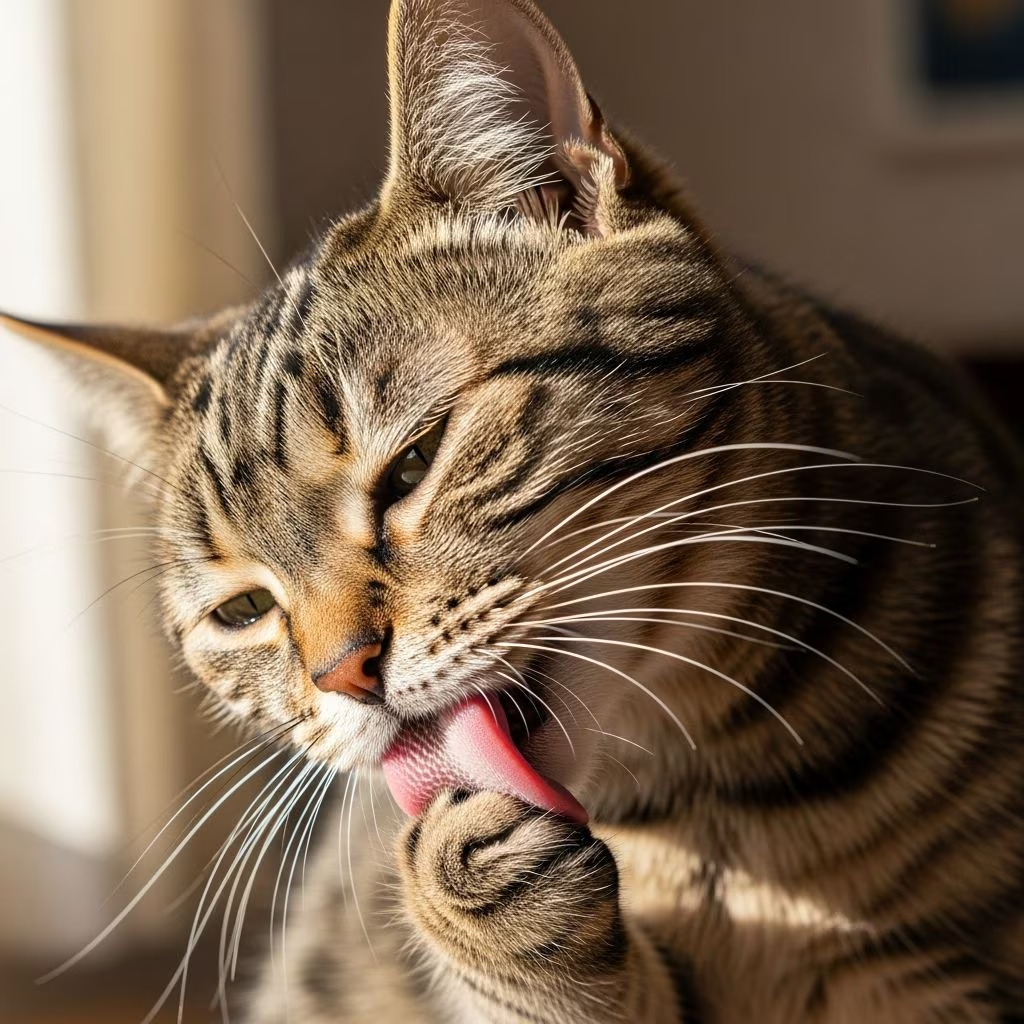
Cat grooming is a natural and essential behavior that helps felines maintain their coat, regulate body temperature, and manage stress. However, when grooming becomes excessive, it can signal underlying health or behavioral problems that require attention. Many cat owners notice their pets spending unusual amounts of time licking their fur, resulting in visible hair loss, bald patches, and skin irritation. This condition, known as overgrooming or psychogenic alopecia, affects cats for various reasons ranging from medical issues to emotional distress.
Recognizing the Signs of Excessive Grooming Behavior
Identifying overgrooming in cats requires observing changes in their grooming patterns and physical appearance. Unlike normal grooming, which typically takes up a portion of a cat’s day, excessive grooming becomes noticeably compulsive and repetitive. Pet owners should watch for several key indicators:
- Visible hair loss or bald patches on the body
- Striped or buzzcut-like patterns on the fur, particularly on the belly, inner thighs, foreleg, or base of tail
- Red, inflamed, or damaged skin in groomed areas
- Open sores or scabs resulting from continuous licking
- Increased frequency of hairballs or difficulty passing them
- Behavioral changes such as anxious or repetitive licking in response to stress
- Persistent focus on one specific body area
Noticing these signs early is important because excessive grooming can quickly escalate into more serious health complications. Regular monitoring of your cat’s coat condition and behavior patterns helps identify problems before they become severe.
Medical Causes Behind Feline Overgrooming
Medical conditions represent a significant category of overgrooming causes and must be ruled out through veterinary evaluation before attributing excessive grooming to behavioral factors. Several distinct medical issues can trigger this behavior in cats.
Parasitic Infestations and Flea-Related Issues
Parasites are among the most common medical culprits behind excessive grooming in cats. Even a single flea can cause intense itching that prompts a cat to overgroom the affected area. Beyond fleas, other parasites create similar problems:
- Lice cause persistent skin irritation and itching
- Mites burrow into the skin, creating extreme discomfort
- Ticks embed themselves and cause localized inflammation
- Ear mites specifically affect the ear area and can spread to other regions
A cat with a flea infestation may focus grooming efforts on the tail head and lower back where fleas commonly congregate. Year-round flea and tick prevention is essential for reducing the risk of these parasites triggering overgrooming behaviors.
Allergic Reactions and Food Sensitivities
Allergies affect many cats and frequently result in excessive grooming as the animal attempts to relieve itching caused by allergic responses. Cats can develop allergies to multiple sources:
- Environmental allergens such as pollen, dust, or mold
- Food ingredients, including specific proteins or artificial additives
- Household substances or materials
- Flea saliva, which affects even cats with just one flea exposure
Cats with environmental or food allergies often lick their backs, abdomens, or lower extremities extensively. If you suspect allergies are causing your cat’s overgrooming, consulting with a veterinary dermatologist who can perform allergy testing is recommended. Some cats respond well to dietary changes, particularly switching to high-quality food free of artificial preservatives, grains, and meat byproducts that may trigger digestive issues.
Skin Infections and Fungal Conditions
Bacterial and fungal infections create significant skin discomfort that drives excessive licking and biting. Ringworm, a common fungal infection in cats, causes itching and hair loss that may be confused with primary overgrooming but actually represents an infection requiring treatment. Secondary infections can develop when a cat’s continuous licking damages the skin surface, allowing bacteria or yeast to colonize the wound area. This creates a problematic cycle where the infection intensifies itching, leading to more aggressive grooming and worsening infection.
Pain and Underlying Health Conditions
Cats experiencing pain or discomfort frequently overgroom as a self-soothing mechanism. Targeted grooming of a specific body area often indicates localized pain in that region. Common pain-related causes include:
- Back pain that prompts excessive grooming of the affected spinal area
- Urinary tract infections causing licking of the lower belly and genital region
- Anal sac impaction or other intestinal discomfort
- Arthritis or joint pain in cats of advancing age
- Skin wounds or injuries requiring attention
Cats with digestive issues often display signs of discomfort such as low energy levels or sleeping immediately after eating, alongside increased grooming of the abdominal area. These behavioral changes warrant veterinary investigation to identify underlying conditions.
Endocrine and Systemic Disorders
Metabolic and hormonal imbalances can trigger excessive grooming as a secondary symptom. Hyperthyroidism, a common condition in older cats, may cause behavioral changes including increased grooming activity. Internal parasites and other systemic diseases can similarly prompt overgrooming as the body’s response to illness. Blood tests performed by your veterinarian help identify these underlying medical conditions.
Behavioral and Psychological Factors in Overgrooming
When medical causes have been excluded, behavioral and emotional factors often explain excessive grooming patterns. Stress-related overgrooming is called psychogenic alopecia and represents the second major category of overgrooming causes.
Stress and Environmental Changes
Stress stands as the most prevalent behavioral cause of feline overgrooming. Cats are sensitive creatures that react strongly to disruptions in their environment and routine. Changes that commonly trigger stress-induced overgrooming include:
- Moving to a new house or changing residence
- Arrival of new family members, including human infants or adopted pets
- Changes in daily schedules or feeding routines
- Introduction of new furniture or significant household rearrangement
- Loss of a companion animal or family member
- Loud noises or environmental disruptions
When cats encounter stress, their brains release endorphins in response to self-grooming, creating a comforting sensation. Once a cat discovers that licking provides relief from anxiety, the behavior can become habitual and compulsive. This is particularly true when stress is chronic rather than temporary. Interestingly, cats are perceptive animals that may even absorb stress from their human caregivers, amplifying their own anxiety levels.
Boredom and Insufficient Mental Stimulation
Cats require adequate mental and physical stimulation to maintain psychological well-being. Indoor cats in particular may develop compulsive grooming behaviors when boredom dominates their daily lives. Without sufficient engagement, cats turn to self-grooming as a way to occupy time and create the endorphin release that provides comfort. Regular playtime, interactive toys, window perches, and climbing structures help address boredom and reduce the likelihood of stress-related overgrooming.
Age-Related Cognitive Changes
Senior cats sometimes develop excessive grooming habits due to cognitive dysfunction associated with aging. Age-related neurological changes can alter behavior patterns, including grooming frequency and intensity. These behavioral changes in older cats require veterinary evaluation to rule out concurrent medical conditions.
Health Complications from Prolonged Overgrooming
When overgrooming continues without intervention, multiple serious health problems can develop. Understanding these potential complications emphasizes the importance of addressing excessive grooming promptly.
Continuous licking and biting create direct damage to the skin surface. Initially, the skin may appear red and inflamed, but persistent trauma can result in open wounds and abrasions. Once the protective skin barrier breaks, bacterial and yeast infections become likely, intensifying itching and creating a vicious cycle of worsening grooming and infection. These secondary infections may require antibiotic treatment and can become severe if left untreated.
Hair loss from overgrooming leaves skin exposed to environmental hazards. Overgroomed areas lack protective fur and become vulnerable to sunburn, frostbite, and other environmental damage. Cats who frequent sunny windowsills may experience sunburn on areas where their coat has been removed through excessive licking.
Ingestion of excessive fur during overgrooming leads to hairball problems beyond the normal amount cats typically produce. If a cat cannot regurgitate these hairballs naturally, they accumulate in the digestive tract, causing constipation or intestinal blockages—serious conditions requiring veterinary intervention and potentially emergency surgery.
Diagnostic Approach and Veterinary Evaluation
Proper diagnosis of overgrooming requires professional veterinary assessment that systematically evaluates both medical and behavioral possibilities. Your veterinarian will begin with a thorough physical examination of your cat’s skin and coat, noting the distribution of hair loss and the condition of the skin underneath.
Diagnostic procedures may include:
- Intra-dermal skin testing to identify allergies
- Dermatological examination to visualize parasites or fungal infections
- Blood work to screen for systemic diseases, hormonal imbalances, and internal parasites
- Urinalysis to assess urinary system health
- Culture tests if bacterial or fungal infection is suspected
Your veterinarian will also ask detailed questions about recent changes in your cat’s environment, diet, behavior patterns, and any other concerning symptoms. Information about when the overgrooming began, whether it affects specific body areas, and how your cat responds to stress all inform the diagnostic process.
Treatment Options Based on Underlying Causes
Once the cause of overgrooming is identified, targeted treatment can address the specific problem.
Medical Treatment Approaches
For parasitic infestations, your veterinarian prescribes appropriate antiparasitic medications. For allergies, treatment may include antihistamines, anti-inflammatory medications, or immune-modulating drugs depending on the allergy type. Bacterial or fungal infections require antibiotics or antifungal medications respectively. Year-round flea and tick prevention, either prescribed or over-the-counter, helps prevent parasitic overgrooming from developing.
If pain is the underlying cause, your veterinarian addresses the source of discomfort and may recommend pain management medication to reduce licking behavior while the condition heals. Dietary changes to a high-quality food may resolve food-related allergies and digestive issues triggering overgrooming.
Behavioral Management Strategies
When overgrooming stems from stress or boredom, environmental modifications become essential. Creating a stress-free environment involves maintaining consistent routines, providing hiding spaces where cats feel secure, and gradually introducing changes rather than making abrupt alterations. Increasing mental stimulation through interactive play, puzzle feeders, and environmental enrichment redirects grooming energy toward positive activities.
Regular grooming sessions by the owner serve multiple purposes: they monitor skin condition, allow early detection of problems, provide bonding time, and reduce the cat’s need for self-grooming. Gentle brushing sessions can become calming interactions that help stressed cats manage anxiety.
Prevention and Long-Term Management
Preventing overgrooming requires maintaining your cat’s physical and emotional well-being through proactive care. Consistent flea and tick prevention protects against parasitic issues before they develop. Regular veterinary checkups, including blood work for senior cats, catch medical problems early. Providing adequate play opportunities, interactive toys, and environmental enrichment prevents boredom-related behaviors.
Creating a stable, predictable environment reduces stress-related grooming. When changes must occur, introducing them gradually and maintaining other routines helps cats adjust. Monitoring your cat’s grooming patterns and skin condition regularly allows you to detect changes promptly and seek veterinary care before serious complications develop.
References
- When Cats Can’t Stop Grooming: Understanding and Addressing Overgrooming — Chimacum Veterinary Clinic. Accessed January 29, 2026. https://chimacumvet.com/blog/cat-overgrooming/
- Overgrooming in Cats: Why Cats Excessively Groom — Wolfe Animal. May 15, 2022. https://www.wolfeanimal.com/site/blog/2022/05/15/overgrooming-cats
- Why Cats Overgroom and How You Can Stop It — PetMD. Accessed January 29, 2026. https://www.petmd.com/cat/general-health/how-tell-if-your-cat-over-grooming
- Cat Overgrooming: Causes and Treatment — Purina US. Accessed January 29, 2026. https://www.purina.com/articles/cat/health/skin-fur-ears/why-do-cats-overgroom
- Why is My Cat Overgrooming Itself? — Evergreen Veterinary Clinic. Accessed January 29, 2026. https://www.evergreenvetclinic.com/blog/why-is-my-cat-overgrooming-itself
- My Cat Grooms Excessively – Is Something Wrong? — Bloomfield Veterinary Hospital. Accessed January 29, 2026. https://www.bloomfieldvet.com/my-cat-grooms-excessively-is-something-wrong.html
- Cats that Lick Too Much — Cornell University College of Veterinary Medicine, Feline Health Center. Accessed January 29, 2026. https://www.vet.cornell.edu/departments-centers-and-institutes/cornell-feline-health-center/health-information/feline-health-topics/cats-lick-too-much



