

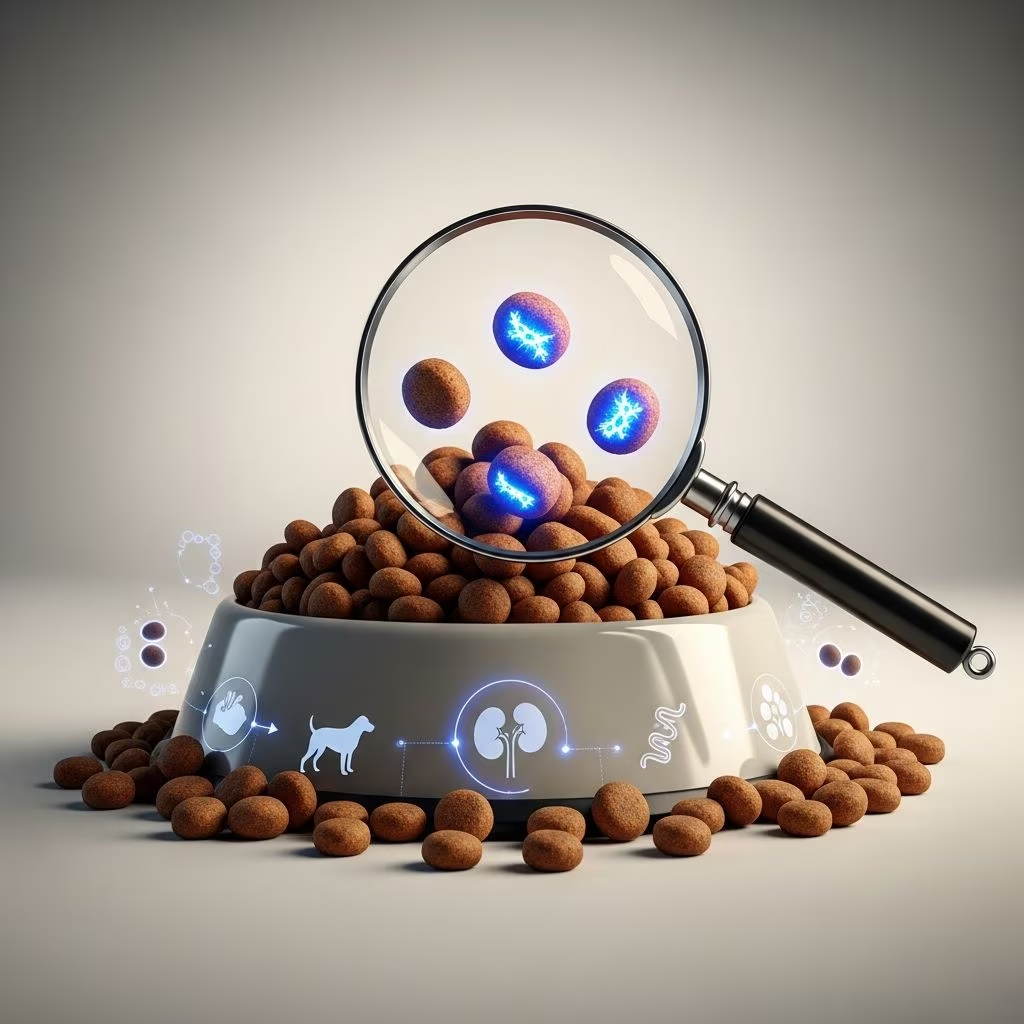
Protein stands as a cornerstone of canine nutrition, fueling muscle maintenance, energy production, and overall vitality. Yet, exceeding optimal levels in dog food can trigger unintended health complications, particularly for vulnerable pets. This article delves into the science-backed effects of surplus protein, helping owners navigate food choices effectively.
The Role of Protein in a Dog’s Diet
Dogs, as carnivorous descendants of wolves, thrive on diets rich in high-quality animal proteins that supply essential amino acids like taurine and arginine. These building blocks support tissue repair, immune function, and hormone production. Puppies demand higher amounts during growth phases, while active adults benefit from elevated intake to sustain performance.
However, the body processes excess protein by deaminating it in the liver, converting leftovers into energy or fat, with nitrogen waste filtered by the kidneys. This metabolic pathway underscores why balance matters: overabundance shifts focus from nourishment to waste management.
Potential Health Risks of Overloading on Protein
While moderate high-protein feeds suit many dogs, surplus can strain systems. Key concerns include:
- Organ Overload: Kidneys and liver bear the brunt of metabolizing extra protein, producing urea that demands excretion. In compromised organs, this accelerates damage.
- Nutrient Imbalances: Meat-heavy formulas often skew phosphorus levels high, disrupting calcium-phosphorus ratios vital for bone integrity.
- Caloric Excess: Protein packs 4 calories per gram, mirroring carbs but surpassing needs in inactive dogs, fostering obesity.
- Digestive Disruptions: Sudden shifts to protein-dense foods upset gut flora, causing diarrhea or vomiting.
These issues manifest variably by life stage and activity. Sedentary pets risk fat accumulation, while those with preexisting conditions face amplified threats.
Who Faces the Greatest Dangers?
Not all dogs tolerate protein surges equally. Consider these at-risk groups:
| Dog Profile | Why High Protein Poses Risks |
|---|---|
| Dogs with kidney disease | Impaired filtration heightens waste buildup, worsening renal function. |
| Dogs with liver issues | Reduced processing capacity leads to toxin accumulation. |
| Large-breed puppies | Rapid growth promotes skeletal abnormalities like hip dysplasia. |
| Sedentary or overweight adults | Calorie density drives further weight gain without exercise outlet. |
Conversely, working breeds, athletes, or lactating females often require boosted protein for recovery and milk production.
Debunking Myths: Does Protein Cause Kidney Disease?
A persistent belief links high-protein diets to kidney disease onset in healthy dogs. Yet, rigorous studies refute this for robust adults. Experiments show dogs adapting to 50%+ protein calories without renal decline, even post-surgical kidney reduction.
Early rodent data fueled misconceptions, but canine physiology differs. Authoritative bodies like the National Research Council set no upper protein limit for healthy adults, affirming evolutionary adaptation to meat-centric meals.
For diseased kidneys, restriction aids management, not prevention. Quality trumps quantity: bioavailable sources minimize waste.
Signs Your Dog Might Be Getting Too Much Protein
Monitor for these indicators:
- Increased thirst and urination from urea processing.
- Persistent itchiness or skin issues tied to allergies in low-quality proteins.
- Unexplained weight gain despite steady portions.
- Loose stools or gastrointestinal distress post-diet change.
- Lethargy or bad breath signaling metabolic strain.
Consult a vet if symptoms arise, as they may signal imbalances or underlying issues.
Understanding AAFCO and Protein Guidelines
The Association of American Feed Control Officials (AAFCO) mandates minimums: 18% for adult maintenance, 22.5% for growth/reproduction on dry matter basis. No maxima exist, emphasizing formulation over raw percentage.
Examine labels: prioritize named meats (chicken, beef) over by-products or vague “protein.” Avoid fillers diluting nutrient density.
How to Select the Right Protein Level for Your Dog
Tailor choices to specifics:
- Active Dogs: 25-35% suits endurance needs.
- Seniors: 20-30%, focusing digestibility.
- Weight Loss Candidates: Moderate protein with fiber.
- Medical Cases: Vet-prescribed renal or hepatic formulas.
Transition gradually over 7-10 days to avert tummy troubles. Pair diet with exercise matching intake.
Quality Over Quantity: Protein Sources Matter
Not all proteins equate. Animal-based deliver complete profiles; plant proteins like peas may lack key aminos and link to heart concerns per FDA probes.
Opt for:
- Human-grade meats.
- Minimal processing.
- Balanced with veggies, fats, and carbs.
High-fat pairings in some formulas amplify calories, unsuitable for couch potatoes.
Balancing Diets for Long-Term Wellness
Holistic nutrition integrates protein with fats (10-20%), carbs for energy, and micronutrients. Over-reliance on protein neglects fiber for gut health or antioxidants for immunity.
Regular weigh-ins, body condition scoring (ideal: visible waist, palpable ribs), and annual bloodwork catch issues early.
Frequently Asked Questions
Is 30% protein too high for my adult dog?
Depends on activity. Fine for runners; risky for lap dogs. Vet assessment guides best fit.
Can high protein cause obesity?
Yes, via calorie density without output. Monitor portions rigorously.
Should puppies eat high-protein food?
Growth needs elevate requirements, but large breeds need controlled levels to prevent joint woes.
Does grain-free mean higher protein?
Often, via legumes—but FDA flags potential DCM risks.
How do I switch to a new food safely?
Mix 25% new with 75% old, increasing over a week.
Expert Tips for Optimal Feeding
Collaborate with veterinarians or nutritionists for custom plans. Tools like metabolic calculators estimate needs by weight, age, and lifestyle. Fresh, whole-food toppers enhance without excess.
Ultimately, moderation and individualization trump trends. A thriving dog reflects thoughtful nutrition.
References
- Can protein-rich dog food be too much of a good thing? — University of Florida Health Podcasts. 2023. https://podcasts.ufhealth.org/can-protein-rich-dog-food-be-too-much-of-a-good-thing/
- High-Protein Dog Food: Benefits, Risks & How to Choose Safely — PetPlace. 2024. https://www.petplace.com/article/dogs/pet-health/high-protein-dog-food
- The Dangers of High Protein Dog Foods — PetMD. 2023. https://www.petmd.com/dog/centers/nutrition/evr_dg_dangers_of_high_protein_dog_foods
- High-Protein Dog Food: Pros & Cons Explained — Rover.com. 2024. https://www.rover.com/blog/high-protein-dog-food-explained/
- Does High Protein Consumption Contribute to Development of Dog Kidney Disease? — Keto Natural Pet Foods (citing NRC and AAFCO). 2022. https://ketonaturalpetfoods.com/pages/does-high-protein-consumption-exacerbate-or-contribute-to-the-development-of-canine-renal-disease
- FDA Investigation into Potential Link between Certain Diets and Canine Dilated Cardiomyopathy — U.S. Food and Drug Administration (.gov). 2019-06-27. https://www.fda.gov/animal-veterinary/outbreaks-and-advisories/fda-investigation-potential-link-between-certain-diets-and-canine-dilated-cardiomyopathy



