

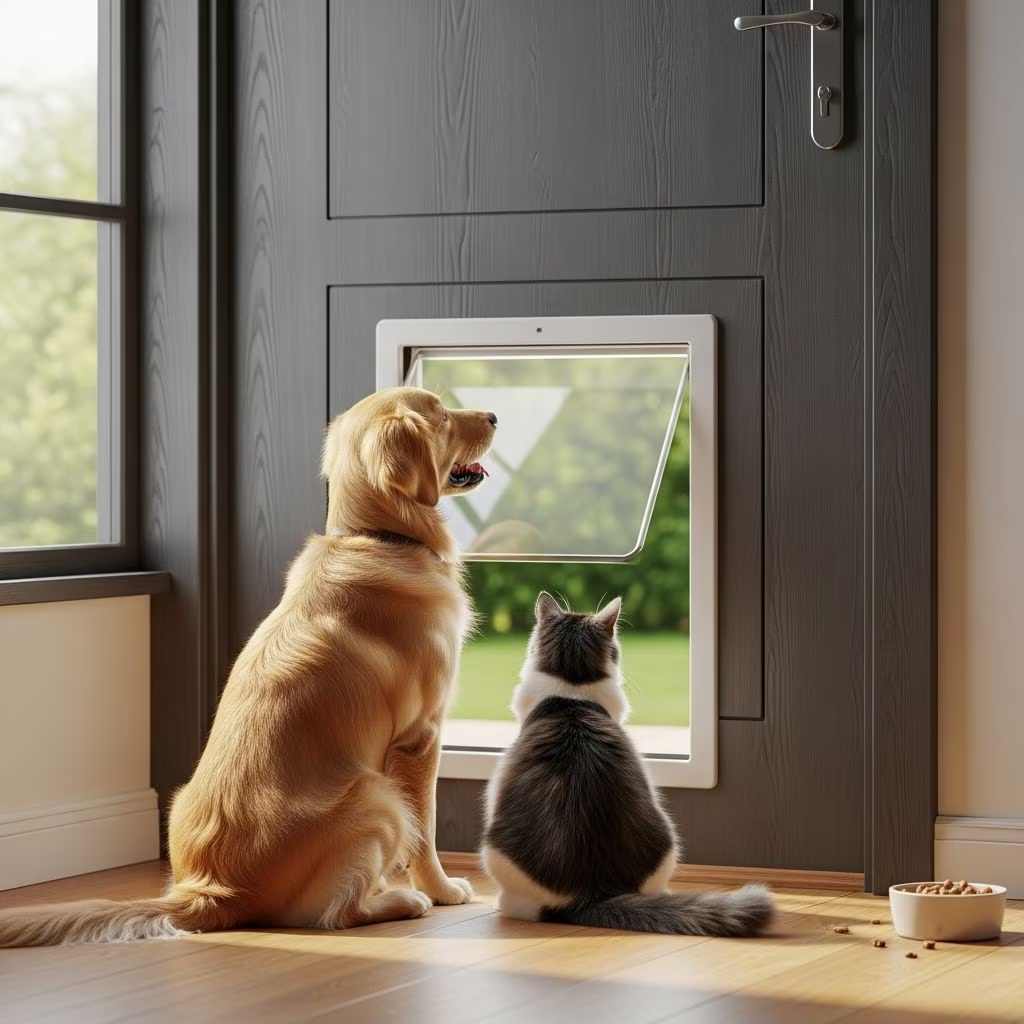
Everything You Need to Know About Pet Doors
Pet doors offer a convenient way to give your dog the freedom to move in and out of your home independently. Whether you have a small Chihuahua or a large German Shepherd, understanding the different types of pet doors, installation methods, and safety considerations will help you make the best choice for your furry companion. This comprehensive guide covers everything you need to know about pet doors to ensure both your dog’s comfort and your home’s security.
Understanding Pet Door Types
Pet doors come in various designs, each with distinct advantages depending on your home setup and your dog’s specific needs. Selecting the right type is crucial for ensuring your pet can easily access the door while maintaining your home’s energy efficiency and security.
Traditional Flap Doors
Traditional flap doors are the most common and typically the least expensive option available on the market. These straightforward designs feature flexible flaps that cover openings made in your current door or wall, allowing your dog to push through easily. Many modern versions include double flaps or magnetic seals to provide enhanced protection from outside temperatures and weather conditions. Standard flap doors remain popular because of their simplicity, affordability, and reliability for most dog owners.
Microchip-Activated Pet Doors
Microchip-activated doors represent a significant advancement in pet door technology, offering enhanced security and control. These sophisticated doors require your dog to wear a microchip collar that automatically opens the door only when your pet approaches it. Once your dog passes through, the door closes securely, preventing unwanted visitors such as raccoons or squirrels from entering your home. However, these doors require electricity or batteries to operate, so it’s important to consider battery life and look for models that alert you when batteries are running low.
Sliding Door Inserts
Sliding door inserts are an excellent alternative for pet owners who don’t want to cut holes in their walls or doors. These floor-to-ceiling panels insert directly into existing sliding door openings. They’re particularly beneficial for renters or those seeking a non-permanent solution. Most sliding door inserts feature flexible, self-closing flaps with weatherstripping and lock-out panels. However, ensure your sliding door is wide enough to accommodate the insert while still allowing adults to walk through comfortably.
Glass Door Installations
Installing pet doors in glass doors has become increasingly popular among homeowners seeking aesthetic solutions. Options include sliding glass doors, French doors, and single-panel swing glass doors. When installing in glass doors, you’ll typically need to hire a professional glazier to ensure proper installation and maintain the integrity of the glass. These installations offer seamless integration with your home’s design while providing your dog with convenient access to outdoor spaces.
Window Mount Pet Doors
While window mount pet doors are more commonly used for cats, they can accommodate small dogs if the window is positioned close enough to the ground. Most models feature see-through, flexible flaps with magnetic closures and lock-out panels. When considering this option, measure your dog carefully to ensure safe access.
Choosing the Right Size for Your Dog
Selecting the correct size is one of the most important factors in choosing a pet door. An improperly sized door can cause discomfort, pose safety risks, and potentially allow unwanted animals or security breaches. Professional sizing guidelines recommend that your pet door flap height should be at least 1 inch taller than your largest dog, with a step over no more than one-third of your smallest dog’s height.
Small Dog Requirements
Smaller breeds require pet doors with lower thresholds for easy access. Look for doors that are secure, insulated, and provide a comfortable space for your small dog to move in and out freely. Small dog doors typically accommodate pets weighing up to 7-18 kg depending on the model.
Large Dog Requirements
Larger breeds need pet doors with wider openings and sturdy construction. Opt for doors designed to withstand the strength and size of larger dogs while maintaining energy efficiency and wind resistance. Large dog doors typically accommodate pets weighing 25-45 kg or more. Be aware that dog doors for large dogs may be big enough for humans to use, so security is an important consideration.
Installation Methods and Considerations
Pet door installation varies depending on the type of door and your home’s structure. Understanding the installation process helps you determine whether to tackle it as a DIY project or hire a professional installer.
DIY Installation Process
Installing a pet door in a standard door can be relatively straightforward for the handy homeowner. Start by ensuring you have a pet door kit designed for the correct style, pet size, and location. Remove your door from its hinges and use the stencil included in the kit to drill holes in each corner. Position the stencil approximately four inches from the base of the door so your pet doesn’t have to squat to pass through. Draw a line connecting each hole and carefully cut along the marked area.
Pet door inserts designed for paneled, wood, PVC, and metal doors ranging from 3.75 to 5 cm thick offer simple DIY installation options. Many sliding glass door inserts fit into the track of an existing door without requiring any cutting or modifications to your home.
Professional Installation
For installations in glass doors, walls, or other complex situations, hiring a professional installer is highly recommended. Professional installers can handle specialized installations that require expertise, such as cutting through tempered glass or installing doors in unusual locations. Many pet door manufacturers provide lists of qualified installers and glaziers available in your area.
Energy Efficiency and Weather Protection
An often-overlooked consideration when choosing a pet door is its impact on your home’s energy efficiency. Modern pet doors incorporate various features designed to minimize heat loss and maintain indoor temperature control.
Insulation Features
Energy-efficient pet doors block significantly more thermal energy than single flap alternatives. Models with double vinyl flaps provide maximum insulation for walls with varying thickness. Weatherstripping, magnetic closures, and rigid plastic flaps lined with brush weatherstripping all contribute to improved weather resistance. Dual-pane pet doors represent the premium choice, offering superior insulation and keeping your home’s internal temperature consistent while reducing outside air infiltration.
Magnetic Closures and Weatherstripping
Magnetic closures help keep out wind and unwanted pests, while weatherstripping creates a seal around the flap opening. These features are particularly important in areas with moderate to severe weather conditions. Additionally, closing panels allow you to control your pet’s access during extreme weather or when you want to prevent outdoor movement.
Security Features and Considerations
Security is a paramount concern for many pet door owners. While providing your dog with freedom is valuable, protecting your home from unwanted intrusions remains essential.
Locking Mechanisms
Manual 2-way locks allow you to set the door to “Unlocked” for your pet’s freedom or “Locked” when you don’t want your dog to use the door. Sliding locking panels that lock from the inside provide an additional security layer. Spring-loaded locking slides enable one-handed operation for convenient control.
Microchip Technology for Protection
For enhanced security, microchip-activated doors prevent unauthorized access by unwanted animals. Some advanced models offer curfew modes that automatically lock and unlock at specified times, allowing you to control when your dog can access outdoor spaces. Certain premium models can be controlled via smartphone app, sending notifications whenever your pet uses the door.
Considerations for Large Dogs
Large dog doors may be big enough for humans to use, posing potential security concerns. Choose a large dog door with locks, latches, or lockable panels to address this issue. Alternatively, select a door that opens only when a pet wearing a matching sensor or microchip approaches it.
Training Your Dog to Use a Pet Door
Installing a pet door is just the beginning. Proper training ensures your dog uses the door safely and confidently. Most dogs can learn to use pet doors with patience and positive reinforcement.
Initial Training Steps
Start by introducing your dog to the pet door in a calm, non-pressured environment. Leave the flap propped open initially so your dog becomes familiar with the opening. Use treats and praise to encourage your dog to walk through the door multiple times. Gradually lower the flap over several training sessions until your dog confidently pushes through the completely closed flap.
Reinforcement and Patience
Different dogs require different amounts of time to adjust to using a pet door. Some dogs master it within days, while others may need several weeks. Maintain patience throughout the training process and never force your dog through the door. Always reward successful passages with treats and enthusiastic praise to build positive associations with the pet door.
Maintenance and Care
Regular maintenance ensures your pet door remains functional, secure, and energy-efficient throughout its lifespan.
Regular Cleaning
Clean the pet door flap and frame regularly to remove dirt, debris, and buildup. Inspect the flap for damage or wear that might compromise its functionality. Check weatherstripping for deterioration and replace it if necessary to maintain energy efficiency.
Battery Replacement
For microchip-activated or electronic pet doors, monitor battery levels regularly. Select models that alert you when batteries are running low. Keep replacement batteries on hand to prevent your dog from being locked out of the house unexpectedly.
Weatherstripping and Seals
Inspect weatherstripping and magnetic seals periodically for wear or damage. Replace deteriorated weatherstripping to maintain protection against weather and pests. Check that magnetic closures remain properly aligned to ensure the flap closes securely.
Cost Considerations
Pet door pricing varies significantly based on type, size, features, and materials. Basic traditional flap doors typically cost between AU$40 to AU$125 depending on size. More advanced options with microchip activation, smart home integration, or premium insulation command higher prices. Professional installation adds to the overall cost but ensures proper fitting and functionality, particularly for glass door or wall installations.
Pet Door Comparison Table
| Pet Door Type | Cost Range | Installation Difficulty | Security Level | Energy Efficiency | Best For |
|---|---|---|---|---|---|
| Traditional Flap | $40-$125 | Easy (DIY) | Basic | Moderate | Budget-conscious owners |
| Microchip-Activated | $150-$500+ | Moderate | High | Good | Security-focused owners |
| Sliding Door Insert | $100-$400 | Easy (No cutting) | Basic-Moderate | Good | Renters and apartment dwellers |
| Glass Door Installation | $300-$800+ | Professional required | High | Excellent | Home aesthetic priority |
| Window Mount | $80-$250 | Easy | Basic | Moderate | Small dogs, high windows |
Frequently Asked Questions About Pet Doors
Q: What size pet door do I need for my dog?
A: Measure your dog’s height and width at the widest point. The flap should be at least 1 inch taller than your dog, and the step-over height should be no more than one-third of your dog’s height. Consult size charts specific to each brand, as dimensions vary.
Q: Can I install a pet door in a glass door myself?
A: Pet doors can be installed in glass doors, but professional installation is highly recommended. Cutting tempered glass requires specialized skills and equipment. Many pet door manufacturers provide lists of qualified professional installers in your area.
Q: How do I train my dog to use a pet door?
A: Start with the flap propped open and use treats to encourage your dog through. Gradually lower the flap over several sessions. Use positive reinforcement and never force your dog. Most dogs learn within days to weeks with patience and consistency.
Q: Are microchip pet doors worth the extra cost?
A: Microchip pet doors provide enhanced security by preventing unwanted animals from entering your home. If you live in an area with wildlife or have security concerns, the extra investment is often worthwhile. However, they require batteries or electricity and regular maintenance.
Q: Will a pet door affect my home’s energy efficiency?
A: Modern pet doors minimize energy loss through features like double flaps, magnetic closures, and weatherstripping. Premium dual-pane options offer superior insulation. While some heat loss occurs, choosing an energy-efficient model significantly reduces this impact compared to traditional designs.
Q: Can I lock my pet door when I don’t want my dog to go outside?
A: Most pet doors include locking mechanisms or closing panels that prevent access. Options range from manual 2-way locks to electronic curfew modes that automatically lock and unlock at specified times via smartphone control on advanced models.
Q: Are sliding door pet door inserts a good option for renters?
A: Yes, sliding door inserts are excellent for renters because they don’t require cutting holes or permanent modifications to your home. They fit into existing sliding glass door tracks and can be easily removed when you move. Ensure your door is wide enough for both the insert and human passage.
Q: How often should I maintain my pet door?
A: Clean your pet door regularly to remove dirt and debris. Inspect weatherstripping and seals monthly for damage or wear. Check battery levels on electronic doors regularly and replace batteries as needed. Most pet doors require minimal maintenance beyond these simple steps.
References
- Doggie Doors Product Guide: Our Top Pet Doors — Bow Wow Insurance. 2024. https://bowwowinsurance.com.au/pet-community/pet-talk/doggie-doors-product-guide/
- How to Choose a Dog Door — The Home Depot. 2025. https://www.homedepot.com/c/ab/how-to-choose-a-dog-door/9ba683603be9fa5395fab90118eb23a2
- Finding the Right Dog Door for Your Home — American Kennel Club. 2024. https://www.akc.org/expert-advice/home-living/finding-right-dog-door-for-you/
- Dog Doors in Glass Doors: A Comprehensive Guide for Pet Owners — Denver Pet Door. 2024. https://denverpetdoor.com/dog-doors-in-glass-doors-a-comprehensive-guide-for-pet-owners/
- Pet Doors: Everything You Need to Know — 4Feldco. 2024. https://www.4feldco.com/articles/all-about-pet-doors
- Get the Right Pet Door Size for Your Pet with Our Easy Guide — Pet Doors. 2025. https://www.petdoors.com/pages/measure-your-pet
- The Ultimate Guide to Choosing the Best Dog Door for Your Sliding Glass Doors — EnduraFlap. 2024. https://enduraflap.com/blogs/pet-doors/ultimate-sliding-glass-door-guide



