

Everything You Need to Know About Pet Boarding
Planning a vacation or business trip can be exciting, but leaving your beloved pets behind raises important questions about their care and comfort. Pet boarding offers a practical solution for pet parents who need reliable care for their dogs and cats while away. Whether you’re considering boarding for the first time or looking to improve your current arrangements, understanding your options and how to prepare your pet is essential for ensuring a positive boarding experience.
Understanding Pet Boarding Options
Pet boarding comes in various forms, each offering different environments and levels of care. The right choice depends on your pet’s personality, specific needs, and your comfort level with different facility types.
Traditional Boarding Facilities and Pet Hotels
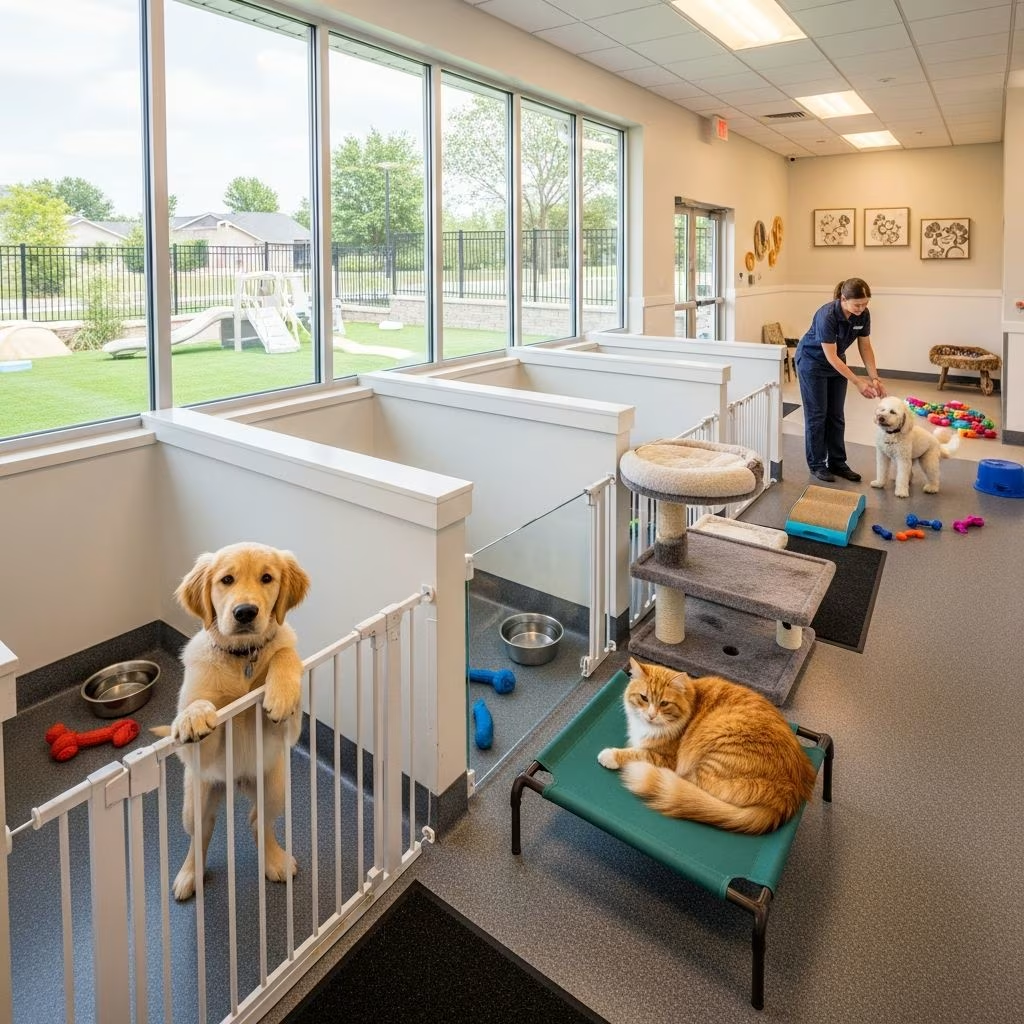
Traditional boarding facilities, often referred to as pet hotels or boarding kennels, range from basic kennels to luxury pet resorts. These establishments typically house multiple pets and offer standard care services including feeding, exercise, and supervision. Many facilities maintain consistent daily routines to keep pets on schedule, with set times for feeding, outdoor breaks, and cleaning. Some modern facilities even feature cameras that allow owners to watch their pets throughout the day, providing peace of mind while you’re away.
Veterinary Office Boarding
Many veterinary clinics offer boarding services, which can be particularly beneficial if your pet has medical needs or requires medication administration. One major advantage of boarding through a veterinary office is that an established relationship already exists between the veterinary staff and your pet. This familiarity can reduce stress and ensure that any health concerns are immediately addressed by professionals who know your pet’s medical history.
In veterinary office settings, cats are typically housed in cages while dogs stay in larger runs and receive several walks daily. Some facilities may house multiple dogs together in a single run. The veterinary environment offers professional oversight and immediate access to medical care if needed, making it an excellent choice for older pets, those with chronic conditions, or animals requiring ongoing medication.
Private, In-Home Pet Boarding
Private pet boarding operations run by individual caregivers offer a more intimate alternative to large facilities. These smaller operations often provide more personalized attention, with many specializing in either cats or dogs. Private boarders typically require owners to bring their pet’s regular food and may request familiar bedding to help pets feel more at home.
The advantage of private boarding is the individualized care and attention your pet receives. Many private boarders build strong relationships with their regular clients’ pets, reducing stress and anxiety. However, the downside is that these operations have limited capacity and can book up quickly during peak travel seasons.
Specialty Boarding Facilities for Cats
Some boarding facilities specialize exclusively in cats or provide dedicated cat areas separate from dogs. Cat-specific facilities like Cateau Marmot allow cats to roam freely in shared spaces, giving them more independence and reducing stress from dog barking. These facilities typically have specific requirements such as cats being spayed or neutered, current rabies vaccinations, and health testing for FIV, FeLV, and heartworm.
Cat boarding arrangements may include providing cats with entire rooms or dedicated spaces, cat trees, toys, and enrichment activities. Separate spaces for felines reduce stress and create a more comfortable environment for cats, who generally prefer quieter settings than the typical multi-dog boarding environment.
Pre-Boarding Requirements and Onboarding Process
Before your pet can be boarded, most facilities require basic information and documentation. Understanding these requirements helps ensure a smooth check-in process and proper care for your animal.
Essential Information and Documentation
Pet parents typically need to provide the following information during the onboarding process:
– Your pet’s regular diet and feeding schedule- Any special medical attention or medications required- Emergency contact information and veterinary details- Behavioral quirks or special needs- Current vaccination records- Health testing results (particularly for cats)
Health and Vaccination Requirements
Most reputable boarding facilities require proof of current vaccinations, including rabies, DHPP (for dogs), and FVRCP (for cats). For cats, additional requirements may include spay/neuter status and negative results for FIV, FeLV, and heartworm tests. These requirements protect all boarded animals by preventing disease transmission and ensuring a safe environment for multiple pets.
How to Make Your Pet Comfortable During Boarding
Your pets will naturally miss you while boarded, but several strategies can significantly boost their comfort and happiness during your absence.
Bring Familiar Foods and Comfort Items
One of the most important steps is bringing your pet’s regular food. A new food combined with a new environment can lead to gastrointestinal distress and additional stress. Packaging food into pre-portioned baggies eliminates doubt about proper serving sizes and makes feeding easier for staff members.
Many boarding facilities allow owners to bring comfort items that provide familiarity and security. Consider packing your pet’s favorite toys, such as a Nylabone dental chew or other durable toys appropriate for boarding. For dogs, avoid bringing plush toys that might be destroyed during nervous energy release. For cats, plush toys are generally acceptable, and interactive toys can provide engagement with the boarding staff.
If your pet has a favorite bed or blanket, ask if you can bring it along. Familiar scents and items provide comfort in an unfamiliar environment and can significantly reduce anxiety during the boarding period.
Using Calming Aids and Supplements
For pets with anxiety or stress responses, several calming options can help. Pheromone collars, diffusers, and sprays can create a calming environment. Calming supplements and chews designed for anxious pets can also help reduce stress when started a few days before departure and continued throughout the boarding period.
Special items like anxiety wraps or ThunderShirts can be particularly helpful during stressful situations. Be sure to clearly communicate with staff about when and how to use these items, whether they’re needed at night or during specific situations like loud events or thunderstorms.
Communicating Special Needs to Staff
Clear communication with boarding staff about your pet’s dietary needs, medications, and behavioral quirks is absolutely essential. If your pet is transitioning to a new food or has digestive issues, inform the staff. This way, if your pet experiences irregular stools or diarrhea, the staff will understand it may be related to the food transition rather than an illness, and they can monitor progression appropriately.
Discuss any behavior-related needs, such as separation anxiety or specific triggers. The more information you provide, the better equipped the staff will be to provide appropriate care and address any issues that arise during the boarding period.
Selecting a Quality Boarding Facility
Choosing the right boarding facility is crucial for your pet’s well-being. Several factors should influence your decision.
Staff Qualifications and Facility Standards
At reputable facilities, staff members are qualified and may hold certifications in training, behavior, or animal care. Well-run operations typically conduct temperament testing to ensure dogs are friendly and play well with others. Most facilities maintain consistent daily routines and protocols, including scheduled feeding times, outdoor breaks, cleaning, and daycare groupings.
Ask about the facility’s protocols for handling different situations, their experience with pets similar to yours, and their approach to managing behavioral challenges. Professional, supervised environments provide structured care that helps pets feel secure.
Facility Features and Amenities
Modern boarding facilities vary widely in their amenities. Some offer basic boarding with standard kennels, while others provide luxury accommodations with climate control, individual play areas, enrichment activities, and observation cameras. Daycare options that offer cage-free time during the day are particularly beneficial for younger dogs or highly social pets who need more exercise and interaction.
Ask about daily activities, exercise opportunities, and enrichment provided. Facilities that offer outdoor play areas, indoor play spaces, and interactive activities with staff provide more stimulation and mental engagement for your pet.
Visiting the Facility
Before committing to a boarding facility, arrange a visit. Observe the cleanliness of the facility, the condition of kennels or rooms, and the interaction between staff and animals. Notice whether the environment seems calm and well-organized or chaotic and stressful. The quality of a facility often becomes apparent through a personal visit.
Special Considerations for Different Pet Types
Dogs and cats have different needs and respond differently to boarding situations.
Boarding for Dogs
Dogs that do well in boarding environments include those with separation anxiety who wouldn’t cope well left alone at home, as well as more sociable dogs who thrive on contact with humans and other canines. Dogs with higher energy levels benefit from the exercise opportunities and socialization that boarding facilities provide.
Social dogs may particularly enjoy the interaction with staff and other dogs, making boarding a positive experience. However, less social or anxious dogs may prefer quieter arrangements or private boarding situations.
Boarding for Cats
Cats typically require less intensive attention than dogs but still benefit from proper care and enrichment. Cat-specific facilities or facilities with dedicated cat areas are preferable to mixed-animal boarding, as separate spaces reduce stress from dog barking and other disturbances. Many cats appreciate having room to roam, access to cat trees, and interactive play with knowledgeable staff members who understand feline behavior.
Creating a Boarding Care Plan
Before dropping your pet off at a boarding facility, create a comprehensive care plan that covers all aspects of your pet’s needs.
Documentation Checklist
– Current vaccination records- Medical history and any chronic conditions- Complete medication list with dosing instructions- Emergency veterinary contact information- Your contact information and travel details- Dietary information and feeding schedule- Behavioral notes and trigger warnings- List of comfort items being provided- Authorization for emergency veterinary care
Communication Strategy
Establish a communication plan with the facility. Ask how often you can receive updates, whether they offer daily report cards with photos, and how they’ll contact you in case of emergency. Some facilities provide detailed daily reports with information about your pet’s activities and behavior, which can provide peace of mind during your trip.
Transport and Logistics
Most boarding facilities do not provide pickup or drop-off services, so you’ll need to transport your pet to and from the facility. Plan transportation logistics in advance, especially if you need to drop off your pet early in the morning or pick them up at a specific time. If you’re unable to transport your pet yourself, ask the facility if they can recommend a trusted pet transportation service.
Post-Boarding Transition
When you return from your trip, expect your pet to be excited but also potentially tired from their boarding experience. Spend quality time with your pet, return them to their normal routine quickly, and monitor for any signs of stress or illness. If your pet shows behavioral changes or health concerns, contact your veterinarian.
Cost Considerations
Pet boarding costs vary significantly based on facility type, location, amenities, and pet size. Basic boarding typically ranges from budget-friendly options at kennels to premium pricing at luxury pet resorts. When evaluating cost, consider what’s included in the price: basic care with one daily feeding and potty break is less expensive than facilities offering multiple daily exercises, enrichment activities, or premium accommodations.
Frequently Asked Questions About Pet Boarding
Q: What vaccines does my pet need before boarding?
A: Most facilities require current rabies vaccination, DHPP for dogs, and FVRCP for cats. Some may also require bordetella and influenza vaccines. Check with your specific facility for their requirements and allow time for vaccinations if your pet isn’t current.
Q: Will my pet be stressed by boarding?
A: Some stress is normal, but proper preparation and facility selection minimize anxiety. Starting with shorter boarding periods, choosing appropriate facility types for your pet’s personality, and bringing comfort items all help reduce stress.
Q: Can I bring special food and treats?
A: Yes, most facilities encourage bringing your pet’s regular food to prevent digestive upset. Pre-portion food into baggies for easy feeding. Ask about bringing special treats or foods your pet enjoys.
Q: What should I do if my pet takes medications?
A: Provide clear written instructions with dosing information and timing. Clearly label all medications with your pet’s name. Consider using a pill organizer with times labeled for clarity.
Q: How often will my pet be exercised?
A: This varies by facility. Ask about daily exercise schedules, outdoor time, and activity options. Quality facilities typically provide multiple potty breaks and exercise sessions throughout the day.
Q: Can I visit my pet during boarding?
Q: What happens if my pet gets sick while boarding?
A: Reputable facilities have protocols for illness and will contact you immediately. Veterinary office boarding ensures immediate veterinary attention. Provide emergency care authorization and veterinary contact information in advance.
References
- Everything You Need to Know About Pet Boarding — Chewy. 2024. https://www.chewy.com/education/dog/pet-parenting/everything-you-need-to-know-about-pet-boarding
- The Pros and Cons of Pet Boarding and Pet Sitting — Chewy. 2024. https://www.chewy.com/education/dog/training-and-behavior/pros-and-cons-of-pet-boarding-and-pet-sitting
- Doggy Daycare and Pet Boarding Do’s and Don’ts — Chewy. 2024. https://www.chewy.com/education/cat/pet-parenting/boarding-dos-donts
- Finding the Right Dog Day Care — Chewy. 2024. https://www.chewy.com/education/dog/training-and-behavior/training-behavior-training-aids-dog-day-care-what-to-know-before-you-go
- PetMD Editorial Guidelines — PetMD. 2024. https://www.petmd.com/editorial-guidelines



