

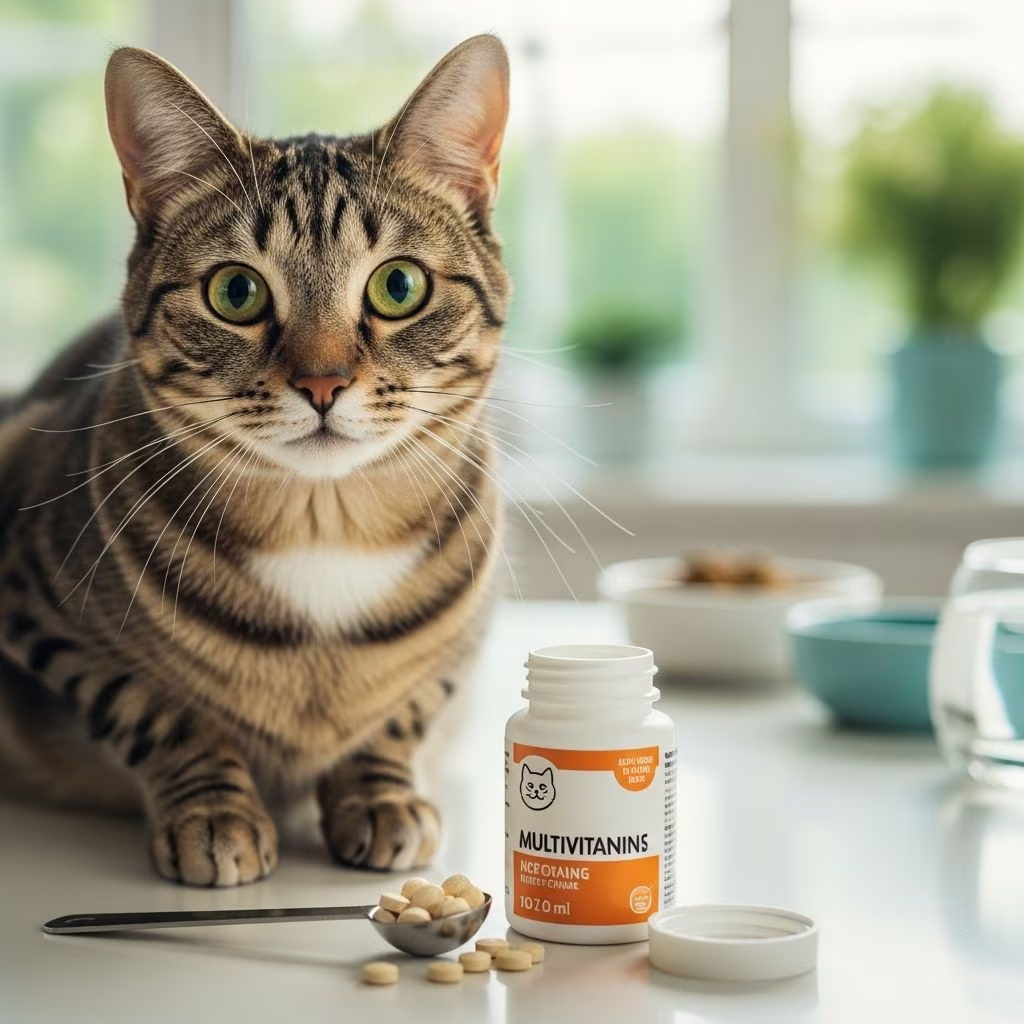
Cat multivitamins have become increasingly popular among pet owners who want to ensure their feline companions receive comprehensive nutritional support. Just like humans, cats can benefit from targeted supplementation, especially when their regular diet may not provide all necessary nutrients. Whether your cat is a kitten, adult, or senior, understanding the role of multivitamins can help you make informed decisions about their health and wellness. This comprehensive guide explores everything you need to know about cat multivitamins, from their benefits to how to choose the right formula for your pet.
What Are Cat Multivitamins?
Cat multivitamins are nutritional supplements formulated specifically for feline health. These products combine essential vitamins, minerals, amino acids, and other beneficial ingredients into a single convenient form. Multivitamins for cats come in various formats, including soft chews, tablets, powders, and liquids, making it easier for cat owners to administer supplements to their pets. Unlike medications, multivitamins are dietary supplements designed to fill nutritional gaps and support overall wellness rather than treat specific diseases.
The formulation of cat multivitamins takes into account the unique nutritional requirements of felines. Cats have different metabolic needs compared to other pets, and quality multivitamins are specifically designed to address these requirements. When selecting a multivitamin, it’s important to look for products that are formulated specifically for cats rather than using general pet supplements.
Key Benefits of Cat Multivitamins
Cat multivitamins offer several important health benefits when used appropriately:
Enhanced Nutritional Support
Even the highest-quality commercial cat foods may not provide all necessary nutrients in optimal amounts. Multivitamins help bridge nutritional gaps and ensure your cat receives a complete spectrum of essential vitamins and minerals needed for proper body function. This is particularly important for cats with dietary restrictions or those eating limited ingredient diets.
Immune System Support
Key vitamins and minerals in multivitamins, particularly vitamins A, C, and E along with zinc, work together to strengthen your cat’s immune system. A robust immune system helps your cat fight off infections and maintain better overall health, which is especially important during seasonal changes or stressful periods.
Skin and Coat Health
Ingredients like omega-3 fatty acids, biotin, zinc, and vitamin A support healthy skin and a lustrous coat. Cats with dry skin, excessive shedding, or coat quality issues may benefit from multivitamins containing these specific nutrients.
Joint and Mobility Support
Multivitamins containing glucosamine, chondroitin, and MSM can help maintain cartilage and joint function, reducing stiffness and supporting mobility. This benefit is especially valuable for senior cats or breeds prone to joint issues.
Heart and Cardiovascular Health
Taurine, an essential amino acid found in quality cat multivitamins, is crucial for heart health. Since cats cannot synthesize taurine effectively on their own, supplementation helps prevent heart disease and supports overall cardiovascular function.
Energy and Vitality
B vitamins and other nutrients in multivitamins support energy metabolism and promote normal activity levels. Cats receiving adequate multivitamin support often display improved energy and engagement in daily activities.
Essential Ingredients in Cat Multivitamins
Understanding the key ingredients in cat multivitamins helps you evaluate different products and determine which might be best for your pet:
| Ingredient | Function | Importance for Cats |
|---|---|---|
| Vitamin A | Vision, immune function, skin health | Essential; cats cannot convert beta-carotene to vitamin A |
| B Vitamins | Energy production, nerve function, red blood cell formation | Critical for metabolism and brain health |
| Vitamin D | Calcium absorption, bone health | Must be supplemented; cats cannot produce sufficient vitamin D from sunlight |
| Vitamin E | Antioxidant, immune support | Protects cells and reduces disease risk |
| Taurine | Heart health, vision | Essential amino acid; deficiency causes heart disease |
| Calcium & Phosphorus | Bone and teeth structure | Particularly important for kittens and senior cats |
| Zinc | Immune function, wound healing, skin health | Supports growth and overall wellness |
| Omega-3 Fatty Acids | Brain development, inflammation reduction, joint health | Important for cognitive function and joint mobility |
| Probiotics | Digestive health, gut flora balance | Supports gastrointestinal system and nutrient absorption |
| Glucosamine & Chondroitin | Joint cartilage maintenance | Beneficial for mobility and joint comfort, especially in senior cats |
Multivitamins for Different Life Stages
Kitten Multivitamins
Kittens have unique nutritional requirements as they grow and develop. Quality kitten multivitamins should contain higher levels of calcium and phosphorus to support bone growth, along with DHA for brain and eye development, and taurine for vision and cardiac health. These formulations promote strong bones, clear vision, and resilient immune systems from weaning through the first year of life.
Adult Cat Multivitamins
Adult cats benefit from balanced multivitamins that maintain their current health status and support everyday bodily functions. These formulas typically include vitamins A, B complex, D, and E, along with essential minerals and amino acids. Adult multivitamins focus on maintaining energy levels, supporting organ function, and promoting long-term wellness.
Senior Cat Multivitamins
Older cats benefit significantly from senior-specific multivitamins that address age-related health concerns. These formulas typically contain antioxidants to combat free radical damage, glucosamine and chondroitin for joint comfort, and omega-3 fatty acids for cognitive function and heart health. Senior multivitamins help maintain mobility, support cognitive function, and promote overall quality of life in aging cats.
Choosing the Right Cat Multivitamin
Consult Your Veterinarian
Before starting any supplement regimen, consult with your veterinarian. They can assess your cat’s individual health needs, current diet, and any potential deficiencies. Your vet may recommend specific multivitamins based on your cat’s age, health status, and lifestyle.
Check for Quality Standards
Look for multivitamins manufactured by reputable companies that follow quality control standards. Third-party testing certifications and adherence to manufacturing best practices ensure you’re providing a safe and effective product to your cat.
Evaluate Ingredient Lists
Read ingredient labels carefully and look for recognizable, high-quality ingredients. Avoid products with excessive fillers, artificial colors, or unnecessary additives. The ingredient list should clearly identify the source of nutrients and their amounts.
Consider Your Cat’s Preferences
Multivitamins come in various formats. Some cats prefer soft chews, while others do better with tablets or liquid supplements mixed into food. Consider your cat’s eating habits and preferences when selecting a delivery method. Palatability is important because a supplement your cat won’t take provides no benefit.
Address Specific Health Concerns
If your cat has specific health concerns, look for targeted formulas. For example, cats with digestive issues benefit from probiotics, while those with joint concerns need glucosamine and chondroitin. Senior cats benefit from formulas with enhanced antioxidant and joint support ingredients.
Proper Dosage and Administration
Always follow the dosage instructions provided by the manufacturer or recommended by your veterinarian. Dosage typically depends on your cat’s weight and age. More is not necessarily better when it comes to supplements; providing appropriate amounts ensures optimal benefits without unnecessary waste or potential adverse effects.
For soft chews and tablets, incorporate them into your cat’s daily routine at the same time each day. For powder supplements, mix them thoroughly with food to ensure complete consumption. If your cat is particularly resistant to supplements, discuss alternative administration methods with your veterinarian.
Storage and Safety Considerations
Proper storage of cat multivitamins is essential for maintaining their effectiveness. Store supplements in cool, dry places away from direct sunlight and moisture. Keep products in their original containers with proper labeling and expiration dates clearly visible. Check expiration dates regularly and discard expired products.
Keep all supplements out of reach of children and pets. Some ingredients, while safe for cats in appropriate doses, could be harmful if consumed in large quantities. Be aware of any potential interactions between supplements and medications your cat may be taking, and always inform your veterinarian about all supplements your cat receives.
Potential Side Effects and Precautions
While multivitamins are generally safe, some cats may experience mild digestive upset when first introduced to supplements. Common side effects, if they occur, include mild diarrhea or vomiting. These often resolve as your cat’s system adjusts. However, if symptoms persist or worsen, discontinue use and consult your veterinarian.
Certain cats require special consideration before supplementation. Cats with kidney disease, liver disease, or those taking specific medications may need modified supplementation or should avoid certain ingredients. Additionally, cats with vitamin A toxicity history should avoid vitamin A supplementation unless specifically directed by their veterinarian.
Frequently Asked Questions
Q: Do cats really need multivitamins if they eat commercial cat food?
A: While quality commercial cat foods are formulated to meet nutritional standards, multivitamins can provide additional support, especially for cats with specific health concerns, limited diets, or those in senior years. However, a well-balanced diet should be the foundation, with multivitamins serving as supplementary support. Always consult your veterinarian about whether your cat would benefit from additional supplementation.
Q: How long does it take to see results from cat multivitamins?
A: The timeline for observing results varies depending on the specific benefit and your cat’s individual circumstances. Some benefits, like improved energy levels, may be noticed within weeks. Others, such as coat quality improvements or joint health support, typically take 4-8 weeks of consistent supplementation to become apparent. Patience and consistency are important when introducing any new supplement.
Q: Can I give my cat human multivitamins?
A: No, you should not give your cat human multivitamins. Cats have unique nutritional requirements that differ from humans. Human supplements may contain ingredients that are harmful to cats or inappropriate dosages for feline health. Always use multivitamins specifically formulated for cats and approved by veterinary professionals.
Q: What should I do if my cat refuses to take the multivitamin?
A: Try different formulations and administration methods. Some cats prefer soft chews, while others respond better to powders mixed into wet food or liquids. You can also discuss alternative supplements with your veterinarian or ask about prescription formulations that might be more palatable to your cat. Making supplementation a positive experience increases compliance.
Q: Are there any interactions between multivitamins and cat medications?
A: Some supplements can interact with medications, potentially reducing their effectiveness or causing adverse effects. This is particularly important for cats taking thyroid medications, blood thinners, or kidney disease medications. Always inform your veterinarian about all supplements before starting them, and discuss any potential interactions with your cat’s current medications.
Q: How do I know if my cat is deficient in specific nutrients?
A: Signs of nutritional deficiency vary depending on which nutrients are lacking but may include poor coat quality, lethargy, reduced immune function, or behavioral changes. Your veterinarian can perform blood work and nutritional assessments to identify specific deficiencies. Based on these results, targeted supplementation can be recommended to address your cat’s particular needs.
References
- Understanding Cat Vitamins and Their Role in Well-Being — Hill’s Pet Nutrition. 2024. https://www.hillspet.com/cat-care/nutrition-feeding/understanding-cat-vitamins
- What Are Cat Supplements and How Do They Work? — PetMD. 2024. https://www.petmd.com/cat/nutrition/what-are-cat-supplements-how-do-they-work
- Cat Vitamins & Supplements: What Do Cats Need? — Purina US. 2024. https://www.purina.com/articles/cat/health/nutrition/cat-vitamins-supplements
- 27+ Active Health for Cats — VetriScience. 2025. https://www.vetriscience.com/nu-cat-153-multivitamin-chews.html
- Top Supplements for Cat Health at Every Life Stage — ImpriMed. 2024. https://imprimedicine.com/blog/cat-supplements
- 5 Best Cat Vitamins & Multivitamins — Spleoot Vets. 2025. https://www.splootvets.com/post/best-cat-vitamins-multivitamins



