

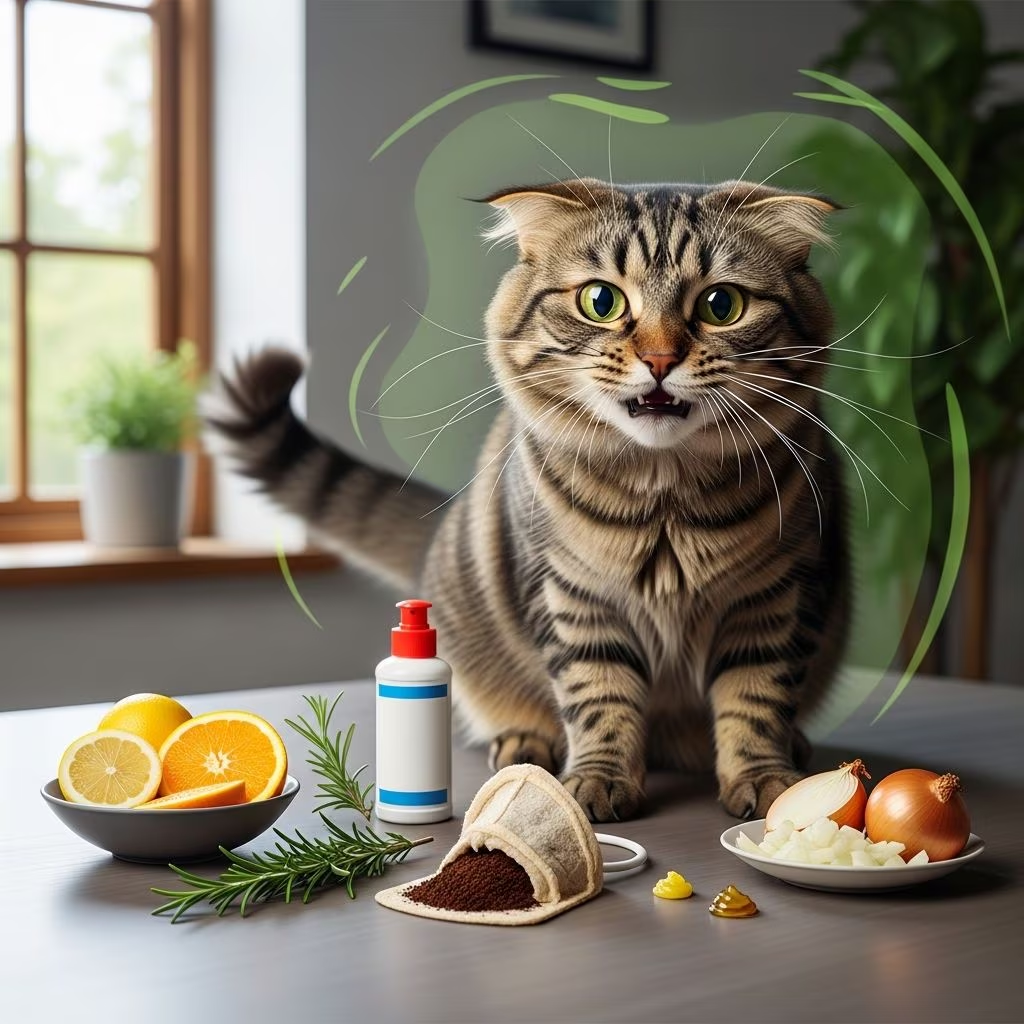
Cats possess an extraordinary sense of smell, up to 14 times stronger than humans, making certain everyday scents overwhelming or repulsive to them. Understanding these aversions can help pet owners create a safer, more comfortable environment while using natural repellents effectively.
Why Cats Hate Certain Smells
A cat’s olfactory system includes over 200 million odor receptors compared to humans’ 5 million, allowing them to detect scents at concentrations 14 times lower. This heightened sensitivity stems from their evolutionary past, where strong smells signaled danger, toxicity, or predators. Wild ancestors avoided pungent plants or chemicals that could harm them, a trait retained in domestic cats. While some scents like catnip attract due to nepetalactone triggering euphoria, others like citrus or spices irritate mucous membranes or mimic threats.
However, not all disliked smells are safe to use as deterrents. Essential oils, for instance, contain concentrated compounds toxic to cats, who lack certain liver enzymes to metabolize them. Veterinary experts recommend diluting scents or using plants sparingly, always monitoring for adverse reactions like drooling, vomiting, or respiratory distress.
From Citrus to Coffee: 14 Scents Your Cat Secretly Hates
Here are the most common household smells that send cats running, ranked by prevalence in feline aversion studies and owner reports. Each includes reasons for dislike, toxicity notes, and safe usage tips.
1. Citrus
Oranges, lemons, limes, and grapefruits top the list due to limonene and other terpenes that irritate cats’ nasal passages. These scents are not just unpleasant but potentially toxic in concentrated forms like essential oils, causing liver damage. Cats instinctively avoid citrus peels, a natural defense mechanism. For safe repulsion, boil peels in water, strain, and spray diluted liquid on furniture or garden edges—never directly on the cat.
2. Lavender
While soothing for humans, lavender’s linalool and linalyl acetate overwhelm cats and are toxic if ingested or inhaled heavily. Potted plants provide a mild barrier without risk, deterring cats from countertops or scratching posts. Avoid diffusers or oils entirely.
3. Rosemary and Thyme
These robust herbs emit unfamiliar, pungent aromas that cats shun. Non-toxic and safe, they make excellent garden borders or indoor satchels. Place bundles near plants cats target; the scent fades slowly, offering prolonged deterrence.
4. Peppermint and Mint
Mint varieties like peppermint and spearmint contain pulegone, toxic to cats in high doses. Cats recoil from the menthol-like sharpness. Use potted plants strategically in sunny windowsills to redirect curiosity away from forbidden zones.
5. Vinegar
The sharp acetic acid tang of vinegar mimics spoiled food, prompting avoidance. It’s non-toxic and versatile for cleaning litter box areas or spraying on rugs. Dilute 1:1 with water for a humane repellent that evaporates quickly.
6. Eucalyptus
Eucalyptol in eucalyptus leaves creates a medicinal stench cats detest. Highly toxic as oils, fresh branches or diluted leaf water sprays work for outdoor deterrence. Keep away from chew-prone areas.
7. Chili Powder and Spices
Capsaicin in chili, black pepper, and curry burns sensitive noses and eyes. While effective, inhalation risks respiratory issues and ingestion causes gastrointestinal upset—avoid near cats entirely.
8. Mothballs
Naphthalene or paradichlorobenzene fumes are intensely chemical and toxic, leading to anemia or neurological damage. Cats avoid them instinctively, but they’re unsafe for any pet home.
9. Banana Peels
Ethyl acetate in peels smells sharply fruity and off-putting. Non-toxic in peels, scatter them in gardens, but discard to prevent bacterial growth.
10. Menthol
Synthetic mint in Vicks VapoRub or balms lacks catnip’s appeal, registering as artificial and harsh. Avoid topical uses around cats due to skin absorption risks.
11. Ammonia
Resembling predator urine or territorial marks, ammonia confuses and repels—but it encourages re-marking in cleaned spots. Opt for enzyme cleaners instead.
12. Coffee Grounds
Caffeine’s bitterness and toxicity drive aversion. Sprinkle used grounds in gardens or high shelves; they’re safe if inaccessible.
13. Onions and Garlic
Sulfur compounds irritate and damage red blood cells. Cats naturally steer clear, but never use as repellents due to poisoning risks.
14. Certain Household Cleaners
Bleach, disinfectants, perfumes, and air fresheners overload with synthetic volatiles. Their strong floral or pine notes feel unbearable; choose unscented, pet-safe alternatives.
| Smell | Why Cats Hate It | Toxicity Level | Safe Use? |
|---|---|---|---|
| Citrus | Nasal irritation | High (oils) | Diluted spray |
| Lavender | Metabolic issue | High | Potted plant |
| Chili | Burning sensation | Medium | No |
| Coffee | Caffeine toxicity | High | Grounds only |
Keeping Your Home Safe for Your Cat
Prioritize safety over repulsion. Essential oils from citrus, lavender, peppermint, eucalyptus, and tea tree are particularly hazardous, as cats groom residues off fur, leading to poisoning. Symptoms include lethargy, tremors, and drooling—seek vet care immediately if observed. Use physical barriers like double-sided tape or motion sprinklers alongside mild scents.
For gardens, combine herbs with fencing. Indoors, ventilate after cleaning and test scents in small areas. Regular litter scooping prevents ammonia buildup, respecting cats’ instinct to bury waste away from living spaces.
- Always dilute: Never apply undiluted oils or peels directly.
- Monitor behavior: Watch for sneezing, pawing at nose, or avoidance turning to distress.
- Vet-approved only: Consult professionals for persistent issues like spraying.
Frequently Asked Questions (FAQs)
What smells do cats hate the most?
Citrus scents like lemon and orange are universally disliked due to overpowering terpenes irritating their nasal passages.
Are essential oils safe around cats?
No, most are toxic; cats can’t process phenols and terpenes effectively, risking organ damage.
Can I use coffee grounds to repel cats?
Yes, safely in gardens or out-of-reach spots, as the caffeine scent deters without harm if not ingested.
Why do cats avoid dirty litter boxes?
Ammonia from waste signals predators; cats prefer clean areas to avoid detection.
Do all cats hate the same smells?
Most do, but individuals vary; trauma or exposure can influence associations.
References
- Cat Owners Beware: These Everyday Smells Drive Cats Crazy — Catster. 2023. https://www.catster.com/lifestyle/these-everyday-smells-drive-cats-crazy/
- What Smells Do Cats Hate? 15 Scents Cats Dislike — PetMD (Veterinarian-reviewed). 2024-10-15. https://www.petmd.com/cat/general-health/what-smells-do-cats-hate



