

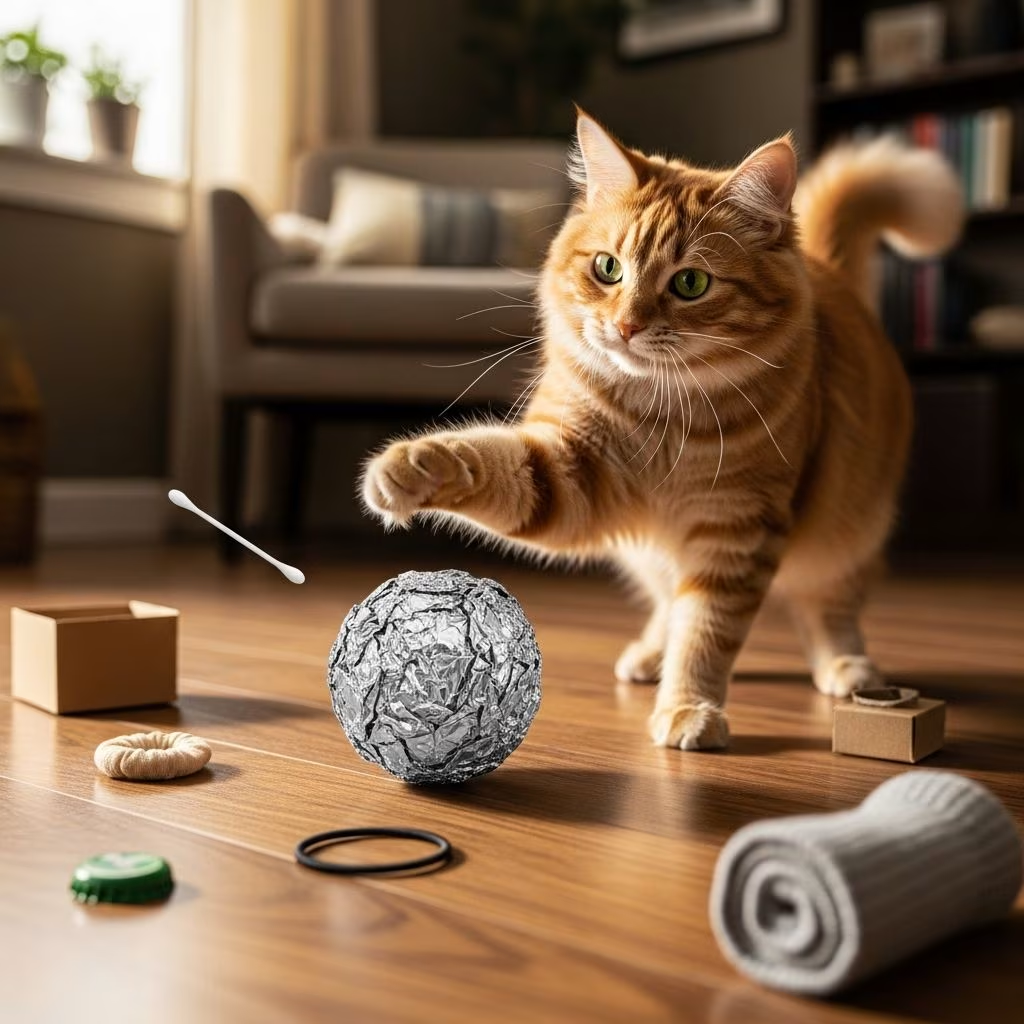
Cats possess an innate curiosity and hunting drive that transforms ordinary objects into irresistible playthings. These household staples provide mental stimulation, physical exercise, and emotional satisfaction, often at no extra cost. Understanding why cats gravitate toward specific items helps owners enrich their pet’s environment safely and effectively.
Why Household Objects Captivate Cats
Felines are wired as predators, with play mimicking stalking, chasing, pouncing, and capturing prey. Items that move unpredictably, crinkle, or offer hiding spots trigger these behaviors. Rotating objects prevents boredom and sustains interest, as novelty mimics fresh hunting opportunities.13 Veterinary behaviorists note that play releases dopamine, promoting well-being and reducing stress in indoor cats.5
Common themes emerge: lightweight items for batting, enclosed spaces for security, and textured surfaces for scratching or gripping. Owners can leverage these preferences to create engaging setups without commercial toys.
Cardboard Wonders: Boxes and Tubes
Empty boxes rank among the top feline favorites, offering concealment akin to natural dens. Cats squeeze into tight spaces for safety, often emerging to ambush passersby. Stacking multiple boxes forms mazes or forts, encouraging exploration and surprise play styles.14
- Cut holes in sides for peek-a-boo entrances.
- Line with soft fabric for comfort.
- Refresh by rotating shapes weekly.
Toilet paper or paper towel rolls extend this fun. Stuff with kibble or crinkle paper for puzzle-solving, fostering foraging instincts. Their chewable texture satisfies gnawing urges safely when supervised.14
Roll and Bounce: Small Movable Objects
Lightweight spheres and caps excel in chase games. Ping pong balls roll swiftly, evading capture and prompting leaps, ideal for ground-hunting cats. Bottle caps skitter erratically, simulating scurrying insects.15
| Item | Play Style | Safety Tip |
|---|---|---|
| Ping Pong Balls | Chasing, leaping | Ensure non-toxic; retrieve from under furniture |
| Bottle Caps | Batting, flicking | Remove sharp edges; supervise ingestion risk |
| Wine Corks | Chewing, chasing | Vacuum crumbs to prevent choking |
Wine corks provide a grippy alternative, easier to mouth than plastic. Toss gently to initiate sessions, bonding with your cat while expending their energy.
Fabrics and Threads: Soft Textures for Gripping
Loose fabrics like bed sheets or rugs invite burrowing and wrestling. Sheets drape softly, creating tent-like hides scented with owner smells for comfort. Rugs offer traction for ‘bunny kicking,’ where cats grasp and rear-kick toys.12
Socks stuffed with treats become huntable prey. The stretchy material challenges paws to extract rewards, boosting mental acuity. Old socks avoid laundry mishaps while providing self-play options.14
- Hide dry treats inside for puzzle play.
- Knot ends to prevent unraveling.
- Rotate with other fabrics for variety.
Paper Play: Crinkle and Shred
Loose or crumpled paper rustles enticingly, mimicking leaves or prey wings. Shredded sheets scatter like fleeing bugs, perfect for swatting enthusiasts. Supervise to avoid swallowing pieces.13
Full sheets under doors create drag toys, or balls of paper bounce unpredictably. This low-cost option suits aerial-focused cats, combining sound and motion.
Comfort Zones: Beds and Large Surfaces
Mattresses and rugs double as climbing posts and nests. Their vast, soft expanse invites kneading, scratching, and lounging. Protect with covers to minimize damage while allowing instinctual behaviors.1
Encourage by dangling strings nearby, drawing cats to knead rhythmically—a self-soothing remnant of nursing.
Water and Ice: Cool Pursuits
Contrary to myths, many cats fancy dripping faucets or melting ice cubes. Flavor ice with tuna broth for slippery, flavored chases on tile floors—ideal summer relief.1 Running water fountains satisfy drinking preferences while providing visual stimulation.3
Plush Companions: Stuffed Friends
Small stuffed animals become surrogate prey or comfort items. Kittens often ‘adopt’ them, carrying and grooming as kin. Choose seamless designs sans small parts; add catnip for allure.15
Some cats bond lifelong, using them for solo wrestling. Rotate sparingly to maintain attachment.
Enhancing Play with Variety and Safety
Match items to play styles: ground chasers love balls, aerial hunters prefer wands over sheets, wrestlers need kickers.2 Offer 4-5 toys at once, swapping weekly for freshness.3
Safety first: monitor for ingestion, supervise strings, and choose non-toxic materials. Daily 10-15 minute sessions mimic crepuscular hunts, preventing obesity and boredom.
DIY Toy Recipes from Home Staples
- Sock Kicker: Stuff clean sock with fabric scraps or catnip; knot securely.
- Box Maze: Stack boxes with entry holes; insert jingle balls inside.
- Paper Prey: Crumple sheets around treats; tie with yarn scrap (supervised).
- Ice Treats: Freeze broth in trays; scatter on floors.
These foster independence when owners are away, using scents and sounds for engagement.47
Understanding Feline Play Styles
Cats exhibit distinct preferences:
- Stalkers: Drag string toys slowly across floors.
- Leapers: Dangle feathers for jumps.
- Swatters: Provide track balls or springs.
- Hiders: Supply bags and boxes for ambushes.
- Kickers: Offer large plush for grappling.
Observe to tailor setups, maximizing joy.2
Benefits Beyond Fun: Health Impacts
Regular play combats sedentary lifestyles, aiding weight control and muscle tone. Puzzle elements enhance cognition, vital for seniors. Bonding strengthens human-cat ties, easing anxiety.35
Common Pitfalls and Fixes
- Boredom: Introduce scents like valerian.
- Overstimulation: Watch ear twitches; end sessions calmly.
- Destruction: Redirect to scratchers post-play.
Frequently Asked Questions
Are household items safer than store-bought toys?
Many are, if supervised. Avoid small ingestible parts and chemicals. VCA recommends variety with caution.3
How often should I play with my cat?
Twice daily, 10-15 minutes, at dawn/dusk. Let cat signal end.6
What if my cat ignores these items?
Try warming toys or adding catnip. Persistence reveals preferences.2
Can play reduce scratching furniture?
Yes, by tiring cats and providing alternatives.5
Is water play okay for all cats?
No—some fear it. Start with drips; fountains suit enthusiasts.1
References
- 16 Common Household Items Cats Like to Play With — Catster. 2023. https://www.catster.com/cat-behavior/household-items-cats-like-to-play-with/
- 6 Styles of Play for Your Cat — Ontario SPCA. 2023-10-15. https://ontariospca.ca/blog/6-styles-of-play-for-your-cat/
- Cat Behavior and Training – Play and Play Toys — VCA Animal Hospitals. 2024. https://vcahospitals.com/know-your-pet/cat-behavior-and-training—play-and-play-toys
- Playing With Your Cat — Cat Friendly Homes. 2023. https://catfriendly.com/be-a-cat-friendly-caregiver/playing-with-your-cat/
- 8 Household Items that can Double as Cat Toys — Chewy. 2023. https://www.chewy.com/education/cat/pet-parenting/pet-parenting-diy-recipes-8-household-items-that-can-double-as-cat-toys
- Cat Behavior and Training – Play and Play Toys (PDF) — Ironstone/VCA. 2023. https://www.ironstone.net/storage/app/media/30_-_Cat_Behavior_and_Training__-_Play_and_Play_Toys.pdf
- Go Play on Your Own: Independent Play for Cats — Feline Engineering. 2024-01-10. https://felineengineering.com/blog/independent-play-for-cats/



