
Maximize Learning with Everyday Dog Training Moments
Transform daily routines into powerful training opportunities for your dog's development.
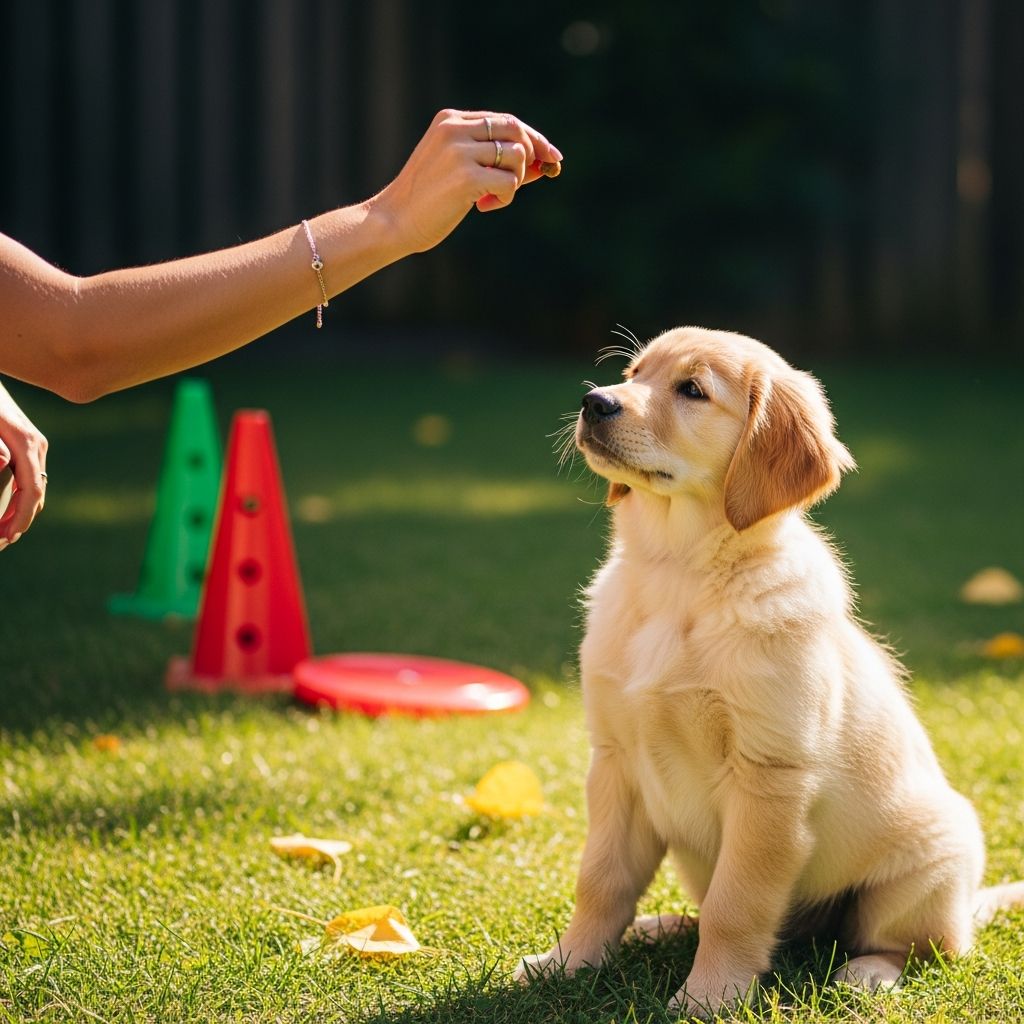
Dog training often feels like a separate activity scheduled into your day, but the most effective learning happens when you integrate training into the natural flow of your dog’s life. Every interaction with your dog presents an opportunity to reinforce positive behaviors and build stronger obedience skills. By recognizing these moments and acting intentionally, you transform ordinary daily activities into powerful training sessions that yield lasting results.
The Power of Recognizing Training Opportunities Throughout Your Day
Your dog is constantly learning from their environment and your responses to their behaviors. Whether you realize it or not, you are actively shaping your dog’s conduct through every interaction. This principle underscores why deliberate attention to training opportunities matters so much. When you become aware of the teaching moments that naturally occur, you can guide your dog toward behaviors you want to see repeated while discouraging those you don’t.
The key insight here is that behaviors that receive reinforcement increase in frequency, strength, and durability. This means that accidental reinforcement—rewarding unwanted behaviors without meaning to—can undermine your training goals just as much as intentional positive reinforcement can advance them. By staying mindful and purposeful, you ensure that your dog receives consistent messaging about which behaviors lead to positive outcomes.
Morning Rituals as Foundation-Building Sessions
Your morning routine with your dog sets the tone for their entire day. Rather than rushing through these moments, consider them prime training opportunities. Starting the day with structure and intention helps your dog feel secure and ready to engage with you constructively.
Beginning with Physical Activity
Morning exercise serves dual purposes in your dog’s development. A walk or play session in the early hours allows your dog to release overnight energy, which reduces the likelihood of destructive behaviors later. Simultaneously, this is an ideal time to practice leash manners and reinforce foundational commands like sit and stay.
Adjust the intensity and duration of morning exercise based on your dog’s individual needs. A young, high-energy dog may thrive with a brisk 30-minute walk, while an older dog might benefit more from a gentle 15-minute stroll. This personalized approach respects your dog’s physical capabilities while still providing necessary stimulation.
Mental Engagement Before Training Formally
After physical exertion, your dog’s mind is ready for focused work. Rather than launching into a rigid training session, weave mental challenges into breakfast time and morning activities. Hide treats around designated areas for your dog to discover, use puzzle feeders during meals, or practice basic commands while your dog eats. These activities maintain your dog’s enthusiasm while preventing mental fatigue.
Keep these morning training segments brief but purposeful—typically 15 to 20 minutes is optimal. This duration maintains your dog’s engagement without overwhelming them or creating reluctance toward training activities.
Mealtime as a Consistent Training Framework
Feeding occurs multiple times daily, making it an exceptionally valuable training touchstone. Each mealtime presents an opportunity to reinforce specific behaviors and build associations between good conduct and positive outcomes.
Before presenting your dog’s meal, ask them to demonstrate a known command such as sit or wait. This simple practice accomplishes multiple objectives simultaneously: it reinforces obedience, teaches impulse control, and strengthens the connection between your dog’s actions and rewards. Over time, your dog learns that calm, obedient behavior triggers access to something they deeply desire.
For puppies, mealtime routines become even more important. Puppies require frequent potty breaks and have unique developmental needs. Establish a consistent schedule around meals, naps, and play sessions, creating a predictable framework that your puppy learns to anticipate.
Doorway Interactions and Impulse Control Development
Doorways—whether leading outside, to other rooms, or from the entryway—are natural training venues. These transition moments are ideal for practicing wait commands and door manners. Requiring your dog to sit calmly before moving through a doorway establishes you as the decision-maker and reinforces that patience earns privileges.
This seemingly small training opportunity has significant practical applications. A dog with solid door manners is safer around open gates, less likely to bolt into the street, and more pleasant for visitors. By treating each doorway passage as a training moment, you build layers of safety and good behavior throughout your day.
Leash Walking as Practical Obedience Training
Every leash walk is a training session whether you approach it that way or not. Your dog is learning how to behave on a leash, how you respond to pulling, and what happens when they pay attention versus when they ignore you.
Focus on loose leash walking by rewarding your dog when they walk beside you without tension on the leash. When your dog pulls, stop moving rather than advancing—this teaches them that forward progress depends on calm, attentive walking. Reinforce moments when your dog makes eye contact or checks in with you, building the association between paying attention to you and receiving positive outcomes.
Incorporate practice of essential commands throughout your walk. Ask your dog to sit at curbs before crossing streets, practice a stay while you tie your shoe, or have them wait while you open a gate. These real-world applications of training create a dog who responds reliably in practical situations.
Play Sessions and Reward-Based Learning
Play is not separate from training—it is training in disguise. During play, your dog is learning about boundaries, impulse control, and what behaviors keep the fun going.
Use play as a reward within your training framework. If your dog performs a command correctly, immediately follow with their favorite game or toy. This creates a powerful association: following your instructions leads to the most rewarding outcomes. Over time, obedience becomes something your dog genuinely wants to do rather than something they do reluctantly.
Play sessions also provide opportunities to practice commands. Ask for a sit before throwing a ball, request a wait before releasing your dog to chase a toy, or have them come before ending play time. These applications of training in naturally high-motivation moments build strong behavioral patterns.
Environmental Socialization and Real-World Adaptation
Daily life exposes your dog to varied environments, people, and situations. Rather than treating these as distractions from training, recognize them as essential socialization opportunities. Exposing your dog to different environments, sounds, and encounters builds their confidence and adaptability.
When out in the world, practice commands and reward calm behavior in new situations. If your dog remains composed in a busy environment, reinforce this. When encountering other people or animals, use it as an opportunity to practice greeting manners or wait commands. These real-world training moments create dogs who behave well across diverse situations.
Rest Periods and Consistency Building
Training is not limited to active moments. Establishing consistent rest and sleep schedules also teaches your dog important lessons. A dog who knows their crate time comes after certain activities learns to anticipate and settle. Regular rest periods provide mental recovery and reinforce the structure your dog needs to feel secure.
Consistency in scheduling is fundamental to your dog’s learning. When the same blocks occur in the same order each day, your dog’s brain builds muscle memory and learns what to expect. This predictability reduces anxiety and stress while simultaneously creating an environment where training becomes efficient.
Key Components of Daily Training Integration
| Activity | Training Focus | Duration | Primary Benefit |
|---|---|---|---|
| Morning Exercise | Leash manners, basic commands | 15-30 minutes | Energy release, physical health |
| Mealtime | Impulse control, obedience | 5-10 minutes | Respect for routine, focus building |
| Doorway Transitions | Wait command, calm behavior | 2-3 minutes | Safety, impulse control |
| Leash Walks | Loose leash walking, commands | 20-30 minutes | Practical obedience, mental stimulation |
| Play Sessions | Commands, impulse control | 10-15 minutes | Motivation building, bonding |
| Rest Periods | Crate training, schedule adherence | Variable | Anxiety reduction, mental recovery |
Building Lasting Behavior Through Repetition
The transformation from short-term learning to ingrained behavior happens through repeated reinforcement. When you consistently reward positive behaviors and redirect unwanted ones, your dog eventually exhibits these behaviors naturally without needing immediate rewards. This is the ultimate goal: creating a dog who behaves well because they understand it’s the right choice, not just because they expect a treat.
This learning progression requires patience and consistent messaging. Every family member should reinforce the same behaviors using the same commands. Mixed signals confuse your dog and slow progress. When everyone in your household approaches training the same way, your dog learns faster and more reliably.
Addressing Challenges Through Daily Framework
When undesirable behaviors emerge, the daily training framework provides opportunities for timely intervention. Rather than waiting for a formal training session to address problems, correct and redirect immediately when they occur. This real-time feedback helps your dog understand cause and effect more clearly than corrections delayed hours or days later.
For example, if your dog displays unwanted jumping on guests, practice greeting behaviors before visitors arrive and reinforce calm behavior when people enter. If leash pulling is an issue, make every walk an opportunity to practice loose leash walking. These repeated, consistent interventions in context are far more effective than isolated training sessions.
Strengthening Your Bond Through Training Integration
When training is woven into daily life rather than segmented into separate sessions, something profound happens in your relationship with your dog. Training transitions from an obligation into shared communication and collaboration. Your dog learns that working with you brings joy, connection, and rewards. You learn to read your dog’s signals and adjust your approach to meet their needs.
This consistent engagement builds trust and mutual understanding. Your dog develops confidence because they reliably know what you expect and receive clear feedback. You develop confidence because your dog responds reliably and predictably. Together, you create a partnership based on clear communication and positive association.
Practical Implementation Strategy
Begin by identifying your dog’s existing daily schedule. Map out when meals occur, when walks happen, when play sessions fit in, and when rest periods occur. Next, decide which training goals align with each activity. Rather than trying to implement everything at once, start with one or two daily opportunities and gradually add more as you and your dog build proficiency.
Keep detailed notes about what works well for your specific dog. Some dogs respond better to certain reward types, some have peak training times, and some respond better to certain command styles. This personalized knowledge becomes invaluable as you refine your daily training integration.
Frequently Asked Questions
How much time should I dedicate to daily dog training?
Rather than viewing training as requiring large blocks of time, recognize that integrated training throughout your day may total 60-90 minutes when combined. Morning sessions should last 15-20 minutes, with shorter 2-5 minute training moments woven into other activities. The consistency of frequent, brief practice sessions outweighs occasional long sessions.
What commands should I focus on first?
Essential commands include sit, stay, come, and leash manners. These foundational skills address safety and build the framework for additional learning. Once these are reliable, expand to other commands that address your specific dog’s needs and your lifestyle.
Can I train an older dog using this integrated approach?
Absolutely. While puppies may learn slightly faster due to developmental stages, dogs of any age can learn through consistent, positive reinforcement. Adjust exercise intensity and session length to match your older dog’s physical capabilities, but the core principle of integrating training into daily life applies across all ages.
What should I do if my dog seems resistant to training?
Resistance often indicates that the reward isn’t sufficiently motivating or the dog is mentally or physically fatigued. Experiment with different reward types—some dogs prefer treats, others prefer play or praise. Ensure your dog has adequate exercise and rest. Break training into smaller steps so success feels achievable.
How long before I see behavioral improvements?
Consistent, integrated training typically shows noticeable improvements within 2-4 weeks as your dog begins recognizing patterns and building new habits. Significant transformation occurs over months as behaviors become truly ingrained. Patience and consistency are essential during this process.
References
- 9 Reasons Why a Consistent Dog Training Schedule is Key — Focused Dog Training. 2025-12-16. https://focuseddogtraining.com/2025/12/16/dog-training-schedule-benefits-3/
- The Ultimate Guide to Building a Daily Dog Training Schedule That Actually Works — Pittsburgh Dog Trainers. 2025. https://pittsburghdogtrainers.com/the-ultimate-guide-to-building-a-daily-dog-training-schedule-that-actually-works/
- 5 Dog Training Exercises You Should Do Every Day at Home — Pup Scouts. 2025. https://www.joinpupscouts.com/blogs/5-dog-training-exercises-you-should-do-every-day-at-home
- Advantages to Daily Training — Whole Dog Journal. 2025. https://www.whole-dog-journal.com/training/advantages-to-daily-training/
- A Guide to an Ideal Routine for Your Dog & Why It Is Important — KC Dawgz. 2025. https://kcdawgz.com/a-guide-to-an-ideal-routine-for-your-dog-why-it-is-important-kansas-city/
Similar Articles








Read full bio of medha deb




