

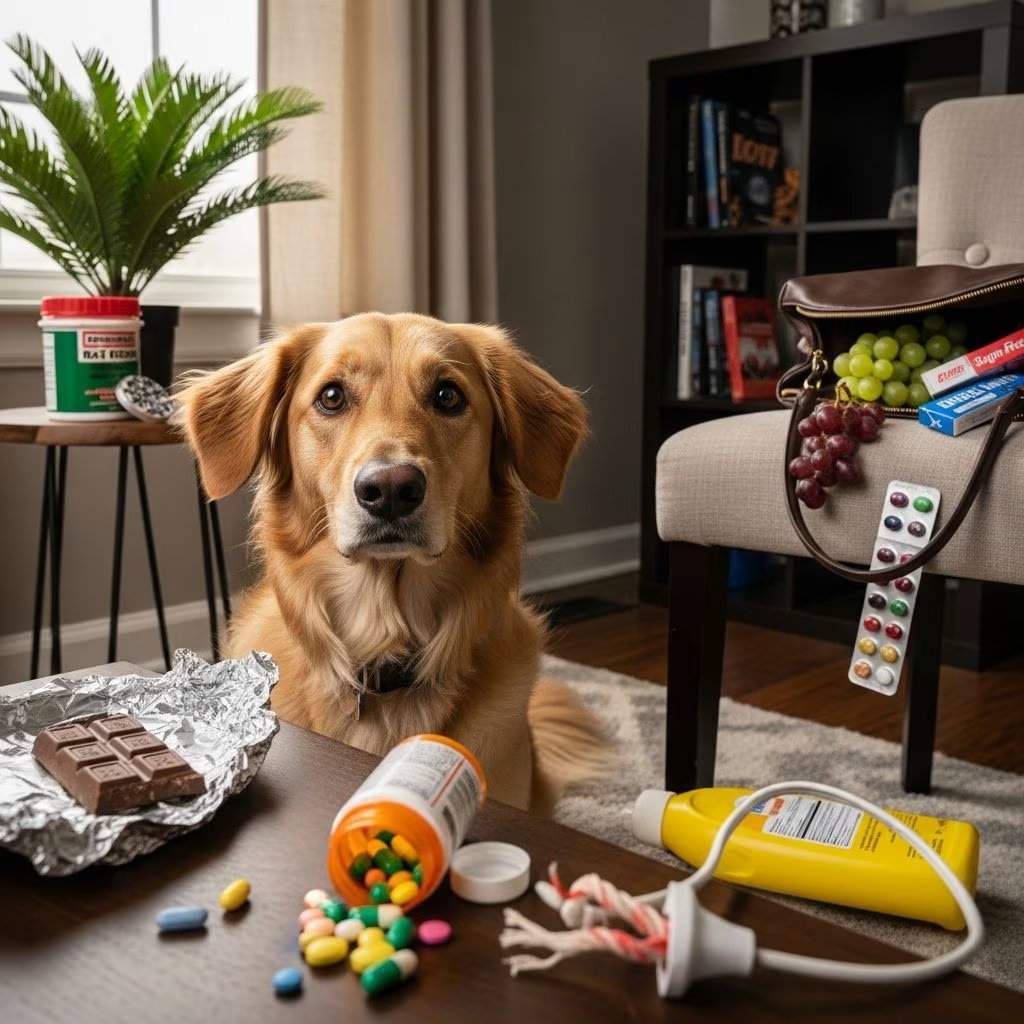
Dogs bring joy and companionship, but their curious nature exposes them to numerous risks in modern environments. From toxic foods left on counters to chemicals in garages, everyday items can cause severe illness or death. This guide details key threats, symptoms of exposure, and practical steps to create a safer space for your canine friend.
Indoor Food Risks That Can Poison Your Dog
Human foods often appeal to dogs due to their scents and accessibility, yet many trigger life-threatening reactions. Chocolate contains theobromine, which dogs metabolize slowly, leading to hyperactivity, seizures, and heart issues. Dark varieties pack higher concentrations, making even small bites dangerous.
Grapes and raisins damage kidneys, with as few as four to five grapes causing acute failure in some dogs. Onions, garlic, and chives destroy red blood cells, resulting in anemia. Xylitol in sugar-free gum or baked goods spikes insulin, causing hypoglycemia and liver failure within hours.
- Chocolate: Vomiting, diarrhea, rapid breathing, tremors.
- Grapes/Raisins: Lethargy, reduced urine output, abdominal pain.
- Onions/Garlic: Pale gums, weakness, elevated heart rate.
- Xylitol: Weakness, seizures, collapse.
Alcohol and yeast dough also pose risks; fermentation in stomachs produces gas and ethanol, leading to bloat or intoxication. Store all people food in sealed, elevated containers and train dogs to ignore counters.
Toxic Plants Lurking in Homes and Gardens
Ornamental plants beautify spaces but harbor poisons harmful to dogs. Lilies cause kidney failure if ingested, while azaleas and oleanders disrupt heart rhythms. Tulip bulbs irritate mouths and intestines, and sago palms attack the liver.
| Plant | Toxins | Symptoms |
|---|---|---|
| Lilies | Unknown compound | Vomiting, kidney shutdown |
| Azalea | Grayanotoxins | Vomiting, low blood pressure |
| Tulip/Narcissus | Lycorine | Drooling, bloody vomit |
| Sago Palm | Cycasin | Bleeding, jaundice |
Outdoor invaders like blue-green algae in ponds produce neurotoxins, causing seizures or rapid death upon water contact. Check labels before buying plants and remove hazardous ones. Use pet-safe alternatives like spider plants or ferns.
Chemicals and Cleaners: Silent Killers in Your Home
Cleaning supplies, while essential for hygiene, contain corrosives that burn tissues on contact. Bleach and ammonia form toxic gases if mixed, irritating lungs and eyes. Laundry pods mimic candy, causing burns and obstructions.
Antifreeze’s sweet taste lures dogs; ethylene glycol metabolizes into acids damaging kidneys and brain. Even licks from driveways prove fatal. Ice melts with salts chafe paws and upset electrolytes. Essential oils like tea tree oil trigger ataxia and coma via skin absorption or diffusion.
Prevention involves pet-safe products, thorough rinsing post-cleaning, and secure storage in locked cabinets. Wipe paws after outdoor exposure.
Medications and Small Objects: Overlooked Threats
Human pills dropped on floors invite disaster. Ibuprofen inflames stomachs and kidneys; acetaminophen destroys liver and red cells. Vitamins with iron cause organ failure.
Batteries, especially button types, generate currents burning esophagi and intestines. Pennies post-1982 leach zinc, perforating stomachs. Choking hazards like rubber bands or socks lead to blockages.
- Secure meds in latched boxes.
- Inspect floors for dropped items.
- Use child-proof caps rigorously.
Physical and Electrical Dangers Indoors
Puppies chew cords, risking electrocution, burns, or fires. Chewed wires expose live current; symptoms include burns, difficulty breathing, or cardiac arrest. Trash bins hide bones splintering intestines.
Falls from furniture injure joints, especially in larger breeds. Hot surfaces like irons scald paws. Prevention: cord protectors, stable furniture, lidded bins.
Seasonal and Outdoor Perils for Active Dogs
Winter brings rock salt irritating pads and deicers mimicking antifreeze. Summer pesticides linger on grass, causing tremors. Barbecue scraps include fatty foods triggering pancreatitis.
Car engines warm outdoor dogs, but leaks drip toxins. Lighted candles topple, scorching fur. Holiday tinsel wraps intestines if swallowed.
Recognizing Poisoning: Act Fast with These Signs
Early detection saves lives. Watch for drooling, vomiting, diarrhea, lethargy, tremors, seizures, pale gums, rapid breathing, or collapse. Time is critical; toxins like antifreeze kill within 12-24 hours.
Keep ASPCA Poison Control (888-426-4435) or Pet Poison Helpline (855-764-7661) handy. Note the substance, amount, and time of ingestion before calling vets.
Proven Strategies to Dog-Proof Your Living Space
- Storage First: Elevate foods, lock chemicals/meds.
- Supervise Always: No unattended access to kitchens/garages.
- Pet-Safe Swaps: Natural cleaners, deicers.
- Regular Checks: Scan yards/homes weekly.
- Training: Teach ‘leave it’ commands.
- Family Buy-In: Educate all household members.
Emergency Response: What to Do Immediately
If exposure occurs, do not induce vomiting unless vet instructs—some toxins worsen with it. Provide water if conscious. Rush to emergency vet with substance sample. Costs average $500-$5000, but prevention averts bills.
Frequently Asked Questions (FAQs)
Is dark chocolate worse than milk for dogs?
Yes, higher theobromine content means greater toxicity. A few ounces can kill small dogs.
Can dogs recover from antifreeze poisoning?
Only with immediate ethanol/fomepizole treatment before kidney damage sets in.
Are essential oil diffusers safe around dogs?
No, inhaled vapors from tea tree, eucalyptus cause respiratory distress.
What plants are completely safe for dog households?
Bamboo, Boston ferns, parsley; research ASPCA lists.
How do I prevent cord chewing?
Bitter sprays, covers, redirection to toys.
Long-Term Habits for a Hazard-Free Home
Annual pet-proof audits, microchip for lost pups, vet checkups catch issues early. Insurance covers emergencies. Informed owners reduce risks by 80%, per vet data.
References
- Common Household and Environmental Toxins for Dogs — Hershey Animal Emergency. 2023. https://hersheyanimaler.com/blog/household-and-environmental-toxins-for-dogs/
- Protect your Pet from Household Hazards — Veterinary Medical Center, Ohio State University. 2024. https://vmc.vet.osu.edu/resources/protect-your-pet-household-hazards
- Pet Emergency Prevention: Home Hazards to Avoid — STVUC. 2023. https://www.stvuc.com/blog/pet-emergency-prevention-home-hazards-to-avoid
- Household Threats For Pets — Texas A&M University. 2024-11-07. https://stories.tamu.edu/news/2024/11/07/household-threats-for-pets/
- Household hazards — American Veterinary Medical Association. 2024. https://www.avma.org/resources-tools/pet-owners/petcare/household-hazards
- Pet Safety: Avoiding Common Hazards in Your Home — MyCPR NOW. 2023. https://cprcertificationnow.com/blogs/mycpr-now-blog/pet-safety-avoiding-common-hazards-in-your-home



