
Evaluating Herbal Quality: Essential Standards
Master the science behind identifying premium herbal products and supplements
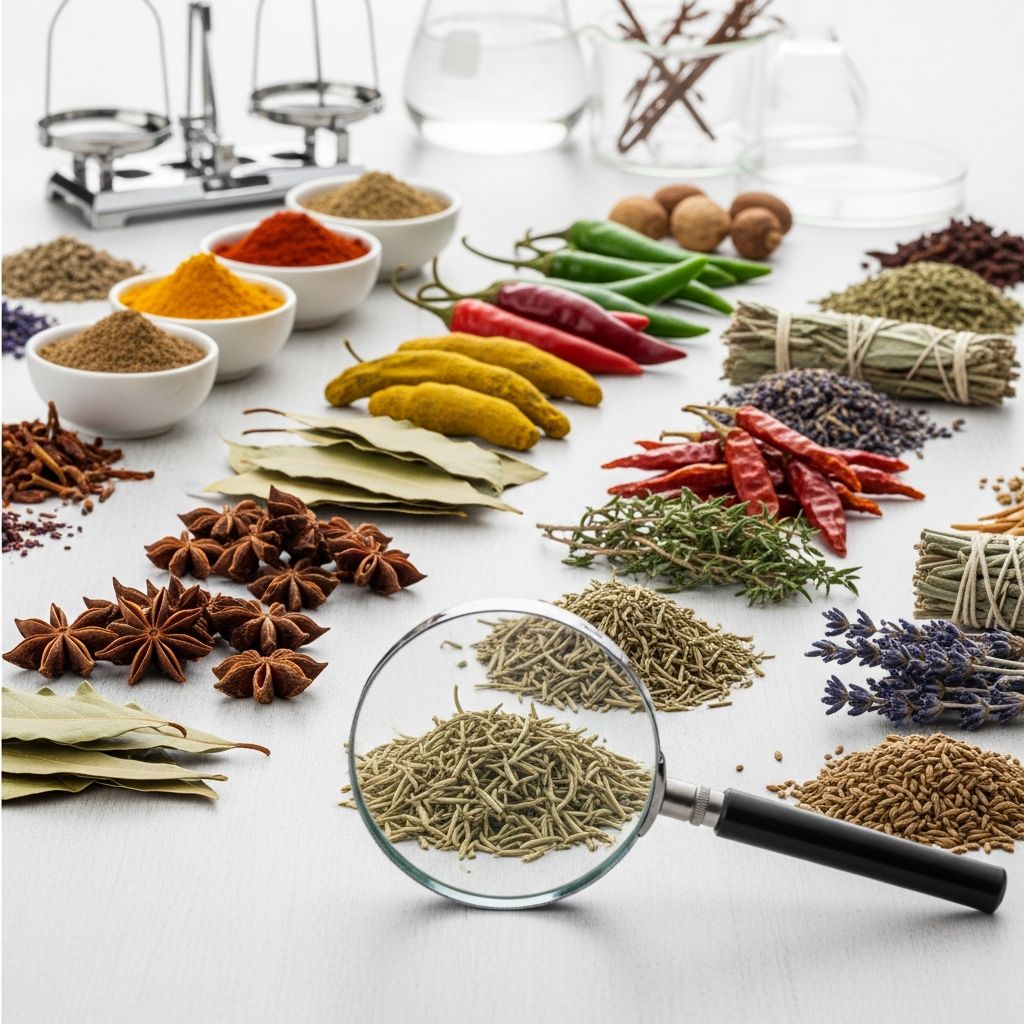
The global herbal supplement market has expanded dramatically, yet consumers and healthcare practitioners face a critical challenge: determining which herbal products genuinely deliver the quality and potency they promise. With the widespread presence of low or variable quality herbal products in the marketplace, understanding how to assess herb quality has become essential for making informed purchasing decisions and ensuring therapeutic effectiveness.
Understanding the Complexity of Herbal Quality Assessment
Herbal medicinal products are fundamentally different from synthetic pharmaceuticals because they represent complex mixtures originating from biological sources. This complexity requires comprehensive quality evaluation approaches that go far beyond simple visual inspection. The quality of any herbal product depends on multiple factors including botanical identity, purity, potency, safety, and consistency across batches.
Great efforts are necessary to guarantee constant and adequate quality in herbal products because natural variation occurs between growing seasons, geographic locations, and harvest times. Additionally, the presence of adulterants, contaminants, and variable active compound concentrations represents significant challenges that manufacturers and consumers must address through rigorous quality control protocols.
Primary Methods for Establishing Botanical Identity
The foundation of herbal quality assessment begins with accurate identification of the plant material. Ensuring that the correct botanical species has been used is critical because different plant species or even different parts of the same plant may have vastly different therapeutic properties and safety profiles.
Visual and Physical Examination
Visual inspection provides the simplest and quickest initial assessment tool. By examining color, consistency, odor, and overall appearance, quality assessors can identify obvious issues and compare samples against known reference specimens of pharmacopoeial quality. This macroscopic examination should occur before any further testing and serves as the first step toward establishing both identity and purity levels.
Microscopic Analysis
Microscopic examination goes deeper than visual inspection by revealing structural characteristics of plant tissues, cellular structures, and distinctive features that confirm botanical identity. Histological observations and measurements provide detailed information about plant anatomy that helps distinguish authentic materials from adulterants or substitute species that may appear similar to the naked eye.
Advanced Chemical Identification Techniques
Modern quality assessment relies on sophisticated analytical methods to verify botanical identity and detect adulterations. DNA barcoding represents a particularly powerful approach, using genetic markers to confirm species identification with high precision. Chemical profiling analyzes the unique fingerprint of compounds present in each herb, creating a distinctive signature that can be compared against reference standards to verify authenticity and detect any unauthorized substitutions.
Detecting Purity and Contamination Levels
Beyond confirming that the correct herb is present, quality assessors must verify that the product contains no unwanted contaminants or adulterants. This evaluation encompasses several critical parameters that directly impact safety and efficacy.
Microbiological Contamination
Herbal products may harbor harmful bacteria, fungi, or other microorganisms that pose health risks. Testing protocols screen for these microbiological contaminants to ensure products meet established safety standards.
Heavy Metal and Pesticide Residues
Herbs grown in contaminated soils or treated with agricultural chemicals can accumulate harmful substances. Quality assessment includes testing for heavy metals such as lead, mercury, and cadmium, as well as pesticide residue levels. These tests ensure that herbal products don’t introduce toxic substances into the body.
Aflatoxin and Mycotoxin Detection
Fungal toxins represent another contamination concern, particularly in dried herbs. Aflatoxins produced by mold growth can develop during improper storage or harvesting conditions. Comprehensive quality control protocols test for these mycotoxins to protect consumer health.
Radioactive Contamination
In regions where environmental concerns exist, testing for radioactive contamination ensures that herbal materials haven’t accumulated radioactive substances.
Quantifying Active Compounds and Potency
The therapeutic value of herbal products depends significantly on the concentration and bioavailability of active compounds. Standardization processes establish reference standards that represent desired levels of active ingredients or marker compounds, creating benchmarks for quality comparison across different batches and manufacturers.
High-Performance Liquid Chromatography (HPLC)
HPLC represents one of the most powerful analytical techniques for herbal quality assessment. This method separates and quantifies chemical compounds within an herb, allowing precise determination of specific marker compounds or active ingredients. HPLC analysis ensures consistency and quality by verifying that products contain the claimed amounts of therapeutic constituents.
Thin-Layer and High-Performance Thin-Layer Chromatography
These chromatographic techniques provide both qualitative and quantitative analysis of herbal compounds. TLC offers a rapid, cost-effective method for identifying compounds and comparing samples against reference standards. HPTLC provides more refined separation and analysis capabilities, separating different chemical components to verify the presence of specific markers or active compounds in herbal materials.
Gas Chromatography and Mass Spectrometry
These techniques excel at analyzing volatile compounds and essential oils within herbal products. Gas chromatography combined with mass spectrometry enables identification and precise quantification of specific compounds based on their mass spectra and retention times.
Spectroscopic Methods
Infrared spectroscopy, ultraviolet-visible spectroscopy, and other spectroscopic approaches provide additional analytical capabilities for characterizing herbal materials and ensuring quality consistency.
Assessing Manufacturing and Supply Chain Quality
Quality assessment extends beyond the finished product to encompass the entire production and supply chain. Comprehensive quality assurance requires adherence to multiple standards throughout the process:
- Good Agricultural and Collection Practice (GACP): These standards ensure that herbs are grown and harvested using appropriate methods that maintain quality and minimize contamination risks
- Good Plant Authentication and Identification Practice (GPAIP): Rigorous protocols confirm botanical identity before manufacturing begins
- Good Manufacturing Practice (GMP): Manufacturing facilities must follow established protocols that maintain product consistency, prevent cross-contamination, and ensure safety throughout production
- Good Laboratory Practice (GLP): Analytical testing must follow standardized procedures with proper documentation and quality assurance measures
Transparency in the supply chain through vendor audits and establishment of harmonized, multilaboratory-validated analytical methods further strengthens quality assurance systems.
Fingerprint Analysis and Chemical Profiling
Fingerprint analysis has achieved international acceptance as one of the most efficient quality control methods for herbal medicines. This approach creates a unique chemical signature of the herbal product by analyzing its complete profile of compounds rather than focusing on single active ingredients. Fingerprinting allows quick identification of products that deviate from established standards, detection of adulterants, and verification of consistency across different batches and manufacturers.
Understanding Quality Variation in Commercial Products
Chemical methods employed in quality evaluation have revealed widespread variation in herbal product quality. Analytical investigations demonstrate major qualitative and quantitative variations in chemical composition between different products, ranging from missing ingredients entirely to unusually and unnaturally high concentrations of certain compounds. This variation underscores the importance of rigorous quality control and the need for consumers to purchase from reputable manufacturers who invest in comprehensive testing.
Key Factors Affecting Herb Quality
Several variables significantly influence the quality of herbal materials and finished products:
- Growing Conditions: Climate, soil composition, altitude, and seasonal variations affect the chemical composition of herbs
- Harvest Timing: The stage of plant maturity when harvested significantly impacts potency and active compound levels
- Drying and Storage: Proper drying techniques and storage conditions preserve active compounds and prevent degradation
- Processing Methods: Extraction methods, heat application, and other processing techniques influence final product composition
- Batch Variability: Natural variation between growing seasons requires standardization approaches to ensure consistency
How Consumers Can Evaluate Herbal Products
While consumers cannot perform laboratory analysis themselves, understanding quality indicators helps guide purchasing decisions:
- Verify that manufacturers provide third-party testing documentation
- Look for standardized extracts with specified active compound percentages
- Choose products from manufacturers with established GMP certifications
- Seek evidence of reference material usage and batch-to-batch consistency testing
- Research the botanical source and growing conditions when available
- Examine packaging for proper storage recommendations and shelf-life information
The Role of Reference Standards in Quality Control
Reference standards serve as crucial benchmarks in herbal quality assessment. These established standards represent the desired levels of active compounds or marker substances, allowing direct comparison during quality control testing. By establishing and maintaining reference standards, manufacturers ensure consistency across multiple batches and enable healthcare professionals to prescribe treatments with confidence.
Multivariate Analysis and Modern Quality Assessment
Contemporary quality assessment methods increasingly employ chemometric tools such as principal component analysis (PCA) and principal discriminant analysis (PDA) to analyze the large amounts of data generated by chromatograms, electropherograms, and spectra. These sophisticated statistical approaches reveal patterns and relationships within complex data sets, enabling more comprehensive and nuanced quality evaluation than single-parameter testing alone.
Integration of Multiple Assessment Approaches
Comprehensive quality control for herbal products requires integration of multiple assessment techniques rather than reliance on single methods. Macroscopic and microscopic examinations should be complemented with chemical analysis techniques such as TLC, HPLC, DNA barcoding, and chemical profiling. This multifaceted approach provides thorough verification of authenticity, detection of adulterations or contaminants, and confirmation of consistency and safety across herbal medication products.
Frequently Asked Questions About Herbal Quality
What is the difference between standardized and non-standardized herbal extracts?
Standardized extracts contain verified levels of specific active compounds or marker substances, providing consistent potency across batches. Non-standardized extracts contain the complete plant material without guaranteed active compound levels, resulting in greater variability between products and batches.
How can I identify high-quality herbal products?
Look for third-party testing documentation, standardization information, GMP certification, and transparent labeling about botanical source, extraction methods, and active ingredient percentages. Reputable manufacturers provide this information upon request.
Why do herbal products vary in effectiveness?
Natural variation in growing conditions, harvest timing, processing methods, and storage conditions affects active compound levels. Without rigorous standardization and quality control, significant effectiveness variation occurs between products and batches.
What role does testing play in herbal quality?
Testing confirms botanical identity, verifies active compound levels, detects contaminants, and ensures batch-to-batch consistency. Comprehensive testing throughout the supply chain maintains the safety and efficacy of herbal products.
How important is the manufacturing facility in determining quality?
Manufacturing facilities following Good Manufacturing Practice standards significantly impact final product quality. Proper procedures prevent cross-contamination, maintain consistency, and ensure that products contain what the label indicates.
References
- Quality Assessment of Herbal Drugs and Medicinal Plant Products — Wiley Online Library. 2016. https://onlinelibrary.wiley.com/doi/abs/10.1002/9780470027318.a9946
- Quality evaluation of commercial herbal products using chemical methods — Taylor & Francis Online. 2023. https://www.tandfonline.com/doi/full/10.1080/10408398.2022.2140120
- Advancing herbal medicine: enhancing product quality and safety — National Institutes of Health, PubMed Central. 2023. https://pmc.ncbi.nlm.nih.gov/articles/PMC10561302/
- Quality assessment of medicinal herbs and their extracts — PubMed. 2015. https://pubmed.ncbi.nlm.nih.gov/25899015/
- Quality control methods for medicinal plant materials — World Health Organization. https://www.who.int/docs/default-source/medicines/norms-and-standards/guidelines/quality-control/quality-control-methods-for-medicinal-plant-materials.pdf
Similar Articles








Read full bio of medha deb


