
Evaluating Herb Quality for Pets
Master the art of selecting top-tier herbs for your dog's wellness with proven evaluation techniques and safety checks.
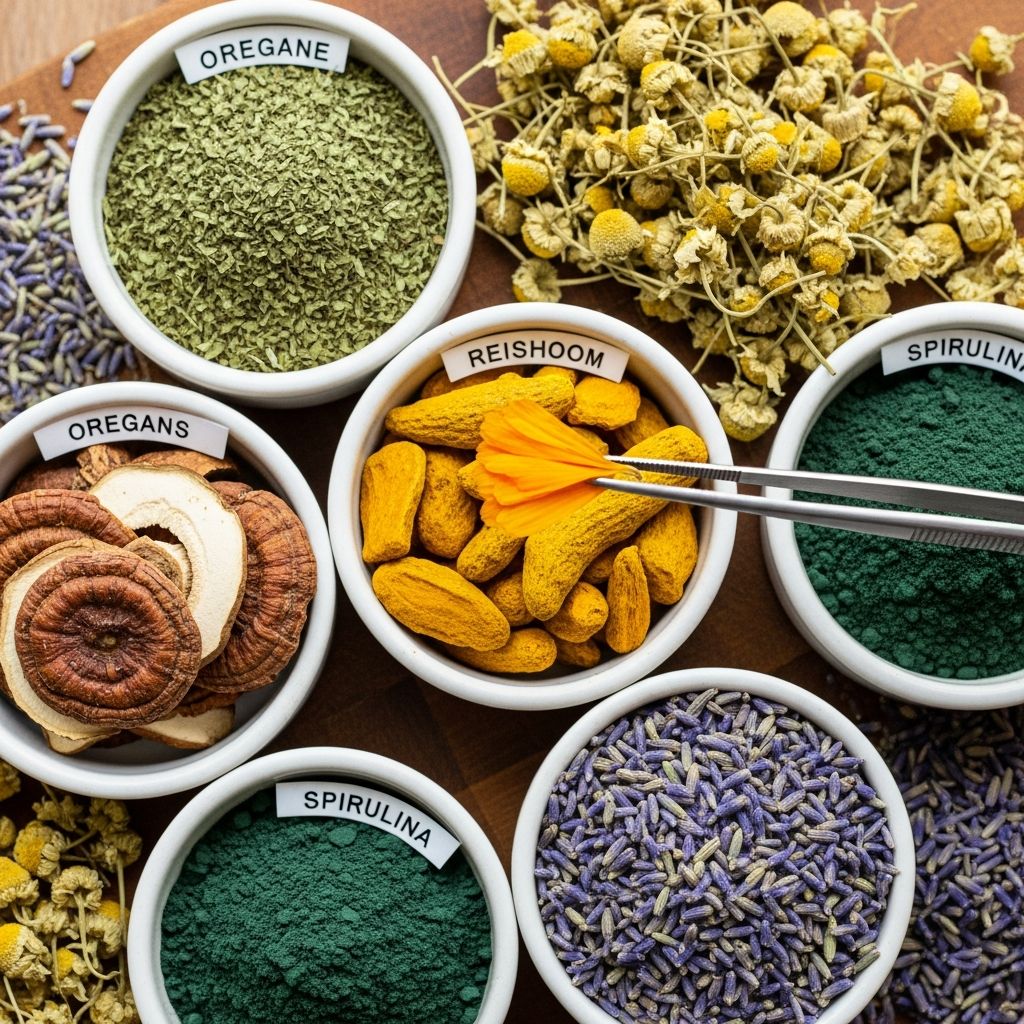
Selecting high-quality herbs for your dog’s health requires a systematic approach to ensure purity, potency, and safety. This guide explores practical and scientific methods to judge herbal products, helping pet owners make informed choices for supplements and remedies.
Why Herb Quality Matters in Pet Care
Herbs offer natural support for canine wellness, from soothing digestion to boosting immunity, but inconsistent quality can lead to ineffective results or health risks. Variations in growing conditions, harvesting, and processing affect active compound levels, making rigorous evaluation essential. Quality assurance guarantees that herbs deliver consistent benefits without contaminants like heavy metals or pesticides.
Pet owners often overlook herb sourcing, yet studies emphasize standardization for reliable efficacy. For instance, maintaining phytochemical consistency is crucial for therapeutic outcomes in herbal medicines. By prioritizing quality, you protect your dog’s health while maximizing herbal benefits.
Sensory and Visual Inspection Basics
Begin evaluation with your senses—sight, smell, touch, and even taste (for non-toxic samples). High-quality herbs exhibit vibrant colors, strong aromas, and flexible textures without mold or insect damage.
- Color: Fresh leaves should be deep green; faded or brownish hues signal age or poor storage.
- Aroma: Potent, characteristic scents indicate preserved volatile oils; weak smells suggest degradation.
- Texture: Leaves and roots should crumble easily but not powder excessively, pointing to over-drying.
- Foreign Matter: No stems, dirt, or pests; clean herbs reflect careful harvesting.
These organoleptic checks form the first line of defense, aligning with WHO guidelines for medicinal plant materials, which recommend macroscopic examination for identity and purity.
Understanding Packaging and Labeling Standards
Reputable herb packages provide clear details: botanical name (e.g., Echinacea purpurea), harvest date, origin, and extraction ratio. Look for certifications like USDA Organic or third-party testing seals, which verify contaminant-free status.
| Label Element | What to Check | Red Flags |
|---|---|---|
| Botanical Name | Full Latin binomial | Common name only |
| Harvest Date | Recent (within 1-2 years) | No date or vague “best by” |
| Certifications | Organic, GMP, lab-tested | None listed |
| Active Markers | Standardized percentages | No quantification |
Labels lacking these invite risks; standardized markers ensure batch consistency, as per quality control paradigms for herbal extracts.
Laboratory Testing Methods for Precision
Beyond home checks, lab analyses confirm quality through advanced techniques. These quantify active ingredients, detect adulterants, and screen contaminants.
Chromatographic Techniques
Thin-layer chromatography (TLC) and high-performance liquid chromatography (HPLC) separate compounds for identification. TLC offers quick fingerprinting, while HPLC provides precise quantification of markers like alkaloids or flavonoids. For pet herbs, these ensure the product matches reference standards.
Spectroscopic Analysis
Infrared (IR) spectroscopy and UV-Vis detect chemical profiles rapidly. Mass spectrometry (MS) paired with gas chromatography (GC) identifies volatiles in essential oils, vital for aromatic herbs used in canine calming blends.
Microbiological and Contaminant Screening
Test for bacteria, molds, heavy metals, and pesticides. Acceptable limits per WHO standards include low microbial counts and trace heavy metals. DNA barcoding verifies species authenticity, preventing substitution with toxic look-alikes.
Sourcing Herbs from Reliable Suppliers
Choose suppliers adhering to Good Agricultural and Collection Practices (GACP). They test soil, water, and final products, minimizing environmental toxins. Ask for Certificates of Analysis (CoA) detailing tests performed.
- Verify wildcrafted vs. cultivated: Sustainable farming reduces contamination risks.
- Opt for whole herbs over powders initially; grinding preserves potency longer.
- Buy in small quantities to maintain freshness.
Supply chain transparency, including vendor audits, upholds quality from farm to shelf.
Common Contaminants and How to Avoid Them
Herbs can harbor pesticides, heavy metals, aflatoxins from molds, and adulterants. Arsenic or lead from polluted soils poses neurological risks to dogs.
- Pesticides: Demand organic certification; residue tests via GC-MS.
- Heavy Metals: ICP-MS screening ensures levels below 10 ppm for lead.
- Microbes: Total plate count under 10,000 CFU/g; no pathogens like Salmonella.
Regular testing addresses these, as outlined in herbal quality assessments.
Standardization: Ensuring Potency Consistency
Standardization fixes active compound levels, e.g., 4% echinacosides in echinacea. Reference standards benchmark batches, supporting efficacy in pet formulas.
Without it, potency varies wildly—vital for dosing accuracy in dogs, where size affects sensitivity.
Storage Tips to Preserve Herb Quality
Store in airtight, opaque containers away from light, heat, and moisture. Use within 6-12 months; refrigerate roots and oils.
- Glass jars over plastic to avoid chemical leaching.
- Label with purchase date.
- Avoid kitchen humidity.
DIY Quality Checks for Pet Owners
Water test for solubility: Quality extracts dissolve evenly without residue. Infusion test: Steep and note clarity and scent strength.
For tinctures, shake reveals separation—emulsified ones indicate poor quality.
Regulatory Guidelines for Pet Herb Products
While not FDA-regulated as drugs, follow human herbal standards like USP or WHO. In the US, AAFCO guidelines influence pet supplements indirectly.
Frequently Asked Questions (FAQs)
What is the best way to check herb freshness?
Examine color, aroma, and texture; vibrant and potent signs indicate freshness.
Should I buy organic herbs for my dog?
Yes, to minimize pesticide exposure; look for certified sources.
How do I know if an herb is adulterated?
Lab tests like HPLC or DNA barcoding detect mismatches with standards.
Can I use human herbal supplements for dogs?
Only vet-approved; dosages and purity differ for pets.
What storage conditions ruin herb quality fastest?
Exposure to light, heat, and air accelerates degradation.
Integrating Quality Herbs into Your Dog’s Routine
Start low-dose under vet guidance. Track responses in a journal. Combine with quality control for optimal results.
Quality herbs enhance diet, joint health, and stress relief safely.
References
- Quality Assessment of Herbal Drugs and Medicinal Plant Products — Wiley Online Library. 2010. https://onlinelibrary.wiley.com/doi/abs/10.1002/9780470027318.a9946
- Advancing herbal medicine: enhancing product quality and safety — PMC (NCBI). 2023-10-01. https://pmc.ncbi.nlm.nih.gov/articles/PMC10561302/
- Quality assessment of medicinal herbs and their extracts: Criteria and prerequisites for consistent safety and efficacy of herbal medicines — PubMed (Epilepsy Behav). 2015-11-01. https://pubmed.ncbi.nlm.nih.gov/25899015/
- Quality control methods for medicinal plant materials — World Health Organization (WHO). N/A. https://www.who.int/docs/default-source/medicines/norms-and-standards/guidelines/quality-control/quality-control-methods-for-medicinal-plant-materials.pdf?sfvrsn=b451e7c6_0
Similar Articles








Read full bio of Sneha Tete


