
Evaluating Frozen Raw Dog Food Choices
Discover essential criteria for selecting safe, nutritious frozen raw dog foods while balancing benefits against health risks.
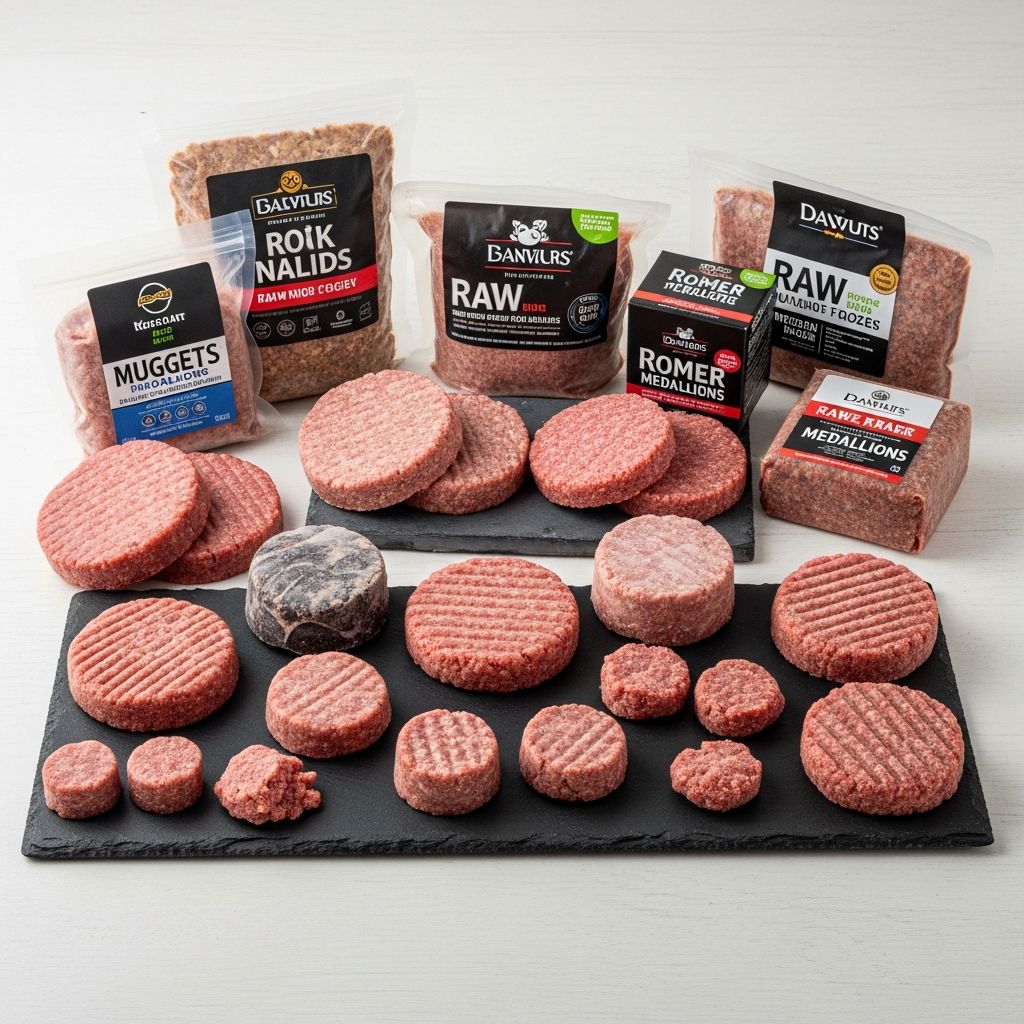
Frozen raw dog food offers a fresh alternative to traditional kibble, promising higher nutrient retention and closer alignment with a dog’s ancestral diet. However, selecting the right product requires careful evaluation of nutritional completeness, safety protocols, and overall quality to avoid potential health pitfalls for both pets and owners.
Understanding the Appeal of Frozen Raw Diets
Many pet owners turn to frozen raw dog food for its minimal processing, which helps preserve natural enzymes, vitamins, and minerals that might degrade in high-heat kibble production. These diets typically feature whole ingredients like muscle meat, organs, bones, and vegetables, mimicking the variety found in wild prey. Veterinary sources note that such foods can support better digestion, shinier coats, and increased energy levels in some dogs when properly formulated.
Commercial frozen raw options come in patties, nuggets, or tubes, designed for convenience while aiming to meet daily nutritional needs. Freezing halts bacterial growth and locks in freshness, but thawing and handling practices are crucial for safety. Despite these advantages, not all products deliver on promises, making informed selection vital.
Core Nutritional Requirements for Balance
A complete and balanced frozen raw diet must fulfill AAFCO guidelines, ensuring adequate protein, fats, carbohydrates, vitamins, and minerals for all life stages. Look for labels stating “complete and balanced” backed by feeding trials or formulation analysis, as unsubstantiated claims can lead to deficiencies.
- Protein Sources: High-quality meats (chicken, beef, turkey) should dominate, with organs like liver and kidney providing essential nutrients. Avoid diets reliant on a single protein to prevent allergies.
- Bone and Calcium Content: Ground bones supply calcium and phosphorus in proper ratios (ideally 1.2:1 to 1.8:1). Excess bone can cause constipation; too little risks weak bones.
- Fats and Omegas: Include fish oils or fatty fish for omega-3s to support skin, joints, and inflammation control.
- Vitamins and Minerals: Vegetables and fruits add fiber and antioxidants, but synthetic supplements may be needed if natural levels fall short.
Studies reveal that many homemade or poorly formulated raw diets suffer from imbalances, such as excess vitamin A from liver or insufficient calcium, potentially causing bone issues or toxicity over time.
Safety Standards Against Pathogens
Bacterial contamination poses the greatest risk in frozen raw foods, with pathogens like Salmonella, Listeria, and E. coli surviving freezing. FDA research indicates raw pet foods are contaminated at rates up to 1 in 3 samples, far higher than processed foods.
Reputable manufacturers implement high-pressure processing (HPP), irradiation, or rigorous testing to reduce pathogens. Seek products tested for bacteria via third-party labs, with results showing undetectable levels. Avoid brands without transparency on safety measures, as freezing alone kills only a fraction of microbes.
| Risk Factor | Mitigation Strategy | Source Evidence |
|---|---|---|
| Salmonella/Listeria | HPP or pathogen testing | FDA CVM study: 25% contamination rate |
| E. coli | Sourcing from USDA-inspected facilities | Cornell Vet: 1-in-3 risk in online raw |
| Parasites | Freezing at -4°F for 7 days | PMC vet review |
Human health is also at stake; immunocompromised individuals face higher infection risks from handling.
Ingredient Sourcing and Quality Indicators
Premium frozen raw foods use human-grade or USDA-inspected meats, free from hormones, antibiotics, and fillers. Transparency in sourcing—such as farm locations or supplier certifications—builds trust. Organic or grass-fed options may offer superior nutrient profiles but verify claims independently.
Check for minimal additives; true raw diets avoid preservatives, relying on freezing for shelf life. Vegetables should be pureed for digestibility, and avoid grains if pursuing a strict carnivore model, though some dogs benefit from moderate carbs. Package dates and batch tracing ensure freshness and recall accountability.
Transitioning Safely to Frozen Raw Feeding
Abrupt switches can cause diarrhea or vomiting. Gradually mix new food over 7-14 days: 25% new on day 1, increasing incrementally. Always thaw in the refrigerator, never at room temperature, to prevent bacterial proliferation.
Portion based on weight and activity: typically 2-3% of body weight daily, divided into meals. Monitor stool quality, energy, and coat condition, consulting a vet if issues arise. Puppies, seniors, and those with health conditions may need tailored formulas.
Potential Health Benefits Backed by Evidence
Proponents report improved dental health from chewing raw bones (if appropriately sized), reduced allergies, and better weight management. Freezing preserves enzymes aiding digestion, potentially easing IBD symptoms. However, benefits vary; a WebMD review notes supportive anecdotes but limited long-term studies.
Recognizing and Avoiding Common Pitfalls
Beyond bacteria, risks include bone fragments causing obstructions or fractures, nutrient excesses like hypervitaminosis A, or imbalances leading to anemia. Cost is another factor—frozen raw is pricier and less convenient than kibble. Not all dogs tolerate it; breeds with sensitive stomachs may fare better on cooked alternatives.
Steer clear of untested online sellers or those ignoring AAFCO. Homemade raw amplifies risks without professional balancing.
Comparing Frozen Raw to Other Formats
| Format | Pros | Cons | Best For |
|---|---|---|---|
| Frozen Raw | Nutrient-dense, fresh | Pathogen risk, thawing needed | Healthy adults |
| Freeze-Dried | Lightweight, rehydrates | Costly, partial processing | Travelers |
| Gently Cooked | Lower bacteria | Some nutrient loss | Seniors/puppies |
| Kibble | Convenient, shelf-stable | High processing | Budget owners |
Expert Recommendations for Selection
Veterinary nutritionists like those at Cornell advise choosing AAFCO-approved products from brands with safety records. Consult your vet before starting, especially for medical cases. Regular fecal tests can screen for pathogens.
Frequently Asked Questions
Is frozen raw dog food safe for puppies?
Yes, if balanced for growth stages with higher protein/calcium, but pathogen risks remain—opt for HPP-treated options and vet approval.
How do I store and thaw safely?
Keep frozen until use; thaw in fridge 24-48 hours ahead. Discard leftovers after 48 hours.
Can frozen raw cause allergies?
Possibly novel proteins trigger reactions; introduce slowly and watch for itching or GI upset.
What’s the cost difference vs. kibble?
2-3x higher, but bulk buys reduce it; weigh against health benefits.
Are there recalls for raw foods?
Frequently for Salmonella; check FDA site regularly.
This guide empowers you to choose frozen raw dog food confidently, prioritizing safety and nutrition for your pet’s vitality.
References
- Raw Foods for Dogs: Evidence-Based Advice from the Riney Canine Health Center — Cornell University College of Veterinary Medicine. 2023. https://www.vet.cornell.edu/departments-centers-and-institutes/riney-canine-health-center/canine-health-topics/raw-foods-dogs-evidence-based-advice-riney-canine-health-center
- One veterinarian’s experience with owners who are feeding raw diets to their pets — PMC/NCBI. 2019-05-01. https://pmc.ncbi.nlm.nih.gov/articles/PMC6515799/
- Raw Pet Food Diets can be Dangerous to You and Your Pet — U.S. Food and Drug Administration (FDA). 2023. https://www.fda.gov/animal-veterinary/animal-health-literacy/get-facts-raw-pet-food-diets-can-be-dangerous-you-and-your-pet
- Raw Dog Food: Dietary Concerns, Benefits, and Risks — WebMD. 2023. https://www.webmd.com/pets/dogs/features/raw-dog-food-dietary-concerns-benefits-and-risks
- Benefits and Risks of a Raw Dog Food Diet — Wellness Pet Food. 2024. https://www.wellnesspetfood.com/blog/benefits-and-risks-of-a-raw-dog-food-diet/
- Raw Foods for Dogs: Evidence-Based Advice — Cornell Vet (duplicate for emphasis). 2023. https://www.vet.cornell.edu/departments-centers-and-institutes/riney-canine-health-center/canine-health-topics/raw-foods-dogs-evidence-based-advice-riney-canine-health-center
Similar Articles








Read full bio of Sneha Tete




