
Evaluating Canine and Feline Blood Donors
Comprehensive protocols for selecting and managing healthy blood donors to ensure safe transfusions in dogs and cats.
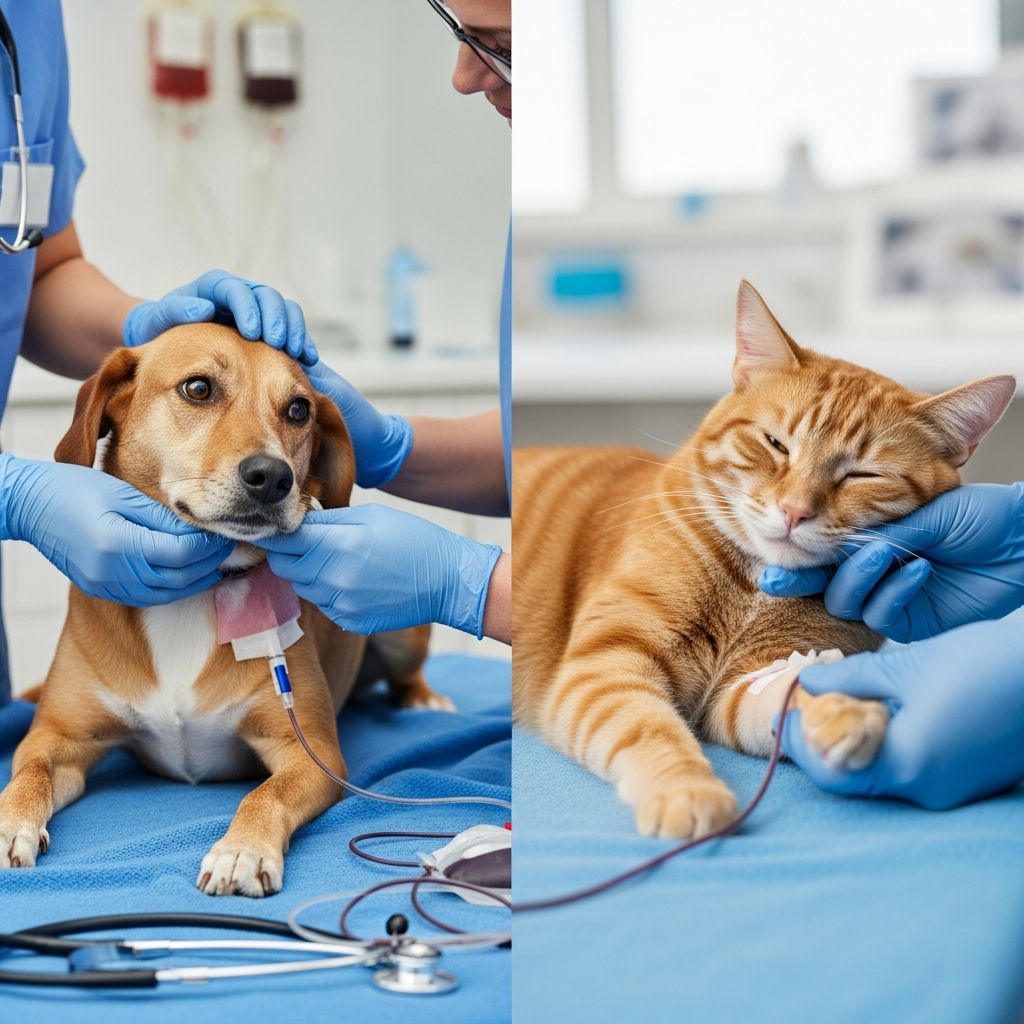
Selecting suitable blood donors among dogs and cats is a cornerstone of effective veterinary transfusion medicine. Healthy donors provide the foundation for safe, compatible blood products that can save lives during emergencies like severe anemia or trauma. This process involves rigorous health evaluations, pathogen screening, and ongoing monitoring to minimize risks.
Importance of Donor Selection in Veterinary Practice
Blood transfusions have become routine in small animal care, addressing conditions such as hemolytic anemia, surgical blood loss, and clotting disorders. Establishing a reliable donor pool ensures clinics can respond promptly without relying on external supplies, which may face shortages. Programs at veterinary hospitals emphasize community involvement, where pet owners contribute by enrolling their healthy animals.
Donor programs not only meet clinical demands but also advance transfusion standards through standardized protocols. Organizations like the Association of Veterinary Hematology and Transfusion Medicine (AVHTM) and the American College of Veterinary Internal Medicine (ACVIM) provide guidelines that shape these initiatives, promoting ethical practices and donor welfare.
Initial Eligibility Criteria for Potential Donors
Candidates for blood donation must meet basic physical and behavioral standards. Ideal dogs are typically 1-8 years old, weigh at least 50 pounds, and exhibit calm temperaments to facilitate safe collection. Cats should be 1-7 years old, weigh over 10 pounds, and tolerate handling well. Both species require up-to-date vaccinations and parasite preventives.
- Age and Weight: Ensures sufficient blood volume and recovery capacity.
- Temperament: Reduces stress and injury risks during venipuncture.
- Vaccination Status: Prevents transmission of preventable diseases.
Owners complete initial forms detailing medical history, lifestyle, and travel, flagging potential risks like exposure to endemic diseases.
Comprehensive Physical Examinations
Every prospective donor undergoes a thorough veterinary exam. This includes assessing body condition, hydration, cardiac and respiratory function, and palpation for abnormalities. Dental health, coat quality, and mobility are evaluated to confirm overall vitality. Sedation may be used for cats to ensure comfort.
Exams are conducted at no cost in many programs, with results shared with primary veterinarians. Animals needing further diagnostics are deferred until cleared.
Laboratory Testing Protocols
Blood analysis is pivotal for donor approval. A complete blood count (CBC) verifies red cell mass, platelet counts, and white cell differentials, identifying subclinical issues like anemia or infections. Serum biochemistry profiles check organ function, electrolytes, and proteins.
| Test Category | Key Parameters | Frequency |
|---|---|---|
| Hematology (CBC) | Hct, RBC, WBC, Platelets | Initial + Annual |
| Biochemistry | ALT, BUN, Creatinine, Glucose | Initial + Annual |
| Urinalysis | Specific Gravity, Protein, Glucose | Initial + As Needed |
| Fecal Exam | Parasites | Annual |
Additional tests like thyroid panels may be included based on clinic protocols.
Infectious Disease Screening
Pathogen testing is mandatory to prevent transfusion-transmitted diseases. Canine donors are screened for heartworm antigen, Ehrlichia, Anaplasma, and Brucella. Feline testing targets FeLV, FIV, and Bartonella. Consensus guidelines from ACVIM/ACVIM ensure comprehensive coverage.
- Canine Panel: 4DX snap test + Brucella culture/PCR.
- Feline Panel: FeLV/FIV combo test, ideally PCR-confirmed.
- Retesting: Annually or post-exposure.
Negative results are required for enrollment; positives lead to exclusion.
Blood Typing Essentials
Compatibility hinges on blood groups. Dogs are typed for DEA 1.1, with DEA 1-negative preferred to avoid hemolytic reactions. Cats require AB typing due to naturally occurring alloantibodies. Typing occurs once initially via card agglutination or gel column methods.
DEA 1.1-negative dogs comprise ideal universal donors, though cross-matching is advised for repeated transfusions.
Donation Frequency and Collection Procedures
Healthy donors can give 10-15 mL/kg every 3-4 months for dogs and 10 mL/kg every 2-3 months for cats, not exceeding 40 mL/kg annually. Collections use jugular venipuncture into CPD-anticoagulated bags, weighed for accuracy.
Supportive care includes IV fluids, sedation for cats, and post-donation monitoring. Clinics provide treats and rest areas.
Storage and Quality Control in Blood Banking
Whole blood stores at 1-6°C for 35 days in monitored refrigerators with alarms. Packed red cells extend shelf life; plasma is frozen at -20°C.
SOPs cover labeling, inventory tracking, and discard protocols. Temperature logs and bacterial cultures maintain quality.
Component Processing for Advanced Banking
Beyond whole blood, centrifugation yields packed RBCs and plasma. Cryoprecipitate from plasma aids coagulopathies. Equipment like centrifuges and sealers supports this, requiring trained staff.
Incentives and Owner Commitments
Programs offer free wellness exams, vaccines, preventives, and food. Dogs get heartworm/flea treatments; cats receive flea control. Minimum donations (4-6/year) sustain eligibility.
- Free annual bloodwork and exams.
- Parasite preventives and vaccines.
- Merchandise like bandanas and tags.
- Social recognition for donors.
Owners commit to scheduled visits and health updates.
Challenges and Best Practices
Supply shortages drive in-house banks, but staff training, equipment costs, and donor retention pose hurdles. Adhering to AVHTM/AVMA SOPs mitigates risks. Transparent communication builds trust.
FAQs
What makes a dog eligible to donate blood?
Healthy dogs aged 1-8 years, over 50 lbs, DEA 1-negative, with negative infectious screens.
How often can cats donate?
Every 2-3 months, up to 4 times yearly, with health monitoring.
Are there costs for donors?
No—programs cover exams, tests, and preventives.
What if my pet tests positive for a disease?
They are excluded but can reapply after treatment and clearance.
Can any clinic start a blood bank?
Yes, starting with whole blood, following SOPs from AVHTM/ACVIM.
References
- Veterinary Teaching Hospital Blood Bank — Virginia Tech. Accessed 2026. https://vth.vetmed.vt.edu/bloodbank.html
- Considerations for Creating a Small Animal Blood Bank — Today’s Veterinary Nurse. Accessed 2026. https://todaysveterinarynurse.com/practice-management/considerations-for-creating-a-small-animal-blood-bank/
- Animal Blood Bank — UW Veterinary Care. Accessed 2026. https://uwveterinarycare.wisc.edu/360-support/blood-bank/
- Blood Bank — Premier Veterinary Group. Accessed 2026. https://www.premiervets.net/services/blood-bank
- Veterinary Blood Bank — Plasvacc USA. Accessed 2026. https://plasvacc.com/us/veterinary-blood-bank/
Similar Articles








Read full bio of medha deb


