

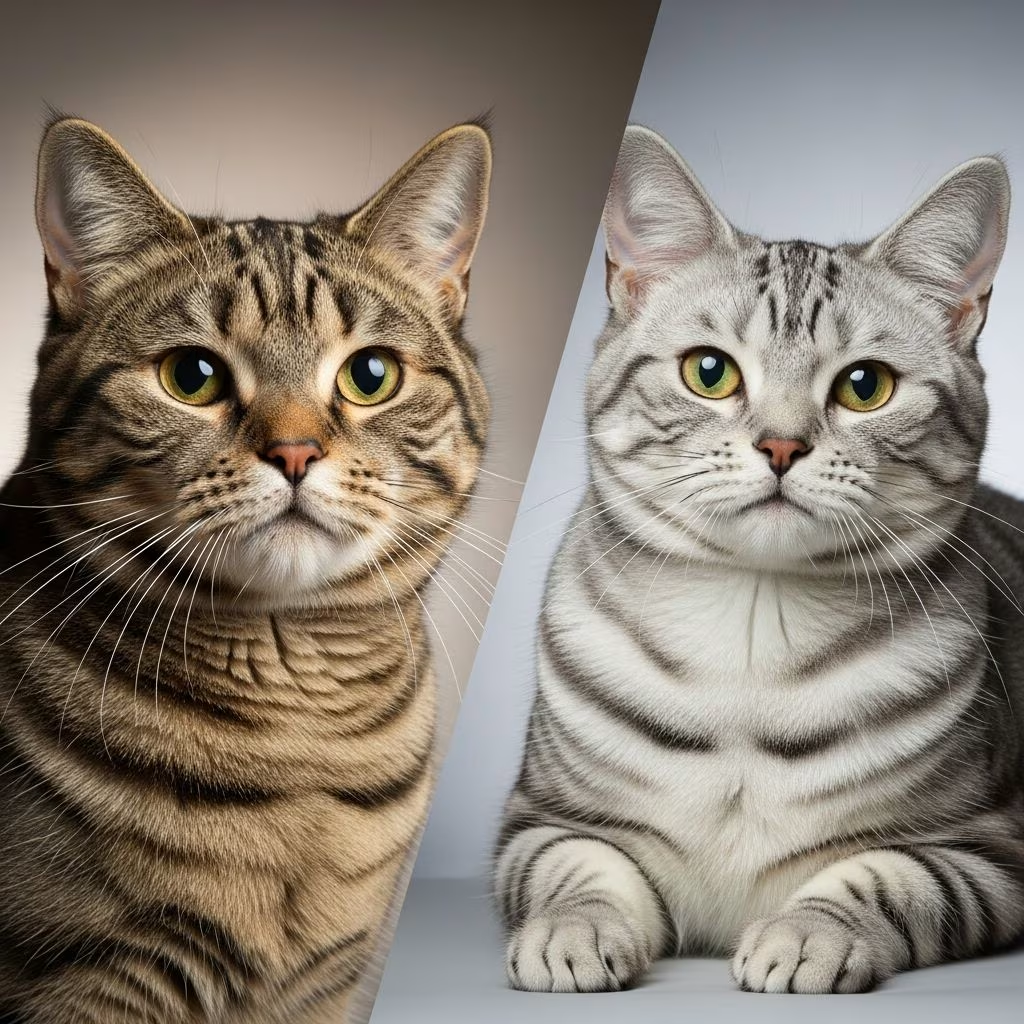
When selecting a cat breed, prospective pet owners often encounter the challenge of distinguishing between similar-looking felines. Among domesticated shorthair varieties, the European and American Shorthair breeds frequently come up in conversations. While these cats share common ancestry in domestic shorthairs, they have developed distinct characteristics through selective breeding in different geographic regions. Understanding the nuances between these two breeds helps potential cat parents make informed decisions based on their living situations, lifestyle, and preferences.
Geographic Origins and Breeding History
The development of standardized cat breeds has occurred differently across continents, resulting in three primary shorthair varieties recognized by major cat associations. The British Shorthair emerged as the first formally recognized shorthair breed during the 1870s, establishing a foundation for standardized breeding practices. This early recognition allowed British breeders to develop specific physical characteristics, including a blockier body structure influenced by Persian genetics introduced into their breeding lines.
The American Shorthair followed as the second recognized shorthair variety, arriving in North America during the early 1900s. Initially classified as domestic shorthairs, these cats eventually received formal recognition from the Cat Fanciers’ Association, establishing them as a distinct breed. The geographic separation between continents allowed the American variant to develop unique traits adapted to North American environments and breeding preferences.
The European Shorthair represents the newest addition to standardized shorthair classification, receiving official recognition from FIFe (Fédération Internationale Féline), the European cat association based in Luxembourg, in 1992. Unlike its older counterparts, the European Shorthair maintains closer resemblance to unselected domestic shorthairs, lacking a highly developed breeding standard. This recent establishment means European Shorthairs have not undergone the extensive selective breeding that shaped American and British varieties over more than a century.
Physical Characteristics and Appearance
While these three shorthair varieties share fundamental physical similarities, distinguishing features reflect their divergent breeding histories. The European Shorthair typically displays medium-sized proportions with a muscular build characteristic of active domestic cats. These felines feature well-rounded faces with developed cheekbones, medium-sized ears with slightly rounded tips, and round, expressive eyes.
The American Shorthair exhibits slightly more compact dimensions, typically standing between 8 and 10 inches in height and weighing 8 to 12 pounds when fully mature. The European variant generally measures 9 to 11 inches in height with weights ranging from 10 to 15 pounds, representing a subtle size difference that becomes apparent only through direct comparison. Both varieties maintain the muscular, athletic build typical of working cats bred to handle hunting and outdoor activities.
Coat characteristics present one of the most noticeable distinctions between these breeds. The European Shorthair possesses a short, dense, glossy coat that requires minimal grooming intervention. The American Shorthair’s coat, while similarly short, tends to be slightly thicker and experiences more pronounced seasonal shedding. This textural difference means American Shorthairs may develop matting more readily than their European counterparts when grooming is neglected.
Color variations present another consideration for prospective owners. The European Shorthair accepts all natural coat colors including black, red, blue, and cream, with or without tabby, tortoiseshell, silver, or white markings. Eye colors range from yellow and green to orange, with blue and odd-eyed individuals permitted for white-coated cats. American Shorthairs display similar color flexibility, accommodating diverse aesthetic preferences among different cat enthusiasts.
Personality Traits and Behavioral Characteristics
Both European and American Shorthairs demonstrate remarkably similar temperamental qualities that make either breed suitable for various household situations. These cats exhibit easy-going dispositions, displaying adaptability to changing environments and family dynamics. They form meaningful bonds with their human companions while maintaining the independence characteristic of cats that evolved from working animals.
American Shorthairs have earned historical recognition as excellent hunters, referred to as “old mousers” due to their prowess at controlling rodent populations. This heritage translates into natural athleticism, curiosity, and problem-solving abilities in contemporary domesticated environments. They appreciate interactive play and respond positively to enrichment activities that stimulate their hunting instincts through toys, climbing structures, and interactive games.
The European Shorthair demonstrates comparable affectionate tendencies, though individual personality variations occur within both breeds. Both varieties enjoy human companionship and value quality time with their owners, whether through active play sessions or quiet moments relaxing together. They tolerate handling reasonably well, though neither breed demonstrates excessive neediness or clingy behavior associated with some more dependent feline varieties.
Trainability represents a limitation for both breeds, as cats generally resist formal command-based training systems. However, both European and American Shorthairs respond well to environmental management techniques such as litter box placement, scratching post positioning, and food-based positive reinforcement for desired behaviors. Their intelligence allows them to learn household routines and adapt to family schedules.
Daily Care and Grooming Requirements
Maintenance demands for these shorthair varieties remain moderate and manageable for most cat owners. Both breeds excel at self-grooming, utilizing their natural grooming behaviors to maintain coat cleanliness and health. However, they benefit substantially from human assistance in specific grooming aspects that domestication has made necessary.
Nail maintenance represents a critical care component for both breeds. Since these cats no longer function as outdoor predators with natural claw-wearing mechanisms, regular trimming prevents overgrowth that can cause discomfort or furniture damage. Most experts recommend monthly nail trimming for American Shorthairs and periodic trimming for European varieties, adjusting frequency based on individual growth rates and activity levels.
Dental health demands consistent attention to prevent serious complications later in life. Weekly tooth brushing represents the ideal maintenance schedule, though twice-weekly brushing provides adequate protection for most cats. Neglected dental care can lead to plaque accumulation, gum disease, and tooth loss, conditions that compromise overall health and quality of life.
Brushing frequency differs slightly between the two breeds due to coat thickness variations. American Shorthairs benefit from regular brushing, particularly during seasonal shedding periods when their thicker coats shed more liberally. European Shorthairs require less intensive brushing due to their shorter, less dense coats. Using appropriate brushes designed for short-haired cats prevents skin irritation while removing loose hair effectively.
Health Considerations and Lifespan
Both European and American Shorthairs typically enjoy lifespans ranging from 15 to 20 years, providing lengthy companionship for dedicated owners. These robust, naturally developed breeds generally demonstrate strong genetic health compared to heavily inbred varieties, though individual health variations occur within both populations.
American Shorthairs show predisposition toward certain health conditions including genetic heart disease and weight management issues. Their naturally energetic temperament requires consistent activity to prevent obesity, a condition that exacerbates cardiovascular problems and reduces longevity. Regular exercise combined with appropriate dietary management helps mitigate these risks significantly.
European Shorthairs benefit from their closer relationship to unselected domestic cat genetics, potentially reducing some breed-specific health vulnerabilities. However, both varieties share susceptibility to digestive sensitivities common among cats generally. Careful dietary selection emphasizing high-protein, low-fat formulations with minimal additives supports optimal digestive function and overall wellness.
Preventive veterinary care remains essential for both breeds. Regular health examinations, vaccinations, and age-appropriate screening tests help identify developing health issues before they progress to serious conditions. Maintaining appropriate weight through exercise and portion control represents perhaps the single most impactful health intervention available to cat owners.
Exercise and Activity Needs
Daily physical activity requirements for both breeds fall within the 20 to 30 minute range, though individual cats may demonstrate higher or lower activity preferences. These estimates reflect time owners should dedicate to interactive play, environmental enrichment, and encouragement of natural feline behaviors.
American Shorthairs typically manifest higher energy levels than their European counterparts, displaying greater enthusiasm for active play and climbing activities. They respond well to feather toys, laser pointers, and interactive games that channel their hunting instincts constructively. Access to vertical spaces through cat trees and wall-mounted shelving accommodates their climbing preferences and provides mental stimulation.
European Shorthairs demonstrate more variable energy levels, with some individuals showing comparable activity to American Shorthairs while others prefer quieter engagement. Both breeds benefit from enrichment strategies including food puzzle toys, window perches for bird watching, and rotating toy availability to maintain novelty and interest.
Ideal Living Situations and Family Suitability
Both European and American Shorthairs demonstrate remarkable adaptability across diverse living situations, making either breed suitable for various household configurations. They thrive equally well with single adults, senior citizens, and families with children, provided owners commit to daily interaction and play.
Families selecting either breed should establish clear guidelines for children regarding appropriate cat handling to prevent stress or injury to the animal. Teaching young children to recognize feline body language signals—such as tail twitching, ear flattening, and pupil dilation—helps them interact safely and respectfully with their feline companion. These breeds generally tolerate children better than more sensitive varieties, making them suitable for moderately active family environments.
Both breeds coexist peacefully with other pets in multi-pet households. Their moderate sociability and lack of excessive territorial aggression allow successful integration with other cats and dog companions when introductions proceed gradually. Early exposure to other animals produces the most favorable outcomes, though adult cats often adapt reasonably well to new companions with patient management.
Acquisition and Availability Considerations
American Shorthairs demonstrate widespread availability throughout North America, appearing regularly in shelters, rescue organizations, and responsible breeding programs. Their established breed status and popularity ensure that prospective owners can locate cats matching their preferences relatively easily. Many shelters maintain populations of beautiful American Shorthairs available for adoption at minimal cost compared to purchasing from breeders.
European Shorthairs present greater acquisition challenges outside their native continent, remaining less commonly available in North American shelters and rescue networks. The breed’s recent formalization and limited recognition outside Europe restricts breeding programs and reduces the pool of available animals. Prospective owners in North America interested in European Shorthairs may encounter difficulty locating this specific breed, though cats resembling the European standard appear occasionally in rescue situations.
Dietary Requirements and Nutrition
Appropriate nutrition supports optimal health and longevity for both shorthair varieties. High-protein formulations provide essential amino acids supporting muscle maintenance, immune function, and metabolic health. Cats require animal-based proteins containing complete amino acid profiles, making meat-based diets considerably more appropriate than plant-based alternatives.
Fat content requires careful management, particularly for American Shorthairs prone to weight gain. Moderate fat levels provide essential fatty acids and caloric density appropriate for active cats without contributing to obesity. Additives including artificial preservatives, colorants, and flavor enhancers offer no nutritional benefits and may trigger digestive sensitivities in susceptible individuals.
Portion control prevents obesity-related complications that compromise both breeds’ health and longevity. Most adult cats require 200 to 300 calories daily, though individual requirements vary based on activity level, metabolism, and age. Consulting with veterinary professionals helps establish appropriate portion sizes for individual cats rather than relying solely on package recommendations designed for average-weight cats.
Frequently Asked Questions
Can European and American Shorthairs breed together?
Yes, these breeds can produce viable offspring, though such breeding would not produce recognized breed-standard cats. The resulting kittens would be domestic shorthairs rather than registered examples of either breed.
Which breed sheds more?
American Shorthairs typically shed more liberally than European Shorthairs, particularly during seasonal transitions. American Shorthairs’ thicker coats release more loose hair, requiring more frequent brushing during shedding seasons.
Are these breeds hypoallergenic?
Neither breed qualifies as hypoallergenic. Both produce allergens through dander, saliva, and urine, potentially triggering allergic responses in sensitive individuals. Cat allergies stem from proteins rather than hair specifically, making coat length irrelevant to allergen production.
What is the average cost of purchasing a kitten?
American Shorthair breeders typically charge $300 to $800 for kittens, though adopting from shelters costs considerably less. European Shorthair breeders, where available, may charge higher prices due to limited availability and specialized breeding practices.
How long do these cats typically live?
Both breeds commonly live 15 to 20 years with appropriate care, nutrition, and veterinary attention. Some individuals extend beyond these ranges with exceptional health management and genetic fortune.
Do these breeds have distinctive meowing patterns?
Individual cats vary considerably in vocalization regardless of breed. Neither European nor American Shorthairs demonstrates breed-specific vocal characteristics distinguishing them from each other or from other shorthaired varieties.
Making Your Selection: Which Breed Suits Your Household?
Choosing between European and American Shorthairs ultimately depends on individual circumstances, preferences, and availability rather than significant behavioral or care differences. American Shorthairs represent the more practical choice for most prospective owners due to widespread availability, established breed documentation, and abundant information resources. Their proven track record as family companions and adaptability to diverse living situations make them reliable choices.
European Shorthairs appeal particularly to owners seeking the simplest grooming requirements and greatest resemblance to unselected domestic cats. Their minimal breeding modifications may appeal philosophically to individuals preferring less artificially developed breeds. However, their limited availability and recent formalization mean less comprehensive health documentation and breed-specific information compared to American varieties.
Both breeds demonstrate comparable longevity, health resilience, and temperamental suitability for conscientious owners willing to provide appropriate enrichment, nutrition, and veterinary care. The distinction between them proves less significant than the distinction between shorthaired varieties and more specialized breeds requiring extensive grooming or specific environmental conditions. Whether selecting an American or European Shorthair, owners gain reliable, affectionate companions capable of enriching household life for nearly two decades.
References
- European Shorthair — Wikipedia. Wikimedia Foundation. 2024. https://en.wikipedia.org/wiki/European_Shorthair
- Cat Fanciers’ Association Breed Standards. Cat Fanciers’ Association. 2024. https://www.cfa.org/breeds
- The Domestic Cat: Biology, Behaviour and Management. Academy of Veterinary Medical Sciences. 2023. https://www.vetmed.org/cat-behavior
- Feline Nutrition and Health Guidelines. American Animal Hospital Association. 2024. https://www.aaha.org/pets/cat-care
- FIFe Breed Standards and Recognition. Fédération Internationale Féline. 2024. https://www.fifeweb.org



