

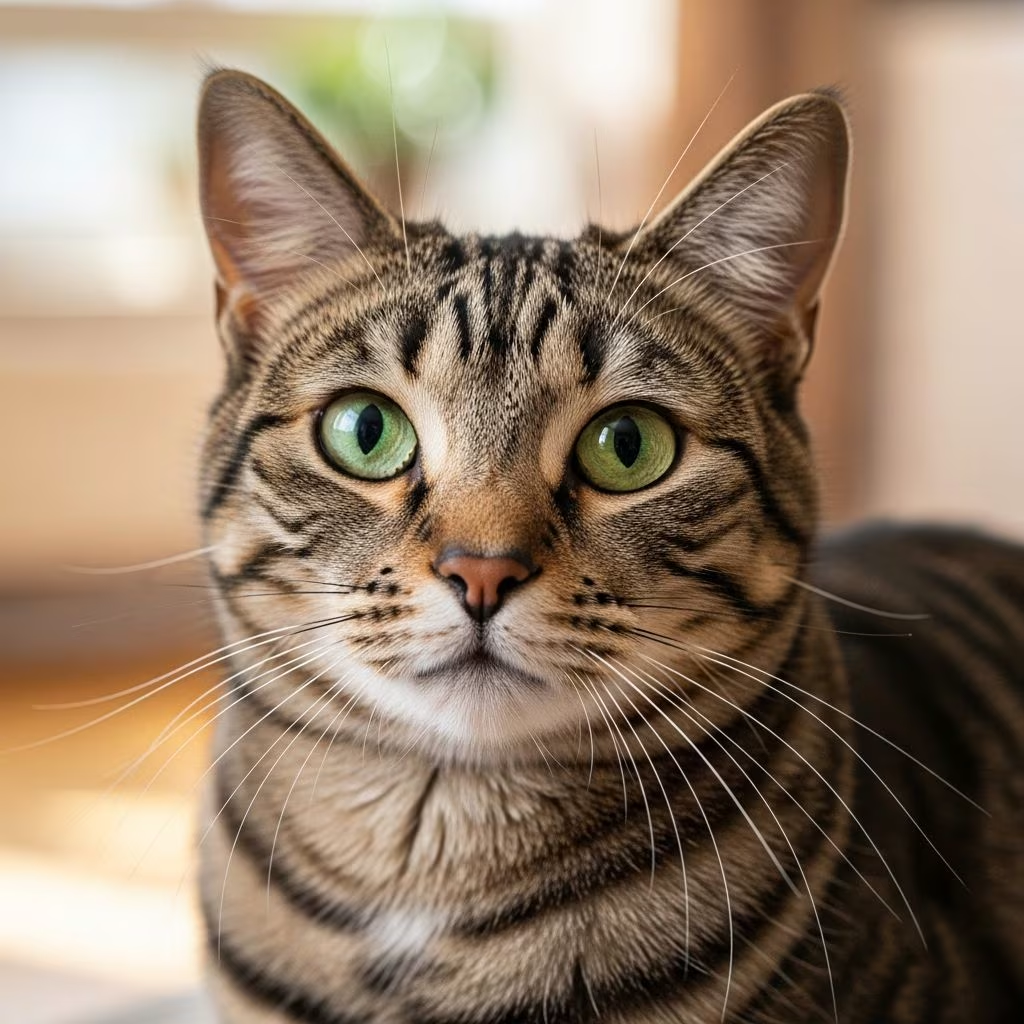
The European Shorthair stands out as a timeless feline companion, embodying the essence of the classic domestic cat with a refined pedigree. Known for their sturdy frames and versatile personalities, these cats trace their roots to Europe’s working felines, evolving into a recognized breed prized for resilience and charm.
Origins and Historical Role
Emerging from the hardy street cats of continental Europe, the European Shorthair developed naturally over centuries as efficient rodent controllers in farms, barns, and urban settings. Roman legions reportedly carried their ancestors across Europe, aiding in pest control during travels and settlements. By the 20th century, breeders formalized the breed through selective programs in Sweden and other nations, standardizing traits while preserving their robust health.
Unlike imported exotics, these cats represent the pinnacle of local adaptation, thriving in varied climates from Scandinavia to the Mediterranean. Their history underscores a legacy of utility, where survival instincts honed their physique for hunting prowess and endurance.
Physical Characteristics and Build
European Shorthairs boast a medium-to-large stature, with males typically weighing 11-15 pounds and females 9-13 pounds. Standing 9-11 inches tall at the shoulder, their bodies measure 31-39 inches in length, featuring a muscular, rectangular torso with a broad chest and solid legs.
Their heads are large and slightly rounded, with prominent cheeks, straight profiles, and medium ears that taper to rounded tips, occasionally tufted. Eyes, set moderately apart, range from vivid green to deep amber, with blue or odd-eyed variations possible.
| Trait | Description | Range |
|---|---|---|
| Weight | Males / Females | 11-15 lb / 9-13 lb |
| Height | Shoulder | 9-11 inches |
| Length | Body | 31-39 inches |
| Lifespan | Average | 15-20 years |
Coat Varieties and Colors
The hallmark short, dense coat lies close to the body, offering a glossy sheen with minimal undercoat for low shedding. Colors span solids like black, white, and red; tabby patterns; and tortie or calico mixes. Excluded from standards are pointed, sepia, mink patterns, or dilute shades like chocolate, lilac, cinnamon, and fawn. This versatility allows for striking visuals, from classic tabbies to bi-colors.
Temperament and Behavioral Traits
Balancing independence with affection, European Shorthairs form deep bonds with family members while maintaining a reserved demeanor toward strangers. They excel in multi-pet homes, coexisting harmoniously with dogs and non-dominant cats, provided introductions are gradual. Their playful spirit persists lifelong, mimicking kitten-like antics through interactive toys and puzzles.
- Loyal and Adaptable: Quickly adjust to new homes, children, or seniors, making them versatile companions.
- Hunter Instincts: Natural mousers; keep small pets like rodents separate to avoid pursuit.
- Social yet Shy: Outgoing with familiars but may hide initially from visitors; early socialization boosts confidence.
- Intelligent: Thrive on mental stimulation via food dispensers and climbing structures.
Though loving lap cats at heart, they favor activity over constant cuddles, often napping post-play sessions on warm laps or perches.
Health and Wellness Overview
Renowned for vigor, European Shorthairs suffer few breed-specific ailments, boasting lifespans of 15-20 years with proper care. Their genetic diversity from natural origins minimizes hereditary issues common in more inbred lines.
Potential concerns include obesity from overfeeding and inactivity, urinary problems in males, and occasional dental buildup. Regular vet checkups, balanced diet, and exercise mitigate these. No major genetic conditions tightly link to the breed, affirming their hardy constitution.
Common Health Tips
- Monitor weight with portion-controlled, high-quality food tailored to activity levels.
- Schedule annual dental cleanings and daily tooth brushing.
- Encourage play to prevent sedentary habits and support muscle tone.
Grooming and Daily Maintenance
Low-maintenance coats require weekly brushing to distribute oils and reduce loose fur, though diligent self-groomers keep themselves pristine. Bathing proves rare, as they disdain water.
Nail trims every 2-3 weeks, ear checks for wax, and litter box hygiene round out routines. Their short fur suits apartments, though outdoor access via secure enclosures indulges exploratory urges safely.
Training and Enrichment Strategies
Highly trainable due to sharp minds, European Shorthairs respond to clicker methods for litter training, leash walking, and tricks. Daily 15-20 minute sessions with wand toys or laser pointers channel hunting drives constructively.
Vertical spaces like cat trees and window perches satisfy climbing needs, while puzzle feeders combat boredom and promote problem-solving. Boredom risks include furniture scratching or vocalizing, averted through routine engagement.
Ideal Living Environments
Thriving indoors or with supervised outdoor time, they adapt to apartments if provided enrichment but prefer space for prowling. Families with kids, respectful dogs, or fellow cats find them ideal, though small prey animals require separation.
For urban dwellers, catios or harness training enable safe nature exploration without wildlife risks.
Nutrition and Feeding Guidelines
Caloric needs vary by age, activity, and neuter status: active adults require 250-350 calories daily. Prioritize protein-rich kibble or wet food supporting urinary health and lean mass.
Free-feeding suits their self-regulating appetites, but obesity-prone individuals benefit from scheduled meals. Fresh water and occasional treats maintain vitality.
Frequently Asked Questions
Are European Shorthairs good with children?
Yes, their patient, gentle nature suits kids of all ages, though supervision prevents rough play.
Do they shed a lot?
Minimal shedding occurs due to dense, short coats; weekly brushing suffices.
Can they live happily indoors only?
Absolutely, with ample toys and perches mimicking outdoor stimulation.
Are they vocal cats?
Moderately so; they communicate needs without excessive meowing.
How do I adopt one?
Seek breeders via FIFe affiliates or rescues; DNA tests confirm purebred traits.
Why Choose a European Shorthair?
This breed offers the best of domestic cats: durability, affection, and low fuss. Their blend of playfulness, loyalty, and hunting heritage creates enduring bonds, suiting diverse lifestyles from bustling families to quiet retirees.
References
- European Shorthair Facts – Wisdom Panel™ Cat Breeds — Wisdom Panel. Accessed 2026. https://www.wisdompanel.com/en-us/cat-breeds/european-shorthair
- Who Is the European Shorthair? Fascinating Facts — Cat in a Flat. Accessed 2026. https://catinaflat.com/blog/who-is-the-european-shorthair-cat-breed
- The European Shorthair Cat Breed — Hill’s Pet Nutrition. Accessed 2026. https://www.hillspet.com/cat-care/cat-breeds/european-shorthair
- European Shorthair Cat Breed Information — Basepaws. Accessed 2026. https://basepaws.com/cat-breeds/european-shorthair
- European Shorthair Cat Breed: Size, Appearance & Personality — Cats.com. Accessed 2026. https://cats.com/cat-breeds/european-shorthair
- European Shorthair Cat Breed Health and Care — PetMD. Accessed 2026. https://www.petmd.com/cat/breeds/european-shorthair



