

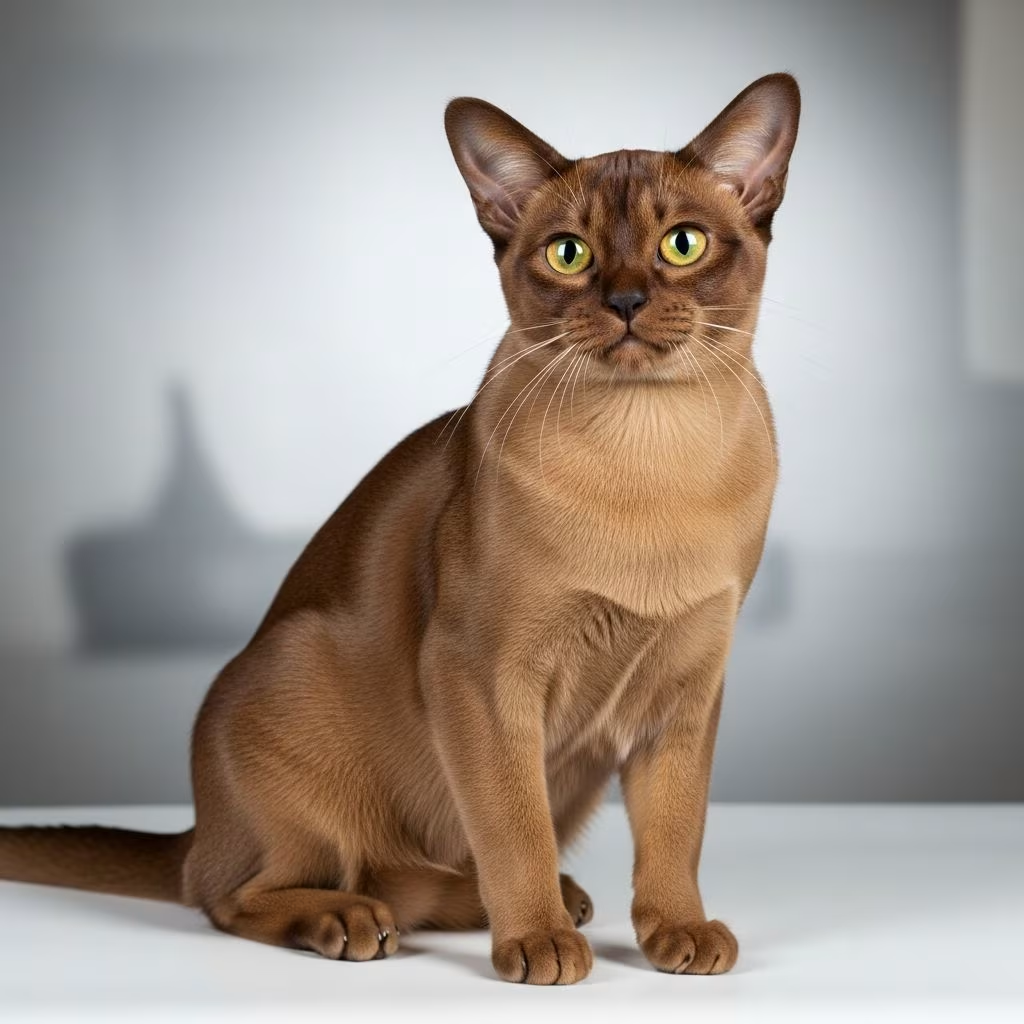
The European Burmese cat stands out as a captivating companion, combining refined elegance with a deeply affectionate demeanor. This breed, distinct from its American counterpart, offers a unique mix of physical grace and engaging personality that appeals to cat enthusiasts worldwide.
Origins and Development of the Breed
Emerging in Europe during the mid-20th century, the European Burmese traces its roots to selective breeding programs aimed at refining the Burmese type. Breeders crossed Burmese cats with Siamese lines to introduce a broader palette of colors and a sleeker build. Unlike the more robust American Burmese, the European variant developed a moderate, athletic frame suited to diverse living environments.
By the 1950s, European breeders standardized the look, emphasizing solid colors like brown, blue, chocolate, and lilac, alongside tortie variations. Recognition came from major registries such as the Cat Fanciers’ Federation (CFF) and others, where it’s often listed as Foreign Burmese. This evolution preserved the breed’s sociable traits while enhancing its visual appeal.
Distinctive Physical Characteristics
European Burmese cats possess a medium-sized body that belies its muscular strength, often described as sturdy yet agile. Weighing between 8 to 12 pounds for adults, they appear heavier due to dense bone structure and well-developed musculature, earning nicknames like “bricks wrapped in silk”.
Their short, glossy coat lies close to the body, requiring little upkeep while showcasing a spectrum of hues. Recognized colors include:
- Brown: Deep, warm mahogany tones.
- Chocolate: Rich, milk-chocolate shades.
- Blue: Soft dove-gray with subtle undertones.
- Lilac: Pale, frosty pinkish-gray.
- Red, cream, and tortie variants for added variety.
Standout features include large, almond-shaped eyes in amber or golden hues that convey endless curiosity. The head forms a gentle wedge, with rounded ears and a straight profile, contributing to an overall harmonious silhouette.
| Feature | Description | Comparison to American Burmese |
|---|---|---|
| Body Build | Moderate, muscular, elegant | Sleeker than stockier American type |
| Head Shape | Wedge-shaped, longer muzzle | Less rounded than American |
| Eye Shape | Almond, slanted | More rounded in American |
| Coat Colors | 10 solid and tortie shades | Limited to 4 primary shades |
Temperament and Behavioral Traits
Renowned for extroverted personalities, European Burmese cats thrive on human interaction, often shadowing their owners throughout the day. Their playful energy persists into adulthood, mimicking kitten-like antics with toys and exploration.
Intelligence shines through in their ability to learn tricks, navigate puzzles, and even open cabinets—a testament to their cleverness that demands mental stimulation. Vocal yet not overly demanding, they communicate with soft rumbles or trills, seeking companionship rather than solitude.
Sociable by nature, they integrate seamlessly with children, other pets, and guests, making them ideal for busy households. However, their trustful demeanor means they fare best indoors to avoid outdoor risks.
- Affectionate: Craves laps and cuddles.
- Playful: High energy for games and chases.
- Social: Welcomes family and friends.
- Intelligent: Trainable and adaptable.
Care and Grooming Essentials
Low-maintenance grooming suits the European Burmese perfectly. A weekly brush with a soft tool removes loose hairs and distributes natural oils, keeping the coat glossy. Bathing is rare, as they self-groom efficiently.
Activity levels range from moderate to high, so provide climbing trees, interactive toys, and daily play sessions to prevent boredom. A balanced diet supports their muscular build, with portion control to maintain ideal weight.
Nail trims every 10-14 days, dental care via brushing or treats, and annual vet checkups round out routine care. They adapt to apartments or homes but need space for vertical exploration.
Health Considerations and Longevity
Robust genetics contribute to a lifespan of 12-16 years or more. Common concerns include:
- Hypertrophic cardiomyopathy: Monitor heart health via ultrasounds.
- Dental issues: Regular cleanings advised.
- Obesity risk: Due to hearty appetites.
Reputable breeders screen for genetic conditions, ensuring healthier kittens. Spaying/neutering, vaccinations, and parasite prevention bolster well-being.
Ideal Living Environments
Versatile adapters, European Burmese flourish in varied settings—from small apartments to large families—as long as interaction abounds. They prefer calm yet engaging atmospheres, tolerating brief absences but disliking prolonged solitude.
Pair them with patient children or calm dogs for harmonious multi-pet homes. First-time owners appreciate their forgiving nature and low fuss.
Bringing Home a European Burmese
Select ethical breeders affiliated with registries like GCCF or CFA affiliates, prioritizing health testing. Kittens thrive post-12 weeks, with initial setups including scratching posts, litter boxes, and safe zones.
Socialization from young ages enhances their outgoing traits. Adoption from rescues offers mature companions already vetted for temperament.
Frequently Asked Questions (FAQs)
Are European Burmese cats good with kids?
Yes, their gentle, patient nature makes them excellent family pets, enjoying play without aggression.
How much exercise do they need?
Daily interactive sessions of 20-30 minutes suffice, supplemented by toys and climbers.
Do they shed a lot?
Minimal shedding occurs; weekly brushing manages it effectively.
What’s the difference from American Burmese?
European types are slimmer, with more colors and a wedge head versus the American’s rounder, stockier profile.
Are they vocal cats?
Moderately so, using trills and meows to engage rather than yowl incessantly.
Why Choose an European Burmese?
This breed delivers joy through beauty, brains, and boundless affection. Their adaptability and zest for life transform homes into lively havens.
References
- The European Burmese Cat: Striking Looks, Charming Personality — Purebred Kitties. 2023. https://purebredkitties.com/blogs/european-burmese-cat/the-european-burmese-cat-striking-looks-charming-personality
- Burmese Cat Breed Information — Purina UK. 2024. https://www.purina.co.uk/find-a-pet/cat-breeds/burmese
- European-Burmese Page — Breedlist.com. 2023. https://www.breedlist.com/index.cfm?Page=European-Burmese
- 11 Facts You Probably Didn’t Know About the Burmese Cat — Rover.com. 2023. https://www.rover.com/blog/burmese-cat/
- The Rare European Burmese: A Study in Solid Strength and Loving Personality — Plato Pet Treats. 2024. https://platopettreats.com/blogs/blog/the-rare-european-burmese-a-study-in-solid-strength-and-loving-personality



