

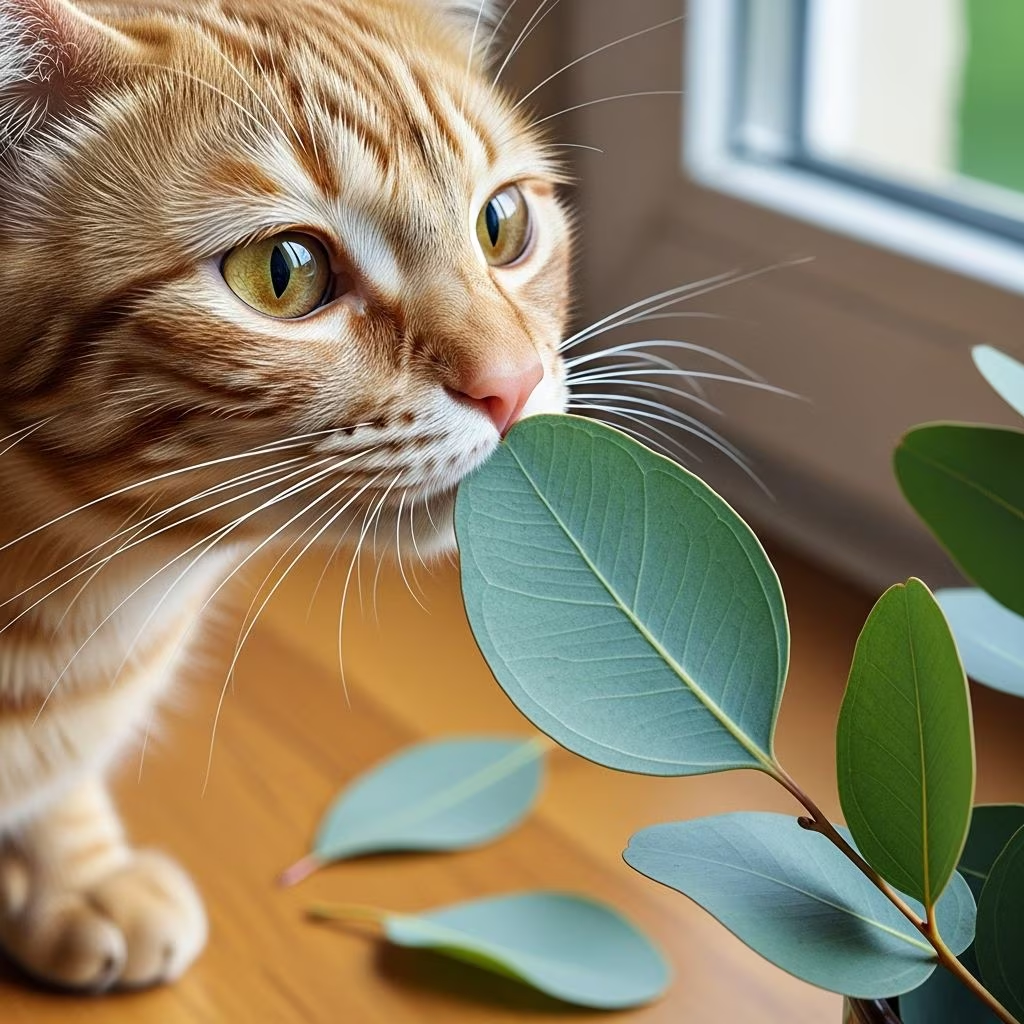
Feline companions face unique vulnerabilities due to their limited metabolic capabilities, making certain plants and extracts particularly hazardous. Eucalyptus, prized for its aromatic qualities and air-purifying properties, contains compounds that cats struggle to process, leading to potential poisoning from even modest exposure. This comprehensive guide explores the science behind eucalyptus dangers for cats, outlines clinical manifestations, and provides actionable strategies for prevention and response.
The Biological Basis of Eucalyptus Danger to Cats
Cats possess a deficient liver enzyme called glucuronyl transferase, which impairs their ability to break down and excrete phenolic compounds and terpenes abundant in eucalyptus. The primary culprit, eucalyptol (also known as 1,8-cineole), accumulates in their system, triggering toxicity. While plants release these in lower concentrations, essential oils concentrate them dramatically—up to 10 times more potent—amplifying risks through inhalation, ingestion, or dermal absorption.
Research on rodents reveals acute oral LD50 values for eucalyptus oil around 3,811 mg/kg in rats, with symptoms including slowed movement and organ stress at high doses. Though feline-specific data is scarcer, extrapolations confirm cats’ heightened sensitivity, where small inhaled amounts suffice for adverse effects.
Forms of Eucalyptus Exposure and Their Severity
Eucalyptus hazards manifest differently based on form:
- Fresh or Dried Leaves: Mildly toxic; cats rarely consume enough for lethality (estimated 70 leaves per 2 lbs body weight), but gastrointestinal upset is common.
- Essential Oils: Highly concentrated; diffusion disperses airborne particles cats readily inhale, bypassing digestion for rapid systemic entry.
- Burned Leaves or Steam: Releases volatile oils into the air, mimicking diffuser risks.
- Topical Applications: Skin absorption occurs swiftly, especially if oils contact fur or paws during grooming.
| Exposure Type | Toxicity Level | Common Sources |
|---|---|---|
| Plant Material | Low to Moderate | Indoor pots, holiday decor |
| Essential Oil (Diffused) | High | Diffusers, humidifiers |
| Burned Leaves | Moderate to High | Incense, showers |
| Direct Application | Very High | Cleaning products, balms |
Recognizing Signs of Eucalyptus Poisoning
Early detection hinges on prompt symptom identification. Initial reactions often appear within 30-60 minutes:
- Excessive drooling as the mouth expels irritants.
- Unsteady gait or wobbliness (ataxia).
Progressing gastrointestinal distress follows, including vomiting and diarrhea, as the body purges toxins. In severe cases, neurological involvement emerges: tremors, low heart rate, respiratory difficulty, hypothermia, and seizures. Liver damage may ensue, manifesting as jaundice or lethargy. Unlike dogs, cats show amplified responses due to metabolic constraints.
Monitor for these escalating phases:
- Mild: Salivation, mild vomiting (1-2 episodes).
- Moderate: Persistent diarrhea, ataxia, reduced appetite.
- Severe: Seizures, collapse, coma—immediate veterinary intervention required.
High-Risk Scenarios in Cat Households
Diffusers and Air Fresheners
Ultrasonic diffusers aerosolize oils into microscopic particles cats inhale effortlessly. Even room separation fails; vapors permeate via HVAC systems. Pet Poison Helpline warns against all concentrated oils like eucalyptus, cinnamon, and tea tree for felines.
Bathroom Rituals and Spa Trends
Hanging eucalyptus bundles in showers steams oils into the air, creating a toxic mist. Cats lounging nearby or entering post-shower face inhalation risks comparable to direct exposure.
Outdoor Plants and Landscaping
Garden eucalyptus trees drop leaves cats may nibble curiously, especially kittens. While less potent, cumulative grazing poses threats.
Emergency Response Protocols
If exposure is suspected:
- Remove the cat from the contaminated area immediately.
- Do not induce vomiting without veterinary guidance—oils can aspirate into lungs.
- Contact a vet or pet poison hotline; provide details on exposure amount, form, and timing.
- Observe closely; transport if symptoms worsen.
Treatment typically involves activated charcoal for adsorption, IV fluids for hydration, anti-emetics for nausea, and monitoring for organ function. Prognosis excels with early action; delays risk permanent neurological harm.
Prevention Strategies for Cat-Safe Homes
Proactive measures eliminate risks:
- Ban Eucalyptus Entirely: Opt for cat-safe alternatives like spider plants or catnip.
- Essential Oil Substitutes: Use pet-friendly diffusions such as lavender (diluted, sparingly) or hydrosols.
- Home Placement: Keep plants elevated or outdoors, beyond jumping reach.
- Cleaning Swaps: Choose vinegar-based or enzyme cleaners over aromatic oils.
For aroma enthusiasts, consider these safe options:
| Safe Alternative | Benefits | Usage Notes |
|---|---|---|
| Chamomile Hydrosol | Calming, gentle scent | Spray diluted; avoid direct contact |
| Lavender (Very Dilute) | Relaxing aroma | 1-2% dilution max; test small areas |
| Citronella (Plants Only) | Repels insects | No oils; outdoor use preferred |
Debunking Eucalyptus Myths Around Cats
Myth 1: Cats Avoid Strong Scents Naturally. While many shun eucalyptus aroma, playful or curious cats may investigate, overriding instincts.
Myth 2: Small Amounts Are Harmless. Airborne oils require no ingestion for toxicity; inhalation alone triggers symptoms.
Myth 3: Diffusion in Another Room Is Safe. Volatile compounds travel through air currents, reaching cats anywhere in the home.
Broader Context: Essential Oils and Feline Health
Eucalyptus joins a rogue’s gallery of oils toxic to cats: peppermint, cinnamon, tea tree, and citrus variants. All share terpene profiles felines poorly metabolize, leading to similar symptom clusters. Veterinary toxicology emphasizes avoiding diffusers outright in multi-pet homes.
Research nuances exist; some studies note eucalyptus’s protective effects against certain toxins in rats, but these involve controlled external applications, not inhalation or feline physiology.
Frequently Asked Questions
Is eucalyptus safe as a cut branch in vases?
No—droplets condense oils releasable upon brushing or chewing. Discard promptly.
Can a single whiff harm my cat?
Isolated brief exposure rarely causes severe issues, but repeated or prolonged sniffing risks accumulation.
What if my cat licked eucalyptus oil off my skin?
Rush to a vet; dermal transfer leads to rapid absorption and grooming ingestion.
Are there hypoallergenic eucalyptus varieties for cats?
No variety is safe; all contain problematic eucalyptol levels.
How long do symptoms persist post-exposure?
Mild cases resolve in 24-48 hours with care; severe ones require hospitalization.
Long-Term Wellness Tips for Curious Cats
Beyond eucalyptus, audit your environment for toxins: lilies, philodendrons, and household cleaners top lists. Enrich spaces with scratching posts and toys to curb plant-chewing. Regular vet checkups catch sensitivities early. Informed guardianship ensures your cat thrives toxin-free.
References
- Is Eucalyptus Poisonous to Cats? Vet-Verified Facts, Risks & Safety — Catster. 2023. https://www.catster.com/cat-health-care/is-eucalyptus-poisonous-to-cats/
- Acute and subchronic toxicity as well as evaluation of safety of eucalyptus oil emulsion — PMC (PubMed Central). 2015-02-13. https://pmc.ncbi.nlm.nih.gov/articles/PMC4307427/
- Essential Oils and Cats — Pet Poison Helpline. Accessed 2026. https://www.petpoisonhelpline.com/uncategorized/essential-oils-cats/
- The Science behind Cats and Essential Oils — McConnellsburg Veterinary Clinic. Accessed 2026. http://www.mcconnellsburgvet.com/the-science-behind-cats-and-essential-oils
- Toxicoses From Essential Oils in Animals — MSD Veterinary Manual. Accessed 2026. http://www.msdvetmanual.com/toxicology/toxicoses-from-household-hazards/toxicoses-from-essential-oils-in-animals



