

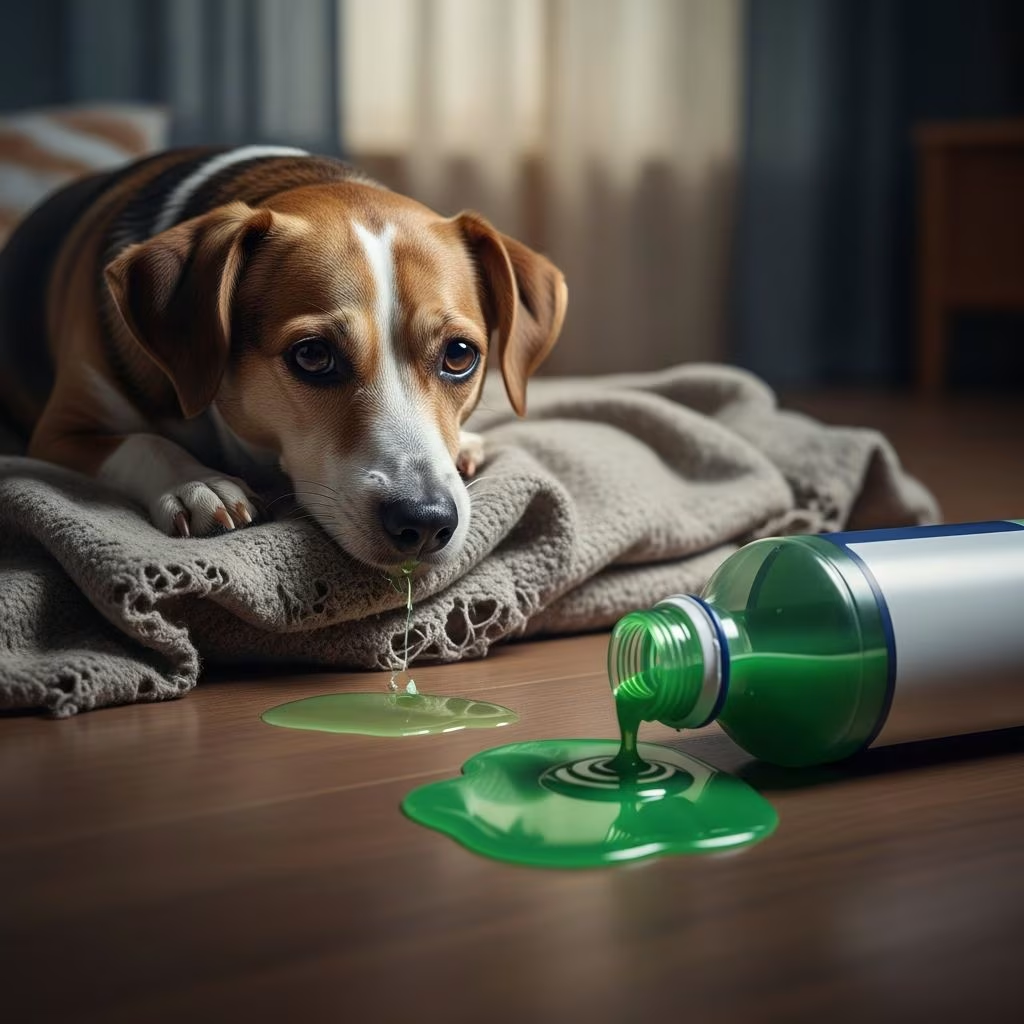
Ethylene glycol, a common ingredient in antifreeze and various household products, represents one of the most perilous toxins for companion animals and livestock. Its sweet taste attracts curious pets, leading to rapid ingestion and potentially fatal outcomes if not addressed promptly. This article explores the mechanisms of toxicity, species-specific vulnerabilities, progression of symptoms, diagnostic approaches, therapeutic strategies, and preventive measures to safeguard animals from this insidious threat.
What Makes Ethylene Glycol So Dangerous?
Found primarily in automotive antifreeze at concentrations up to 95%, ethylene glycol is diluted for use but remains highly potent even in small volumes. When ingested, it initially behaves like alcohol, causing intoxication-like effects, but its real danger lies in its liver metabolism into toxic compounds such as glycolic acid and oxalic acid. These metabolites trigger severe metabolic disturbances and precipitate calcium oxalate crystals in the kidneys, leading to acute renal failure.
The substance’s appeal to animals stems from its deceptive sweetness, prompting dogs, cats, and even wildlife to lap up spills from driveways or garages. Even diluted radiator fluid can deliver a lethal dose, with undiluted thresholds as low as 1.4 mL/kg in cats and 4.4-6.6 mL/kg in dogs.
Toxicity Across Different Species
All animals face risk, but dogs and cats encounter it most frequently due to their proximity to human environments. Livestock like cattle and pigs, as well as poultry, show varying susceptibility.
- Dogs: Minimum lethal dose around 4.4-6.6 mL/kg; highly prone due to exploratory behavior.
- Cats: More sensitive at 1.4 mL/kg; grooming habits may increase exposure.
- Cattle: 2-10 mL/kg; often from contaminated water sources.
- Poultry: 7-8 mL/kg; results in respiratory distress and neurological issues.
- Pigs: Develop abdominal swelling and pulmonary complications.
Younger animals exhibit heightened vulnerability, likely due to immature metabolic pathways.
Phases of Clinical Progression
Poisoning unfolds in distinct stages, each tied to the parent compound or its metabolites. Recognizing these timelines is crucial for timely intervention.
Initial Intoxication Phase (0-12 Hours)
Within 30 minutes to 12 hours, unmetabolized ethylene glycol mimics drunkenness. Animals display ataxia, depression, vomiting, excessive thirst and urination, and coordination loss like knuckling or stumbling.
Cardiopulmonary Phase (12-24 Hours in Cats, 12-72 Hours in Dogs)
A deceptive recovery may occur, masking brewing damage. Metabolic acidosis from metabolites causes tachycardia, rapid breathing, dehydration, and renewed lethargy. Cats progress faster to this stage.
Renal Failure Phase (24-72 Hours)
The hallmark is oliguric or anuric kidney failure. Signs include painful, enlarged kidneys, anorexia, persistent vomiting, oral ulcers, seizures, coma, and death. Calcium oxalate crystals form in renal tubules, confirming irreversible harm.
| Phase | Time Post-Ingestion | Key Symptoms | Species Notes |
|---|---|---|---|
| Intoxication | 0-12 hours | Ataxia, vomiting, polydipsia | Dogs/cats similar to alcohol effects |
| Cardiopulmonary | 12-72 hours | Tachypnea, dehydration, weakness | Cats faster onset |
| Renal | 24-72 hours | Anuria, seizures, coma | Poultry: dyspnea, ruffled feathers |
Species variations include pigs with pulmonary edema and abdominal distension, and poultry showing watery feces and torticollis.
Diagnostic Tools and Indicators
Rapid diagnosis hinges on history, clinical signs, and lab findings. Blood and urine tests reveal metabolic acidosis, elevated anion and osmol gaps within 3 hours, hyperosmolality, and crystalluria by 3-6 hours.
- Urinalysis: Acidic pH, calcium oxalate crystals (birefringent under polarized light), proteinuria, hematuria.
- Bloodwork: Azotemia, hyperphosphatemia, hypocalcemia, neutrophilia.
- Special Tests: Quantitative serum ethylene glycol levels (ideal <3 hours), plasma oxalate (8-36 hours), Woods lamp for fluorescence in urine/vomit if fluorescein-added antifreeze present.
Point-of-care oxalate tests aid prognosis; levels above 0.25 mg/dL signal worsening outcomes. Delays in specialty lab access underscore the need for presumptive treatment.
Emergency Treatment Protocols
Prognosis improves dramatically with intervention within 8-12 hours. Success drops sharply post-24 hours due to crystal formation.
- Decontamination: Induce vomiting or gastric lavage if within 1-2 hours; activated charcoal minimally effective.
- Antidote: Fomepizole (preferred) inhibits alcohol dehydrogenase, preventing metabolite formation. Ethanol infusion as alternative.
- Supportive Care: IV fluids for diuresis, bicarbonate for acidosis, diuretics, monitoring electrolytes.
- Advanced:
Hemodialysis for severe cases removes toxins and supports kidneys.
Table of Treatment Windows:
| Time Window | Primary Action | Expected Outcome |
|---|---|---|
| <8 hours | Antidote + fluids | Excellent prognosis |
| 8-24 hours | Intensive support | Guarded |
| >24 hours | Dialysis if available | Poor |
Pathological Changes and Necropsy Findings
Gross lesions feature renal tubular necrosis with intraluminal crystals, pulmonary edema, and hemorrhagic guts in dogs/cats. Pigs show perirenal edema; poultry often lack visible changes.
Prevention Strategies for Pet Owners
Proactive steps avert tragedy:
- Store antifreeze securely; use pet-safe propylene glycol alternatives.
- Clean spills immediately with absorbent materials.
- Park vehicles to avoid leaks on accessible surfaces.
- Educate on winter hazards; check heating systems.
- Install bittering agents if available in antifreeze products.
Winter months amplify risks as antifreeze use peaks.
FAQs on Ethylene Glycol Toxicity
What should I do if I suspect antifreeze ingestion?
Rush to a vet immediately—do not wait for symptoms to worsen. Provide details on amount and time.
Can cats recover from this poisoning?
Yes, with prompt antidote and dialysis, but cats’ lower threshold demands urgency.
Is all antifreeze equally toxic?
Most contain ethylene glycol; verify labels and opt for safer options.
How do I identify poisoning at home?
Look for drunken gait, sweet-smelling breath, or fluorescent urine under Woods lamp.
What’s the survival rate?
High (80-90%) if treated early; falls to under 20% post-renal phase.
Recent Advances in Management
Point-of-care oxalate assays and faster fomepizole availability enhance outcomes. Research emphasizes early osmole gap testing.
References
- Ethylene Glycol Toxicosis in Animals — Merck Veterinary Manual. 2023. https://www.merckvetmanual.com/toxicology/ethylene-glycol-toxicosis/ethylene-glycol-toxicosis-in-animals
- Ethylene Glycol — American College of Veterinary Pharmacists. 2024. https://vetmeds.org/pet-poison-control-list/ethylene-glycol/
- Ethylene Glycol Poisoning in Dogs — VCA Animal Hospitals. 2023. https://vcacanada.com/know-your-pet/ethylene-glycol
- Clinicopathologic findings in dogs and cats with ethylene glycol intoxication — PubMed (PubMed Central/NIH). 1984-02. https://pubmed.ncbi.nlm.nih.gov/6698834/
- Managing ethylene glycol toxicity (Proceedings) — dvm360. 2022. https://www.dvm360.com/view/managing-ethylene-glycol-toxicity-proceedings
- Antifreeze Poisoning in Dogs — PetMD. 2024. https://www.petmd.com/dog/emergency/poisoning-toxicity/antifreeze-poisoning-dogs



