

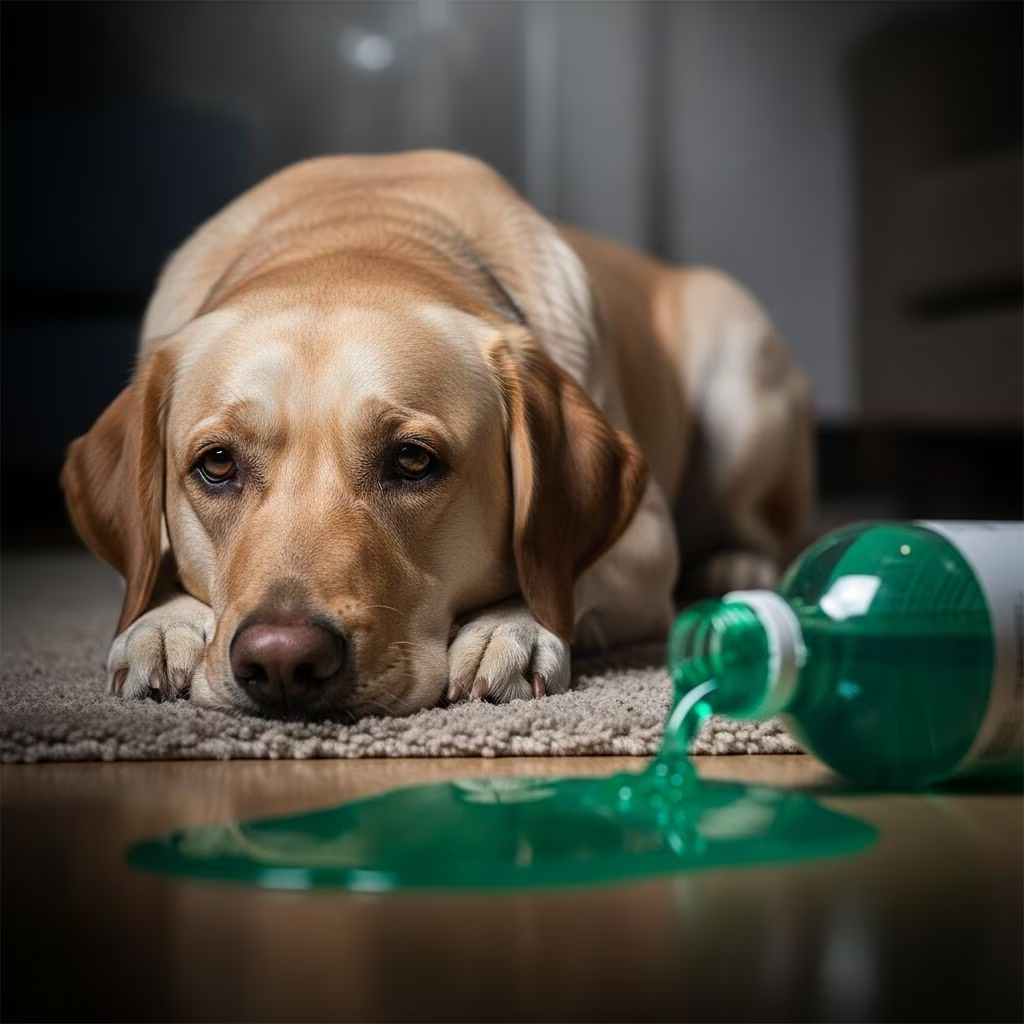
Understanding Ethylene Glycol Poisoning in Dogs
Ethylene glycol poisoning is one of the most serious toxicological emergencies in veterinary medicine, affecting thousands of dogs each year. This toxic substance, commonly found in antifreeze and other automotive products, is highly dangerous and can be fatal if not treated immediately. Dogs are particularly susceptible to ethylene glycol poisoning because the substance has a sweet taste that attracts them, and they lack the ability to metabolize it efficiently. Understanding the symptoms, progression, and emergency treatment of this condition is essential for any dog owner who wants to protect their pet from this life-threatening poisoning.
What is Ethylene Glycol?
Ethylene glycol is a colorless, odorless liquid with a sweet taste that is widely used in automotive antifreeze products. It is also found in some de-icing solutions, paint thinners, and brake fluids. The primary reason dogs are at risk is that they find the sweet taste appealing, and even small quantities can cause severe toxicity. Once ingested, ethylene glycol is rapidly absorbed into the bloodstream and metabolized by the liver into toxic compounds that damage multiple organ systems, particularly the kidneys. The speed at which these metabolic changes occur makes immediate treatment absolutely critical for survival.
The Three Stages of Ethylene Glycol Poisoning
Ethylene glycol poisoning progresses through three distinct stages, each with characteristic symptoms and timeframes. Understanding these stages helps veterinarians and pet owners recognize the severity of the condition and act quickly.
Stage 1: Initial Symptoms (Within 30 Minutes to 12 Hours)
The first stage begins almost immediately after ingestion and can last up to 12 hours. During this critical window, dogs typically exhibit neurological symptoms that mimic alcohol intoxication:
- Lethargy and depression
- Vomiting, sometimes accompanied by diarrhea
- Incoordination and loss of balance (ataxia)
- Weakness and inability to stand properly
- Excessive urination and increased thirst
- Rapid heart rate and breathing difficulties
- Hypothermia (abnormally low body temperature)
- Seizures or coma in severe cases
Many pet owners mistakenly believe their dog has consumed alcohol during this stage because the symptoms are remarkably similar. The key distinguishing feature is that these symptoms can appear without any obvious cause, and the dog may have had access to a puddle of antifreeze or leaking automotive fluid.
Stage 2: False Recovery (12 to 24 Hours After Ingestion)
Perhaps the most deceptive stage of ethylene glycol poisoning is Stage 2, during which many pet owners develop a dangerously false sense of security. During this period, which typically occurs 12 to 24 hours after ingestion, the dog’s visible symptoms appear to improve dramatically. The vomiting may stop, the dog becomes more alert, and overall behavior seems to return closer to normal. However, this apparent recovery is misleading and masks critical internal damage occurring in the body.
Behind the scenes during Stage 2, serious physiological changes are taking place. The dog becomes severely dehydrated despite appearing more normal. The heart rate and breathing rate remain elevated. Metabolic acidosis develops as the toxic metabolites of ethylene glycol continue to accumulate in the bloodstream. The kidneys are beginning to experience damage, though this damage is not yet reflected in obvious clinical signs. This is precisely why owners who notice their dog seeming to recover after initial symptoms must still seek immediate veterinary attention rather than wait to see if the problem resolves on its own.
Stage 3: Kidney Failure and Systemic Collapse (36 to 72 Hours After Ingestion)
By Stage 3, if the dog has not received treatment, severe kidney dysfunction becomes apparent and the condition becomes life-threatening. This stage typically develops 36 to 72 hours after the initial ingestion, though the timeline can vary depending on the amount of ethylene glycol consumed and individual metabolic factors.
Signs of Stage 3 include:
- Swollen, painful kidneys
- Minimal to no urine production
- Progressive depression and lethargy
- Complete loss of appetite
- Persistent vomiting
- Seizures and potential coma
- Death if left untreated
At this point, the kidneys have usually suffered irreversible damage, and even with aggressive medical intervention including dialysis, recovery is uncertain. Many dogs that reach Stage 3 do not survive, and those that do may suffer from permanent kidney damage requiring long-term management or even eventual kidney transplantation.
Critical Timeline: Why Speed Matters
The effectiveness of treatment depends almost entirely on how quickly the dog receives veterinary care after ingestion. The antidote medications are only effective within a narrow window of time. For dogs, the most commonly used antidote, fomepizole, is effective only if administered within 8 to 12 hours of ingestion. After this window closes, the antidote becomes ineffective because the ethylene glycol has already been metabolized into its most toxic forms.
This critical timing is why veterinarians strongly recommend that if you suspect your dog has ingested ethylene glycol, you should seek emergency veterinary care immediately, even if your dog is not yet showing symptoms. Do not wait to see if symptoms develop. Early treatment can be the difference between life and death.
Emergency Response and Treatment
If you suspect your dog has ingested ethylene glycol, immediate action is required. First, contact your veterinarian or an emergency veterinary clinic right away. The Pet Poison Helpline is also available 24/7 at 1-800-213-6680 and can provide life-saving guidance while you arrange emergency veterinary care.
Decontamination
If your dog has ethylene glycol on its fur or paws, wash the affected areas thoroughly with soap and water to prevent further absorption through the skin and to prevent the dog from ingesting more toxin while grooming itself.
Gastric Decontamination
Within the first few hours of ingestion, your veterinarian may induce vomiting to remove unabsorbed ethylene glycol from the stomach. Activated charcoal may also be administered to bind any remaining toxin in the intestines and prevent further absorption. However, since ethylene glycol is absorbed very rapidly from the stomach, these methods are often of limited benefit if much time has passed since ingestion.
Antidote Administration
The primary treatment for ethylene glycol poisoning is the administration of specific antidote medications. Two antidotes are available: fomepizole and ethanol. Fomepizole is the preferred antidote because it works by inhibiting the enzyme that metabolizes ethylene glycol into its toxic compounds. Ethanol works through a similar mechanism but is less specific and can have more side effects.
These antidotes work best when administered before significant kidney damage has developed, which is why the 8 to 12-hour window from ingestion is so critical. If the antidote is given within this window and before clinical signs develop, the prognosis is generally good.
Supportive Care
Alongside antidote therapy, dogs with ethylene glycol poisoning require intensive supportive care:
- Intravenous fluid therapy to maintain hydration and support kidney function
- Medications to reduce nausea and vomiting
- Correction of electrolyte imbalances
- Monitoring of blood pH and acid-base balance
- Regular assessment of kidney function through blood and urine testing
- Dialysis in severe cases to remove toxins and support failing kidneys
Prognosis and Recovery
The prognosis for ethylene glycol poisoning depends significantly on how quickly treatment is initiated and the extent of kidney damage at the time of treatment. If treatment begins within the first 8 to 12 hours after ingestion and before kidney failure develops, dogs have a reasonably good chance of recovery with minimal long-term effects. However, prognosis declines sharply once kidney damage has occurred.
For dogs that do survive ethylene glycol poisoning, recovery may involve weeks to months of intensive care, particularly if kidney damage has occurred. Some dogs recover completely, while others are left with varying degrees of permanent kidney damage that may require lifelong management and dietary modifications. In the most severe cases where kidney function cannot be restored, kidney transplantation may be considered as a last resort option.
Prevention: Protecting Your Dog
Preventing ethylene glycol poisoning is far better than dealing with the emergency. Pet owners should take the following precautions:
- Store antifreeze and other automotive products in secure, sealed containers in areas where dogs cannot access them
- Clean up any spills or leaks of antifreeze immediately and thoroughly
- Prevent your dog from drinking from puddles or standing water in garages, driveways, or parking areas, which may contain antifreeze
- Be aware during winter months when antifreeze use is most common
- Consider using propylene glycol-based antifreeze products instead of ethylene glycol-based ones, as propylene glycol is significantly less toxic
- Keep your dog away from areas where vehicles are being serviced or maintained
When to Seek Emergency Veterinary Care
You should seek immediate emergency veterinary care if:
- You know or suspect your dog has ingested antifreeze or ethylene glycol
- Your dog shows any signs of incoordination, excessive thirst and urination, vomiting, or lethargy without an obvious cause
- Your dog has had access to a puddle or spill of unknown automotive fluid
- You observe any combination of neurological symptoms, especially if they appear to improve and then return
Remember: when in doubt, call your veterinarian or the Pet Poison Helpline. It is always better to seek emergency care unnecessarily than to wait too long and lose your dog to this preventable poisoning.
Frequently Asked Questions
Q: How much antifreeze is toxic to a dog?
A: Even small amounts of ethylene glycol can be toxic. As little as 1.4 milliliters per kilogram of body weight can cause poisoning in dogs. This means that a 20-pound dog could be poisoned by consuming just a few tablespoons of antifreeze.
Q: Can my dog recover from ethylene glycol poisoning?
A: Recovery is possible if treatment is started immediately within the 8-12 hour window before kidney damage develops. Dogs treated promptly often have no long-term effects. However, once kidney failure develops, recovery is uncertain and may involve permanent kidney damage.
Q: What should I do if I’m unsure whether my dog ingested antifreeze?
A: Call your veterinarian or the Pet Poison Helpline immediately at 1-800-213-6680. It is always better to seek professional guidance when uncertain, as the consequences of waiting could be fatal.
Q: Are there any long-term effects after recovery?
A: Dogs treated promptly before kidney damage occurs typically have no long-term effects. However, those that experienced kidney damage may require ongoing dietary management and kidney function monitoring throughout their lives.
Q: Why does my dog seem to recover during Stage 2?
A: The apparent improvement during Stage 2 (12-24 hours after ingestion) is misleading. While visible symptoms improve, severe internal damage is occurring as the ethylene glycol continues to be metabolized and damages the kidneys. This false recovery is dangerous because it may prevent owners from seeking necessary treatment.
References
- Ethylene Glycol Poisoning in Dogs — VCA Canada Animal Hospitals. 2024. https://vcahospitals.com/know-your-pet/ethylene-glycol-poisoning-in-dogs
- Antifreeze Poisoning in Dogs: Symptoms, Treatment and Prevention — PetMD. 2024. https://www.petmd.com/dog/emergency/poisoning-toxicity/antifreeze-poisoning-dogs
- Ethylene Glycol (Antifreeze) Poisoning – Special Pet Topics — Merck Veterinary Manual. 2024. https://www.merckvetmanual.com/special-pet-topics/poisoning/ethylene-glycol-antifreeze-poisoning
- Antifreeze Poisoning in Dogs: What to Know — American Kennel Club. 2024. https://www.akc.org/expert-advice/health/antifreeze-poisoning-in-dogs/
- Antifreeze poisoning in dogs — PDSA. 2024. https://www.pdsa.org.uk/pet-help-and-advice/pet-health-hub/conditions/antifreeze-poisoning-in-dogs
- Ethylene Glycol Toxicity in Dogs — Iowa Veterinary Specialties. 2024. https://www.iowaveterinaryspecialties.com/student-scholars/ethylene-glycol-toxicity-in-dogs



