

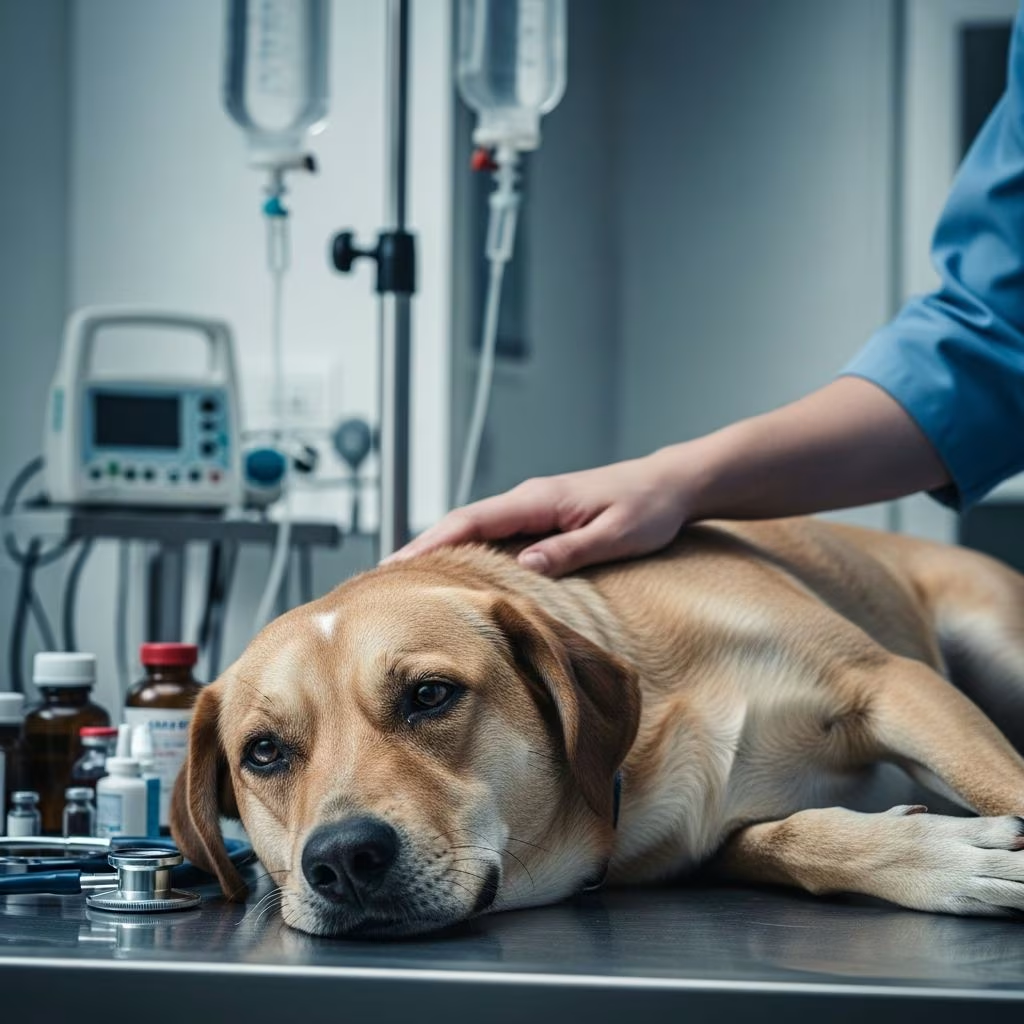
Ethylene Glycol Poisoning in Dogs: A Life-Threatening Emergency
Ethylene glycol poisoning represents one of the most serious toxicological emergencies in veterinary medicine. This colorless, odorless liquid is a primary component of automotive antifreeze and other industrial products. Dogs are particularly vulnerable to ethylene glycol poisoning because they are often attracted to its sweet taste, and even small amounts can prove fatal. The danger is compounded by the fact that the poisoning progresses through distinct stages, with a critical window for effective treatment that closes rapidly. Understanding the signs, stages, and appropriate response can mean the difference between life and death for your beloved pet.
What Is Ethylene Glycol Poisoning?
Ethylene glycol poisoning occurs when a dog ingests this toxic substance, typically from automotive antifreeze, de-icing solutions, or other commercial products containing the compound. The substance is rapidly absorbed through the gastrointestinal tract and metabolized by the liver into toxic metabolites that cause severe kidney damage and systemic toxicity. Once these metabolites are produced, they begin damaging multiple organ systems, with the kidneys suffering the most significant harm. The metabolism of ethylene glycol happens quickly in dogs, which is why the timing of treatment is absolutely critical. Unlike some poisons that may allow for several hours of intervention, ethylene glycol creates a narrow therapeutic window that demands immediate action.
Understanding the Three Stages of Ethylene Glycol Poisoning
Ethylene glycol poisoning progresses through three distinct stages, each with characteristic symptoms and dangers. Recognizing which stage your dog is in is crucial for understanding the severity of the situation and the urgency of treatment needed.
Stage 1: Initial Toxicity (Within 30 Minutes to 12 Hours of Ingestion)
The first stage begins almost immediately after ingestion and represents the period when symptoms most closely mimic alcohol intoxication. During this critical window, your dog may display several alarming signs that should trigger immediate veterinary attention. The symptoms during Stage 1 include:
- Lethargy and depression
- Vomiting
- Incoordination and lack of balance
- Excessive urination
- Excessive thirst
- Hypothermia (abnormally low body temperature)
- Seizures in severe cases
- Coma in the most severe cases
These symptoms result from the direct toxic effects of ethylene glycol and its initial metabolites on the nervous system. The incoordination is particularly notable, as dogs may appear drunk or unsteady on their feet. This stage is deceptive because it may seem less dangerous than the later stages, but it represents the critical treatment window. If your dog receives the antidote during Stage 1, the prognosis is significantly better.
Stage 2: The Deceptive Recovery (12 to 24 Hours After Ingestion)
Stage 2 is perhaps the most dangerous stage because it creates a false sense of security. During this phase, many of the obvious neurological symptoms from Stage 1 appear to dramatically improve or even resolve completely. Your dog may seem more alert, the vomiting may stop, and they may appear relatively normal. This apparent recovery is absolutely deceptive and extremely dangerous.
During Stage 2, while your dog seems to be improving, critical damage is occurring internally. The ethylene glycol continues to be metabolized into increasingly toxic compounds. The metabolic acidosis worsens, the kidneys begin accumulating damage, and the dog becomes severely dehydrated. Additionally, during this stage, dogs develop elevated breathing and heart rates as their bodies struggle to compensate for the metabolic changes occurring internally. Many pet owners make the critical mistake of assuming their dog has recovered and failing to seek or continue veterinary treatment during this window. This is precisely when the poisoning is progressing most dangerously.
Stage 3: Severe Kidney Dysfunction (36 to 72 Hours After Ingestion)
By Stage 3, the poisoning has progressed to cause severe and often irreversible kidney damage. The kidneys, which have been under assault from the toxic metabolites of ethylene glycol, begin to fail. Signs of severe kidney dysfunction become evident during this stage, and the prognosis becomes increasingly grim.
Symptoms during Stage 3 include:
- Swollen and painful kidneys
- Minimal to no urine production
- Progressive depression and lethargy
- Loss of appetite
- Persistent vomiting
- Seizures
- Coma
- Death
Once Stage 3 is reached, treatment becomes far less effective. The kidney damage is often irreversible, and while supportive care and dialysis may be attempted, the prognosis is poor. Dogs that do survive often suffer from permanent kidney damage that may affect their quality of life and lifespan.
Common Sources of Ethylene Glycol Exposure
Understanding where ethylene glycol is found can help you prevent accidental poisoning. The most common sources include:
- Automotive antifreeze for radiators
- De-icing products used on walkways and roads
- Windshield washer fluid
- Hydraulic fluids
- Some coolant products
- Certain brake fluids
Dogs typically encounter ethylene glycol by drinking from puddles in garages, driveways, or parking lots where these products have leaked or been spilled. Even a small amount—as little as a few teaspoons in small dogs—can be fatal.
Treatment of Ethylene Glycol Poisoning
The treatment of ethylene glycol poisoning focuses on three main goals: decreasing absorption of the toxin, removing unabsorbed ethylene glycol from the system, and preventing the metabolism of ethylene glycol that produces the most toxic compounds.
Time-Critical Antidote Administration
The most critical aspect of treating ethylene glycol poisoning is the administration of an antidote within a specific timeframe. Two antidotes are available: fomepizole and ethanol. Fomepizole is preferred in dogs because it blocks the enzyme that metabolizes ethylene glycol into its most toxic forms. The antidote is only effective if administered within 8 to 12 hours of ingestion in dogs. If treatment begins after this window has closed, the antidote cannot reverse the damage already done, and the prognosis becomes extremely poor. This is why it is absolutely critical to seek immediate veterinary attention if you suspect your dog has ingested ethylene glycol.
Decontamination Procedures
If your dog is seen by a veterinarian shortly after ingestion (within the first few hours), the veterinarian may attempt to induce vomiting or perform gastric lavage (stomach flushing) to remove any remaining ethylene glycol from the stomach. Activated charcoal may be administered to bind any ethylene glycol that remains in the intestines and prevent further absorption. However, because ethylene glycol is absorbed very rapidly from the stomach, these procedures are often of limited benefit by the time a dog reaches the veterinary clinic.
Supportive Care and Fluid Therapy
Regardless of the stage at which treatment begins, dogs require intensive supportive care. Large volumes of intravenous fluids are administered to:
- Correct dehydration
- Support kidney function
- Promote excretion of ethylene glycol through increased urine production
- Correct metabolic acidosis
Dogs may also receive medications to control nausea and vomiting, manage seizures, and monitor electrolyte levels and blood pH. In severe cases, particularly when kidney failure has developed, dialysis may be necessary to artificially filter waste products and potentially help eliminate remaining toxins.
Prognosis and Recovery
The prognosis for ethylene glycol poisoning depends heavily on how quickly treatment is initiated. If treatment with the antidote begins within 8 to 12 hours of ingestion and before significant kidney damage has developed, the prognosis is reasonably good. However, once clinical signs of kidney dysfunction appear or if treatment is delayed beyond the critical window, the prognosis becomes poor.
Dogs that do recover from ethylene glycol poisoning, particularly those treated early, typically experience no long-term effects. However, dogs treated later or those that develop severe kidney damage may suffer from permanent kidney dysfunction. Some surviving dogs may require ongoing veterinary management, dialysis, or in rare cases, kidney transplantation. The best outcome occurs with early intervention—before symptoms become severe.
Prevention of Ethylene Glycol Poisoning
Preventing ethylene glycol poisoning is far more effective than treating it. Several practical steps can significantly reduce the risk of accidental exposure:
- Store antifreeze and other ethylene glycol-containing products in secure containers in a locked cabinet or garage
- Clean up any spills immediately and completely
- Never leave containers unattended where dogs can access them
- Do not dispose of used antifreeze in areas where dogs might encounter it
- Restrict your dog’s access to garages, driveways, and parking areas where leaks are common
- Consider using pet-safe antifreeze containing propylene glycol instead of ethylene glycol
- Watch for puddles during winter months when de-icing products are commonly used
What to Do If You Suspect Ethylene Glycol Poisoning
If you suspect your dog has ingested ethylene glycol, time is absolutely critical. Immediately:
- Call your veterinarian or emergency veterinary clinic right away
- If after hours, contact Pet Poison Helpline at 1-800-213-6680 (available 24/7) for immediate guidance
- Do not delay seeking help or wait to see if symptoms develop
- If possible, provide information about the amount ingested and when ingestion occurred
- Transport your dog to the veterinary clinic as quickly as possible
Do not attempt home treatment or assume your dog will be fine. Even if your dog appears healthy, ethylene glycol is working invisibly to damage internal organs. The difference between treatment within the critical window and treatment even a few hours later can mean the difference between recovery and death.
Frequently Asked Questions About Ethylene Glycol Poisoning
Q: How much ethylene glycol is poisonous to dogs?
A: Ethylene glycol is extremely toxic to dogs. Even small amounts can cause serious poisoning. The toxic dose varies based on the dog’s weight, but as little as a few teaspoons can be fatal. Any suspected ingestion should be treated as an emergency.
Q: Can my dog recover from ethylene glycol poisoning?
A: Yes, dogs can recover if treated very promptly with the antidote (fomepizole) within 8 to 12 hours of ingestion, before kidney damage develops. Dogs treated during Stage 1 have a much better prognosis. Dogs treated after kidney damage has begun have a poor prognosis, though some may survive with intensive care including dialysis.
Q: What should I do if my dog drinks antifreeze?
A: Immediately call your veterinarian or Pet Poison Helpline at 1-800-213-6680 and transport your dog to an emergency veterinary clinic. Do not wait for symptoms to appear. Do not attempt home treatment. Time is critical.
Q: Why does my dog seem to improve during Stage 2?
A: The apparent improvement during Stage 2 is deceptive. While neurological symptoms may improve, the ethylene glycol continues to be metabolized into increasingly toxic compounds that damage the kidneys. This stage is actually when the most critical internal damage is occurring. Continued veterinary care is essential.
Q: Is there a test to confirm ethylene glycol poisoning?
A: Yes, blood tests can measure ethylene glycol levels and assess kidney function. However, veterinarians often begin antidote treatment based on suspicion alone while waiting for test results, as delays in treatment significantly worsen the prognosis.
Q: Can propylene glycol antifreeze be used instead?
A: Yes, propylene glycol-based antifreeze is much less toxic to pets than ethylene glycol-based antifreeze. Using pet-safe antifreeze in your vehicle is an excellent preventive measure.
References
- Ethylene Glycol Poisoning in Dogs — VCA Canada Animal Hospitals. 2025. https://vcahospitals.com/know-your-pet/ethylene-glycol-poisoning-in-dogs
- Antifreeze Poisoning in Dogs: Symptoms, Treatment and Prevention — PetMD. 2025. https://www.petmd.com/dog/emergency/poisoning-toxicity/antifreeze-poisoning-dogs
- Ethylene Glycol (Antifreeze) Poisoning — Merck Veterinary Manual. 2025. https://www.merckvetmanual.com/special-pet-topics/poisoning/ethylene-glycol-antifreeze-poisoning
- Antifreeze Poisoning in Dogs: What to Know — American Kennel Club. 2025. https://www.akc.org/expert-advice/health/antifreeze-poisoning-in-dogs/
- Antifreeze Poisoning in Dogs — PDSA (People’s Dispensary for Sick Animals). 2025. https://www.pdsa.org.uk/pet-help-and-advice/pet-health-hub/conditions/antifreeze-poisoning-in-dogs
- Ethylene Glycol Toxicity in Dogs — Iowa Veterinary Specialties. 2025. https://www.iowaveterinaryspecialties.com/student-scholars/ethylene-glycol-toxicity-in-dogs
- Managing Ethylene Glycol Toxicity — DVM360. 2025. https://www.dvm360.com/view/managing-ethylene-glycol-toxicity-proceedings



